Vertical Racks can turn unused wall height into practical storage, but the right choice depends on what you need to store. A compact rack for garden tools has different demands from a heavy-duty system holding long boards, pipes, or sports equipment. Capacity, rack dimensions, mounting method, material, and adjustability all deserve a close look. Small details matter.
This 2026 guide compares vertical rack options by their intended uses and everyday features, rather than treating one design as best for every space. It considers how securely items sit in the rack, how much room installation requires, and whether the materials suit a garage, workshop, or utility area. Clear product specifications are useful, but check the manufacturer’s stated load limits and installation instructions before choosing. A rating is not a promise that every wall or setup can support the same weight.
There is no perfect rack. Some models save floor space but offer limited flexibility; others accommodate larger items and need more clearance. That trade-off is easy to underestimate. The sections ahead explain which features to compare, what questions to ask, and how different rack styles may fit specific storage needs. Use the recommendations as a starting point, then confirm measurements and compatibility for your own space. A careful fit beats an impressive-looking product that does not work in practice.
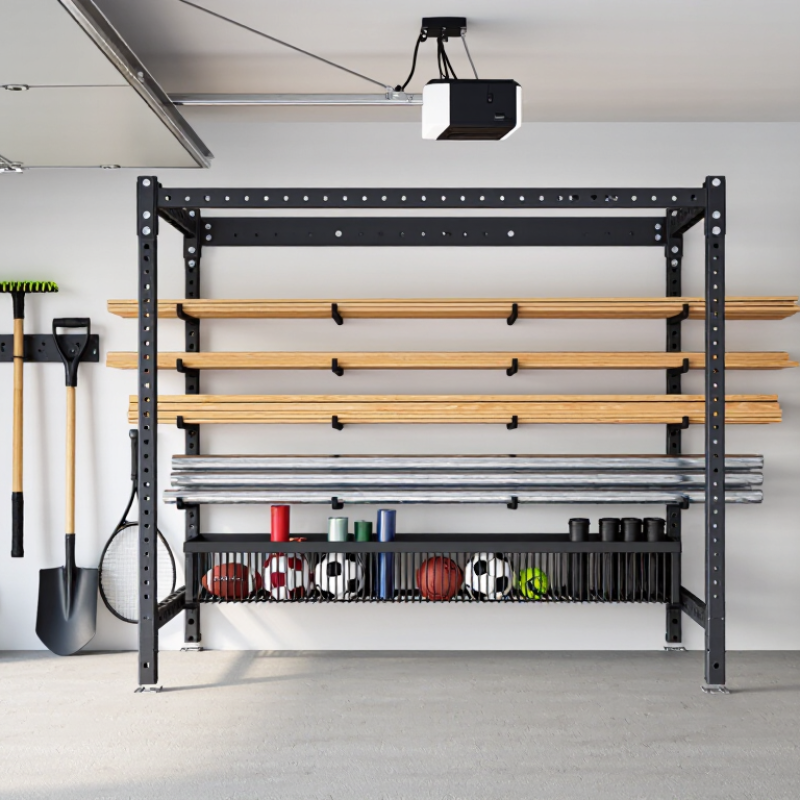
A vertical rack stores long or flat materials upright instead of spreading them across shelves or a floor. Common examples include boards, pipes, panels, and folded ladders. The rack’s frame and dividers keep pieces separated, making individual items easier to spot and remove. In a small workshop, that can free up valuable floor space. It also reduces the familiar shuffle of moving one board to reach another. A simple idea, but useful.
Vertical racks are used in garages, studios, workshops, and warehouses where materials vary in length or thickness. Choose a rack suited to the items being stored, and check its rated capacity before loading it. Place heavier pieces where they are easiest to control, keep materials from leaning into walkways, and secure the rack as its instructions require. Measure the available wall and ceiling space first; a tall rack can be awkward in a low room. The imperfect part is that one rack rarely fits every material well. Dividers may need adjusting, and very narrow pieces can still slip or bunch together. Regular checks help catch loose fasteners, uneven loading, or damage before the rack becomes harder to use safely.
Vertical racks in 2026 range from simple fixed shelving to automated storage systems. Fixed shelving suits cartons, bins, and hand-picked parts.
Cantilever racks hold long, awkward items such as timber or metal bars, with open arms that keep the load accessible.
Mobile shelving moves along floor rails, reducing unused aisles. It can save space, but staff must wait while sections move. A small trade-off.
For higher-density storage, vertical carousels rotate shelves to a picking window, while vertical lift modules bring trays to an operator. Both can use building height and reduce walking. They need suitable ceiling clearance, reliable maintenance, and thoughtful placement near packing areas.
The MHI 2024 Annual Industry Report found that 55% of surveyed supply-chain professionals expected to adopt robotics and automation within five years.
That points to growing interest in automated storage, not proof that every warehouse needs it.
Start with the load: measure item dimensions, weight, and how often each item is picked. Then compare rack capacity, access speed, and installation requirements. A layout can look efficient on paper and still frustrate workers when the fastest-moving items sit too high or far away.
When comparing vertical racks, start with the load rating for each level, not just the rack’s total capacity. Check that the rating matches the weight and shape of the items you actually store. A narrow base may save floor space, but it can reduce stability when loads sit high. Look for clear installation guidance, secure anchoring options, and materials suited to the storage environment. Damp rooms need different protection from clean, dry stockrooms. Small details matter.
The 2024 MHI Annual Industry Report, produced with Deloitte, found that 55% of surveyed supply-chain leaders expected disruptions to become more frequent. That is not a rack-performance study, but it underlines why adaptable storage can matter. Adjustable levels, accessible fasteners, and replaceable components may make layout changes easier. Still, “adjustable” is only useful if shelves lock firmly and remain easy to inspect.
Tips: Measure the tallest item, including handles or packaging, and leave room to lift it out safely. Check the floor and anchoring requirements before purchase. Ask for load-test documentation and confirm whether stated capacities assume evenly distributed weight. A tidy product sheet helps, but it does not replace checking your actual site conditions. It’s easy to miss that.
Which features matter most when comparing vertical racks?
This editorial priority index is a comparison guide, not measured product-test data. Check each rack’s published load rating, dimensions, anchoring requirements, materials, and warranty against your space and intended use.
Vertical racks differ less by appearance than by what they hold and how people reach it. In a warehouse, pallet racks prioritize rated capacity, clear forklift aisles, and secure anchoring. For hand-picked bins, narrower shelves and labeled levels can reduce walking time. The best layout depends on the heaviest item, not the average carton.
Garages and workshops need different details. A bike rack should support the frame or wheel as designed, leave handlebars clear, and avoid blocking doors. Lumber or pipe storage needs long, stable arms and restraints against sliding or rolling. Measure the longest pieces and ceiling height before buying. Measure twice. A tight corner can make a tall rack awkward to use.
Retail and home storage often favor visibility and adjustability over maximum density. Open shelves help staff spot stock quickly; deep shelves may hide smaller items. Check each shelf’s stated capacity, installation surface, and fixing requirements. One trade-off is easy to miss: choosing by height alone can leave items difficult to reach. Verify the rack’s specifications against the actual load and site conditions.
| Common use | Typical rack format | How it differs | Best suited to | Key selection checks |
|---|---|---|---|---|
| Sheet goods Sheet metal, plywood, panels, or glass |
Vertical A-frame or compartment rack | Leans sheets in bays or against supports; dividers can separate sizes and materials. | Shops that need to store large flat pieces upright and retrieve them individually. | Confirm sheet dimensions, edge protection, bay width, load rating, and a secure method to prevent tipping. |
| Lumber and boards Timber, trim, and long boards |
Vertical lumber rack with arms or separate slots | Supports long pieces along their length; adjustable arms or dividers help sort different stock. | Lumber rooms and workshops with limited floor space and a range of board lengths. | Check arm spacing, maximum length, distributed load capacity, wall or floor anchoring, and safe access to heavy pieces. |
| Pipe, bar, and profiles Metal stock, conduit, and similar long items |
Vertical cantilever or slotted long-stock rack | Uses uprights, arms, or individual channels to hold elongated stock and keep types or sizes separated. | Fabrication, maintenance, and building-supply areas handling long, rigid materials. | Match rack length and support spacing to the stock; verify arm ratings, retention features, and suitability for round materials that can roll. |
| Bicycles Home, repair, or shared storage |
Vertical wheel-hook rack or floor-supported upright stand | Stores each bicycle upright, often by a wheel; some designs support the frame or wheels at floor level. | Garages and bike rooms where floor space is limited and bicycles need distinct parking positions. | Check wheel and tire compatibility, bicycle weight, spacing between bikes, mounting substrate, and clearance for handlebars and pedals. |
| Tires and wheels Seasonal or service inventory |
Purpose-built tire shelving or wheel-storage rack | Uses appropriately sized shelves or supports; configurations vary for loose tires and tire-and-wheel assemblies. | Tire shops, garages, and storage areas organizing sets by vehicle or season. | Check tire diameter and width, shelf depth, load rating, and the storage guidance applicable to the tire type and manufacturer. |
Selection note: There is no single best vertical rack for every application. Compare the rack’s rated capacity and dimensions with the actual items being stored, and follow the installation, anchoring, loading, and safety instructions supplied for the specific rack.
Choosing a vertical rack starts with the items you plan to store, not the rack’s appearance. Measure each item, including handles or attachments, then check the rack’s usable height and spacing. A rack may look spacious but still leave awkward gaps. Confirm its rated capacity and whether that rating applies to each level or the entire unit. Heavy equipment needs a stable base and secure anchoring where appropriate.
Consider the room, too. Measure doorways, ceiling clearance, and the space needed to retrieve items safely. In a damp workshop, corrosion-resistant materials may be worth the extra cost; in a clean, dry room, they may not be necessary. Check how easily shelves adjust, and think about what you might store next year. I’ve seen people buy for today’s load and regret the tight spacing later. That happens.
Tips: Leave room for your hands between stored items. Check the floor for levelness, and follow the rack’s installation and load instructions. If you cannot verify a rack’s capacity, choose one with clear specifications rather than guessing.
It stores long or flat items upright, such as boards, pipes, panels, and folded ladders. Dividers keep pieces apart.
They suit garages, studios, workshops, and warehouses. They can free floor space.
You can remove one board without shifting several others. Small gain, but helpful.
Check its rated capacity and compare it with the actual load. Place heavier pieces where they are easiest to control.
Keep items clear of walkways, and secure the rack as instructed. Check for loose fasteners or uneven loading.
Warehouse pallet racks prioritize capacity, clear forklift aisles, and anchoring. Workshop racks need stable arms and restraints for lumber or pipes.
It should support the frame or wheel as designed. Leave handlebar space and keep doors clear.
A tall rack may not fit a low room. Narrow pieces can slip or bunch together. Measure twice.
Not always. Dividers may need adjusting, and one rack rarely fits every item well. Open shelves can help people spot stock quickly.
Vertical Racks provide an upright storage solution that helps organize items while making efficient use of floor space. In 2026, they are available in different designs and configurations for settings such as homes, workshops, warehouses, and retail spaces. Their intended use determines which style is most suitable, from compact options for everyday organization to heavier-duty systems for storing larger or bulkier items.
When comparing Vertical Racks, consider capacity, dimensions, materials, stability, adjustability, and how easily the rack can be assembled and maintained. Also think about the items you plan to store, how often you need to access them, and the space available. Matching these practical requirements to a rack’s design can help you choose a safe, convenient, and durable solution that supports your storage needs.

Dinghui Racking