Explore our industrial-grade, load-certified storage racks configured for optimal warehouse structural safety.
Analyzing systemic shifts in material handling, safety demands, and high-density industrial design.
The global warehousing landscape is undergoing a structural paradigm shift. Driven by the relentless growth of third-party logistics (3PL), multi-channel e-commerce fulfillment, and supply chain consolidation, modern distribution hubs must maximize spatial utilization without compromising physical safety. Within this high-intensity commercial environment, heavy-duty beam pallet racking functions as the foundational grid. It is no longer just a hardware commodity; it is a critical infrastructure component engineered to interface with automated forklift fleets, automated guided vehicles (AGVs), and high-capacity storage operations.
From a global procurement perspective, industrial enterprise buyers must navigate complex regional building codes, seismic zones, and localized safety mandates. Structural parameters such as beam deflection ratios, anchorage shear capacities, and impact protection are tightly regulated under bodies like the Rack Manufacturers Institute (RMI) in North America, the FEM 10.2.02 standards in Europe, and AS4084 in Australia. Sourcing racking components that meet these high-reliability engineering thresholds is paramount to mitigating operational risks, protecting warehouse personnel, and avoiding costly supply chain disruption.
Designed and certified to resist ground accelerations under Seismic Design Categories (SDC) A through F, utilizing thickened baseplates and dual-anchorage mechanics.
Enabling vertical storage scale heights up to 15 meters, integrating precise tolerances compatible with VNA (Very Narrow Aisle) warehouse layouts.
Cured with thermosetting epoxy-polyester powder coating (60-80 microns thickness) to resist impact damage, dynamic shear stress, and atmospheric corrosion.
Understanding the physics of heavy-duty beam pallet racking and cold-formed steel engineering.
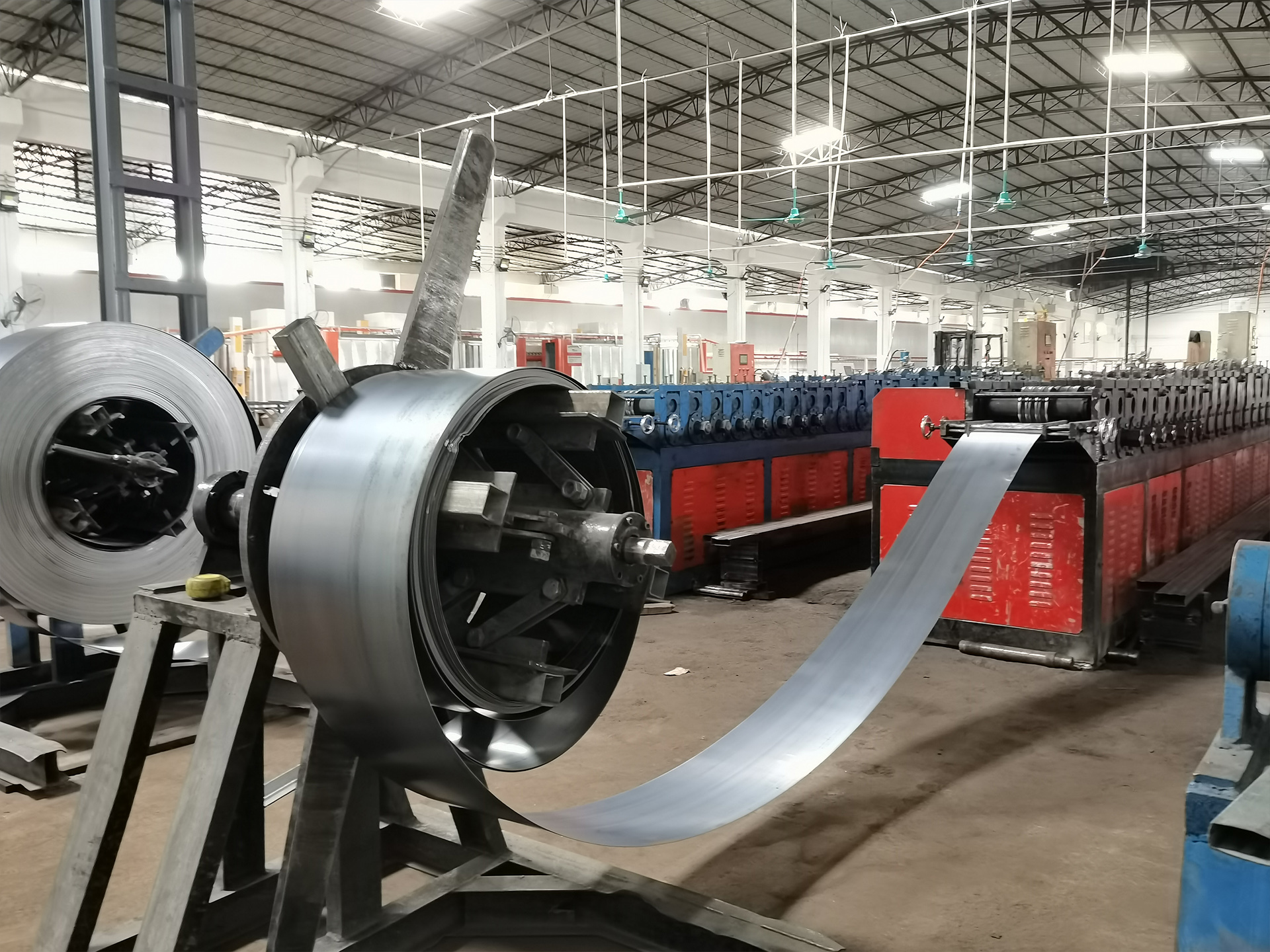
At its core, a heavy-duty beam pallet racking frame is a high-performance, structural steel assembly subjected to continuous static loads, dynamic loading events (forklift interaction), and variable environmental forces. Standard racking frames designed at Foshan Dinghui Intelligent Warehousing utilize high-tensile Q235B and Q355B structural steel, known for their excellent yield strengths (minimum yield point of 235 MPa and 355 MPa, respectively) and structural ductility. Through advanced cold roll-forming lines, steel coils are precisely profiled into multi-bend upright configurations to maximize sectional modulus and structural stability under torsional stress.
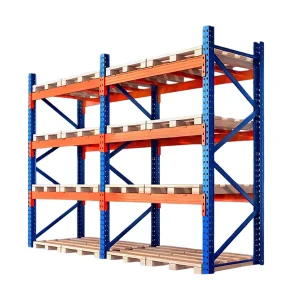
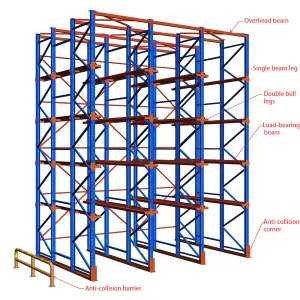
Beams, typically engineered as interlocking "box beams" or "step beams", utilize dual-profile cold-welded seams to resist horizontal deflection. To secure these beams to upright frames, heavy-duty connector plates are outfitted with 3-claw or 4-claw safety hook assemblies, backed up by safety pins. Under mechanical codes like EN 15512 and the RMI Specification, the beam deflection ratio under design load must not exceed L/200 (length of the beam divided by 200). Understanding these limits prevents system failures, and guarantees the safety of modern warehouse facilities.
| Racking Component | Standard Specification | Engineering Advantage |
|---|---|---|
| Upright Profiles | 80mm up to 140mm section width; 1.8mm - 3.0mm thickness | High moment of inertia; optimizes compression load capacity. |
| Box Beam Sizes | 80x50mm up to 160x50mm; dual-profile cold weld | Eliminates beam rotation under heavy static load; deflection limit L/200. |
| Structural Material | High-Tensile Q235B / Q355B Cold-Rolled Steel | High load capacity while remaining ductile during seismic stress. |
| Safety Locking Factor | Automatic Spring-Steel Safety Pins / Bolt-secured Locks | Prevents accidental beam dislodgement from dynamic upward forklift force. |
| Surface Finish | Electrostatic Epoxy-Polyester Powder Coating (CE Certified) | High-adherence coating, offering long service life and anti-rust protection. |
Leveraging 38,000㎡ of advanced automation, 12 years of industry experience, and CE/ISO certified quality assurance.
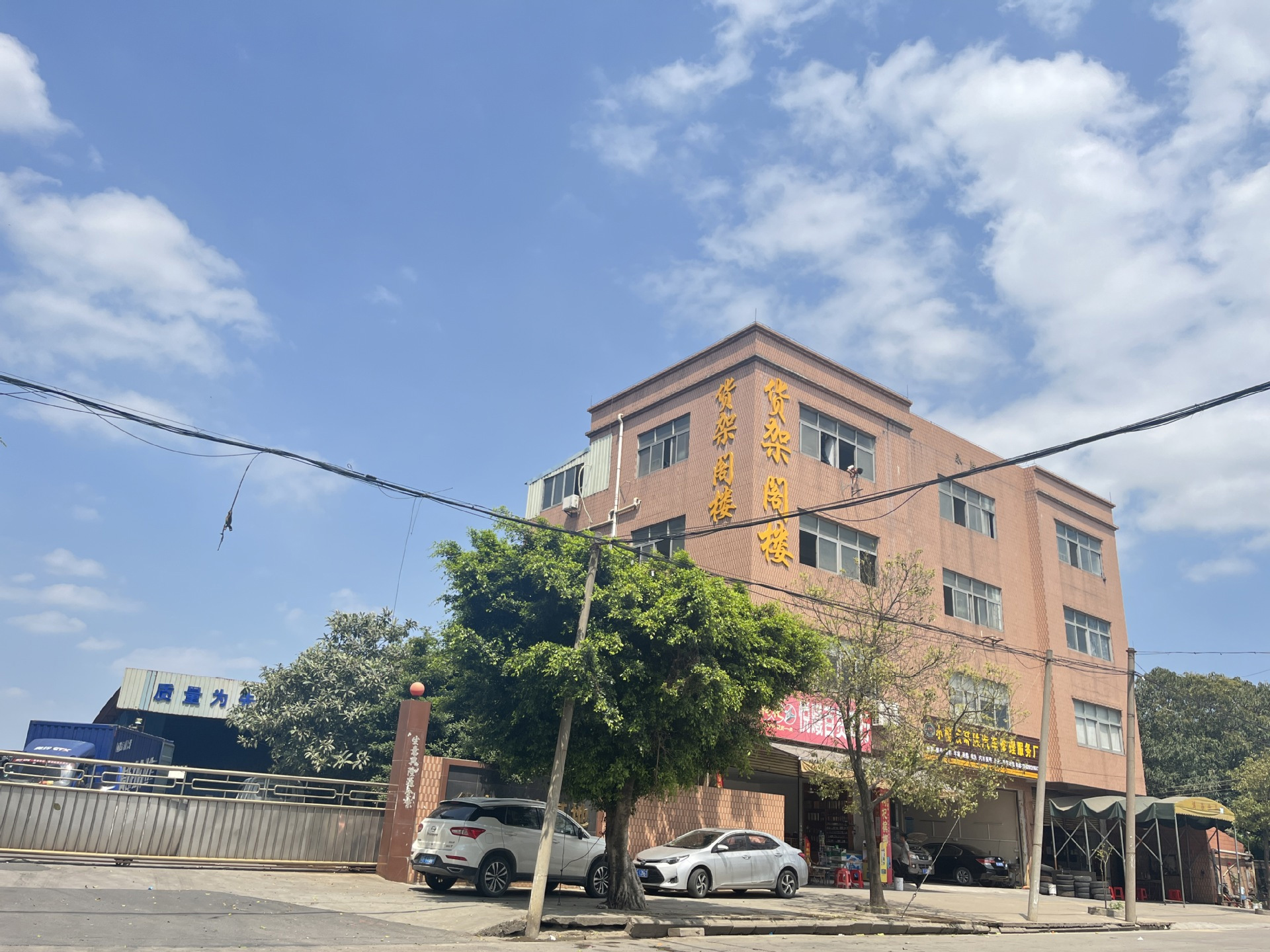
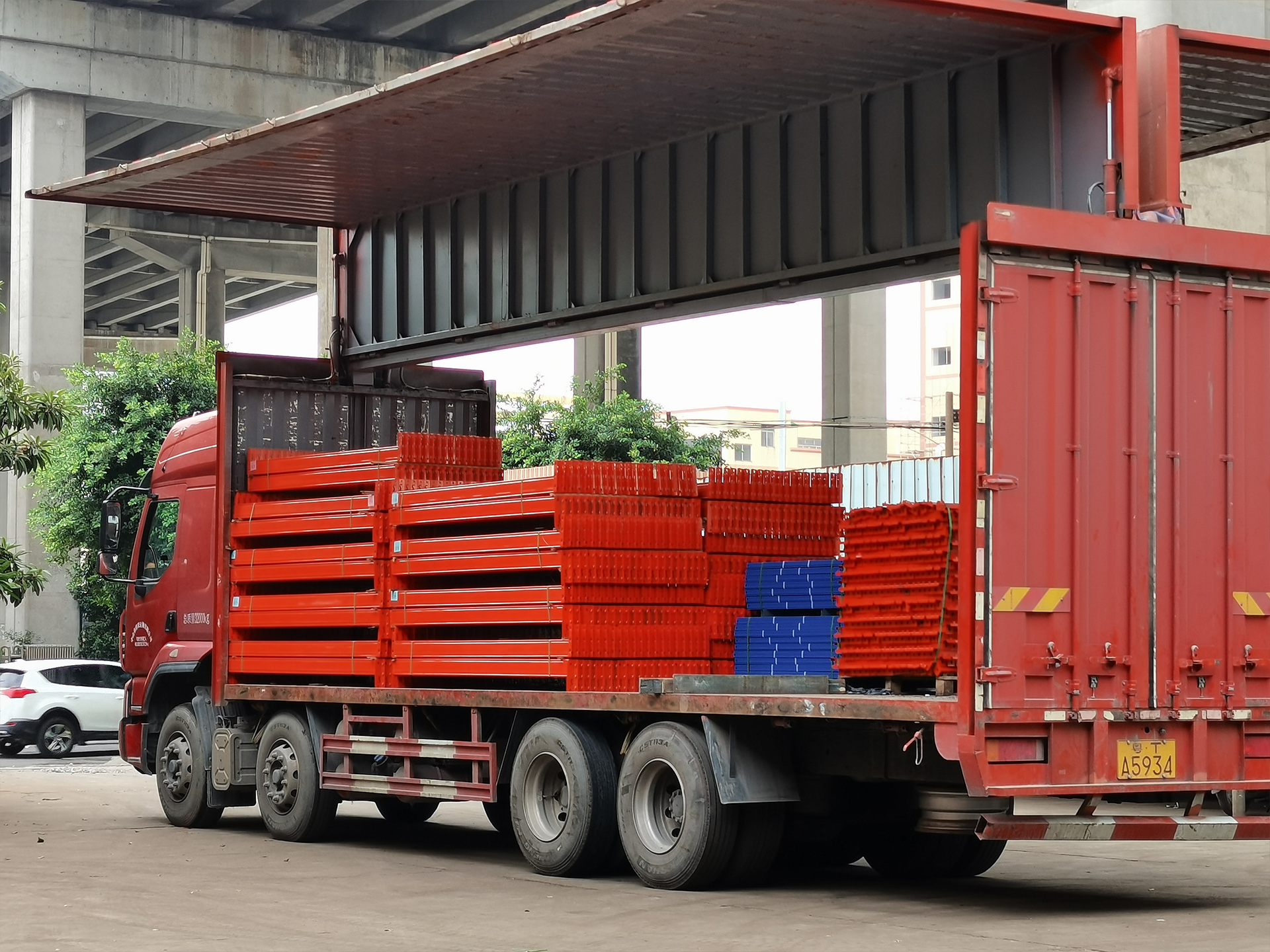
Established in 2015, Foshan Dinghui Intelligent Warehousing Technology Co., Ltd. is a leading manufacturer specializing in heavy-duty industrial storage racks, pallet racking systems, and automated warehouse solutions. Spanning a modern manufacturing base of 38,000 square meters, we bring together 12 years of industry experience and 8 years of direct global export expertise, generating an annual export revenue of over $25 million USD.
Sourcing from China is no longer just about unit cost reduction—it is about high-precision manufacturing, scalable output, and customized engineering. Backed by 18 experienced senior R&D engineers, we offer extensive OEM/ODM customization options, including tailored load capacities, custom dimensions, seismic-resistant structural design, special powder-coating finishes, and automated system integration. Guided by continuous technical improvement, we successfully launched 45 new product designs and structural upgrades last year, empowering our global partners to optimize their warehouse efficiency.
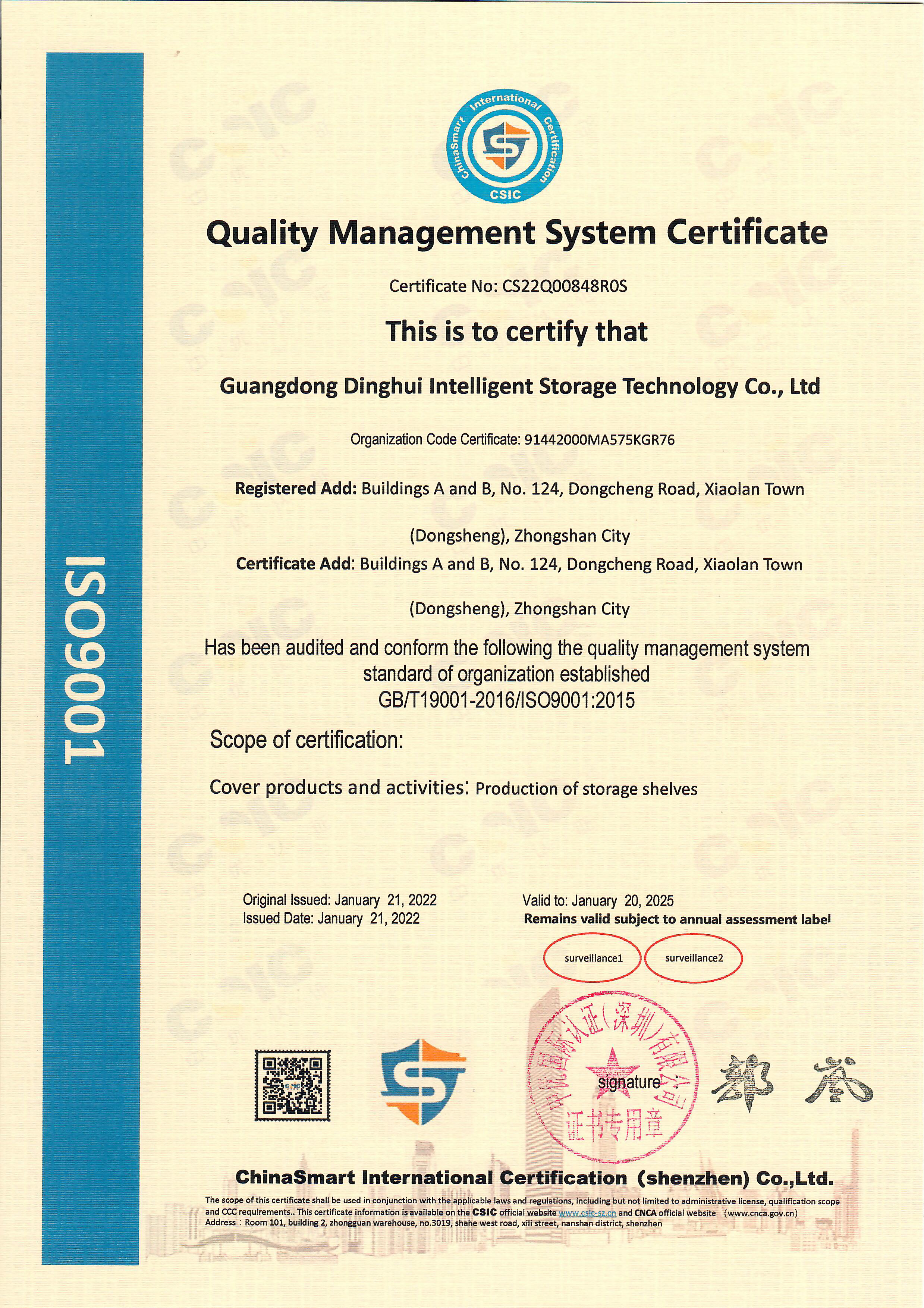
Our quality control procedures adhere to rigorous ISO 9001 and CE certification standards. We implement comprehensive product testing protocols, including raw material tensile testing, structural load-bearing simulation, powder coating adhesion tests, and weld non-destructive inspection (NDI). Supported by a dedicated 35-member QA/QC team, we ensure that every racking component strictly meets international safety and durability standards.
Configuring beam racking configurations to meet challenging environmental demands.
Designed for sub-zero environments down to -30°C. Standard systems utilize low-temperature resistant powder coatings or hot-dip galvanized steel components. This prevents structural embrittlement, stress cracking, and atmospheric oxidation caused by continuous temperature fluctuation.
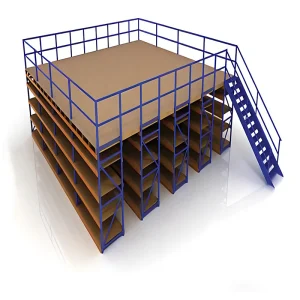
Configured as multi-tier pick towers or dynamic carton-flow systems to support fast-moving consumer goods. Integrates seamlessly with warehouse management systems (WMS) and pick-to-light automation to streamline rapid retrieval operations.
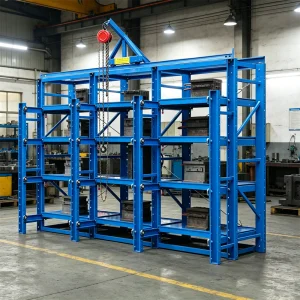
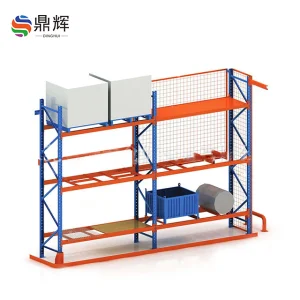
Engineered for high concentrated loads, often utilizing solid steel plate shelving or customized heavy-duty drawer-style mold racks. Incorporates structural safety bumpers and guide rails to protect upright frames from forklift impact.
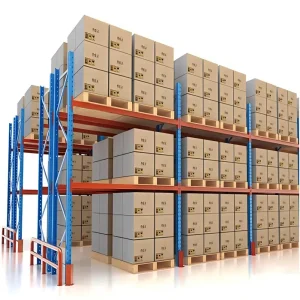
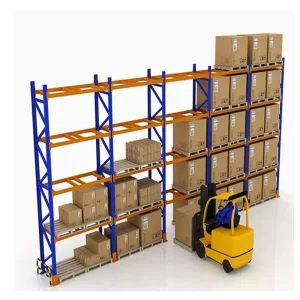
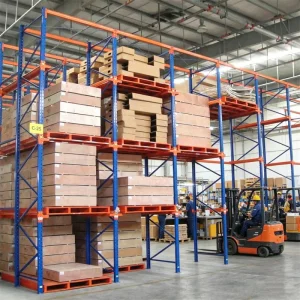
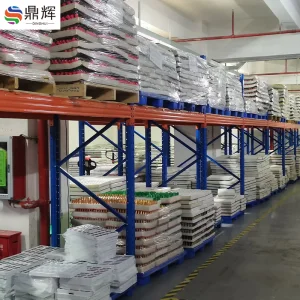
For general industrial settings, the standard selective pallet rack layout remains the most common choice. This layout provides direct access to every single pallet, simple stock rotation, and matches standard material handling machinery. For spaces requiring high density, our engineering team can reconfigure selective layouts into double-deep racking, drive-in racking, or dynamic push-back setups. This customization helps optimize space while ensuring the structural system remains stable and safe.
Answers to common questions regarding structural engineering, material compliance, and warehouse safety.
Under global structural regulations (such as EN 15512 and RMI guidelines), the safe deflection limit is defined as L/200, where "L" is the clear span of the horizontal beam. For example, for a 2700mm beam, the maximum allowable vertical deflection under full load is 13.5mm. Exceeding this limit indicates overloading or design error, which can cause steel fatigue and compromise the structural stability of the entire rack system.
Q235B steel offers a minimum yield strength of 235 MPa and is the standard material used for normal static storage demands. Q355B steel provides a higher yield strength of 355 MPa, which is ideal for high-bay racking systems, heavy-load configurations, or systems installed in high seismic risk zones. Using Q355B allows us to reduce component weight while maintaining high load capacity.
Our standard powder coating is applied electrostatically and cured at high temperatures to a dry film thickness of 60 to 80 microns. This continuous layer prevents moisture and chemical exposure from reaching the underlying steel. For high-humidity or cold storage installations, we also offer pre-galvanized or hot-dip galvanized coatings to prevent oxidation at scratch and contact points.
Designing for seismic areas requires analyzing ground accelerations, soil types, and building structural parameters. Engineering modifications include utilizing widened and thickened baseplates, heavy-duty floor anchor bolts, larger upright sections, and added diagonal horizontal bracing to distribute lateral forces. These designs are validated using advanced finite element analysis (FEA) software.
We utilize automated robotic welding lines to ensure uniform weld penetration and eliminate structural defects. Our 35-member QA/QC team performs regular Non-Destructive Inspections (NDI), tensile strength testing, and load simulation tests on finished components. This process confirms that all welded structural joints comply with CE and ISO quality standards.
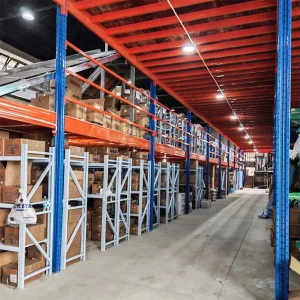
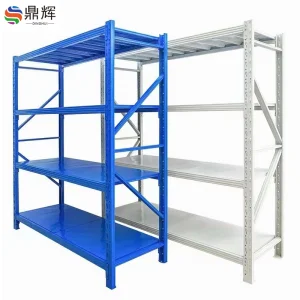
Browse our multi-tier platforms, structural steel mezzanines, and high-density industrial racking systems.
 Dinghui Racking