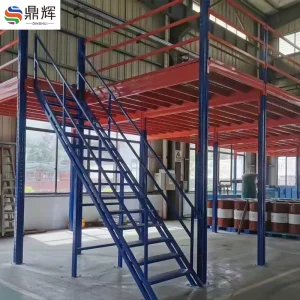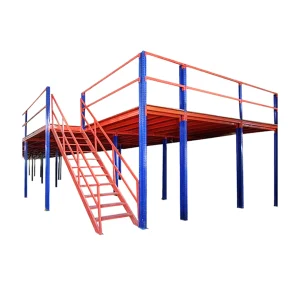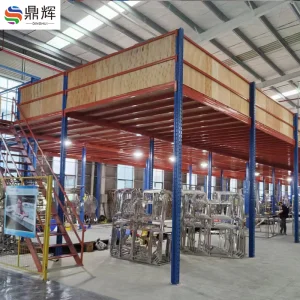
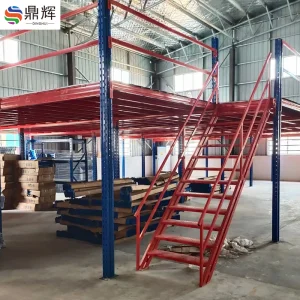
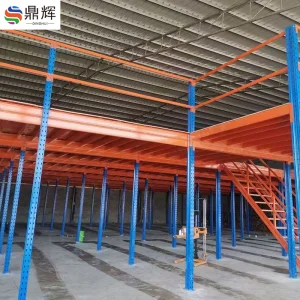
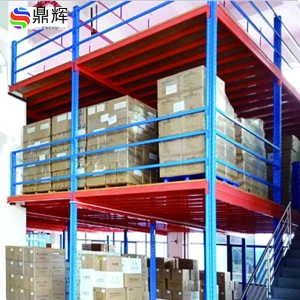
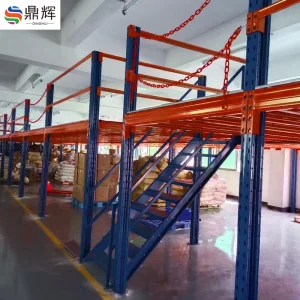
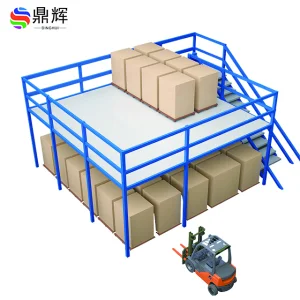
As industrial land acquisitions skyrocket and logistics hubs demand dynamic structural footprints, high-load mezzanine platforms have transcended traditional static shelving. Understanding structural loads, safety thresholds, and structural engineering compliance is critical for global supply chain optimization.
With the rapid growth of e-commerce, third-party logistics (3PL), and localized distribution hubs, physical footprint cost-reduction has become a key competitive driver. Mezzanine floors double or triple storage capacity without requiring expensive structural expansions.
Engineered systems utilize advanced cold-rolled structural steel, primarily high-yield Q235B and Q355B grades. These materials are selected to guarantee high tensile strength, load carrying capacity, and reliable seismic performance.
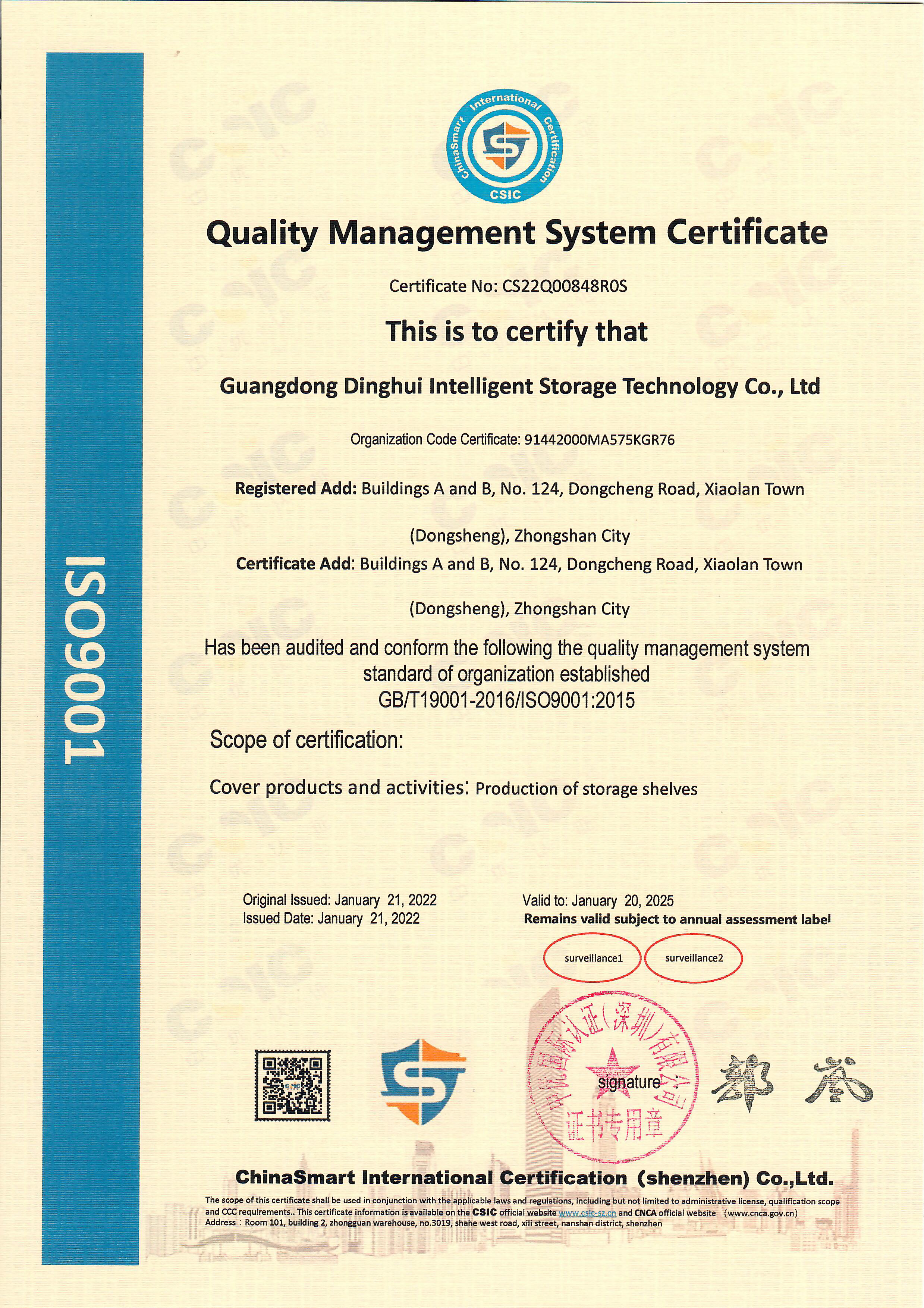
Compliance with CE standards, ISO 9001 quality metrics, and AS 4084 (Steel Storage Racking) codes ensures that structural platforms mitigate operational risks, prevent buckling, and offer a long working life.
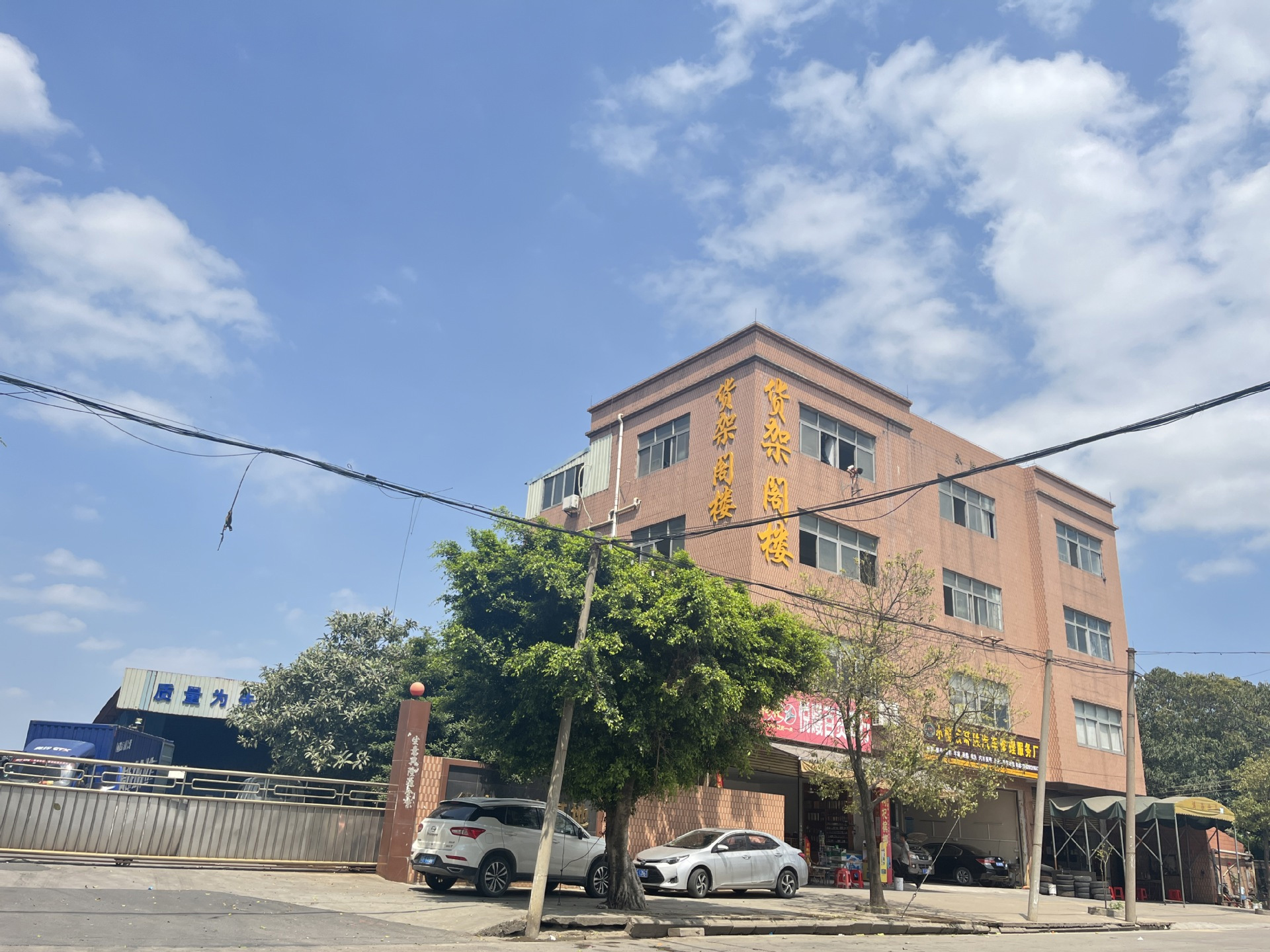
Established in 2015, Foshan Dinghui Intelligent Warehousing Technology Co., Ltd. has grown into a leading manufacturer specializing in heavy-duty industrial storage racks, pallet racking systems, and automated warehouse solutions.
Spanning a modern manufacturing base of 38,000 square meters, we bring together 12 years of industry experience and 8 years of direct global export expertise, generating an annual export revenue of over $25 million USD.
Equipped with advanced automated roll-forming and powder-coating production lines, our quality control procedures adhere to rigorous ISO 9001 and CE certification standards. We implement comprehensive testing protocols, including raw material tensile testing, structural load-bearing simulation, powder coating adhesion tests, and weld non-destructive inspection (NDI). Supported by a dedicated 35-member QA/QC team, we ensure that every racking component meets international safety and durability standards.
Innovation and custom engineering drive our success. Supported by 18 experienced senior R&D engineers, we offer extensive OEM/ODM customization options, including tailored load capacities, custom dimensions, seismic-resistant structural design, special powder-coating finishes, and automated system integration. Driven by continuous technical improvement, we successfully launched 45 new product designs and structural upgrades last year, empowering our global partners to optimize their warehouse efficiency.
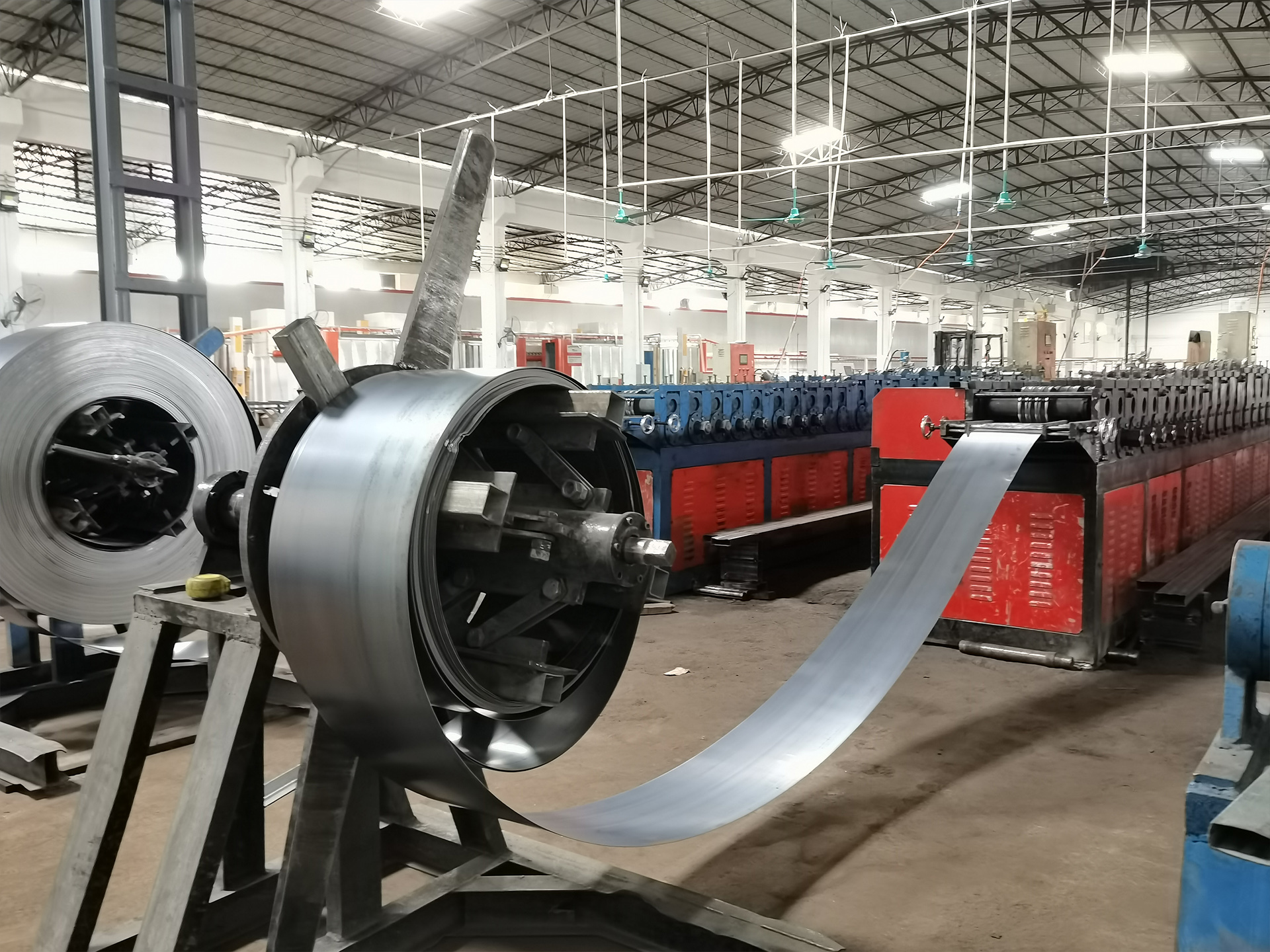
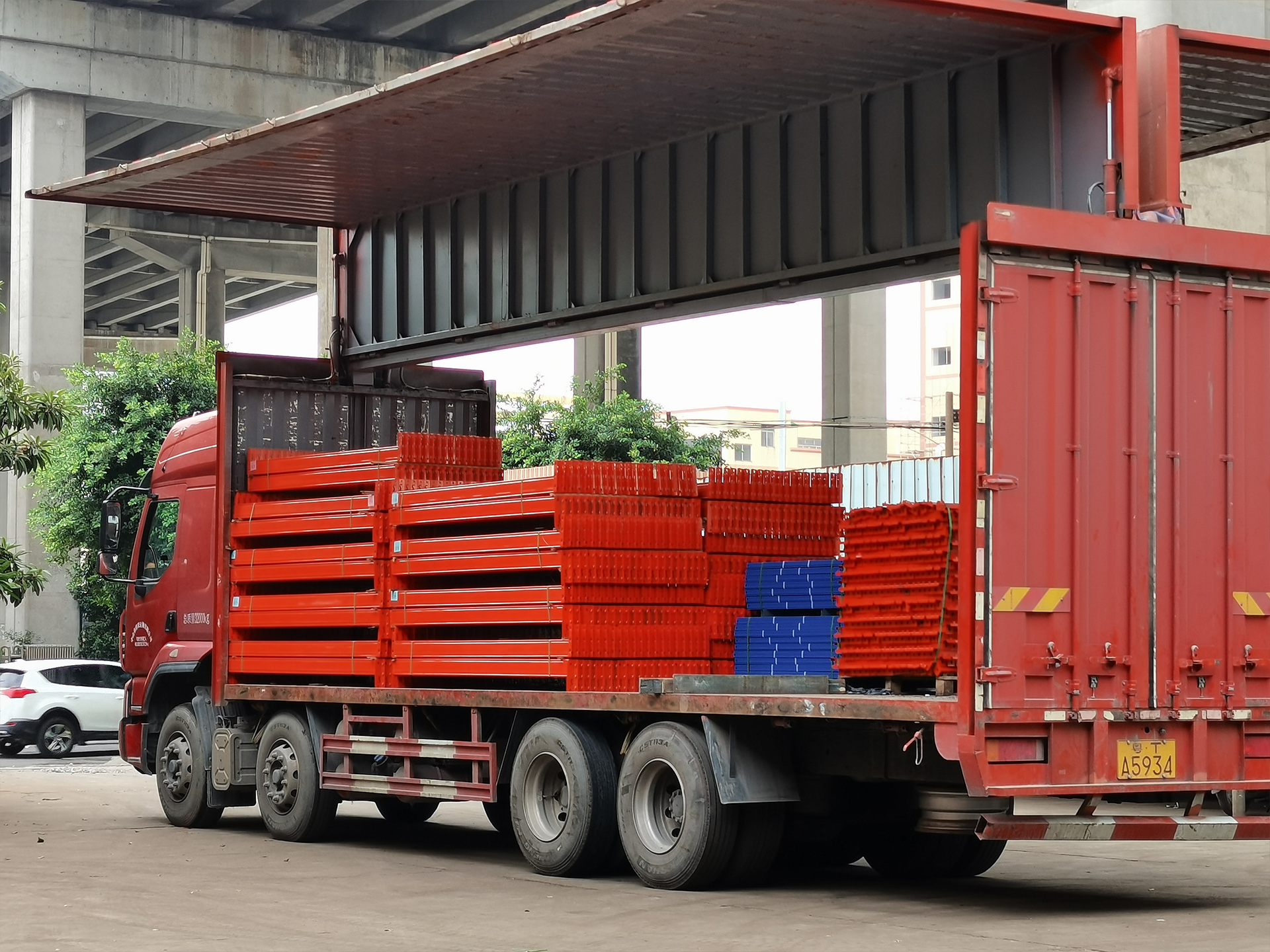
We leverage high-grade raw materials, precision machining, and strict manufacturing standards to deliver reliable structural safety.
Selecting the correct specifications is crucial to matching warehouse throughput and safety mandates. Below is a comprehensive comparison of standard configurations.
| Structural Parameter | Light-to-Medium Duty Platform | Heavy-Duty Mezzanine Platform | Attic/Multi-Tier Racking Mezzanine |
|---|---|---|---|
| Load Capacity (UDL) | 200 - 400 kg/m² | 500 - 1500+ kg/m² | 300 - 800 kg/m² per tier |
| Primary Steel Grade | Q235B Cold-Rolled Steel | Q355B / High-Yield Structural I-Beam | Q235B / Q355B Engineered Uprights |
| Max Column Grid Span | 3.0m - 4.5m | 5.0m - 8.0m (Structural Steel) | Dependent on shelving configuration |
| Decking Options | Galvanized Steel Planking, Wood | Heavy Steel Plate, Checked Steel Plate | Wire Mesh Decking, Perforated Steel Planks |
| Typical Footprint Use | E-commerce parts, light packaging | Heavy manufacturing assembly, machinery | High-density SKU pick modules, retail hubs |
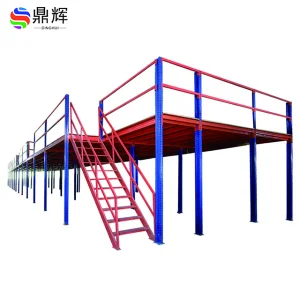
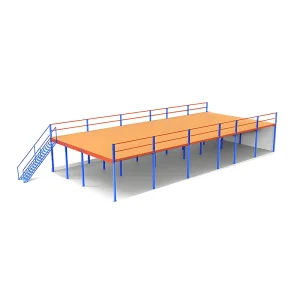
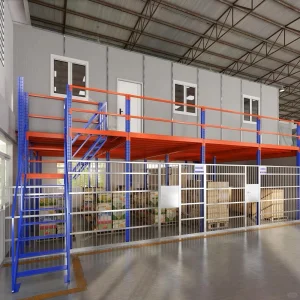
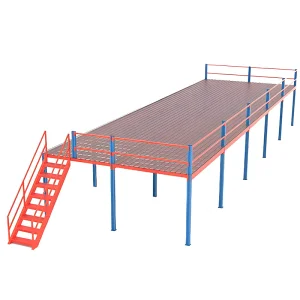
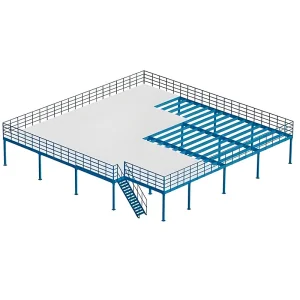
Industrial mezzanines are engineered configurations designed to solve specific footprint and workflow bottlenecks.
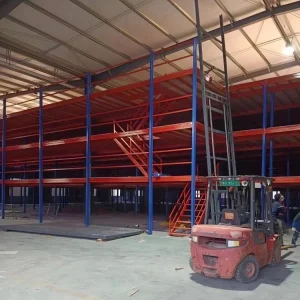
In rapid-fulfillment environments, high-density order picking requires multi-level configurations. By using an attic-style racking mezzanine, warehouses can partition spaces into specific zone-routing configurations. This enables automated conveyor lines, pick-to-light racks, and manual pick carts to operate simultaneously across multiple levels.
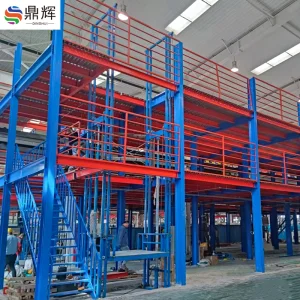
Automotive parts range from heavy engines to small electronic chips. Incorporating heavy-duty structural steel platforms allows for the heavy machinery storage on the ground level, while the upper platforms are designated for small-parts shelving cabinets, utilizing specialized staircase access and incline ladders.
Manufacturing environments demand maximum overhead space for overhead cranes and safety clearances. Heavy-duty structural steel mezzanines span large column distances to avoid ground-level workflow interference. This allows for assembly cells to sit beneath the platform, while storage of raw materials or testing offices sit above.
As the supply chain transitions towards Industry 4.0, warehouse structures must adapt to automated workflows, robotic loading, and structural health monitoring.
In seismic zones, custom calculations must be performed to account for dynamic horizontal acceleration. Our R&D team utilizes advanced Finite Element Analysis (FEA) software to simulate earthquake behavior, ensuring base plate dimensions, column anchors, and sway bracing meet local building codes globally.
 Dinghui Racking