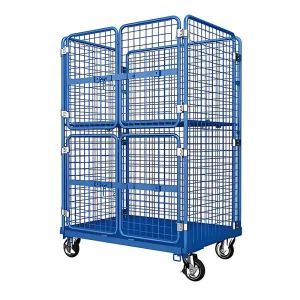
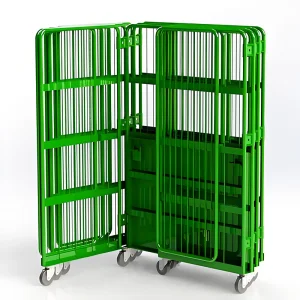
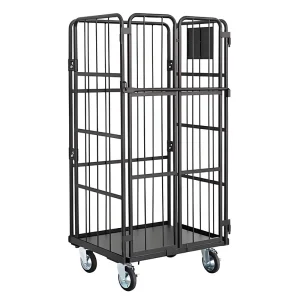
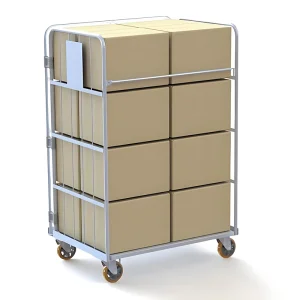
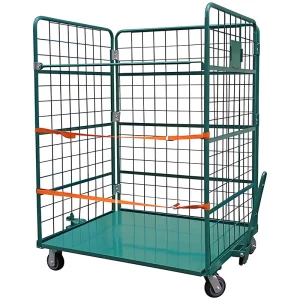
In the era of hyper-velocity commerce and next-day distribution, traditional static storage architectures are no longer sufficient. Modern warehousing demands agile, modular, and dynamic unit-load devices that can effortlessly bridge the gap between static racking storage, sorting belts, and transport vehicles. The folding warehouse logistics trolley has emerged as the definitive solution to meet this industrial demand.
Often referred to as roll containers or mobile wire cages, these engineering assemblies serve as dynamic vectors within the warehouse floor. By eliminating unnecessary manual handling steps, they prevent repetitive strain injuries (RSI) for operators, increase payload security, and facilitate instantaneous vehicle load-ins. When returning empty, their advanced fold-and-nest mechanisms reclaim up to 75% of physical floor space, optimizing truck-load volumes on reverse-logistics paths.
By nesting together when collapsed, our structural frameworks turn idle storage space back into productive zones. This is critical for fluctuating seasonal inventories in high-density cross-docking terminals.
Equipped with low-rolling-resistance dual-bearing polyurethane (PU) or nylon casters, operators can maneuver loads of up to 500 kg with minimal tractive force, ensuring compliant and safe floor operations.
Engineered with heavy-duty cold-rolled steel and reinforced mesh walls, our units provide total physical security. Anti-theft variants include padlockable configurations and full security doors.
As logistics ecosystems mature, the demands on hardware manufacturers change. Several key vectors are driving design changes for next-generation warehouse logistics trolleys:
Corrosion resistance is crucial for systems cycling between refrigerated hubs and ambient loading bays. Standard zinc plating is now being supplemented by high-durability, eco-friendly electrostatic powder coatings and hot-dip galvanization techniques. These finishes ensure structural resilience in temperatures ranging from -30°C to +80°C, rendering them suitable for cold-chain pharmaceutical applications.
Modern fleets of logistics trolleys are no longer dark assets. Integrating ruggedized RFID (Radio Frequency Identification) tags and BLE (Bluetooth Low Energy) transponders allows warehouse management software (WMS) to track rolling cages in real-time, preventing inventory shrinkage and managing assets across large distribution networks.
With retail replenishments increasingly occurring overnight in dense residential zones, sound dampening has become a design priority. Incorporating precision rubber buffers at joints, custom plastic sleeve inserts, and precision-engineered soft-tread castors reduces operational decibels below standard municipal night limits.
| Trolley Specification | Standard Configuration | Premium Heavy-Duty Variant |
|---|---|---|
| Load Capacity | 250 kg - 350 kg | 500 kg - 800 kg |
| Base Material | Pressed Steel Plate | High-Density PE / Reinforced Steel Rib |
| Surface Finish | Electro-zinc plating | Thermal Electrostatic Powder Coating |
| Caster Configurations | PP (Polypropylene) Casters | Precision Bearing Elastic PU Casters |
| Foldability Ratio | 4:1 Nested ratio | 5:1 Ultra-dense nesting |
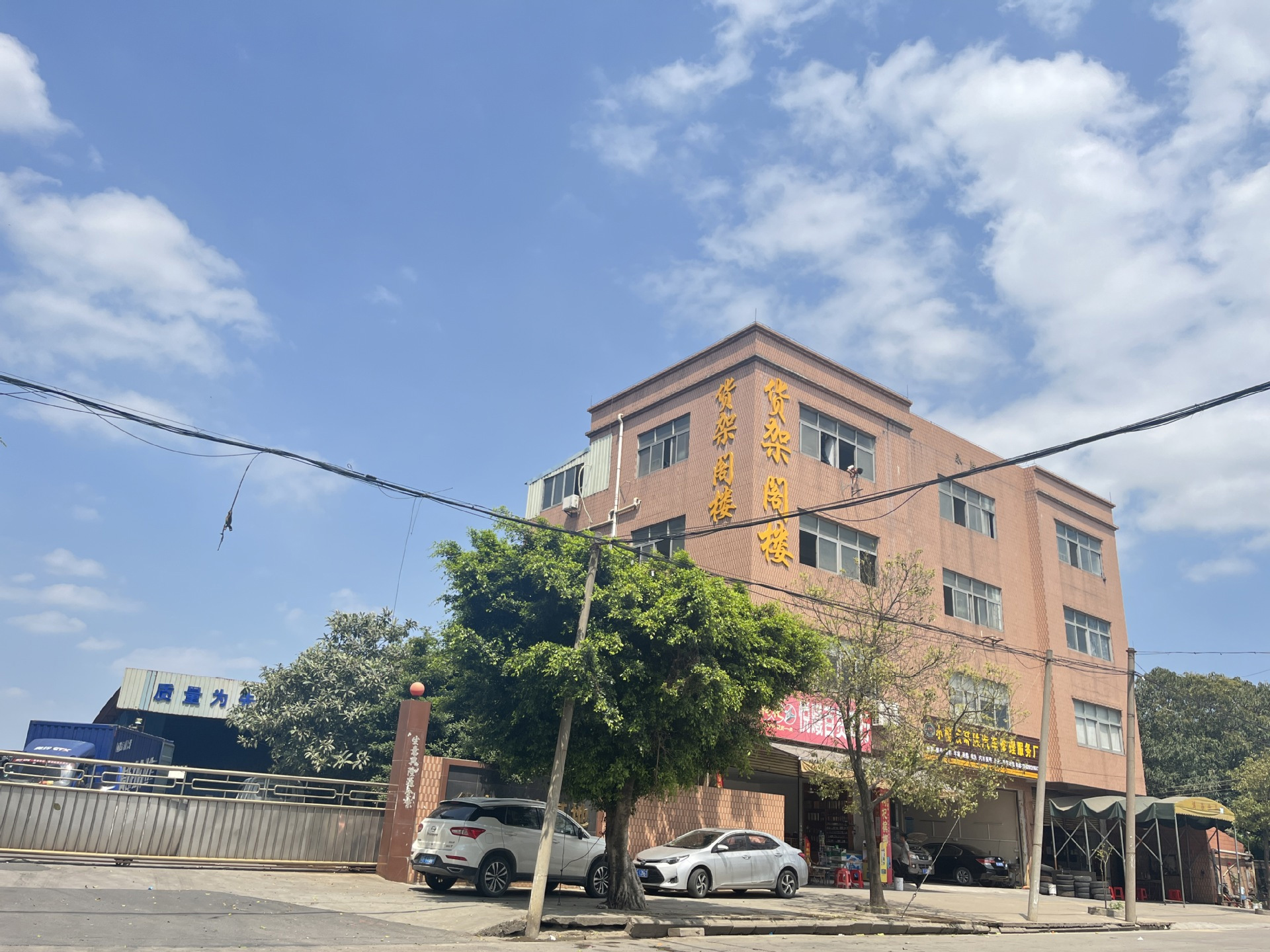
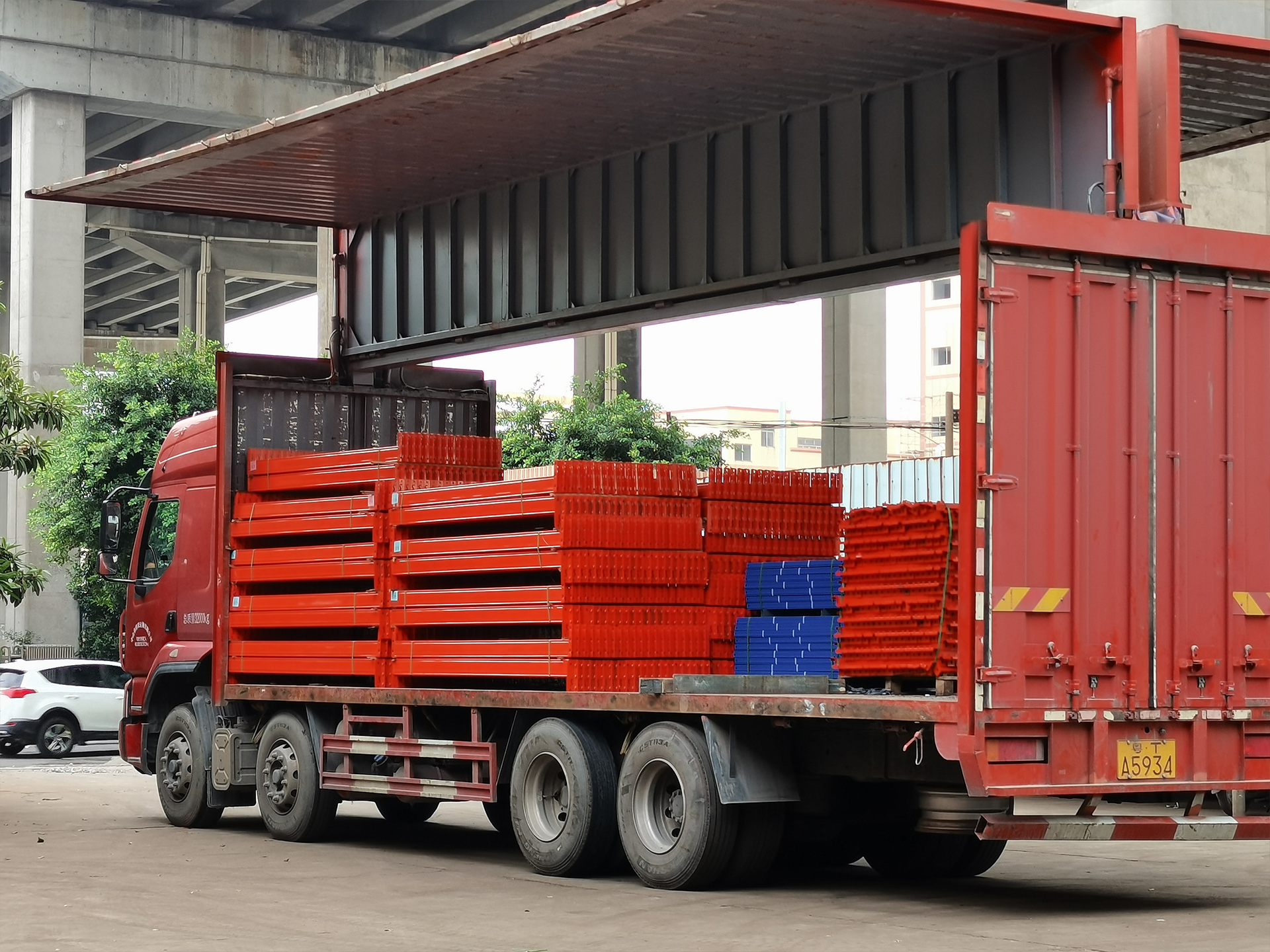
Located in the heart of industrial manufacturing, Foshan Dinghui Intelligent Warehousing Technology Co., Ltd. (established in 2015) operates a modern 38,000 square meter manufacturing base. We utilize highly automated fabrication processes, direct supply chain control, and stringent testing methodologies.
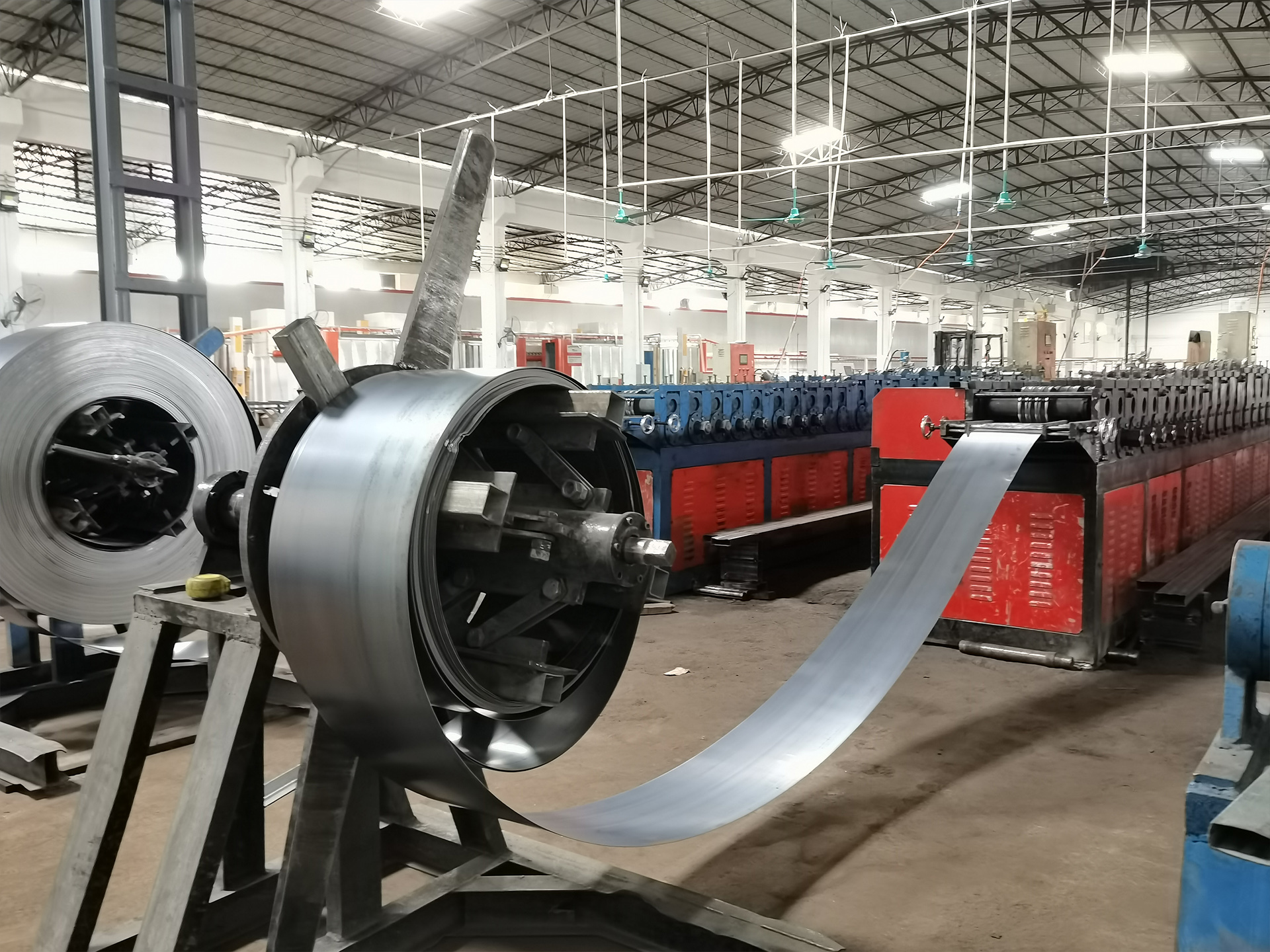
Our facility features automated roll-forming machines and robotic gas metal arc welding (GMAW) units that guarantee consistent bead penetration and joint integrity. This reduces human error and structural variance across production runs. Our electrostatic powder-coating lines produce uniform anti-abrasion barriers that resist chipping, chemical splashes, and wear and tear.
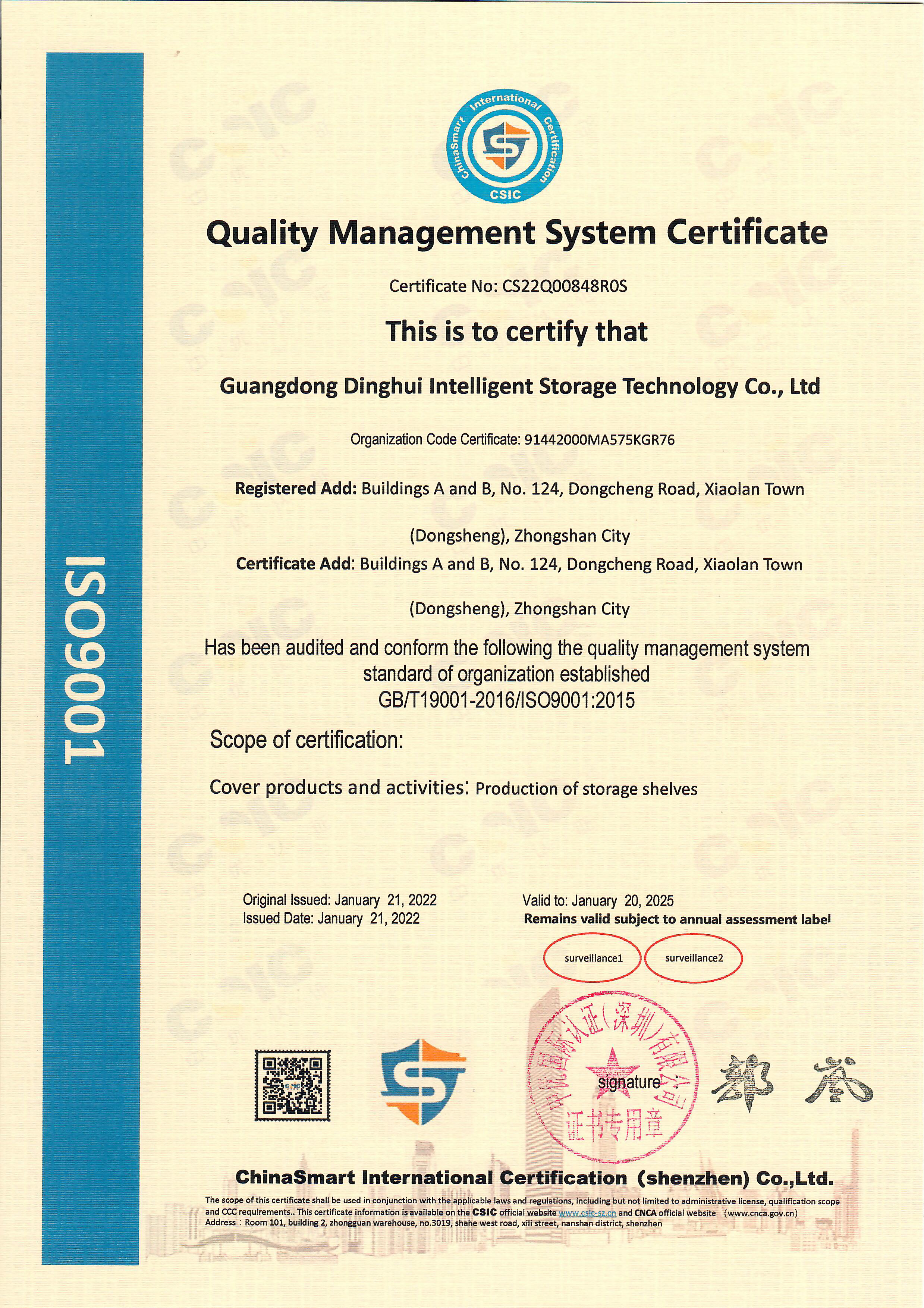
Operating under ISO 9001 and CE certification frameworks, our quality assurance protocols ensure every batch of raw steel meets structural yield strengths. The QA/QC team implements rigorous, standardized verification tests: tensile testing of feedstock, structural finite-element load-bearing simulation, impact tests, cross-hatch adhesion tests for coatings, and non-destructive welding checks (NDI).
Logistics requirements vary significantly by sector. Designing folding warehouse logistics trolleys requires custom-engineering to match these diverse application demands:
Fast-paced distribution environments demand ultra-lightweight, 3-sided nestable containers. Designed for sorting belts and direct parcel bagging, these trolleys allow quick picking routes and easy transport from sorting zones to delivery vans.
Operating in environments down to -30°C requires specialized equipment. Our heavy-duty rolling frameworks are treated with cold-stable zinc coatings and fitted with low-temperature grease-packed bearings to prevent failure in temperature-controlled spaces.
For high-value retail merchandise (e.g., consumer electronics, cosmetics, spirits), 4-sided security configurations with lockable steel mesh doors are used. These prevent theft during transit from regional hubs to retail storefronts.
A folding warehouse logistics trolley is subject to dynamic forces during high-speed warehouse movements, loading ramp transits, and automated truck packing. To withstand these forces without suffering mechanical failure, its engineering design must balance structural strength with structural flexibility.
The base structural frame is the critical load-bearing component of any roll container. We use high-tensile steel plates with integrated reinforcing ribs. The castor brackets are bolted directly to the chassis reinforcement members, transferring dynamic shocks away from the rolling bearings. This prevents structural deflection under maximum loads.
The folding mechanism relies on continuous-loop round wire mesh or square frame tubes. Hinge pins are fitted with anti-wear polymer washers that protect the powder coating, reducing moisture ingress and rust formation at contact points.
Our 4-sided security units use single-action latch rods that engage both the base plate and top framework simultaneously. This structural design prevents wall bending under internal pressure and keeps the trolley rigid during transit over uneven floor surfaces.
 Dinghui Racking