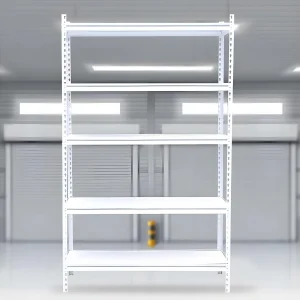
Direct from our state-of-the-art manufacturing facility. Engineered for extreme load-bearing, durability, and space-saving folding ergonomics.
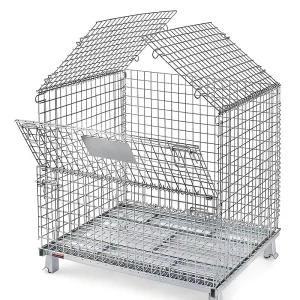
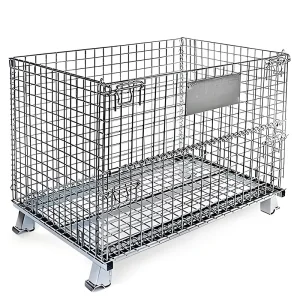
In modern industrial warehouse frameworks, supply chain efficiency relies on materials handling equipment. Among these solutions, the industrial metal storage cage (frequently categorized as wire mesh containers, collapsible steel bins, or pallet cages) serves as a pillar for unit load handling, returnable packaging initiatives, and dynamic stock keeping. As global logistics networks navigate labor scarcity, rapid throughput requests, and space limitations, the choice of warehouse supporting equipment has transformed from a structural afterthought into a core vector of workflow optimization.
This whitepaper details the structural dynamics, material engineering protocols, economic advantages, and strategic utility of metal storage cages. Our research covers standard manufacturing configurations, micro-structural stress models under maximum capacity loads, international compliance, and the macro-economic forces shifting the purchasing pathways of Fortune 500 logistics integrators, material distribution nodes, and manufacturing hubs.
"With warehouse operating costs climbing over 7.5% annually, maximizing horizontal and vertical storage densities via stackable, collapsible metal containers is no longer optional—it is a critical optimization strategy for global manufacturing enterprises."
The global materials handling paradigm is shifting rapidly. Here are the core forces transforming metal storage cage designs today.
Modern cages are engineered with tight dimensional tolerances to slide into Automated Storage and Retrieval Systems (ASRS) and load onto Autonomous Guided Vehicles (AGVs) without mechanical interference.
Utilizing high-tensile, low-alloy mild steels allows manufacturers to reduce tare weight while increasing safe working loads (SWL) and overall deformation resistance.
Global supply chains are transitioning away from wood and single-use plastics to fully recyclable steel containers, drastically reducing environmental footprints and lifecycle costs.
Beyond material changes, the adoption of tracking technologies within warehouse storage cages is rising. Incorporating RFID tags and IoT transponders directly into the steel wire mesh grid enables automated inventory tracking, minimizing manual check-ins and reducing losses across multi-echelon supply chains. Additionally, advanced collapsible hinges and locking plates ensure containers remain securely locked when loaded, and collapse flat for return shipping, optimizing transit volumes by up to 300%.
Procurement departments require more than structural metal; they seek compliance, traceablity, and performance stability.
Enterprises operating in North America, the European Union, and Asia-Pacific must comply with strict occupational safety and health regulations (like OSHA and EU EN standards). Under these standards, material containment units must undergo strict static and dynamic load capacity tests, structural stack testing, and drop-gate durability evaluations.
Sourcing managers evaluate critical technical metrics during procurement: steel grade certification (such as Q235, equivalent to ASTM A36), weld integrity tested via non-destructive inspection (NDI) methodologies, and surface protection ratings (salt spray tests evaluating hot-dip galvanization or electrostatic powder coatings). Our manufacturing workflows are certified to address these requirements, ensuring safe long-term operation under heavy loading cycles.
How metal storage cages are deployed across key industrial verticals to streamline workflow efficiency.
For heavy components like engines, gearboxes, and suspension modules, heavy-duty wire containers prevent deformation during transit and allow parts visibility on the assembly line.
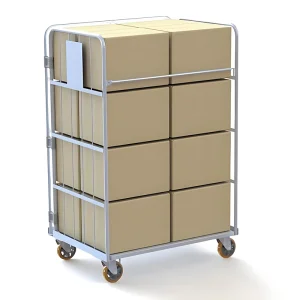
Facilitates rapid retrieval and clear visibility of mixed stock units (SKUs). Easily adapted with casters for manual transport or placed on racking systems for dynamic inventory pick-and-pack operations.
Open wire mesh configurations optimize air circulation, preventing moisture condensation. High-durability hot-dip galvanized finishes protect components from rust and sanitization chemicals.
Implementing these solutions reduces handling damage and streamlines operational cycles. In the automotive sector, standardizing returnable wire mesh pallets cuts transport damage rates to virtually zero. E-commerce fulfillment operations profit from foldability, enabling workers to store empty units out of active pick zones during low-season cycles, then expand them quickly to handle holiday demand spikes.
How Foshan Dinghui Intelligent Warehousing Technology Co., Ltd. delivers global-grade reliability.
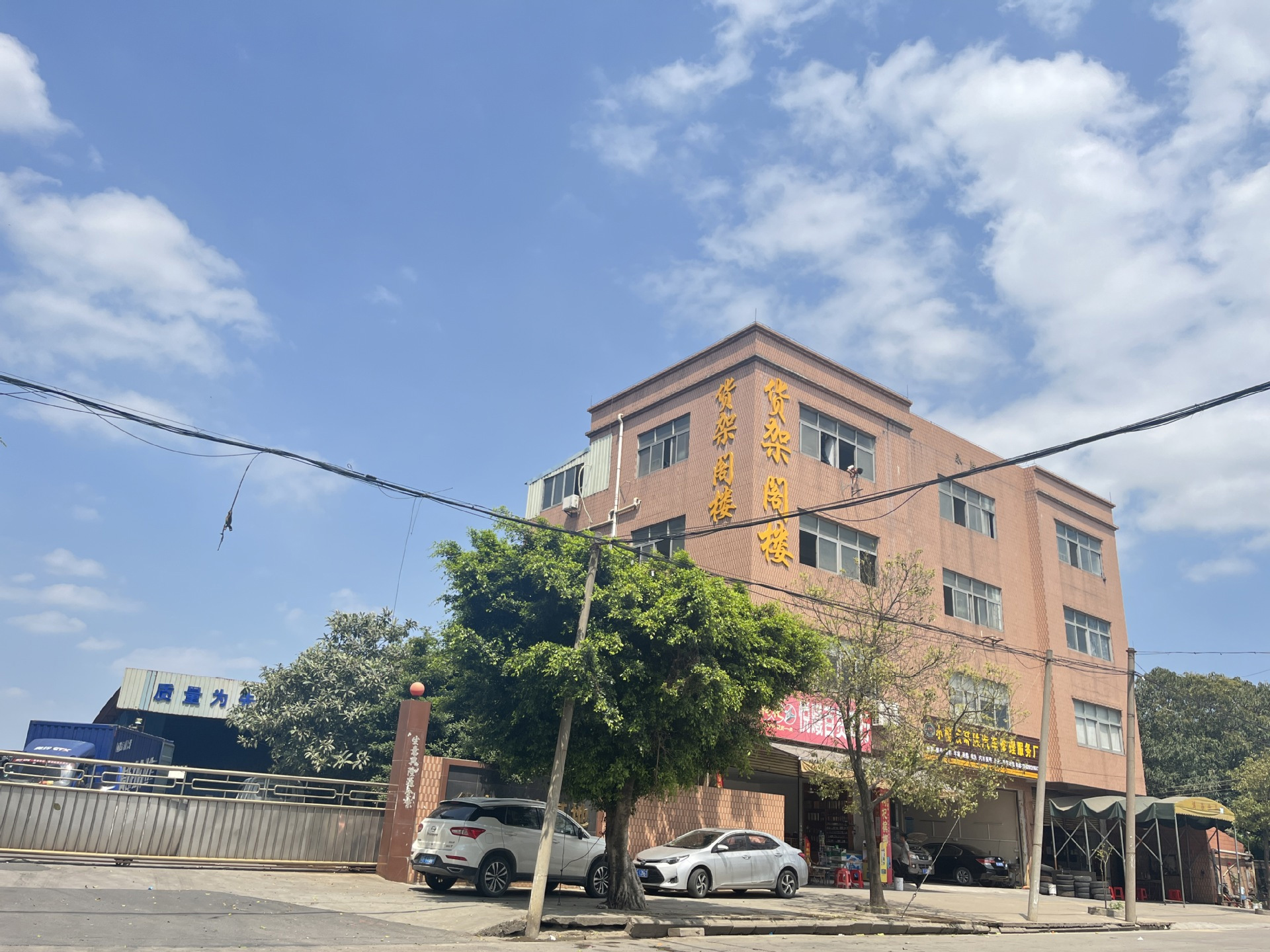
Established in 2015, Foshan Dinghui Intelligent Warehousing Technology Co., Ltd. is a leading manufacturer specializing in heavy-duty industrial storage racks, pallet racking systems, and automated warehouse solutions. Spanning a modern manufacturing base of 38,000 square meters, we bring together 12 years of industry experience and 8 years of direct global export expertise, generating an annual export revenue of over $25 million USD.
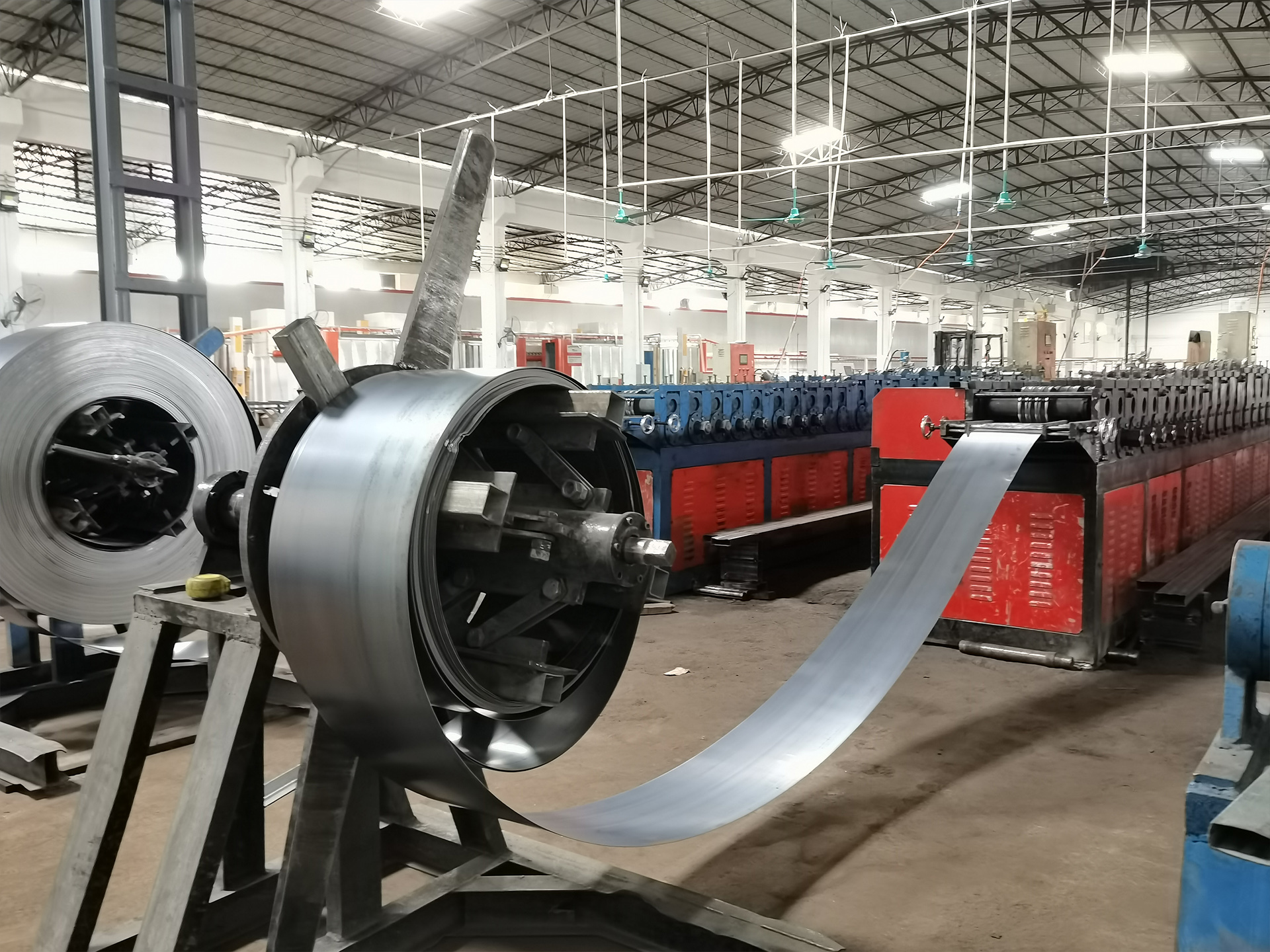
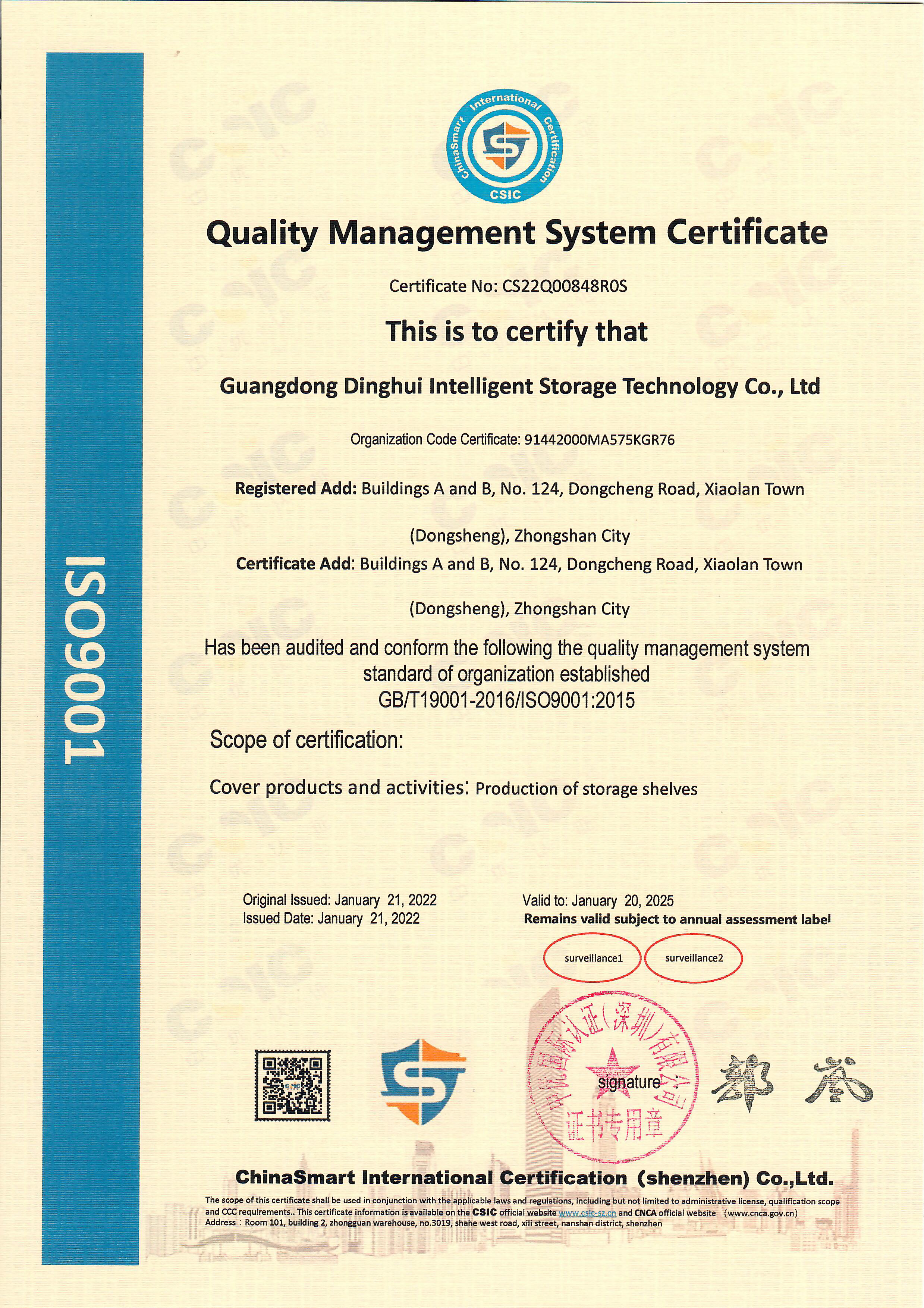
Equipped with advanced automated roll-forming and powder-coating production lines, our quality control procedures adhere to rigorous ISO 9001 and CE certification standards. We implement comprehensive product testing protocols, including raw material tensile testing, structural load-bearing simulation, powder coating adhesion tests, and weld non-destructive inspection (NDI). Supported by a dedicated 35-member QA/QC team, we ensure that every racking component strictly meets international safety and durability standards.
Operating with a strong international OEM/ODM trade background, our primary markets span North America, Europe, Southeast Asia, and the Middle East. Backed by a robust network of over 850 reliable supply chain partners, we serve a diverse global client base, including 3PL logistics providers, industrial warehouse operators, e-commerce fulfillment centers, and regional distributors.
Innovation and custom engineering drive our success. Supported by 18 experienced senior R&D engineers, we offer extensive OEM/ODM customization options, including tailored load capacities, custom dimensions, seismic-resistant structural design, special powder-coating finishes, and automated system integration. Driven by continuous technical improvement, we successfully launched 45 new product designs and structural upgrades last year, empowering our global partners to optimize their warehouse efficiency.
Ensuring smooth cross-border integration, safety certifications, and localized after-sales operations.
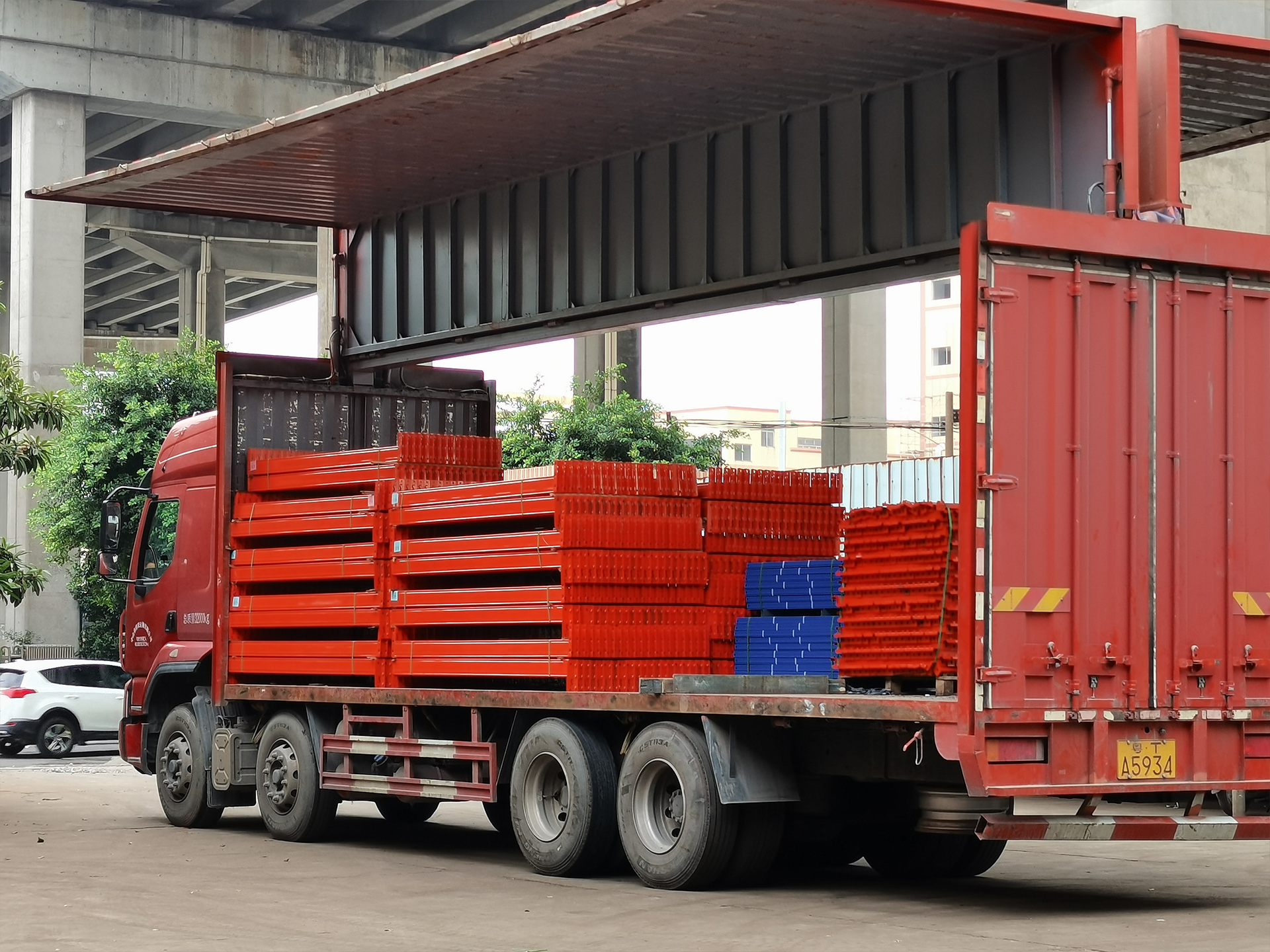
Navigating global supply chain logistics requires robust shipping optimization. All steel storage cages are shipped flat-packed (collapsed) to minimize oceanic container volume, saving up to 60% on freight costs compared to rigid structural containers. We offer regional customs clearance support, comprehensive shipping manifests, and detailed product instruction data sheets.
For custom industrial configurations, our engineering team provides remote installation consultation, structural load analysis reports, and dynamic warehousing layout simulation files (DWG/BIM formats) for system architects to integrate directly into active warehouse planning maps.
The engineering roadmap of warehouse storage solutions from 2025 to 2030.
Clear, technical answers to common B2B procurement questions regarding industrial storage cages.
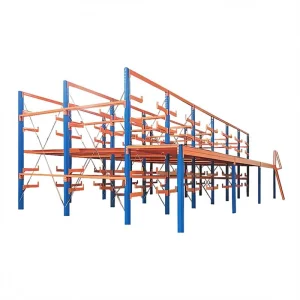
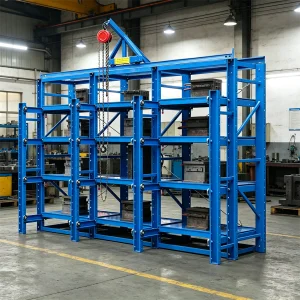
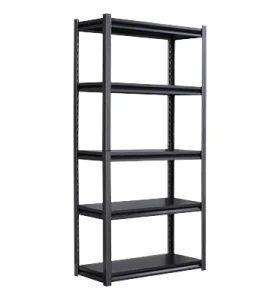
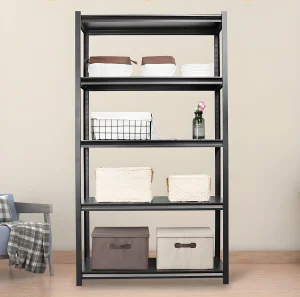
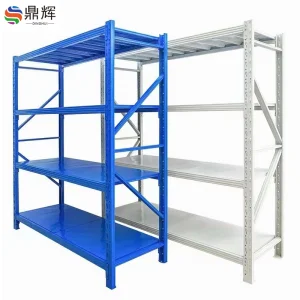
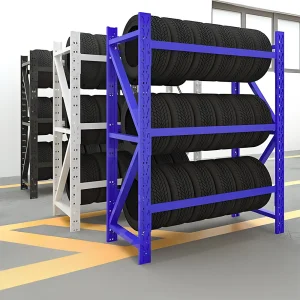
Complete your warehouse storage infrastructure with our high-durability, heavy-duty industrial shelving units.
 Dinghui Racking