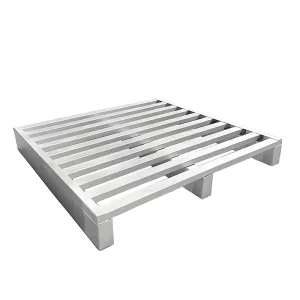
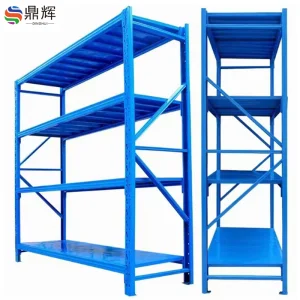
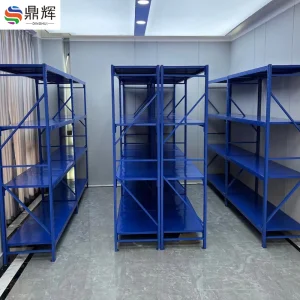
Discover our heavy-duty industrial storage racks, pallet racking systems, and custom logistical support products engineered to increase operational footprint efficiency.
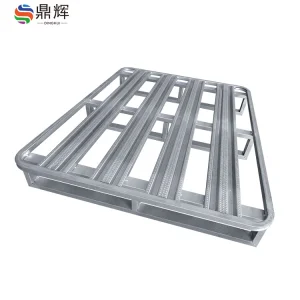

Foshan Dinghui Intelligent Warehousing Technology Co., Ltd. leads the industrial racking sector through technological innovation, standard compliance, and vertically integrated scale.
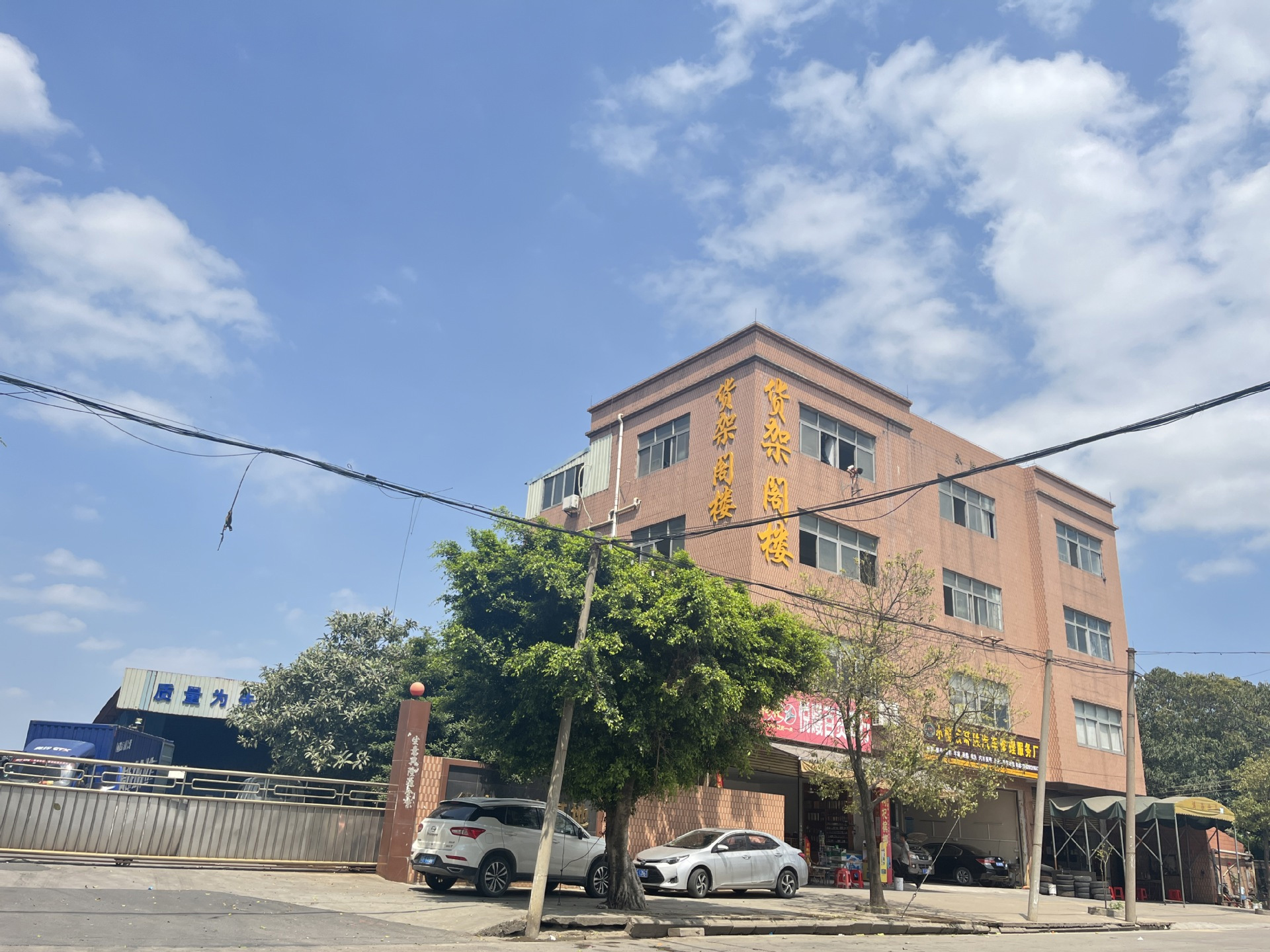
Established in 2015, Foshan Dinghui Intelligent Warehousing Technology Co., Ltd. is a leading manufacturer specializing in heavy-duty industrial storage racks, pallet racking systems, and automated warehouse solutions. Spanning a modern manufacturing base of 38,000 square meters, we bring together 12 years of industry experience and 8 years of direct global export expertise, generating an annual export revenue of over $25 million USD.
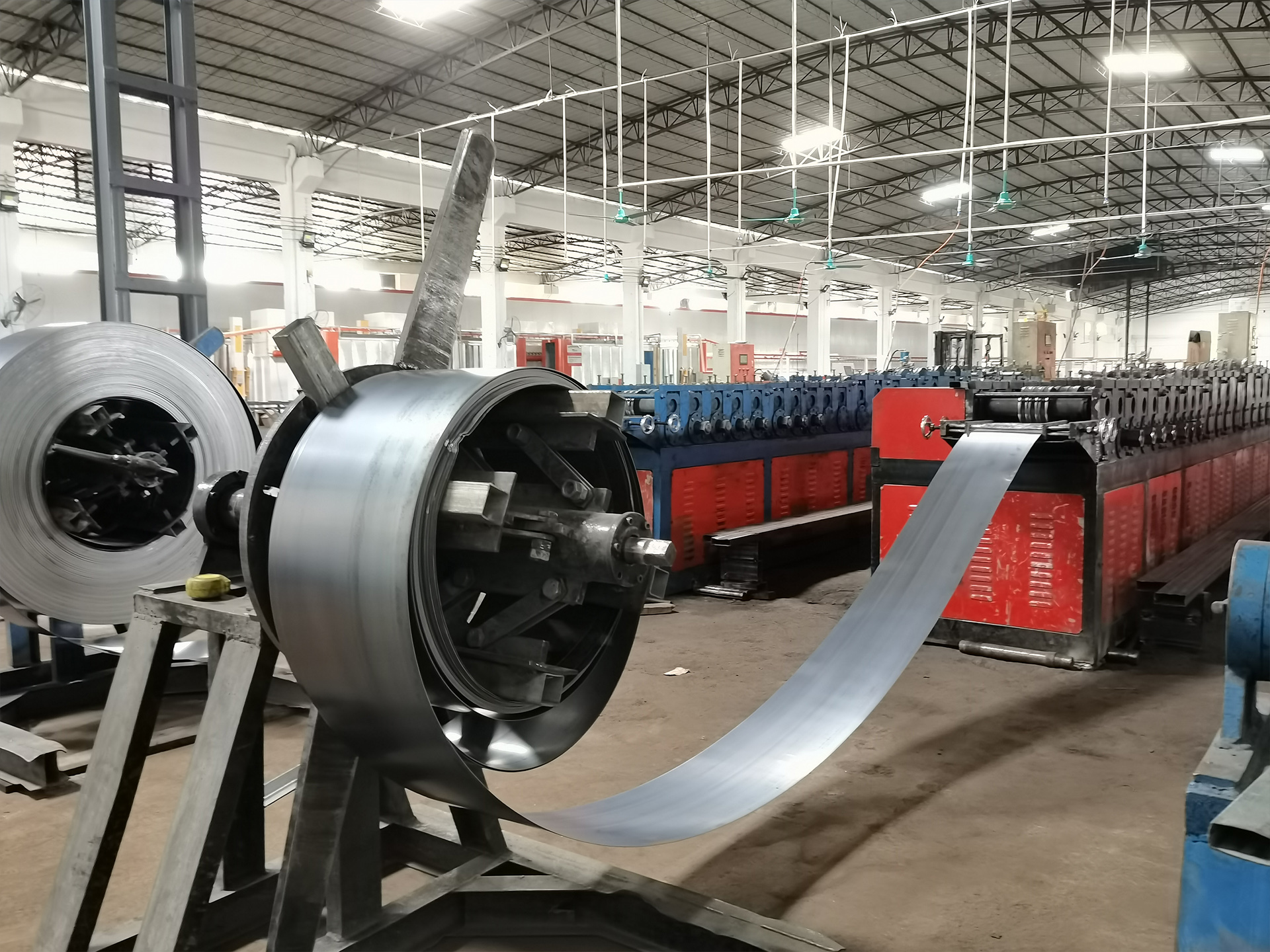
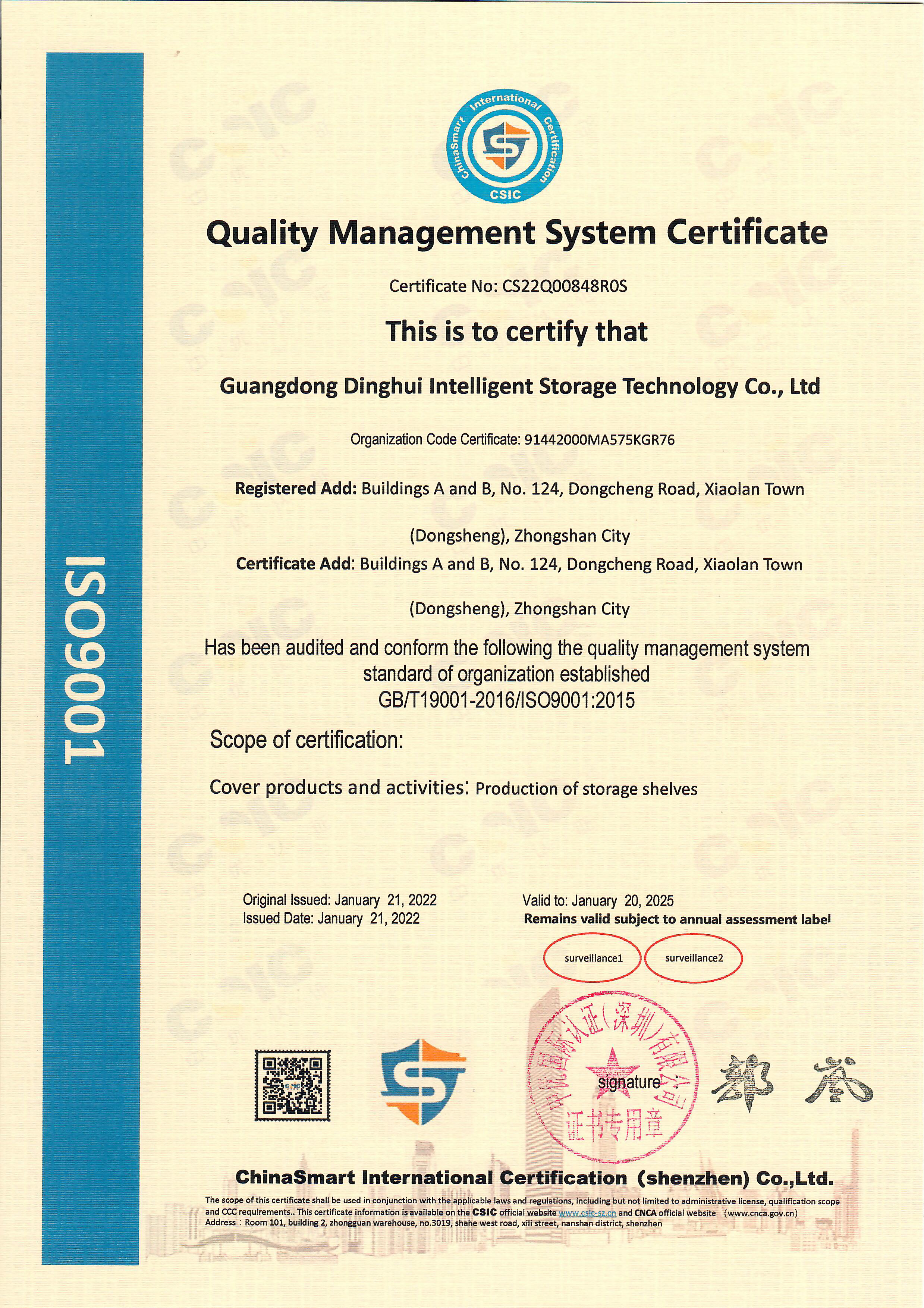
Equipped with advanced automated roll-forming and powder-coating production lines, our quality control procedures adhere to rigorous ISO 9001 and CE certification standards. We implement comprehensive product testing protocols, including raw material tensile testing, structural load-bearing simulation, powder coating adhesion tests, and weld non-destructive inspection (NDI). Supported by a dedicated 35-member QA/QC team, we ensure that every racking component strictly meets international safety and durability standards.
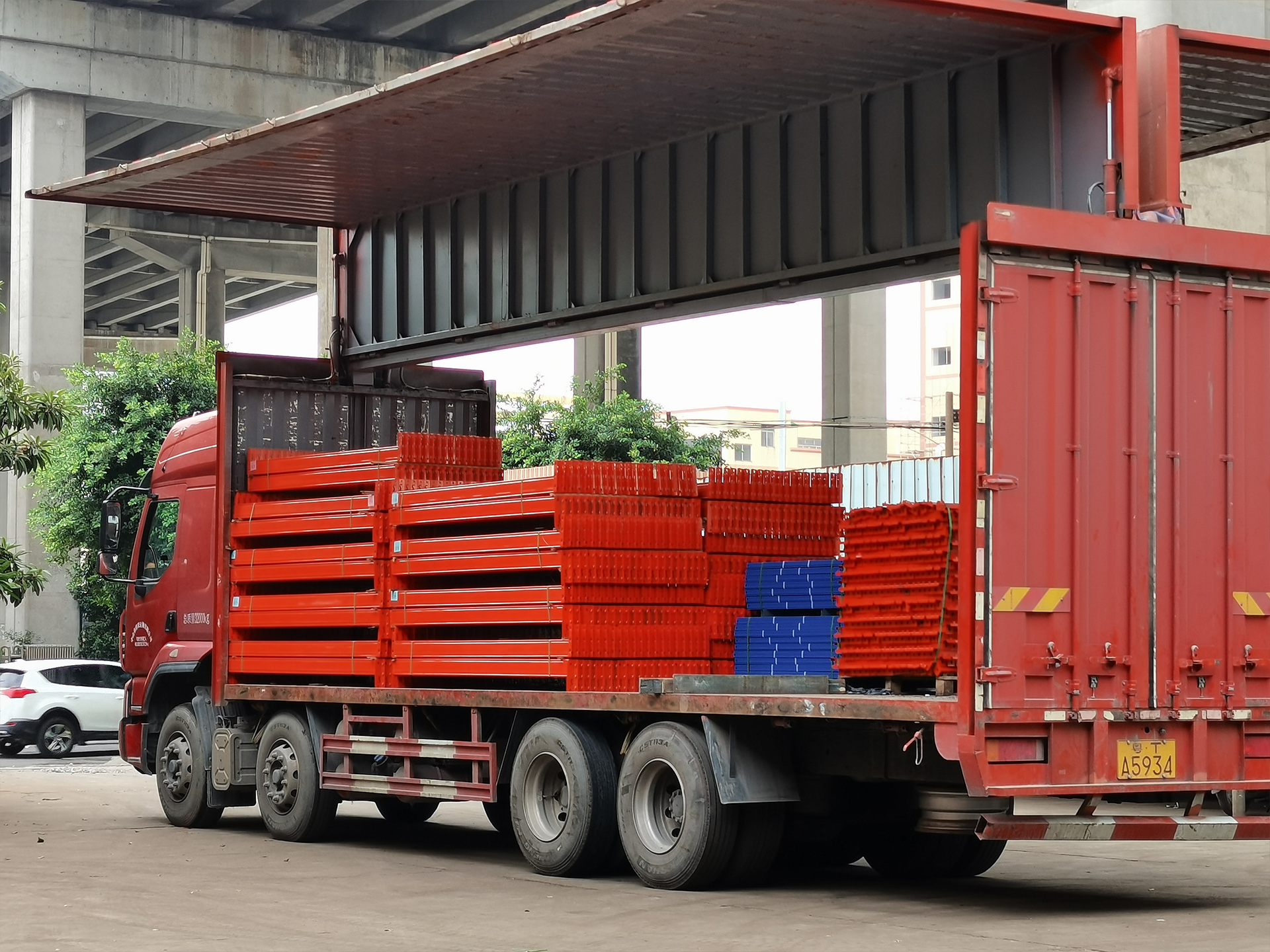
Operating with a strong international OEM/ODM trade background, our primary markets span North America, Europe, Southeast Asia, and the Middle East. Backed by a robust network of over 850 reliable supply chain partners, we serve a diverse global client base, including 3PL logistics providers, industrial warehouse operators, e-commerce fulfillment centers, and regional distributors.
Innovation and custom engineering drive our success. Supported by 18 experienced senior R&D engineers, we offer extensive OEM/ODM customization options, including tailored load capacities, custom dimensions, seismic-resistant structural design, special powder-coating finishes, and automated system integration. Driven by continuous technical improvement, we successfully launched 45 new product designs and structural upgrades last year, empowering our global partners to optimize their warehouse efficiency.
An authoritative deep dive into safety compliance, dynamic load factors, material fatigue, and structural design standards in modern material handling.
In modern distribution logistics, warehouse safety depends on the interaction between pallets and structural racking. Specifying these storage elements in isolation often leads to material failure, deflection overages, and safety hazards. Designers must treat the pallet and structural rack beam as an integrated engineering assembly. The mechanical performance of this system relies on the calculation of dynamic, static, and rackable load capacities.
Static load capacity represents the maximum uniform load a rack system can support when the weight is stationary. Dynamic load measures the system's resilience to shifts, forklift loading impacts, and deceleration forces. Rackable load is the ultimate stress metric—specifying the weight a pallet can carry across an open-span support rack without bowing. According to RMI (Rack Manufacturers Institute) and ANSI MH16.1 specifications, the deflection of pallet beams must be restricted to 1/240th of the clear span length (L/240) to prevent permanent steel fatigue and weld shearing.
| Steel Grade Code | Yield Strength (MPa) | Tensile Strength (MPa) | Standard Applications |
|---|---|---|---|
| Q235B (Standard Steel) | ≥ 235 | 370 - 500 | Standard racking frames, low-level shelving, light-duty frames. |
| Q355B (High Tensile) | ≥ 355 | 470 - 630 | Heavy-duty systems, dynamic drive-in designs, high-bay ASRS uprights. |
| DX51D (Galvanized) | ≥ 240 | 270 - 500 | Cold storage configurations, high-humidity outdoor applications. |
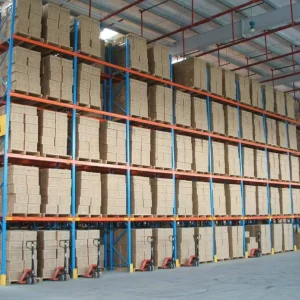
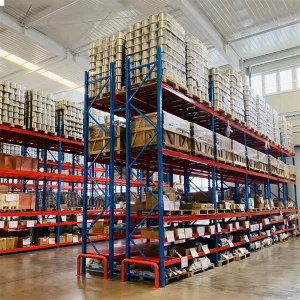
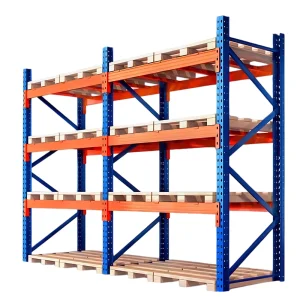
High throughput requires modular setups. Selective pallet racking systems allow 100% SKU accessibility, reducing picking delays and forklift transit paths.
Sub-zero environments require anti-corrosive, thermal-resistant materials. Cold-formed galvanized steel prevents structural failure caused by moisture and frost build-up.
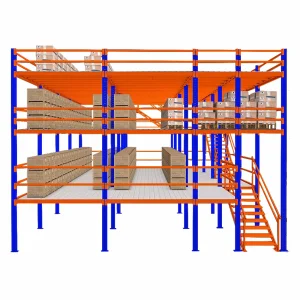
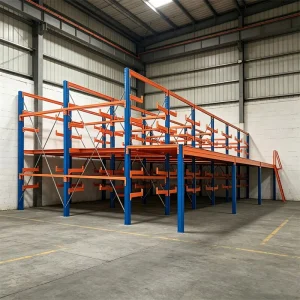
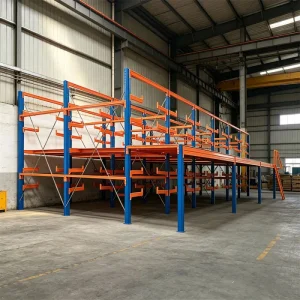
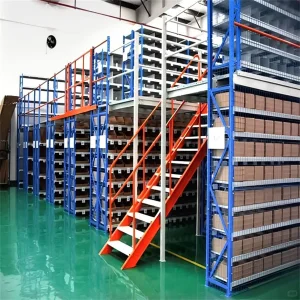
Multi-tier mezzanine floor systems utilize vertical airspace. Combining heavy-duty shelf support with integrated conveyors optimizes dynamic picking processes.
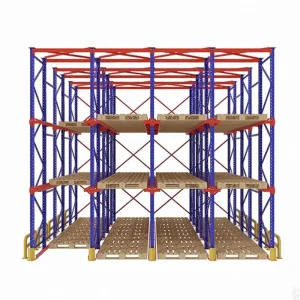
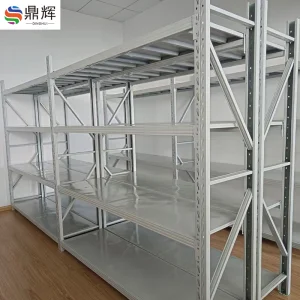
Industrial warehousing is shifting from passive storage systems to automated, intelligent structures. Modern operations require custom configurations to maximize efficiency:
Procuring structural warehouse components globally requires adherence to international safety standards. Racking installations must satisfy regulatory requirements like ANSI MH16.1 in North America, EN 15512 in Europe, and AS 4084 in Australia. In seismic regions, structural columns require engineered calculations that account for local acceleration factors. Selecting products from a manufacturer with a dedicated 35-member QA/QC team ensures that structural raw materials undergo tensile testing, welding non-destructive inspection (NDI), and load-bearing simulation prior to export.
How Foshan Dinghui ensures durability, reliability, and code compliance across all structural fabrication lines.
Every batch of Q235B and Q355B structural steel undergoes rigorous hydraulic pull testing. We confirm yield stress and elongation metrics match mill test sheets before starting fabrication.
Critical weld points on upright baseplates and beam connectors undergo ultrasonic and magnetic testing to ensure continuous penetration and prevent shear failures.
We perform cross-hatch adhesion and salt spray tests to ensure our electrostatic coatings prevent rust, even in humid maritime shipping conditions.
Professional insights on industrial structural design, installation, procurement, and site planning.
Engineered to support heavy logistics loads, optimize overhead space, and maintain long-term structural integrity.
 Dinghui Racking