Modern industrial operations require dynamic storage optimization strategies that traditional systems cannot support. In the global logistics and warehousing sector, managing oversized, high-density, or irregularly shaped assets presents significant structural challenges. Traditional selective pallet racking lacks the horizontal freedom to safely store steel pipes, timber packs, industrial tubes, and prefabricated structural steel components.
Foshan Dinghui Intelligent Warehousing Technology Co., Ltd. resolves these spatial inefficiencies. We design, manufacture, and export heavy-duty cantilever racking and cantilever-supported mezzanine floor systems. These systems eliminate the need for front-upright vertical barriers, allowing for seamless horizontal loading and a substantially increased volumetric storage capacity.
Engineered for long-span materials, maximum load-bearing capacities, and high-density industrial logistics operations.
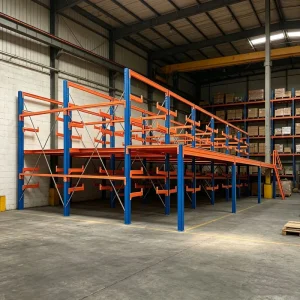
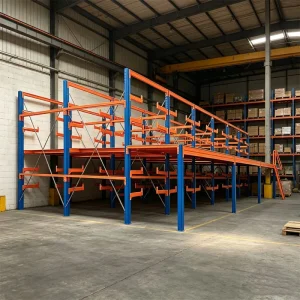
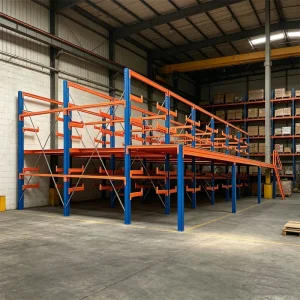
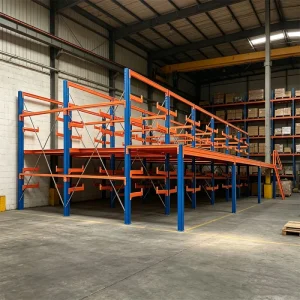
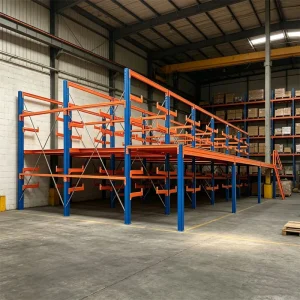
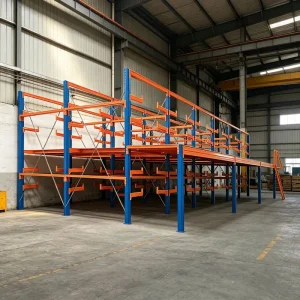
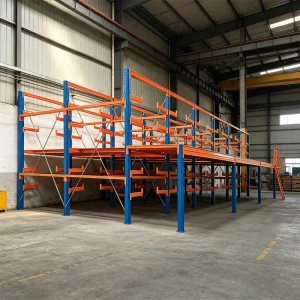
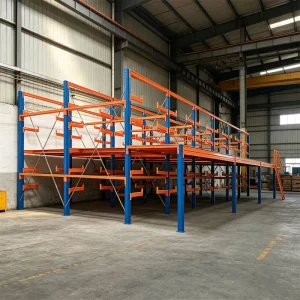
Global supply chains face high land acquisition costs and rising industrial leasing rates. Industrial operators can no longer expand warehouse footprints outwards to increase capacity. Instead, they must optimize vertical space within their existing building footprints. Modern warehouses use vertical height to maximize storage efficiency and lower overhead costs.
For industries handling long-span products like steel rods, lumber bundles, copper tubing, or metal sheeting, standard pallet racks are insufficient. Without a continuous support surface free of structural obstructions, operations risk material damage and workplace safety hazards. This is particularly true during forklift maneuvering or dynamic loading cycles.
"By removing the aisle-side vertical columns, cantilever-designed uprights allow cranes and forklift trucks to load long materials directly onto horizontal support arms. This configuration increases spatial yield by up to 65% and reduces loading times compared to standard floor stacking or vertical storage pigeon-holes."
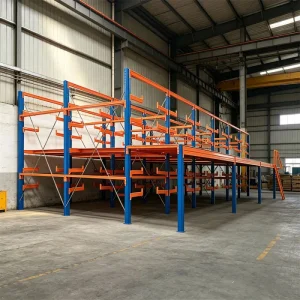
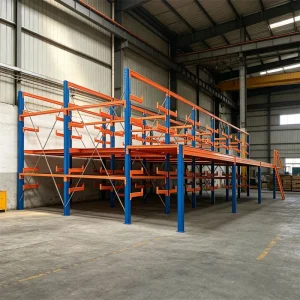
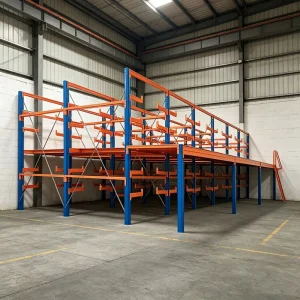
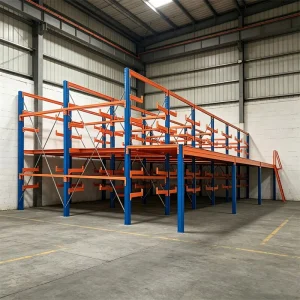
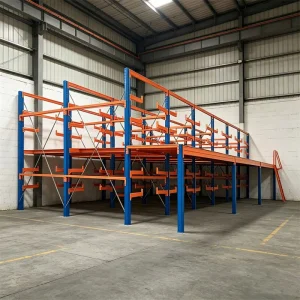
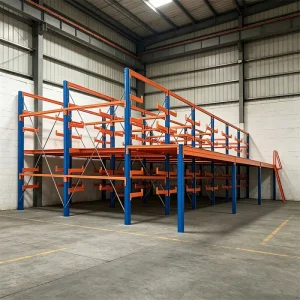
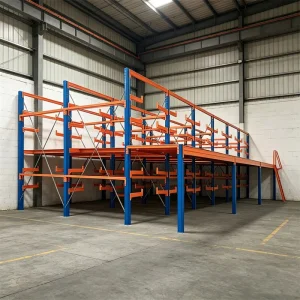
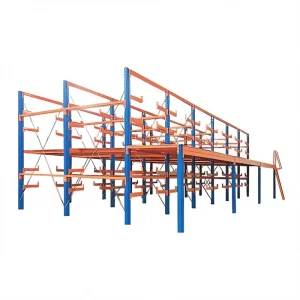
Additionally, incorporating high-capacity mezzanine floor systems on top of cantilever structures enables multi-tiered logistics layouts. Heavy materials are stored securely in lower cantilever columns, while upper mezzanine decks serve as assembly floors, bulk storage yards, or e-commerce packing hubs. This hybrid design maximizes warehouse efficiency and helps operators optimize their vertical space.
Deep engineering standards that enable high performance under heavy static loads.
We build our upright columns and horizontal load arms using Q355B cold-rolled structural steel. This high-yield-strength alloy provides the tensile strength required to resist structural deformation, load deflection, and seismic stress in heavy-duty applications.
Our heavy-duty connector arms feature a dynamic pin-locking adjustment system. This system allows technicians to adjust rack heights in 75mm or 100mm increments, quickly adapting the storage layout to changing inventory sizes without compromising structural capacity.
Components undergo an automated multi-stage pretreatment wash before receiving an electrostatic powder-coated finish. This process creates a resilient barrier against impact, mechanical abrasion, moisture, chemical exposure, and rust.
Designing safe cantilever structures requires careful calculation of load distribution. Because cantilever arms project outward from a single vertical upright tower, they must withstand significant bending moments and torsional forces. Our engineers calculate loading dynamics using finite element analysis (FEA) software. This ensures our designs maintain safety factors that meet or exceed industry standards (such as ANSI/RMI MH16.1).
A critical design metric is the deflection limit, typically set at L/300 (where arm deflection under full load cannot exceed 1/300th of the arm length). Controlling deflection helps prevent stored inventory from sliding off the arms and avoids localized stresses that can lead to structural failure. We also integrate safety pins, end-stops, and load-retention lips to secure round materials like pipes and shafts.
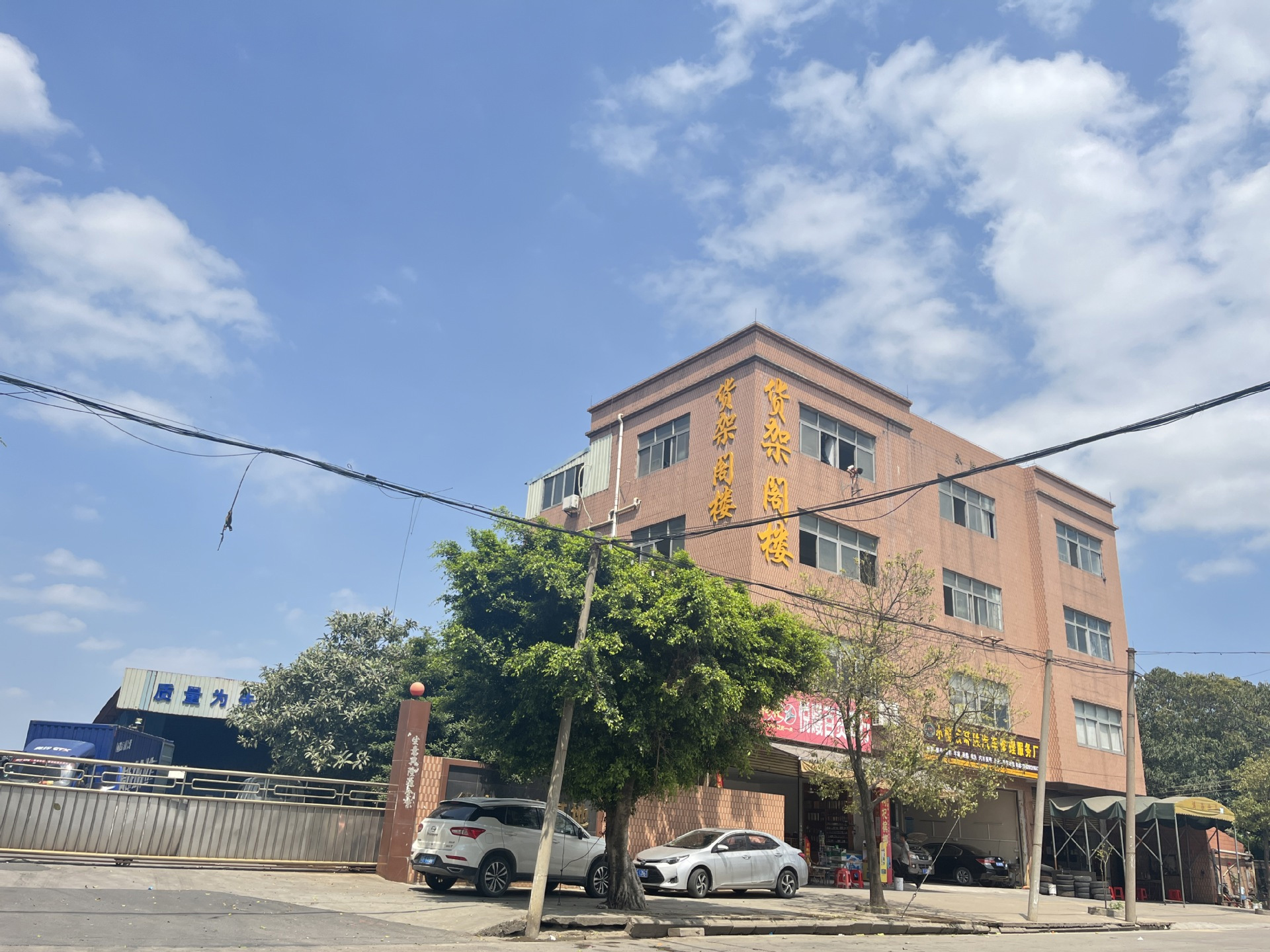
Established in 2015, Foshan Dinghui Intelligent Warehousing Technology Co., Ltd. is an industrial manufacturer specializing in heavy-duty industrial storage racks, pallet racking systems, and automated warehouse solutions. Spanning a modern manufacturing base of 38,000 square meters, we bring together 12 years of industry experience and 8 years of direct global export expertise, generating an annual export revenue of over $25 million USD.
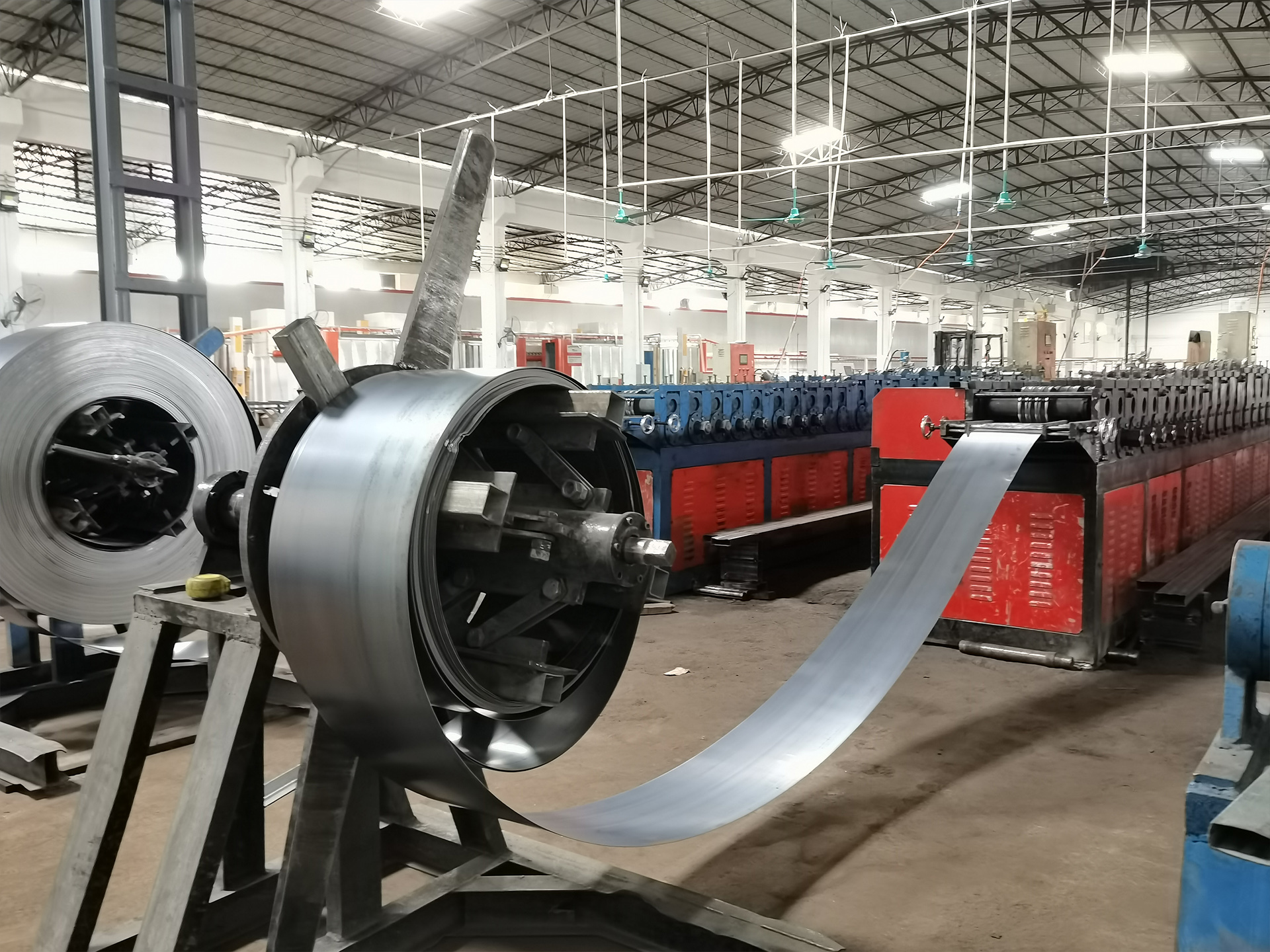
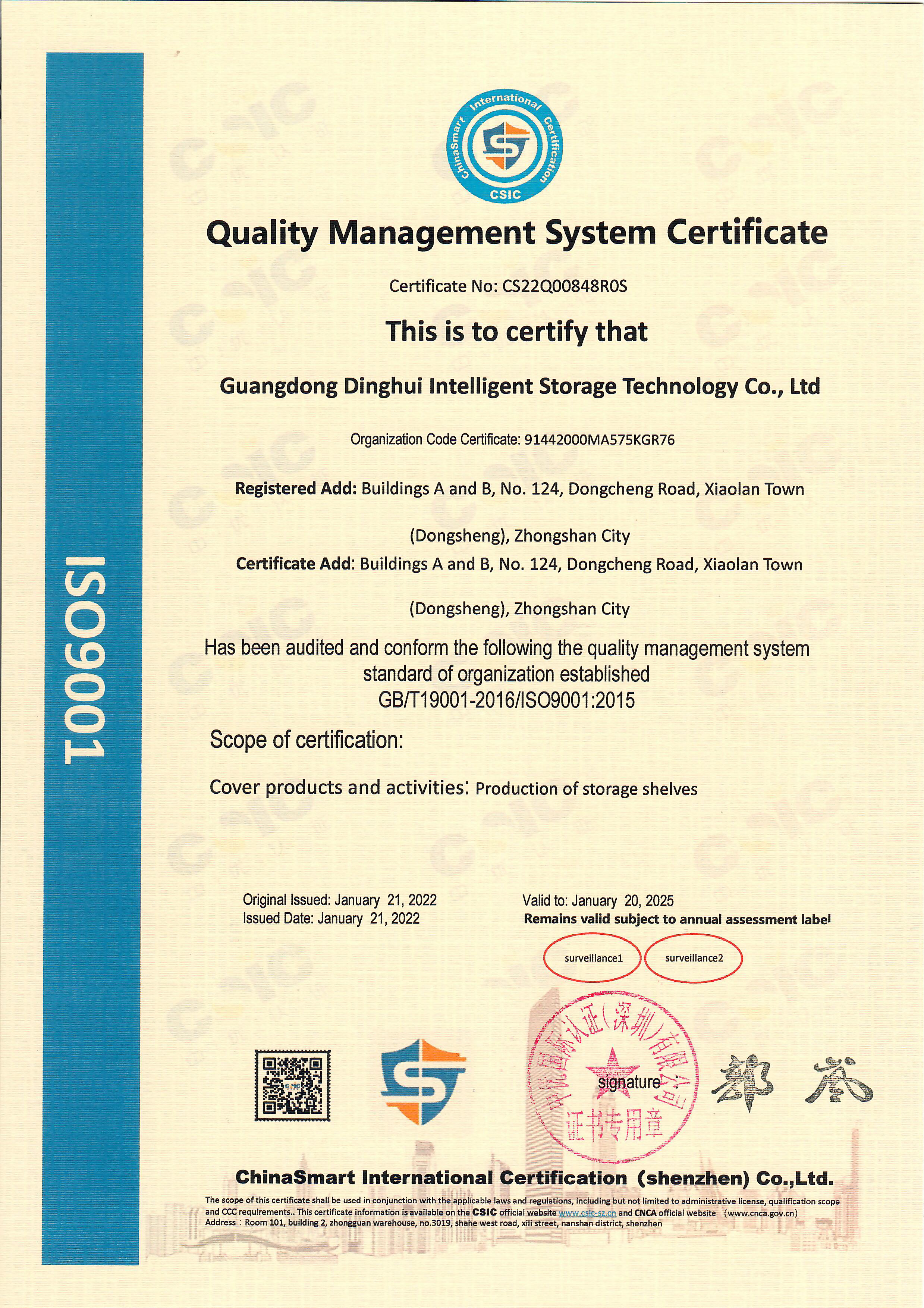
Equipped with advanced automated roll-forming and powder-coating production lines, our quality control procedures adhere to rigorous ISO 9001 and CE certification standards. We implement comprehensive product testing protocols, including raw material tensile testing, structural load-bearing simulation, powder coating adhesion tests, and weld non-destructive inspection (NDI). Supported by a dedicated 35-member QA/QC team, we ensure that every racking component strictly meets international safety and durability standards.
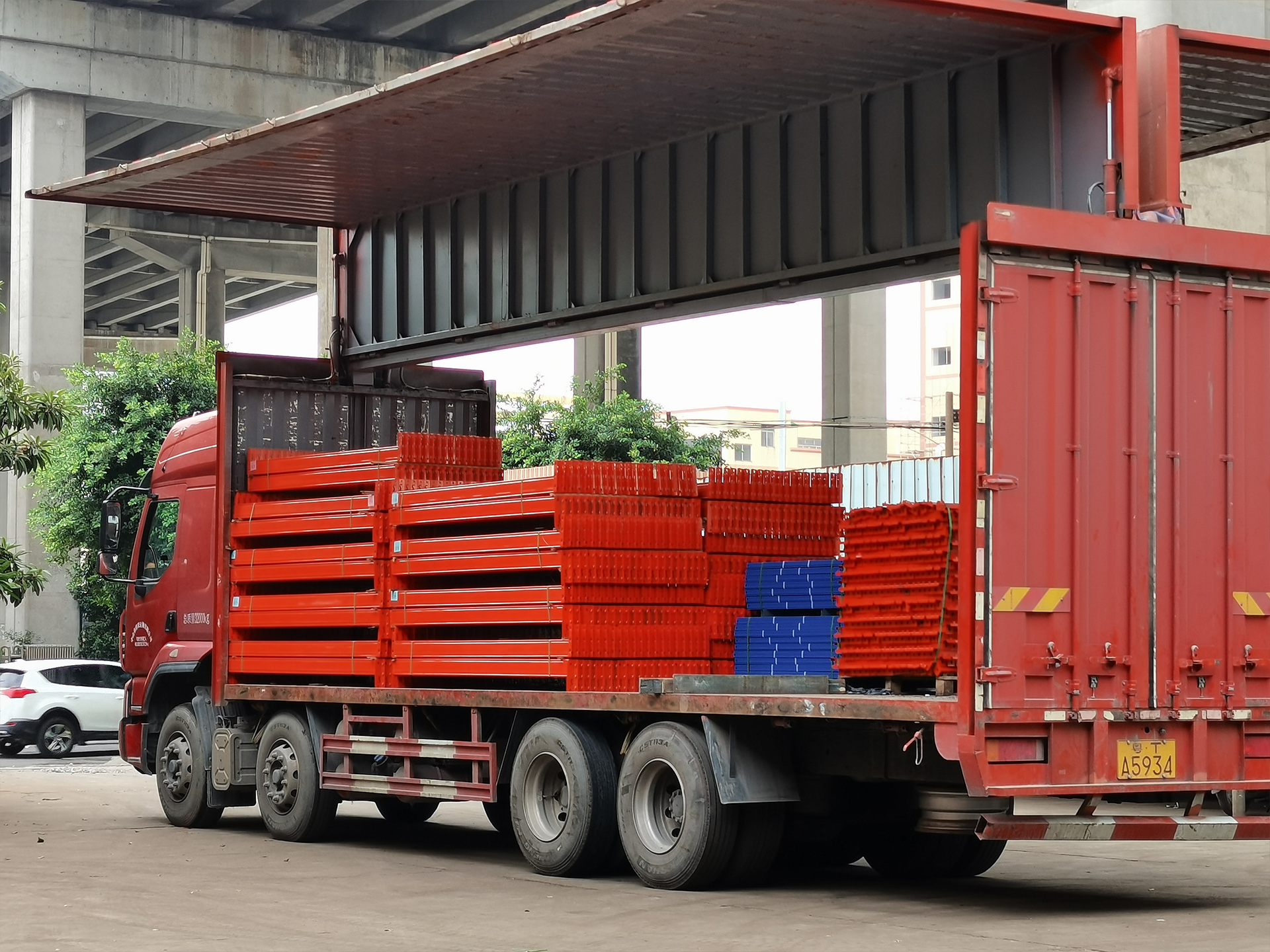
Operating with a strong international OEM/ODM trade background, our primary markets span North America, Europe, Southeast Asia, and the Middle East. Backed by a robust network of over 850 reliable supply chain partners, we serve a diverse global client base, including 3PL logistics providers, industrial warehouse operators, e-commerce fulfillment centers, and regional distributors.
Innovation and custom engineering drive our success. Supported by 18 experienced senior R&D engineers, we offer extensive OEM/ODM customization options, including tailored load capacities, custom dimensions, seismic-resistant structural design, special powder-coating finishes, and automated system integration. Driven by continuous technical improvement, we successfully launched 45 new product designs and structural upgrades last year, empowering our global partners to optimize their warehouse efficiency.
How industrial operations configure cantilever and mezzanine systems for specific long-form payloads.
Heavy-duty, high-load configurations designed to store heavy structural beams, channels, bar stock, and metal tubes. The open structural design of these racks enables rapid loading and unloading using overhead bridge cranes or side-loader forklifts.
Wide vertical upright spacing supports timber packs, plywood sheets, drywall boards, and PVC conduit bundles. Adjustable arm heights allow facilities to quickly adjust rack spacings as stock levels change throughout the year.
Heavy-duty systems configured to store automotive chassis components, long machinery axles, structural tubes, and tooling dies. These racks can also be integrated into multi-level assemblies with mezzanine floor walkways.
Industrial warehouse safety requires strict compliance with regional structural engineering standards. Selecting generic racking systems without verifying their load ratings or structural details can lead to system failures, regulatory fines, and safety hazards. Foshan Dinghui designs and manufactures its racking solutions to meet international compliance frameworks.
For North American markets, our designs comply with the structural requirements of the ANSI/RMI MH16.1 standard (Specification for the Design, Testing and Utilization of Industrial Steel Storage Racks). For European projects, our systems are engineered to meet the structural calculation standards of EN 15512 and the operational safety guidelines of EN 15635.
Additionally, all raw steel shipments undergo thorough mechanical tensile testing before processing. Our structural designs are also analyzed using Finite Element Method (FEM) software. This enables us to design and supply custom structural rack bases and upright bracing patterns for installations in high-seismic zones (such as dynamic soil ratings in UBC Zone 3 or Zone 4 regions).
As warehousing moves toward increased automation, traditional manual loading storage systems are adapting. Foshan Dinghui’s R&D department is focused on integrating structural cantilever designs with semi-automated stacker crane systems, radio shuttle platforms, and automated guided vehicles (AGVs).
Our latest generation of heavy-duty racks is designed to integrate with automated storage and retrieval systems (AS/RS). By manufacturing column arrays with tight height tolerances (within +/- 1.5mm), we ensure that automated picker mechanisms can operate smoothly, preventing misaligned lifts or system faults.
Additionally, we are developing sensor-equipped cantilever arms that use low-power IoT strain gauges to monitor loading stresses in real time. These sensors notify logistics managers of loading imbalances or deflections that exceed safe limits, preventing structural damage before it occurs.
Answers to common structural, compliance, and design questions for logistics and facility managers.
Select configurations for heavy manufacturing yards, lumber storage, and long-load logistics centers.
 Dinghui Racking