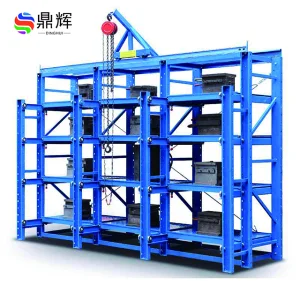
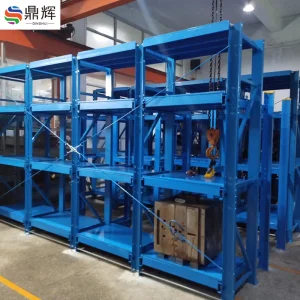
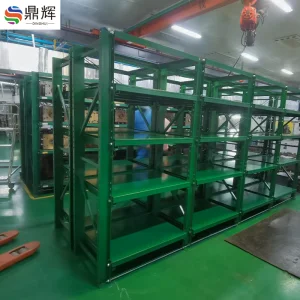
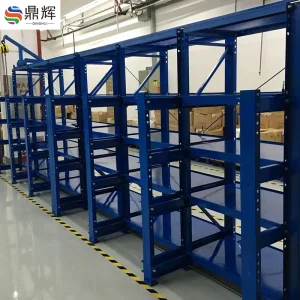
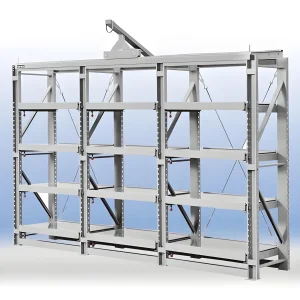
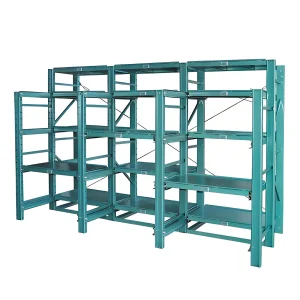
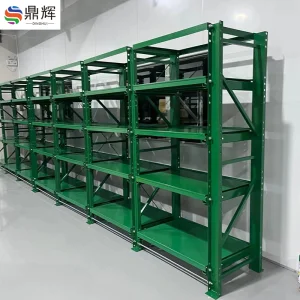
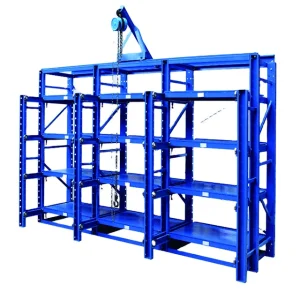
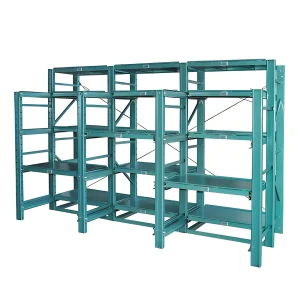
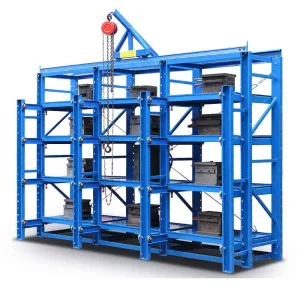
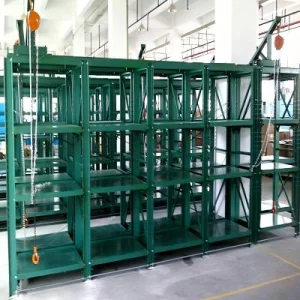
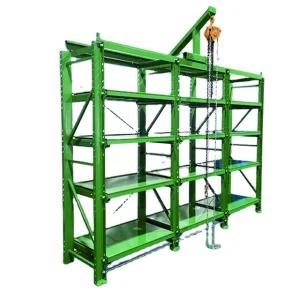
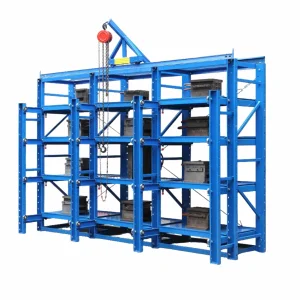
Discover our highly-engineered heavy-duty sliding drawer systems, custom racks, and high-density warehouse configurations designed to optimize injection molds and stamping dies storage.
In modern high-capacity manufacturing complexes, injection molding tools, sheet metal stamping dies, and custom casting molds constitute the backbone of production tooling. These industrial molds represent millions of dollars in capital investment and demand optimal physical storage strategies. The emergence of Smart Manufacturing, lightweight automotive design, and sophisticated plastic injection molding processes has driven the demand for high-capacity, safe, and space-saving vertical shelving solutions.
Global logistics footprints are shrinking in terms of floor-space-to-volume ratios. Advanced facilities require systems that protect heavy tools from humidity, physical impacts, and contamination while ensuring the workspace complies with absolute safety directives. The implementation of heavy-duty, rolling-drawer systems allows plant engineers to transition from horizontal space-wasting layouts to high-density vertical systems, yielding up to a 75% increase in usable workspace footprint.
"Optimizing tooling access times is no longer just about convenience; it is a critical metric of manufacturing efficiency (SMED - Single-Minute Exchange of Die). Our engineered racking solutions protect assets while cutting changeover downtime in half."
Across key industrial clusters in North America, Western Europe, and Southeast Asia, strict occupational safety frameworks dictate that manual handling of objects over 25 kilograms must be minimized. Consequently, integrating specialized heavy-duty racks equipped with built-in overhead crane runways or full-extraction sliding mechanisms is critical to meeting statutory ergonomics regulations while mitigating catastrophic workplace hazards.
Our structural engineering pedigree, global manufacturing capabilities, and export credentials by the numbers.
Heavy-duty mold storage rack manufacturing relies heavily on physics and material science. Uncompromised safety requires high-grade structural steel (typically Q235B or Q355B cold-rolled steel profiles) and precision stamping. High load capacities—often exceeding 1,000kg to 3,000kg per shelf or drawer—create significant static loading stress points. To prevent fatigue failure, structural calculation methodologies must utilize Finite Element Method (FEM) analysis during design validation stages.
| Design Classification | Standard Drawer Extraction | Maximum Payload Capacity | Standard Safety Factors | Common Target Applications |
|---|---|---|---|---|
| Semi-Extraction Drawer | 50% - 60% Slide-out | Up to 1,500 kg per level | 1.5 x Static Limit | Automotive tool components, mid-size plastic molds |
| Full-Extraction Drawer | 95% - 100% Slide-out | Up to 3,000 kg per level | 1.65 x Dynamic Limit | Heavy forging dies, progressive stamping modules |
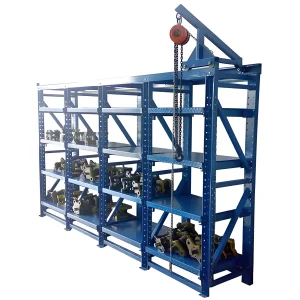
| Hoist Crane Integrated Rack | Variable Slide-out | Up to 2,000 kg per level | 1.5 x Structural Limit | Independent tool rooms, standalone injection setups |
Heavy dies must be retrieved without putting workers at risk or dropping load centers of gravity. Full-extraction racking relies on heavy-duty bearing rails and slide guides. To combat the extreme bending moments induced by pulling a 2-tonne load out of a rigid frame structure, our design implements structural back bracing, thick upright punchings, and automated mechanical safety interlocks. These interlocking pins ensure that only one drawer can be pulled out at any given time, completely preventing the tipping hazards associated with dynamic center-of-gravity shifts.
Originally established in 2015, Foshan Dinghui Intelligent Warehousing Technology Co., Ltd. has evolved into a global titan in industrial logistics. Our state-of-the-art manufacturing infrastructure spans a modern manufacturing base of 38,000 square meters, utilizing automated roll-forming machines, advanced robotic welding clusters, and automated electro-static powder-coating lines. With 12 years of industry experience and 8 years of direct global export expertise, we consistently support critical storage infrastructures globally, producing an annual export revenue of over $25 million USD.
Our quality assurance program is built around total reliability. All design, raw material sourcing, fabrication, and surface treatment protocols adhere strictly to ISO 9001 and CE certification standards. Our quality team of over 35 QA/QC professionals guarantees zero structural failure rates by enforcing comprehensive testing protocols:
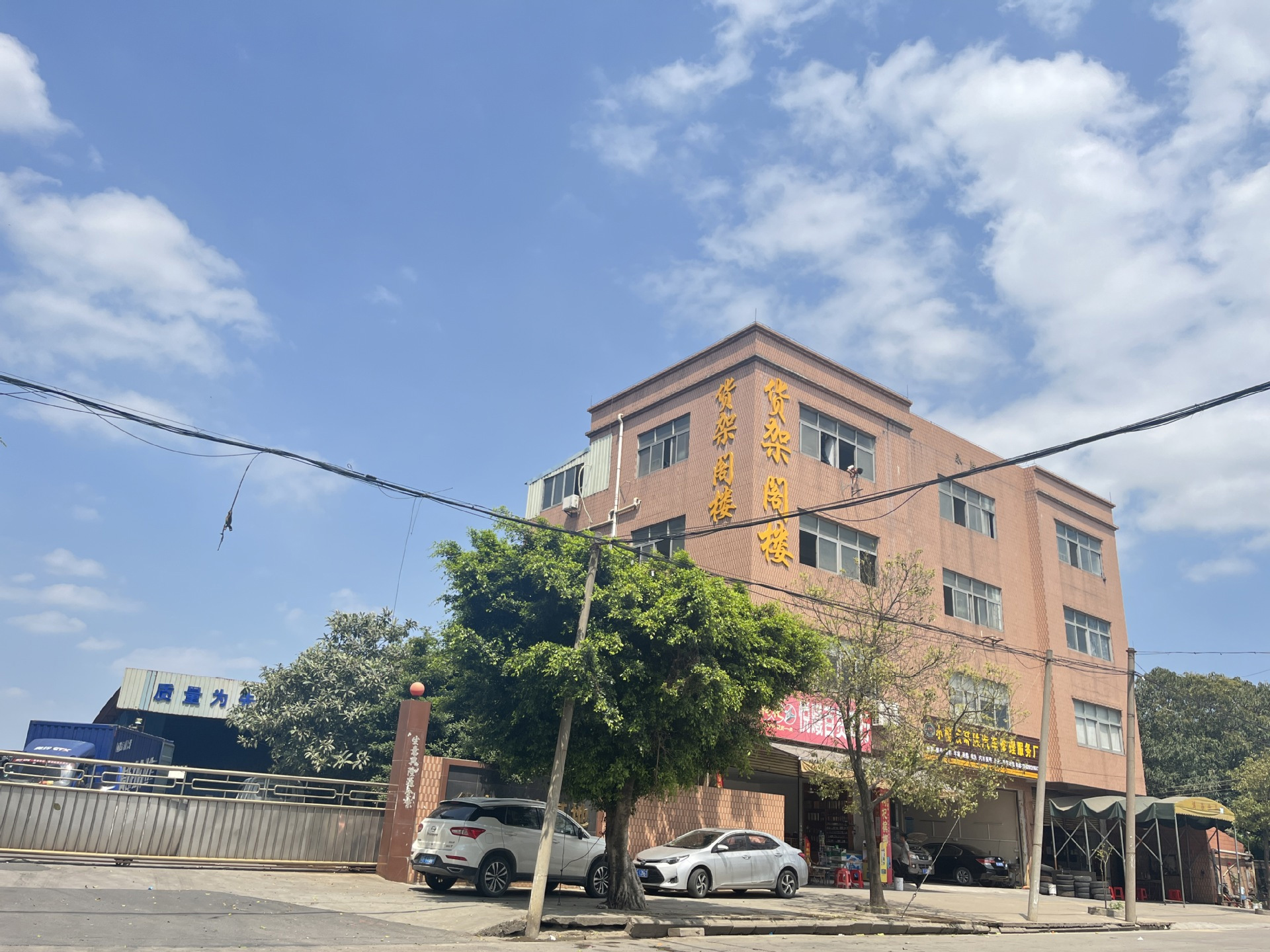
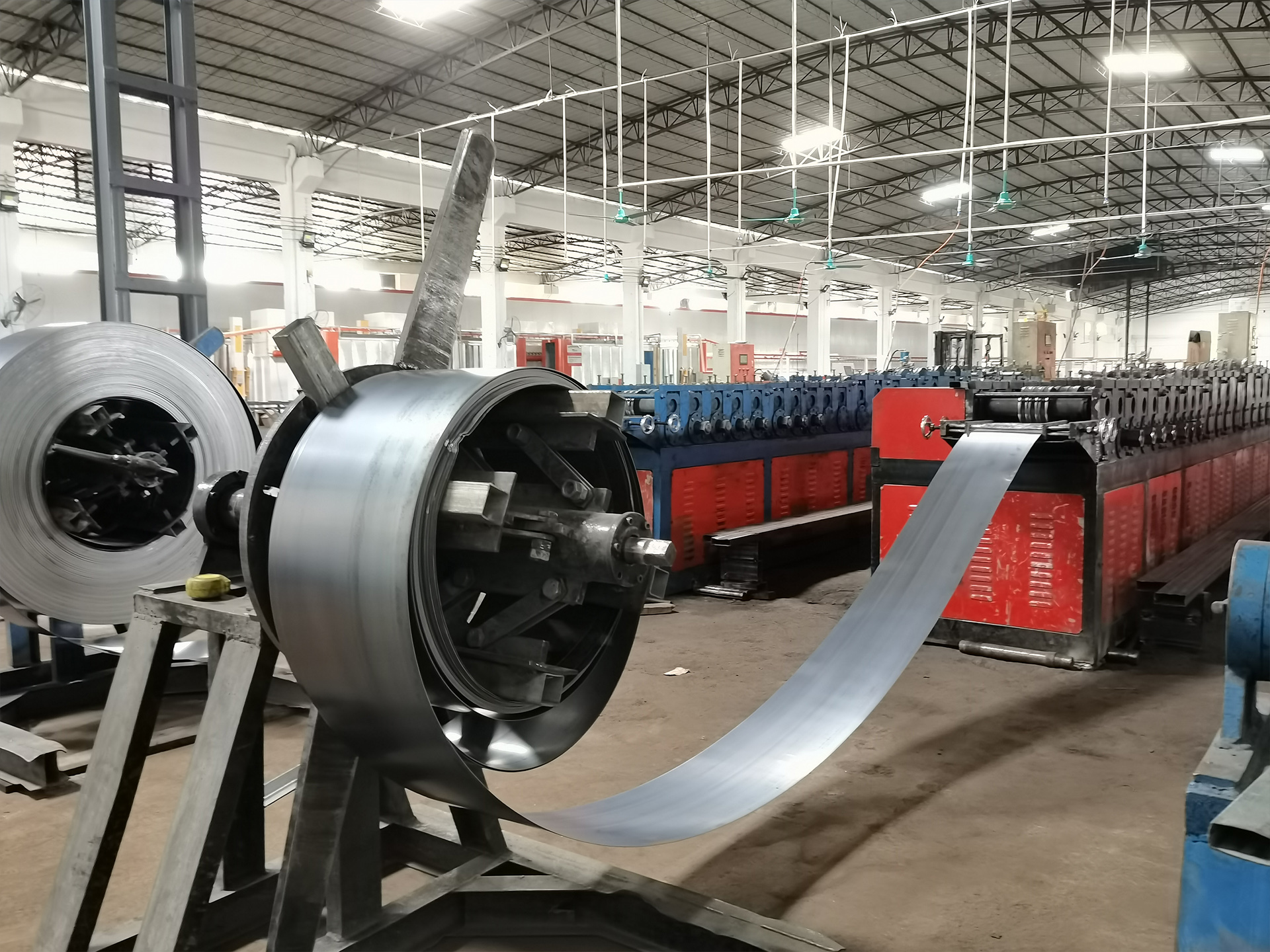
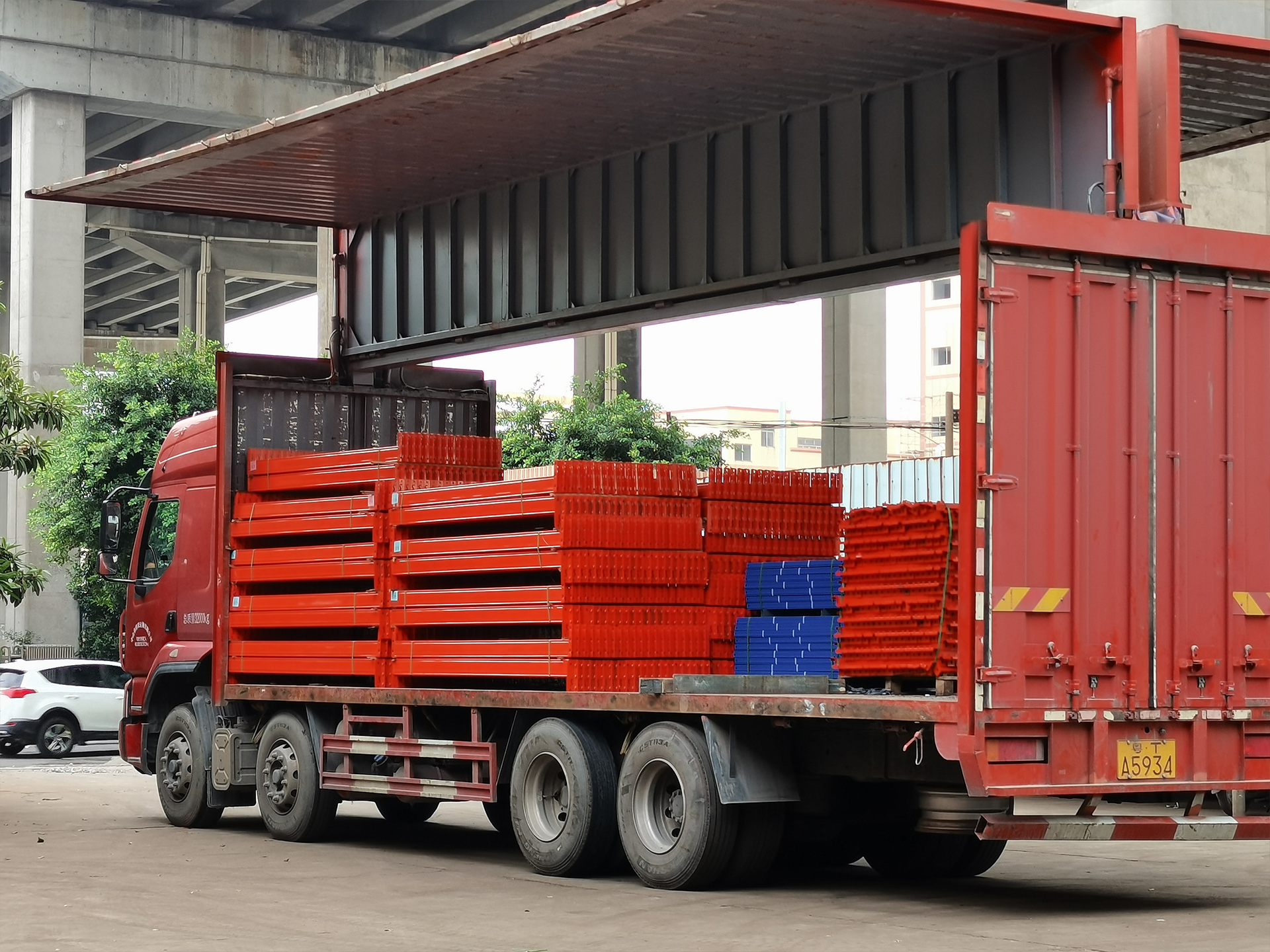
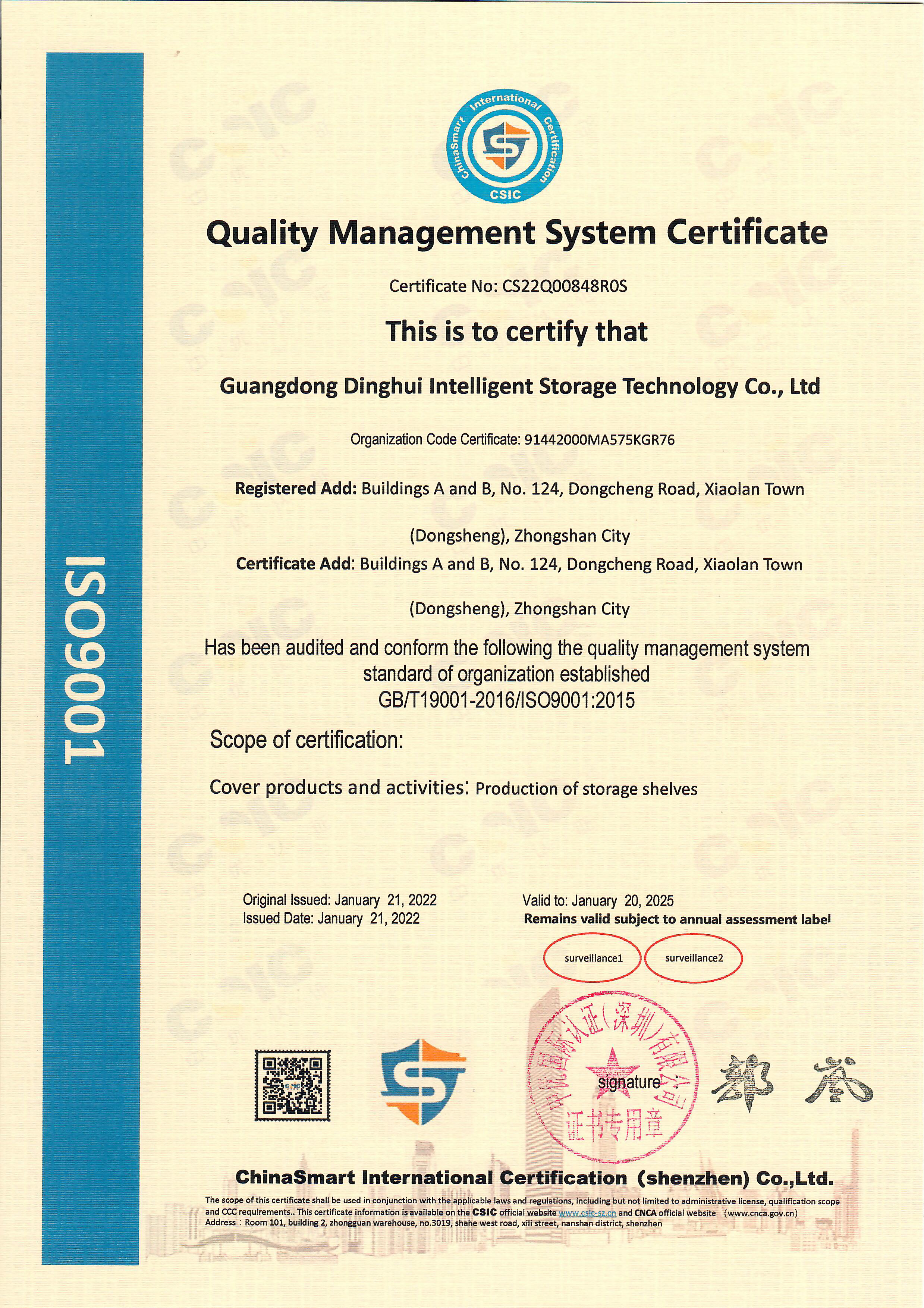
Operating with a deep international OEM/ODM trade background, our main markets span North America, Europe, Southeast Asia, and the Middle East. Supported by a robust network of over 850 reliable supply chain partners, we serve a diverse global client base, including 3PL logistics providers, industrial warehouse operators, e-commerce fulfillment centers, and regional distributors. Backed by 18 experienced senior R&D engineers, we offer extensive OEM/ODM customization options, including tailored load capacities, custom dimensions, seismic-resistant structural design, special powder-coating finishes, and automated system integration. Our dedication to design advancement led to 45 new product designs and structural upgrades last year, empowering our global partners to optimize their warehouse efficiency.
We integrate advanced mechanical systems with digital tracking technology to pioneer future-ready industrial toolrooms.
Integrating RFID sensors and smart LED guides directly onto drawer edges. Digital software tracks die usage, storage status, and weight measurements to streamline tooling inventory checks in real time.
Replacing mechanical safety latches with pneumatic control networks. Electronic interlocks prevent drawers from rolling open during operational crane loading or seismic disruptions.
Built-in, low-friction overhead crane frameworks allow operators to effortlessly move, position, and transition molds from storage modules to machinery bays without external forklifts.
Operating internationally requires strict alignment with localized warehouse safety codes. Our engineering team designs all racking configurations to meet regional structural specifications:
To assist in global rollouts, Foshan Dinghui provides comprehensive technical installation guidelines, structural calculation sheets, and customized engineering drawings. This streamlines the municipal permitting process for major industrial installations, warehouse expansions, or greenfield projects.
Get expert engineering insights on selecting, installing, and maintaining heavy-duty mold storage racks.
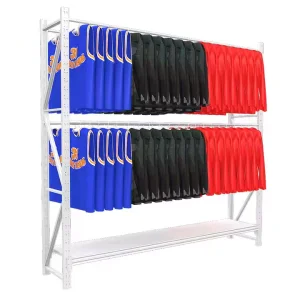
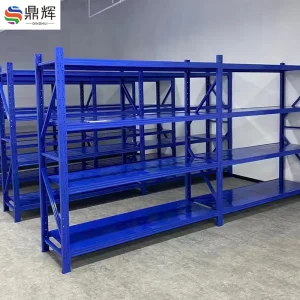
Browse our broader range of industrial racking systems, custom display units, and space-saving boltless configurations.
 Dinghui Racking