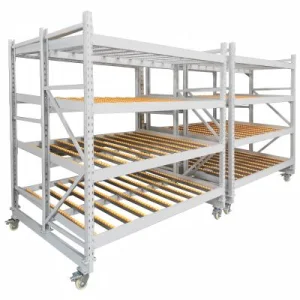
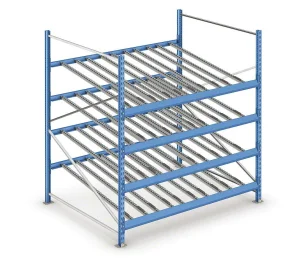
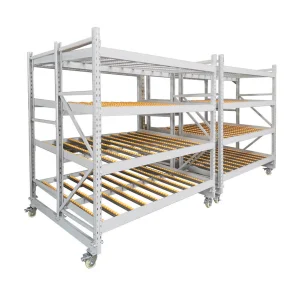
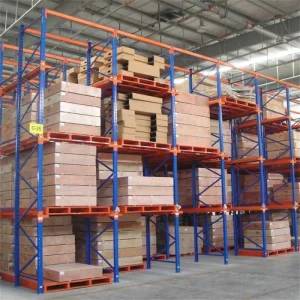
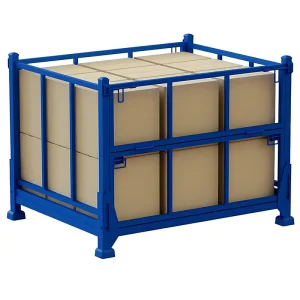
In the rapidly changing landscape of global supply chains, modern industrial warehouses are transitioning from traditional static storage structures to dynamic, high-density system configurations. Fluent shelves, universally classified as carton flow or gravity flow racking systems, stand at the center of this logistics revolution. Operating on a First-In-First-Out (FIFO) replenishment logic, these systems leverage gravitational forces via inclined roller tracks to automatically slide goods from the loading aisle to the picking face.
“The optimization of picking pathways and stock accessibility is no longer just a warehouse management objective; it is a critical competitive lever in modern e-commerce, automotive Kanban replenishment, and global 3PL distribution networks.”
Across North America, Europe, and Asia-Pacific markets, the demand for heavy-duty warehousing systems integrated with fluent shelves is accelerating. High real estate costs, structural labor shortages, and the rise of hyper-localized micro-fulfillment centers demand space optimization. System integrators and warehouse operations heads look to fluent shelves to eliminate unnecessary walking time for workers, reduce picking errors, and achieve maximum volumetric density. By separating the replenishment aisle from the picking aisle, warehouses achieve continuous operations without traffic congestion, directly improving overall throughput rates.
Ideal for perishable inventory, pharmaceuticals, and manufacturing components with strict batch tracking. Stock rolls forward automatically, ensuring perfect stock rotation.
By concentrating picking faces and separating feeding corridors, warehouse pickers spend less time traversing long aisles, increasing picking speed by up to 40%.
Eliminating multiple access aisles and utilizing multi-tier gravity storage results in space utilization increases of 60% compared to standard selective pallet racking.
Designing heavy-duty dynamic gravity flow storage systems requires precise engineering calculations. Unlike static pallet racks, dynamic fluent shelving must withstand continuous directional impact, friction, kinetic energy build-up, and localized load concentration.
Premium systems utilize structural cold-rolled steel, specifically grade Q235B or Q355B. This provides optimal yield strength (up to 355 MPa) and ductility. Precision roll-forming machines shape the upright frames and load beams to guarantee uniform load distribution without localized buckling under peak operational stress.
The fluent strip (roller track) is the core mechanical element. High-molecular-weight polyethylene (HDPE), engineering plastic (ABS), or galvanized steel rollers are selected based on the unit load. Roller pitch (the center-to-center distance between rollers) is determined by a strict formula ensuring that a minimum of three rollers support the carton or pallet at any given point.
The inclination angle typically ranges between 3.0% and 5.0%. Heavy carton/pallet applications require a smaller slope (3.0% - 3.5%) to prevent uncontrolled acceleration, while lightweight picking systems require a steeper incline (4.0% - 5.0%) to overcome starting inertia. Speed controllers and damping rollers are integrated for long runs (>3 meters).
Corrosion protection is another critical variable. In humid environments, chemical storage, or temperature-controlled cold chains (-30°C), standard paint fails rapidly. A specialized automated electrostatic powder coating process, using epoxy-polyester thermosetting powders cured at 180-200°C, creates a protective barrier. This prevents moisture ingress, oxidation, and surface abrasion from metal-on-metal sliding contact.
South China, particularly Foshan in Guangdong province, is a global cluster for metal fabrication, raw material supply chains, and advanced engineering technologies. Purchasing heavy-duty fluent shelves directly from specialized Chinese manufacturers offers international enterprises access to scaled steel sourcing, rapid design prototyping, and cost-effective automation.
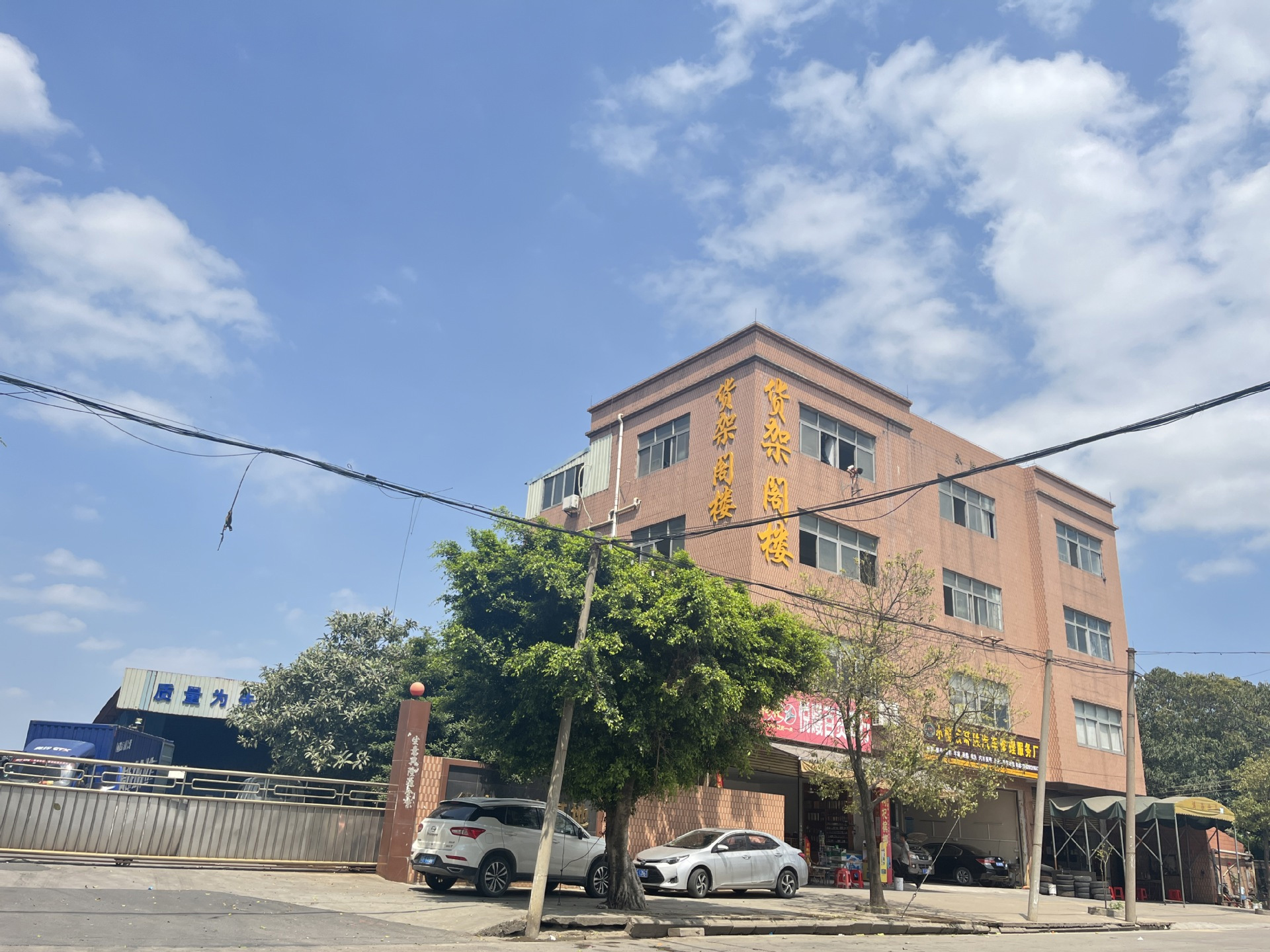
Foshan Dinghui Intelligent Warehousing Technology Co., Ltd., established in 2015, is a leading manufacturer specializing in heavy-duty industrial storage racks, pallet racking systems, and automated warehouse solutions. Spanning a modern manufacturing base of 38,000 square meters, we bring together 12 years of industry experience and 8 years of direct global export expertise, generating an annual export revenue of over $25 million USD.
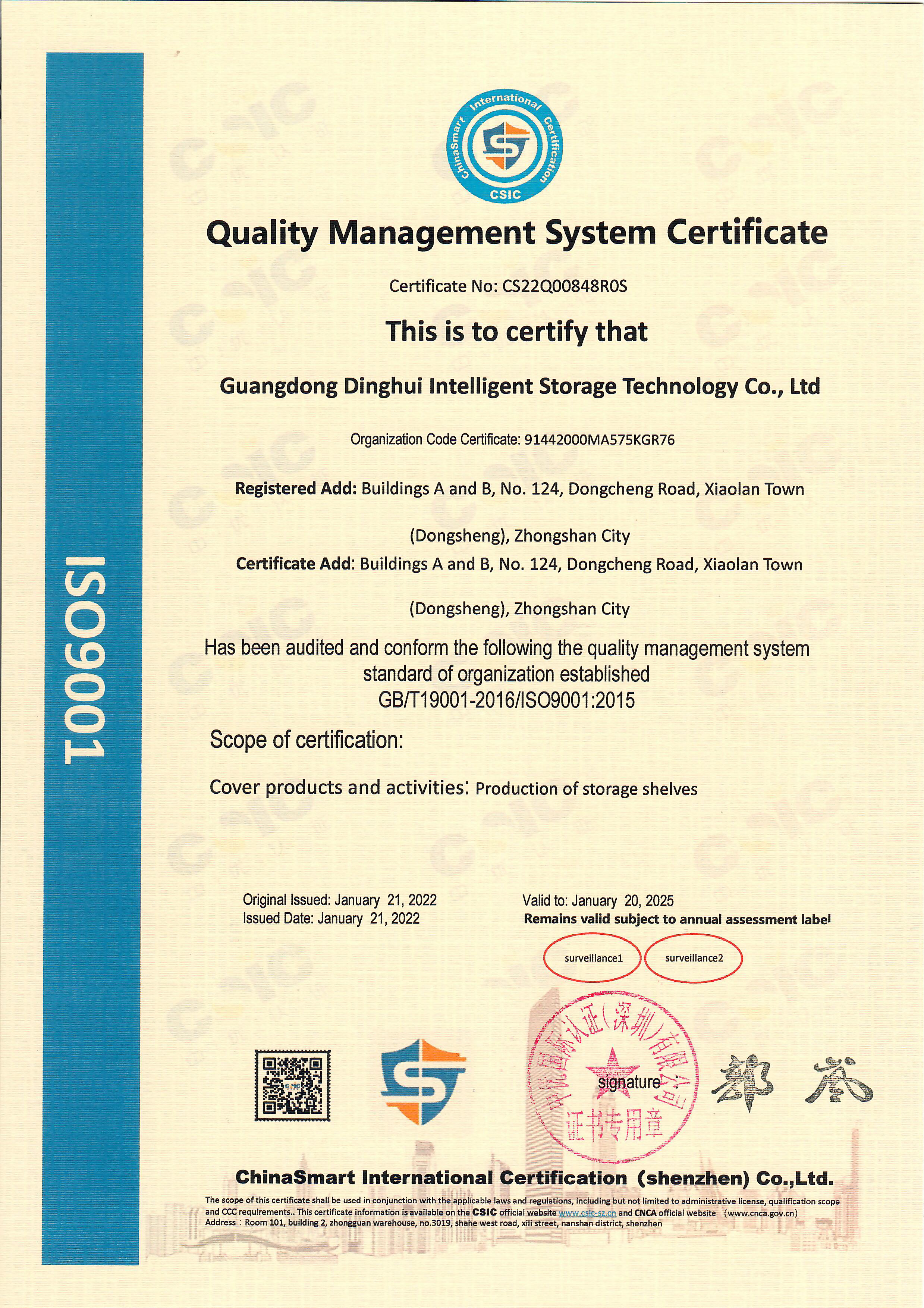
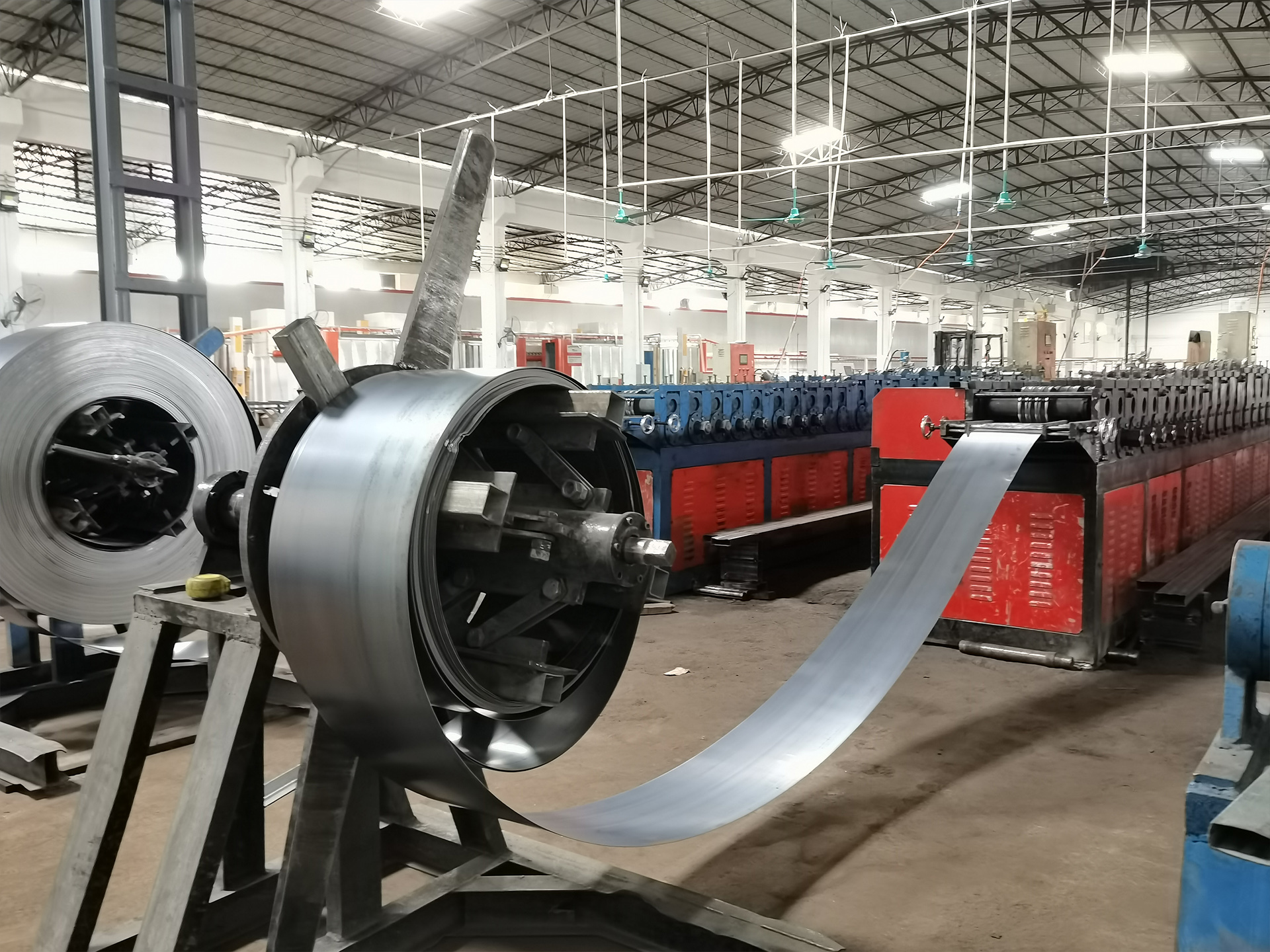
Equipped with advanced automated roll-forming and powder-coating production lines, our quality control procedures adhere to rigorous ISO 9001 and CE certification standards. We implement comprehensive product testing protocols, including raw material tensile testing, structural load-bearing simulation, powder coating adhesion tests, and weld non-destructive inspection (NDI). Supported by a dedicated 35-member QA/QC team, we ensure that every racking component strictly meets international safety and durability standards.
Operating with a strong international OEM/ODM trade background, our primary markets span North America, Europe, Southeast Asia, and the Middle East. Backed by a robust network of over 850 reliable supply chain partners, we serve a diverse global client base, including 3PL logistics providers, industrial warehouse operators, e-commerce fulfillment centers, and regional distributors.
Innovation and custom engineering drive our success. Supported by 18 experienced senior R&D engineers, we offer extensive OEM/ODM customization options, including tailored load capacities, custom dimensions, seismic-resistant structural design, special powder-coating finishes, and automated system integration. Driven by continuous technical improvement, we successfully launched 45 new product designs and structural upgrades last year, empowering our global partners to optimize their warehouse efficiency.
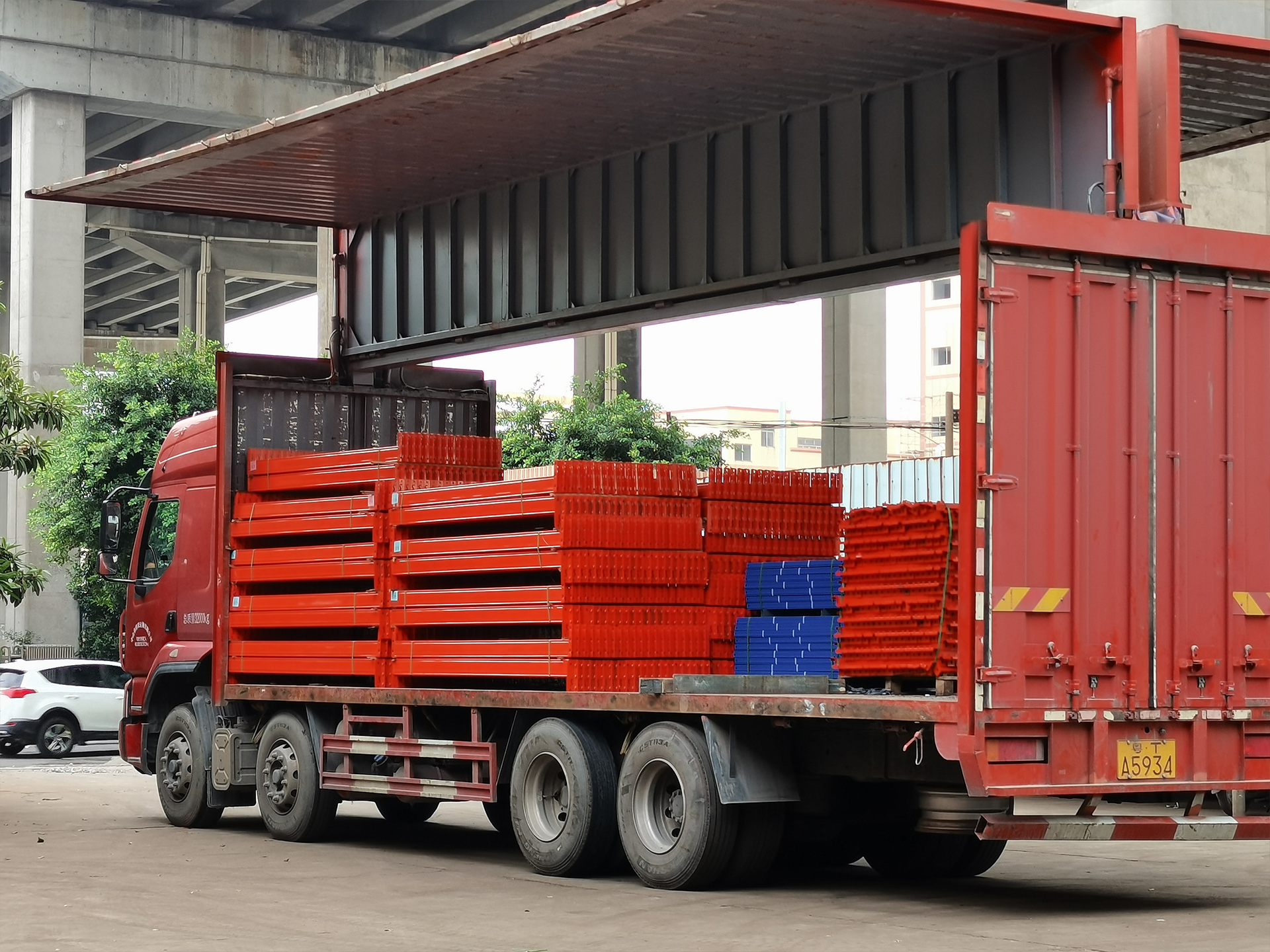
Custom-engineered dynamic flow racks are versatile assets across various sectors. Their localized design configurations depend on packaging type, weight limits, environmental factors, and cycle frequencies.
In automotive manufacturing plants, fluent shelves are deployed as side-by-side feed lanes at workstations. Standard plastic totes containing bolts, brackets, or electrical components roll down from supply corridors directly to assembly operators. This maintains a clean workspace, ensures parts availability, and supports Lean manufacturing concepts.
In cold storage facilities containing perishables, dairy, or fresh meats, energy cost per cubic meter is high. High-density dynamic flow systems maximize the cooling volume by eliminating excess aisles. Special low-temperature lubricants and double-galvanized structures prevent roller seizing and oxidation down to -30°C.
Fast-moving consumer goods (FMCG) require fast sorting and picking. Fluent shelves are integrated with pick-to-light indicators and conveyor belts. Replenishers stock cartons from the rear, and pickers fulfill individual e-commerce orders from the front. This setup ensures continuous, high-volume order fulfillment with minimal downtime.
When sourcing industrial racking and gravity flow systems globally, procurement officers must look beyond the initial cost per bay. To ensure long-term structural safety and compliance, use this technical checklist:
Verify that your supplier utilizes Finite Element Analysis (FEA) to simulate load distributions. If your project sits in a seismic zone, request structural calculations showing compliance with regional building codes (e.g., RMI in the US, AS4084 in Australia, or EN15512 in Europe).
Ensure that upright frame roll-forming deviations do not exceed 1mm per 10 meters of height. Tight dimensional tolerances prevent misalignment during assembly and ensure predictable flow performance for the rollers.
Request ASTM cross-hatch test results for powder coating adhesion. Racking systems subjected to high traffic are prone to surface damage. Excellent coating adhesion prevents moisture from spreading under the paint layers.
At Foshan Dinghui, we mitigate global sourcing risks by conducting rigorous in-house batch testing. Every production run undergoes tensile strength verification using standardized steel samples. Additionally, we conduct full-load deflection tests to confirm that horizontal beams do not exceed the standard L/300 deflection limit under maximum load.
Expert answers to technical questions about purchasing, engineering, and integrating dynamic storage systems.
 Dinghui Racking