Choosing the best boltless shelving system starts with the items you need to store, not the shelf’s advertised capacity. Measure the room, including doorways, ceiling height, and space needed to walk past the unit. Then measure your largest boxes, bins, or tools. A shelf that looks roomy online can feel cramped once a tote overhangs the edge. Small details matter.
Compare each system’s stated load limits with the manufacturer’s guidance for evenly distributed loads. Heavy equipment placed in one corner can stress a shelf differently from lighter items spread across it. Check the rating for each shelf level, as well as the total unit capacity. Boltless Systems vary in frame design, materials, and adjustment options, so verify the specifications rather than assuming that similar-looking units perform alike. Consider the floor, too: an uneven surface may affect stability, and some installations may require additional securing.
Think about how your storage needs may change. Adjustable shelves can accommodate taller cartons later, while fixed layouts may suit predictable stock. Look closely at connection points, finish, and replacement-part availability. If the unit will be assembled by one person, review the instructions and tool requirements first. Assembly is not always as effortless as the name suggests. A checklist can help, but it cannot replace careful measurement or the maker’s load guidance. The best choice is the one that fits your space, stored goods, and routine without forcing a compromise you will notice every day.
Identify Your Storage Needs and Intended Use
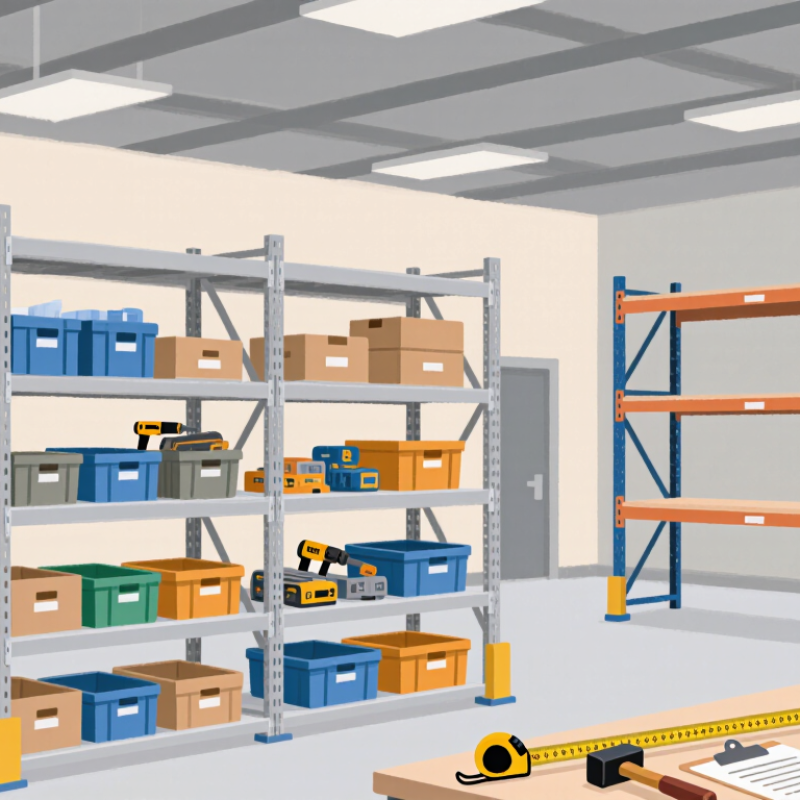
Start by listing what the shelving will hold: cartons, hand tools, spare parts, or bulky seasonal items. Note each item’s approximate weight and dimensions, then consider how often you need to reach it. A shelf for daily-use supplies should keep labels and handles within easy reach. Less-used stock can sit higher, provided it remains safe to retrieve. Measure the room, including doorways, pipes, and clearance for carts. Measure twice. A few centimeters can decide whether a unit fits comfortably or blocks a walkway.
Think about the working conditions, too. Dust, damp air, and frequent restocking can affect material choice and shelf access. In a garage, check for a level floor and leave space to move around stored equipment. In a stockroom, adjustable levels may help when carton sizes change. Check the stated load capacity for each shelf, and distribute weight evenly rather than concentrating heavy items at one edge. Small details matter. It is tempting to plan for today’s inventory only, but storage needs rarely stay still. Leave some room for change, while avoiding a unit so large that it encourages unsafe overloading.
Compare Shelf Capacity, Frame Strength, and Stability
Compare shelf capacity, frame strength, and stability before choosing a boltless shelving system. Check the stated load limit for each shelf, not just the unit’s total capacity. Ratings usually assume evenly distributed weight. A stack of books or a heavy tool box concentrates force in one area, so leave room below the limit. Check how the rating changes with different shelf sizes or configurations. That detail is easy to miss.
Frame strength depends on more than appearance. Look at the steel thickness, upright shape, and how securely beams lock into the posts. A snug connection should not shift when you press the beam by hand. Check the joints. Thin decking can also sag under repeated loads, even when the frame looks sturdy. I would not judge strength by weight alone; the actual construction matters.
Stability depends on the complete setup. Place the unit on a level floor, fit any cross-bracing, and follow the maker’s guidance on anchoring. Load heavier items on lower shelves to reduce top-heavy movement. Then check for wobble with the system assembled. A quick shake is useful, but it is not proof of safe performance under full load. Recheck connections after loading; I sometimes forget that final inspection when a storage job feels finished.
How to Choose the Best Boltless Shelving System? — Compare Shelf Capacity, Frame Strength, and Stability
| System Type |
Typical Capacity per Shelf* |
Frame Strength |
Stability Considerations |
Suitable Applications |
| Light-duty boltless shelving |
About 100–300 lb (45–136 kg) |
Light-gauge steel uprights and beams; generally intended for smaller, lighter items. |
Works well for short or moderately loaded units on a level floor. Secure tall units to a wall or floor when required. |
Household storage, small parts, office supplies, and light cartons. |
| Medium-duty rivet shelving |
About 300–800 lb (136–363 kg) |
Stronger steel posts and beams than typical light-duty units; particleboard, plywood, or steel shelves are common. |
Rivet connections must be fully seated. Even loading and a level floor help limit sway; anchoring may be appropriate for tall units. |
Workshop supplies, packaged goods, tools, and general back-room storage. |
| Heavy-duty steel boltless shelving |
About 800–2,000 lb (363–907 kg) |
Heavier steel uprights, beams, and reinforced shelf supports; capacity depends strongly on the specific design. |
Use on a sound, level floor and assemble all braces and connectors as specified. Tall or heavily loaded configurations may require anchoring. |
Industrial parts, dense inventory, heavier cartons, and warehouse storage. |
| Boltless wire shelving |
About 200–800 lb (91–363 kg) |
Steel posts support open wire shelves; shelf capacity varies with wire gauge, span, shelf size, and reinforcing features. |
Leveling feet help compensate for minor floor unevenness. Fit all clips securely and distribute loads across the shelf. |
Pantry storage, stockrooms, utility areas, and spaces where airflow or visibility is useful. |
Selection tip: Compare the rated capacity for the exact shelf size and configuration, not just the shelving category. Capacity ratings usually assume a uniformly distributed load; concentrated loads, uneven floors, missing braces, or incorrect assembly can reduce performance. Follow the supplier’s specifications and anchoring instructions.
Choose Suitable Dimensions, Materials, and Finishes
A boltless shelving system should fit the room and the items it will hold. Measure the full space, including doorways, pipes, and skirting boards. Measure twice. Allow room to reach shelves without twisting bulky boxes sideways. A common oversight is checking shelf width but forgetting the height of stored containers. Leave a little clearance above frequently used items.
Choose materials for the setting, not just the price. Steel suits many garages, stockrooms, and workshops, but moisture can encourage rust on damaged or unprotected surfaces. For damp areas, consider a corrosion-resistant finish and check the care instructions. Particleboard decks can work for dry, lighter storage; steel decks may be more practical where spills or frequent cleaning are likely. Check the stated load rating, and note whether it applies per shelf or to the whole unit. Loads should be distributed evenly.
Finishes affect upkeep as well as appearance. Powder-coated surfaces can help protect steel from scratches and everyday wear, while galvanized finishes are often considered for humid environments. Neither makes a shelf indestructible. Inspect edges and joints after assembly, especially if the unit will be moved. I would avoid choosing a finish by color alone; a neat-looking surface may still be poorly suited to a dusty or damp room. Think about how the shelving will age, not only how it looks on delivery.
How to Choose the Best Boltless Shelving System? Choose Suitable Dimensions, Materials, and Finishes
The chart compares common nominal shelf sizes; actual dimensions and availability vary by system. Measure your space and stored items, and check the manufacturer’s load rating. Steel is a common choice for sturdy shelving; powder-coated finishes suit many indoor spaces, while galvanized finishes provide added corrosion protection in damp environments. Choose materials and finishes to match the location and intended use.
Assess Assembly, Adjustability, and Available Accessories
A boltless shelving system should assemble with clear, repeatable steps. In my experience, the frame matters more than the advertised speed. Check whether beams lock firmly without excessive force. A rubber mallet may help, but never hammer damaged connectors. Assemble the unit on a level floor, then inspect every joint before loading it. Small gaps often become larger under weight. Follow the stated load rating for each shelf, not just the total capacity.
Adjustability should fit your changing storage needs. Measure your tallest boxes, bins, and tools before choosing shelf spacing. Shelves that move in small increments waste less vertical space. However, frequent adjustments can weaken careless installations. Remove stored items before changing levels, and confirm each beam sits evenly. I once planned shelves around current cartons, then received taller containers later. That mistake reduced usable space and forced a partial rebuild.
Accessories can improve access and stability. Useful options include dividers, drawer units, decking panels, label holders, and safety clips. Choose accessories made for the same frame dimensions. A shelf insert that fits loosely may shift when boxes slide across it. Consider your working habits, too. Label holders help busy storage areas, while dividers prevent small parts from spreading. Casters can add mobility, but they also change stability and load behavior. Check compatibility, locking features, and the revised capacity before adding them. Cheap add-ons are not always economical.
Check Safety Standards, Warranty, and Long-Term Value
Choosing boltless shelving should begin with safety evidence, not appearance. OSHA 29 CFR 1910.176 requires stored materials to remain secure and not create hazards. The U.S. Bureau of Labor Statistics recorded 2.6 million nonfatal workplace injuries and illnesses in private industry during 2023. Shelving is not responsible for every incident, but poor loading can add preventable risk.
Check the stated capacity for each shelf, not the entire unit. Confirm whether the rating assumes evenly distributed weight. A box concentrated at one corner can behave differently from a balanced load. Look for testing against applicable ANSI steel-shelving guidance, clear assembly instructions, and inspection recommendations. A 250-kilogram rating means little without shelf-span details, beam design, and floor requirements. Read the fine print.
Warranty terms reveal long-term value. Check coverage for frames, connectors, coating failure, and replacement parts. Ask whether labor, shipping, and accidental overloads are excluded. A ten-year warranty may sound impressive, yet unusable spare components can shorten the system’s real life. Industry lifecycle assessments often emphasize repairability and material durability when evaluating total cost, rather than purchase price alone. Compare the expected service period, corrosion resistance, adjustability, and future expansion cost. Document the installation date and load labels. Review the shelves after relocation or impact. This step is easy to skip, and that is the uncomfortable weakness in many storage plans.
Conclusion
Choosing the best boltless shelving system begins with a clear understanding of your storage needs and intended use. Consider what items you will store, how much weight each shelf must support, and how frequently the shelving will be accessed. Compare shelf capacity, frame strength, and overall stability to ensure the system can perform safely over time. The right dimensions should fit your available space while providing enough room for organized storage. Materials and finishes should also match the environment, especially if the shelves will be used in areas exposed to moisture, dust, or heavy daily activity.
Boltless Systems are especially practical when easy assembly and flexible adjustment are important. Look for designs that allow shelf heights to be changed without specialized tools, and check whether useful accessories are available for improving organization. Before making a final decision, review applicable safety standards, warranty coverage, and the expected long-term value. A reliable shelving solution should balance strength, convenience, adaptability, durability, and total cost rather than focusing only on the initial purchase price.

 Dinghui Racking