Steel Platforms are raised work surfaces built from structural steel, decking, beams, columns, stairs, and guardrails. They help workers reach equipment, store materials, inspect machinery, or move safely above production floors. You may find them in warehouses, factories, power facilities, shipyards, and maintenance areas.
Their design depends on real conditions. Engineers study live loads, equipment weight, vibration, corrosion, impact risks, and the available floor space. A platform supporting a pump needs different calculations from one carrying pallets. Steel offers strength, durability, and flexible fabrication. However, it is not automatically safe. Poor connections, slippery decking, missing toe boards, or inadequate bracing can create serious hazards.
Structural engineer Henry Petroski wrote, “Form follows failure.” His observation is valuable here because platform design often improves after engineers study what went wrong. That mindset encourages careful inspection rather than blind confidence in thick steel. It also reminds owners that maintenance matters. Rust around a base plate may seem minor, until it weakens the connection.
In practical use, Steel Platforms can be permanent, modular, mobile, or custom-built. Some include handrails, access ladders, lifting points, and removable sections. Others support conveyors or provide narrow service walkways beside tanks. Details matter.
A strong platform feels quiet underfoot.
This guide explains how these structures work, where they fit, and what responsible planning requires. It also acknowledges an uncomfortable truth: drawings alone cannot reveal every site condition. Field experience, competent review, and regular observation must complete the design process.
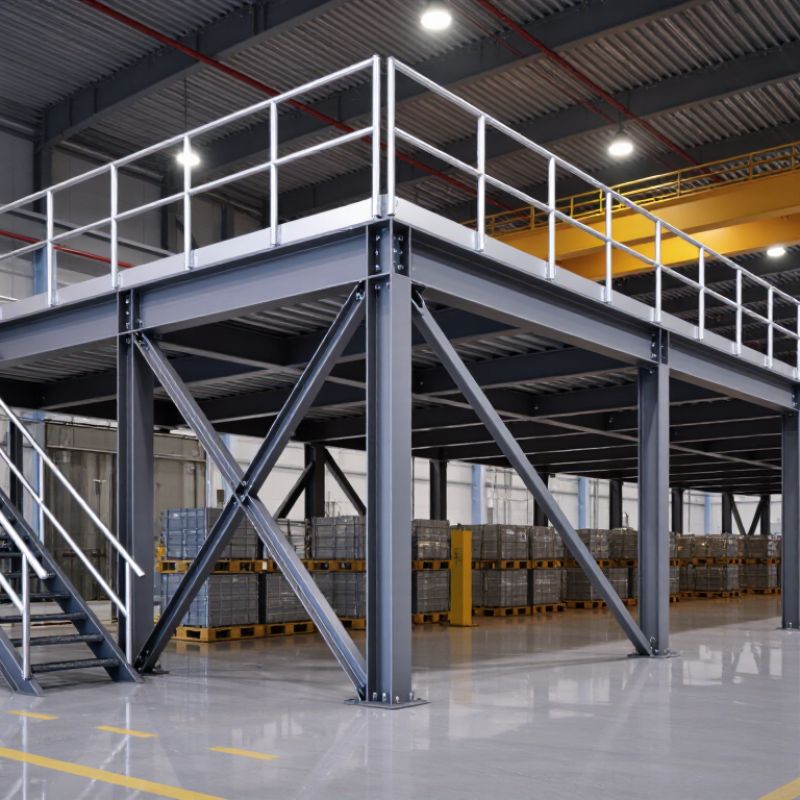
A steel platform is a raised working surface built to support people, tools, equipment, or stored materials. It usually includes steel beams, columns, decking, stairs, and edge protection. These parts work together as one structural system. The frame carries vertical loads and transfers them safely to the floor or foundation. Decking may use grating, plates, or other engineered surfaces. Guardrails help reduce fall risks. Toe boards can prevent tools from sliding over edges.
The core features are strength, stability, durability, and practical access. Engineers calculate live loads, dead loads, vibration, and possible impact during design. They also examine connections, welding quality, corrosion exposure, and floor conditions. A platform should not only carry weight. It must remain stable when workers move, equipment operates, or materials are placed unevenly. On site, clear walkways matter as much as strong beams. Crowded access can create hazards, even when the steel frame is sound.
Steel platforms are used around production lines, warehouses, maintenance areas, tanks, and elevated service zones. Their modular structure can support inspection work and improve access to high equipment. Regular checks should look for rust, bent members, loose bolts, damaged grating, and weakened welds. In practice, no platform is perfect forever. Loads may change after installation. A design that worked yesterday may need review after new machinery arrives. This is where accurate records and professional inspections become essential.
| Data Dimension | Definition or Typical Information | Practical Application |
|---|---|---|
| Basic Definition | A steel platform is a raised, load-supporting structure made primarily from structural steel members, decking, connections, and protective components. | Creates a stable elevated area for personnel, equipment, storage, inspection, maintenance, or material handling. |
| Primary Structural Members | Common members include steel columns, beams, joists, bracing, base plates, and connection hardware. | Transfers vertical and horizontal loads safely to foundations, existing structures, or supporting frames. |
| Decking Options | Deck surfaces may include steel plate, bar grating, expanded metal, checker plate, or composite systems selected for the operating environment. | Provides a walking or working surface while balancing strength, drainage, ventilation, weight, and slip resistance. |
| Load Types | Design loads can include dead loads from the platform itself, live loads from people and equipment, stored materials, impact, wind, seismic effects, and maintenance loads. | Determines member sizes, span lengths, connection details, foundation requirements, and allowable platform capacity. |
| Typical Industrial Uses | Used around processing equipment, tanks, conveyors, piping, machinery, production lines, and utility systems. | Improves access for operation, monitoring, cleaning, inspection, repair, and replacement of components. |
| Warehouse and Mezzanine Use | Freestanding or building-supported steel platforms can form intermediate floors or elevated work areas inside warehouses and facilities. | Uses vertical space for storage, offices, picking areas, production support, or equipment placement without constructing a full additional building level. |
| Access and Safety Features | Typical features include guardrails, handrails, toe boards, stairs, ladders, gates, non-slip surfaces, and adequate lighting provisions. | Reduces fall, slip, and dropped-object risks and supports safe movement of personnel and materials. |
| Connection Methods | Steel platforms may use bolted, welded, or combined connections, depending on design requirements, fabrication methods, and installation conditions. | Affects assembly time, adjustability, transportation, inspection, repair, and potential future modification. |
| Corrosion Protection | Protection may include suitable coating systems, galvanizing, corrosion-resistant materials, drainage details, and regular inspection. | Extends service life in humid, outdoor, chemically exposed, coastal, or industrial environments. |
| Modularity and Customization | Platforms can be designed as fixed, portable, freestanding, suspended, adjustable, or modular systems with openings for equipment and services. | Allows the structure to fit different layouts, operating clearances, access routes, and future expansion plans. |
| Design and Compliance Factors | Design normally considers applicable structural, occupational safety, fire, electrical, accessibility, and local building requirements. | Helps ensure that the platform is suitable for its intended loads, environment, access conditions, and inspection requirements. |
| Main Benefits | Steel offers high strength, predictable structural behavior, fabrication flexibility, durability, and the potential for prefabrication. | Supports efficient installation, long-term service, adaptable layouts, and safe access to elevated work areas when properly designed and maintained. |
A steel platform is a raised work surface for people, tools, equipment, or stored materials. It usually has beams, columns, decking, stairs, and guardrails.
They are used near production lines, warehouses, tanks, maintenance zones, and elevated service areas. They improve access to high equipment.
Columns transfer loads to the foundation. Beams spread loads across the platform. Bracing reduces movement from vibration, wind, and equipment operation.
Open grating allows water, dust, and small debris to pass through. Solid plates provide smoother movement for carts and wheeled tools.
Common methods include protective coatings, hot-dip galvanizing, and corrosion-resistant steel. The right choice depends on moisture, chemicals, and outdoor exposure.
Engineers assess platform weight, people, stored materials, equipment, vibration, impact, and uneven loading. Equipment loads can exceed ordinary floor loads.
Guardrails, toe boards, secure decking, safe stairs, and clear walkways are important. Load signs should show the permitted capacity.
Check welds, bolts, stairs, grating, handrails, coatings, and connection points. Look for rust, bending, cracks, loose fasteners, or unusual movement.
Keep inspection records with dates, photographs, and repairs. Remove excess materials and clean spills quickly. No platform lasts forever.
Review the design after adding machinery, changing storage, or increasing traffic. A platform that worked yesterday may need new calculations today.
Steel Platforms are elevated, engineered structures designed to provide safe and stable working, access, storage, or equipment-support areas in industrial and commercial settings. They are typically built from structural steel, with components such as beams, columns, braces, grating or solid decking, stairs, handrails, and guardrails. Their configurations may include fixed platforms, mezzanines, maintenance platforms, access platforms, and modular systems, allowing them to adapt to different loads, heights, layouts, and operational requirements.
These structures are widely used in factories, warehouses, processing facilities, construction sites, energy installations, and other demanding environments. Proper design should consider load capacity, vibration, corrosion, drainage, worker movement, and emergency access. Regular inspections and maintenance are essential for identifying rust, loose connections, damaged flooring, or weakened supports. When correctly designed, installed, and maintained according to applicable safety standards, Steel Platforms can provide reliable service for many years while improving workplace efficiency, accessibility, and operational safety.

 Dinghui Racking