Top ASRS Systems for Efficient Warehouse Management?

Time:2026-08-21 Author:Charlotte
0%

Efficient warehouse management is crucial for modern businesses. ASRS systems, or Automated Storage and Retrieval Systems, are at the forefront of this transformation. They enhance speed and accuracy in operations. Renowned industry expert Dr. Emily Chen, a leading voice in warehouse automation, once stated, "ASRS systems are revolutionizing how we think about storage efficiency." Her insight highlights the growing importance of these systems.

ASRS systems streamline processes by minimizing manual labor. They utilize advanced technology to optimize storage space. These systems can handle various products and adapt to changing demands. Yet, implementation can be daunting. Some companies struggle to fully integrate these systems into existing operations. Planning is essential for success.

Investing in ASRS systems can yield significant returns. However, companies must evaluate their specific needs and challenges. The potential benefits are clear, but understanding the limits is equally important. Engaging with experts and exploring case studies can guide better decision-making. Ultimately, ASRS systems offer a path to improved warehouse efficiency, but careful consideration is necessary.
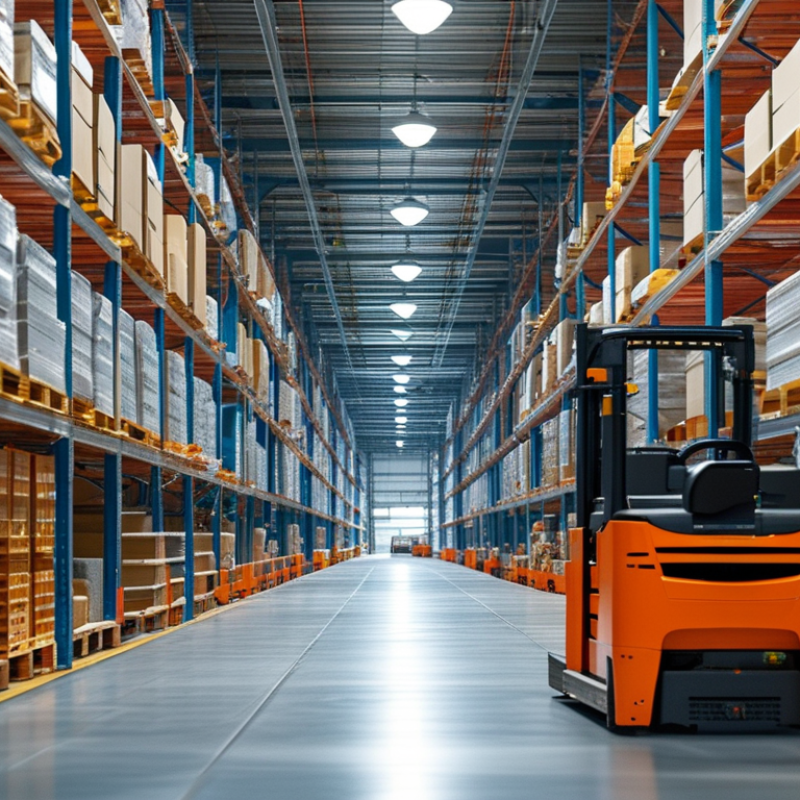
Top ASRS Systems for Efficient Warehouse Management?

Overview of Automated Storage and Retrieval Systems (ASRS)

Automated Storage and Retrieval Systems (ASRS) play a critical role in modern warehouse management. These systems increase operational efficiency by minimizing human error and maximizing space utilization. According to a report by Peerless Research Group, ASRS can lead to a 20-30% improvement in picking speeds and a 30-50% reduction in labor costs. This data highlights the importance of integrating these automated solutions in logistics operations.

In a typical implementation, ASRS can manage up to 100,000 SKUs (stock-keeping units) within a compact footprint. This capability not only saves space but also optimizes inventory control. However, organizations may face challenges during the initial setup and integration process. For example, compatibility with existing warehouse management systems (WMS) can be problematic. Proper training and change management are also essential to avoid friction in operations.

Investing in ASRS requires careful planning and foresight. While the upfront costs can be significant, the long-term benefits often outweigh them. In fact, companies that have adopted ASRS report an average return on investment within three years. However, organizations should continuously evaluate their systems to ensure they meet evolving needs. This adaptability is key to sustaining operational excellence in an increasingly automated future.

Key Features and Components of ASRS Technology

Automated Storage and Retrieval Systems (ASRS) revolutionize warehouse management by optimizing space and improving efficiency. Key components include automated cranes, shuttles, and software for inventory control. According to a 2023 industry report by Logistics Automation, ASRS can increase storage density by up to 60%. This efficiency reduces labor costs and speeds up order fulfillment.

Implementing ASRS requires careful consideration of layout and technology compatibility. An effective ASRS uses real-time data for optimal performance. Integrating machine learning can enhance predictive analytics and inventory forecasting, leading to better decision-making. However, initial costs and system integration may pose challenges. Companies must weigh these factors against long-term benefits.

Regular training for staff enhances system effectiveness. Encouraging feedback can lead to improvements and identify areas for adjustment. This engagement fosters a culture of innovation. Prioritizing employee input offers insights into potential system shortcomings. Investing in technology should always include a plan for continuous improvement.

Top ASRS Systems for Efficient Warehouse Management

System Type Key Features Components Efficiency Gain (%)
Unit Load ASRS High storage density, automated retrieval Storage racks, stacker cranes 30%
Mini Load ASRS Compact design, ideal for small items Shuttle vehicles, storage bins 25%
Vertical Lift Module (VLM) Fast access, reduced footprint Vertical lifts, trays 20%
Carousel ASRS Circular transport, high picking speed Carousels, pick stations 15%
Automated Guided Vehicles (AGVs) Flexible routing, scalable AGV units, charging stations 28%

Benefits of Implementing ASRS in Warehouse Operations

Automated Storage and Retrieval Systems (ASRS) are revolutionizing warehouse operations. They improve efficiency by minimizing the time spent on manual tasks. With ASRS, inventories can be stored more compactly. This leads to higher storage density and better space utilization. Many businesses observe significant reductions in order fulfillment times. This is crucial for maintaining competitiveness in today's fast-paced market.

Moreover, implementing ASRS enhances accuracy in inventory management. Errors in stock picking are less frequent when robots perform the tasks. This reliability builds trust with customers. However, integration can pose challenges. Proper training for staff on new technology is essential. Additionally, the initial investment may seem daunting. Despite these obstacles, the long-term benefits often outweigh the risks.

As warehouses increasingly adopt ASRS, they must continuously assess their operations. Not every system will suit every business. Each facility has unique requirements. Regular evaluations of system performance help in identifying areas for improvement. This ongoing reflection ensures that the ASRS contributes to a streamlined and efficient warehouse.

Top ASRS Vendors and Their Unique Offerings

In the rapidly evolving world of warehouse management, Automated Storage and Retrieval Systems (ASRS) are pivotal. Various vendors offer distinct solutions that cater to different operational needs. These systems enhance efficiency and reduce manual labor. Some vendors provide advanced robotic solutions for high-speed retrieval. Others focus on compact, space-saving designs, ideal for smaller facilities.

Unique offerings can greatly influence decision-making. For instance, some ASRS systems are designed to optimize inventory control through real-time tracking. Vendors may include integrated software for seamless operation. This makes inventory management more reliable. Yet, not all solutions suit every warehouse layout. Companies must consider their unique challenges, such as available space and item diversity.

Sometimes, the implementation of ASRS can lead to unforeseen complications. Employees might require additional training to adapt to new technology. Integrating various systems may also pose compatibility issues. Thus, assessing the effectiveness of ASRS is essential. Understanding vendor-specific strengths can help businesses make informed choices.

Future Trends in ASRS for Warehouse Efficiency

The future of Automated Storage and Retrieval Systems (ASRS) is shaping warehouse efficiency significantly. One trend is the increasing integration of artificial intelligence and machine learning. These technologies enhance inventory management. They predict demand and optimize storage space. This leads to faster retrieval times. Automation will minimize human error, making warehouses more reliable.

Another significant trend is the rise of customizable ASRS solutions. Warehouses have unique layouts and specific needs. Custom solutions allow businesses to tailor their systems. This flexibility provides better handling of various products, from small items to large pallets. However, customization can be complex. Companies must ensure their designs fit perfectly with their operations.

Sustainability is becoming essential in ASRS development. Energy-efficient systems reduce operational costs and environmental impact. Many warehouses aim for net-zero emissions. Adopting green technologies is still a challenge for some. The initial investment can be high, but the long-term benefits are undeniable. As the focus on sustainability grows, the industry will need to adapt.

FAQS

: What are

utomated Storage and Retrieval Systems (ASRS)?

How much can ASRS improve picking speeds?

ASRS can lead to a 20-30% improvement in picking speeds. This boosts overall warehouse efficiency significantly.

What is the storage capacity of ASRS?

ASRS can manage up to 100,000 stock-keeping units (SKUs). This capability saves space and optimizes inventory control.

What challenges might arise with ASRS implementation?

Initial setup can be tricky. Compatibility with existing systems often causes issues, requiring careful planning.

Is the investment in ASRS always worthwhile?

While upfront costs are high, long-term benefits often justify them. Companies can see returns within three years.

Why is staff training important in ASRS?

Regular training keeps staff skilled and engaged. It fosters a culture of feedback and innovation for system improvements.

What role does data play in ASRS effectiveness?

Real-time data is crucial for optimal performance. It enhances decision-making and inventory forecasting capabilities.

How can companies ensure their ASRS systems stay relevant?

Continuous evaluation of the system is vital. Adapting to evolving needs helps maintain operational excellence.

What is the impact of machine learning on ASRS?

Integrating machine learning boosts predictive analytics. This leads to improved inventory forecasting and overall efficiency.

What should companies prioritize alongside technology investment?

Companies should plan for continuous improvement. Engaging employees for feedback also helps identify potential system areas needing adjustment.

Conclusion

Automated Storage and Retrieval Systems (ASRS Systems) play a crucial role in enhancing warehouse management efficiency. These systems leverage advanced technology to automate the storage and retrieval process, minimizing human error and optimizing space utilization. Key components of ASRS include automated cranes, conveyor systems, and storage racks, which work together to streamline operations.

Implementing ASRS technology provides numerous benefits, such as increased accuracy, reduced labor costs, and improved inventory control. As warehouses continue to evolve, the demand for efficient solutions like ASRS will grow, with future trends likely focusing on greater integration with artificial intelligence and enhanced data analytics capabilities. By adopting ASRS, warehouses can significantly boost their operational efficiency and productivity.

Charlotte

Charlotte

Charlotte is a seasoned marketing professional with a deep understanding of the company's portfolio and a passion for elevating its presence in the market. With a keen eye for detail and a commitment to excellence, she ensures that our professional blog is regularly updated with insightful articles......