Top 10 Carton Flow Storage Systems Buyers Need?

Time:2026-10-27 Author:Amelia
0%

Choosing a Carton Flow Storage system is not simply a matter of buying racks and rollers. It is an operational decision that affects picking speed, inventory accuracy, replenishment effort, and workplace safety. A well-designed system can place fast-moving cartons near the pick face, reduce walking distance, and maintain clear first-in, first-out product movement. However, the best solution depends on carton dimensions, load weight, order frequency, aisle space, and replenishment routines.

Dr. David J. Piasecki, a recognized inventory-control author and warehouse operations specialist, offers a useful principle: “Storage decisions should support accuracy, speed, and control—not merely increase capacity.” That idea guides this review of the top ten Carton Flow Storage systems buyers should consider. Each option should be examined through practical details, such as roller pitch, frame strength, lane depth, carton friction, and access for maintenance. Small design choices matter. A poorly matched roller may leave light cartons stranded halfway down a lane. An overloaded frame may create unnecessary safety concerns. An attractive price can also hide higher installation or service costs.

No system is perfect. Some solutions prioritize density, while others favor flexibility and quick access. Buyers should test representative cartons before making a final decision. They should also observe real picking behavior, not only supplier demonstrations. This article compares the main system types, their useful features, likely limitations, and suitable warehouse applications. The goal is practical judgment, not a one-size-fits-all recommendation.
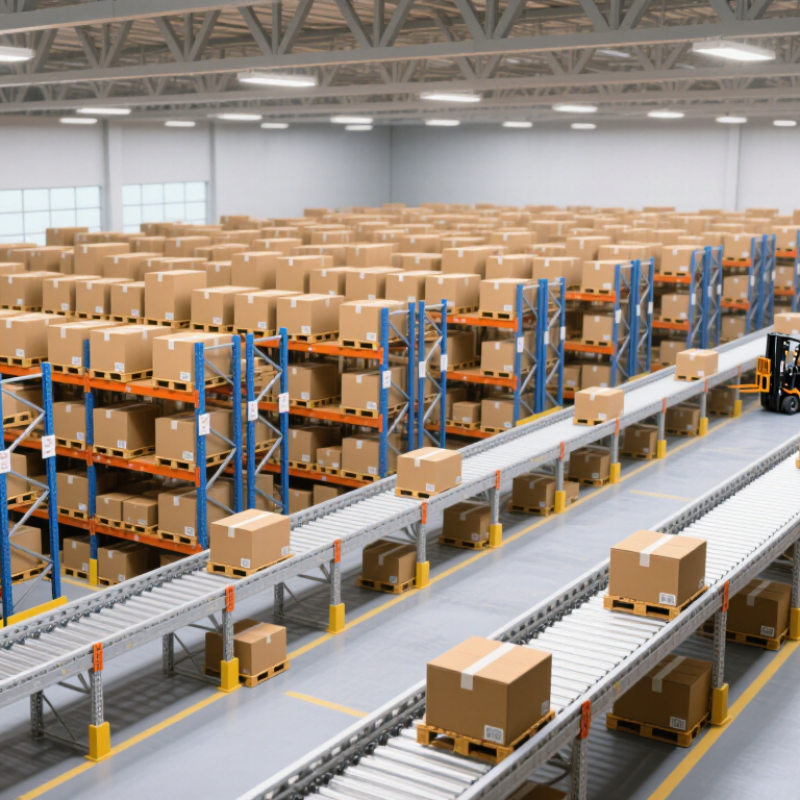
Top 10 Carton Flow Storage Systems Buyers Need?

What Is a Carton Flow Storage System?

What Is a Carton Flow Storage System?

A carton flow storage system is a gravity-fed shelving solution for cartons, totes, and small cases. Each lane uses slightly inclined rollers or wheels. Operators load products from the rear and pick them from the front. New stock moves forward automatically as inventory leaves the lane. This creates a practical first-in, first-out flow, especially for dated or frequently picked items.

The system separates replenishment from picking activity. That detail matters in busy distribution centers. Workers can face the picking aisle while replenishment happens behind them. MHI’s 2024 Annual Industry Report found that 84% of supply chain professionals expect to increase technology investment within five years. Carton flow is not a full automation project, but it can improve density and reduce unnecessary walking. A 2024 warehouse study by Zebra Technologies also reported strong pressure for modernization, with many decision-makers planning upgrades before 2029.

Good design requires more than adding rollers. Product dimensions, carton weight, lane depth, and replenishment frequency must match the rack. Heavy cartons may need stronger rollers. Small packages can stall in an unsuitable lane. That happens.

In my experience, poor labeling often weakens an otherwise sound layout. Clear location codes and visible quantity markers help prevent picking errors. Still, carton flow cannot solve inaccurate inventory data or weak replenishment discipline. Teams should test several carton sizes before approving the final configuration. MHI’s findings support investment, but every warehouse still needs evidence from its own travel distances, pick rates, and daily bottlenecks.

How Carton Flow Racks Work in Warehouse Operations

Carton flow racks use gravity to move cartons from a replenishment side to a picking side. Each lane contains inclined rollers or wheels. When a worker removes the front carton, the next carton moves forward automatically. This creates a clear first-in, first-out flow for dated goods and fast-moving inventory.

A practical warehouse layout review starts with carton size, weight, and daily order volume. Heavy cartons need stronger lanes and controlled movement. Smaller cartons may require closely spaced wheels to prevent tipping. Adjustable dividers keep products aligned, while label strips help pickers identify locations quickly.

In a busy aisle, this simple visibility can reduce searching and unnecessary walking.

Replenishment staff load cartons from the rear, often during quieter periods. Pickers work from the front without entering the loading area. That separation improves movement and reduces interruptions. However, flow racks are not maintenance-free. Dust, damaged rollers, uneven loading, and poor carton dimensions can slow the system.

I have seen a lane perform badly because cartons were too soft at the base. Small details matter.

Workers should inspect lane alignment, stop panels, and frame connections regularly. The rack must also match the building’s floor conditions and safe working limits. A buyer should test representative cartons before approving a full installation. One trial lane may reveal problems that a drawing cannot.

Which Industries Use Carton Flow Storage Systems?

Top 10 Carton Flow Storage Systems Buyers Need?

Which Industries Use Carton Flow Storage Systems?

Carton flow storage systems support fast-moving inventory in many industries. Retail warehouses use them for apparel, household goods, and seasonal products. E-commerce operations depend on clear SKU separation and quick order picking. Third-party logistics providers also use carton flow lanes to handle varied client requirements. Food and beverage facilities may benefit from controlled FIFO rotation. However, rack materials must match hygiene, moisture, and temperature conditions. Pharmaceutical warehouses can use these systems for organized, traceable product handling. They still need strict access controls and documented inspection routines.

Manufacturing plants often place components beside assembly stations. This reduces walking and keeps replenishment visible. Automotive suppliers use carton flow for small parts, labels, and packaged hardware. Electronics distributors value adjustable lanes for changing product sizes. In my view, buyers sometimes focus too much on capacity figures. Lane depth, carton weight, picking frequency, and replenishment methods matter just as much. A system can look efficient but create jams when cartons vary widely. That detail deserves more attention.

Tips: Measure real cartons, not ideal samples. Confirm load ratings before installation. Keep heavy items low. Test the system with normal picking teams. Review lane angles after several weeks. Small adjustments can prevent repeated carton stops. Do not ignore damaged rollers or uneven frames. A simple inspection log improves reliability.

Top 10 Carton Flow Storage Systems Buyers Need? - Which Industries Use Carton Flow Storage Systems?

No. Industry Typical Products or Cartons Why Carton Flow Is Used Preferred Inventory Rotation Common System Configuration Key Buyer Requirements
1 Food and Beverage Distribution Packaged foods, beverages, ingredients, canned goods, and boxed dry products. Gravity lanes keep fast-moving cartons available at the picking face and support organized replenishment in limited floor space. FIFO preferred High rotation Multi-level carton flow racks with inclined roller tracks, dedicated replenishment aisles, and labeled picking lanes. Washable or corrosion-resistant components, load stability, clear labeling, and compatibility with standard shipping cartons.
2 Grocery and Retail Distribution Consumer packaged goods, household supplies, personal-care products, and store replenishment cartons. Provides high-density storage while allowing warehouse workers to pick individual cartons without entering deep storage locations. FIFO Fast-moving SKUs Long flow lanes arranged by product category, order frequency, carton size, and store delivery route. High pick density, adjustable dividers, ergonomic picking height, and easy lane replenishment from the rear.
3 E-Commerce Fulfillment Small consumer goods, accessories, apparel cartons, household items, and parcel-order inventory. Supports piece picking and batch picking by presenting frequently ordered products at the front of the workstation. High velocity FIFO when applicable Carton flow modules integrated with pick stations, shelving, totes, barcode locations, and packing-area replenishment. Fast replenishment, adjustable lane widths, ergonomic access, barcode visibility, and scalability during peak seasons.
4 Automotive Parts Service parts, filters, belts, fittings, fasteners, electrical components, and boxed replacement parts. Separates many small SKUs into clearly identified lanes and reduces search time during parts picking. FIFO for dated items Mixed velocity Narrow-lane flow racks combined with bins, dividers, backstock shelving, and labeled pick faces. Fine lane adjustment, strong dividers, resistance to oils and dust, high SKU density, and accurate location identification.
5 Pharmaceutical and Healthcare Supply Medical consumables, diagnostic supplies, packaged medicines, laboratory products, and clinical-use items. Facilitates controlled stock rotation and makes lot or expiry-date management easier when configured for regulated operations. FEFO FIFO Clearly separated lanes with product identification, access controls where required, and dedicated zones for different product groups. Cleanable surfaces, traceable labeling, accurate stock rotation, stable carton support, and compliance with site procedures.
6 Manufacturing and Assembly Components, subassemblies, packaging materials, work-in-process cartons, and line-side production supplies. Delivers components to assembly areas in a visible first-in, first-out sequence and reduces unnecessary material handling. FIFO Line-side replenishment Flow racks positioned beside production lines, often combined with tugger routes, carts, bins, and kanban replenishment. Compact footprint, easy access from the operator side, load safety, modular expansion, and compatibility with lean workflows.
7 Third-Party Logistics and Warehousing Client-owned cartons with different dimensions, weights, turnover rates, and handling requirements. Flexible flow storage allows service providers to organize multiple customer inventories and adapt to changing SKU profiles. Variable rotation Client-specific Modular lanes with adjustable rails, interchangeable rollers, zone labeling, and mixed rack layouts. Rapid reconfiguration, broad carton compatibility, durable construction, clear ownership identification, and high utilization.
8 Cosmetics and Personal Care Skincare, cosmetics, toiletries, salon products, promotional packs, and small retail cartons. Provides dense storage for many small product varieties while supporting visually organized picking and replenishment. FIFO Short product cycles Small-width lanes with dividers, multi-tier racks, pick-face labeling, and dedicated promotional-product sections. Gentle carton handling, precise lane separation, attractive organization, easy SKU changes, and protection from crushing.
9 Electronics and Electrical Components Cables, connectors, circuit-related components, sensors, accessories, and boxed electronic devices. Keeps high-value and high-SKU-count products organized while reducing picking errors caused by similar packaging. FIFO when required High SKU variety Adjustable flow lanes with separators, anti-static handling provisions where necessary, and barcode-based location control. Accurate identification, smooth carton movement, protection against impact, adjustable lane widths, and secure storage zones.
10 Apparel and Footwear Shoe cartons, folded garments, accessories, seasonal products, and e-commerce return inventory. Makes size, color, style, and season-based assortment easier to organize and improves access to rapidly changing inventory. Seasonal rotation FIFO for returns Adjustable carton flow shelving with dividers, pick-face labels, return-goods zones, and separate seasonal sections. Flexible dimensions, easy re-slotting, low-friction movement, clear product identification, and efficient returns handling.
Selection note: Carton flow storage is generally most effective for operations with cartonized inventory, multiple picking locations, frequent replenishment, and a need for organized FIFO or FEFO rotation. Final rack dimensions, roller type, lane pitch, load capacity, and safety accessories should be selected according to actual carton size, weight, turnover, and local warehouse safety requirements.

What Features Should Buyers Evaluate Before Purchasing?

Top 10 Carton Flow Storage Systems Buyers Need?

Before purchasing, buyers should evaluate ten practical features: lane capacity, roller pitch, frame strength, adjustability, replenishment access, pick ergonomics, FIFO support, safety controls, modularity, and maintenance needs. The system should match carton dimensions, SKU turnover, and daily order volume. A narrow carton may stall on widely spaced rollers. A heavy case may deform a light-duty lane. Test real cartons, not only supplier samples.

The MHI 2024 Annual Industry Report found that 55% of surveyed organizations planned to increase supply chain innovation investment within two years. That investment should produce measurable gains. Ask for evidence on pick rates, replenishment time, error reduction, and equipment life.

Also inspect the working height. Reaching below knee level repeatedly can slow picking and increase fatigue. Smooth flow matters.

Safety needs equal attention. Check lane stops, back guards, labels, pinch-point protection, and load ratings. Confirm that operators can replenish stock without entering unsafe positions.

WERC’s DC Measures reports highlight how productivity depends on consistent operational measurement, not attractive equipment alone. I would not trust a system judged only by price per lane.

Installation quality, spare parts, cleaning access, and future SKU changes can alter the real cost. The perfect specification rarely exists. Pilot one representative zone first.

How to Select the Right Carton Flow System for Your Needs?

Selecting the right carton flow system starts with the work, not the catalog. Measure carton width, depth, weight, and daily order frequency. Then observe the pickers. A fast-moving SKU may need three forward-facing lanes, while a slow item may need one. Fit matters.

The 2024 MHI Annual Industry Report states that 88% of supply chain professionals plan to adopt robotics or automation within five years. That trend does not make every carton flow lane automatic. It does show why future capacity matters. Choose adjustable rails, replaceable rollers, and compatible dividers. Check whether replenishment staff can load cartons from the aisle without blocking pickers. Small details create large delays.

Design around real carton behavior. Sloped lanes should maintain controlled movement, but very light cartons may stall. Heavy cartons may accelerate too quickly. Test both conditions with actual products. For high-volume zones, compare pick rate, replenishment time, and ergonomic reach distance. The U.S. Bureau of Labor Statistics continues to identify material-moving work as physically demanding, so excessive bending deserves attention.

Do not trust averages alone. A clean spreadsheet can mislead. Seasonal peaks, damaged packaging, and changing carton sizes often expose weak designs. Run a short pilot with representative SKUs, record jams, and ask operators what the layout makes difficult. Their feedback may challenge the original plan. That is useful evidence.

Top 10 Carton Flow Storage System Buyer Needs

This selection model ranks the practical factors buyers should evaluate when choosing a carton flow system. Scores use a 0–100 planning scale based on operational impact, flexibility, safety, and lifecycle value.

Higher scores indicate greater importance during system selection. Buyers should validate these priorities against carton dimensions, SKU velocity, replenishment methods, available space, required throughput, and future growth plans.

FAQS

What is a carton flow storage system?

It is gravity-fed shelving for cartons, totes, and small cases. Inclined rollers move stock toward the picking side.

How does carton flow support inventory rotation?

Workers load products from the rear and pick from the front. New stock moves forward as older stock leaves.

What warehouse benefits can this system provide?

It separates replenishment from picking. This can reduce walking, improve aisle access, and increase storage density.

Which products suit carton flow shelving?

Frequently picked or dated products often fit well. Carton sizes, weights, and turnover rates must match each lane.

What should buyers test before purchasing?

Test real cartons, not only sample boxes. Check lane depth, roller spacing, load ratings, working height, and replenishment access.

Can every carton move smoothly through the lanes?

No. Small packages may stall between widely spaced rollers. Heavy cartons may require stronger rollers.

What safety details deserve attention?

Inspect lane stops, back guards, labels, pinch-point protection, and load ratings. Operators should replenish without unsafe reaching or twisting.

How can a warehouse judge the real investment value?

Measure pick rates, travel distances, replenishment time, errors, and maintenance costs. A low price per lane may mislead.

Can carton flow solve inventory problems?

Not by itself. It cannot correct inaccurate data or weak replenishment habits. That limitation is easy to overlook.

Is a pilot zone necessary?

It is strongly advisable. Pilot representative cartons and workers first. The perfect specification rarely exists.

Conclusion

Carton Flow Storage systems are dynamic shelving solutions designed to improve product movement, organization, and order-picking efficiency in warehouses. Using inclined rollers or wheels, cartons move from the loading side toward the picking side, allowing older inventory to be accessed first and supporting a practical first-in, first-out workflow. These systems are commonly used in retail distribution, e-commerce fulfillment, manufacturing, food and beverage, healthcare, and other operations handling small-to-medium cartons.

Before purchasing, buyers should evaluate load capacity, carton dimensions, lane depth, roller design, frame durability, replenishment speed, safety features, and compatibility with existing shelving or automation. The right system depends on product variety, order volume, available floor space, picking methods, and future growth. By comparing these factors carefully, businesses can select a Carton Flow Storage solution that improves accessibility, reduces unnecessary travel, supports accurate inventory rotation, and makes better use of warehouse space.

Amelia

Amelia

Amelia is a seasoned marketing professional with a wealth of expertise in our company’s core offerings. With an unwavering passion for driving growth and innovation, she plays a pivotal role in shaping our marketing strategies and enhancing brand visibility. A key aspect of her responsibilities......