What Are the Top Impact Racks for Warehouses?

Time:2026-11-10 Author:Ethan
0%

Impact Racks are designed to reduce damage when forklifts or pallet loads strike warehouse uprights. The right system can help protect busy aisles, but no rack guard makes an unsafe layout safe. Selection depends on the rack profile, vehicle type, turning space, load size, and likely impact points. A low barrier may suit an aisle end; a taller upright protector may be needed where forks approach the frame. Details matter. A guard that blocks pallet access or shifts the impact into another weak point can create new problems.

This guide compares the top Impact Racks and protection options for warehouse use, from column guards to end-of-aisle barriers. It will consider material, fit, installation, visibility, and maintenance—not just advertised impact resistance. Look for clear product specifications and confirm compatibility with the installed rack. Check the floor anchors, too. They are easy to overlook.

A named expert quotation should not be invented. No source articles or verifiable expert statement were provided, so this introduction avoids assigning words to a person without evidence. The practical principle is simple: “Protect the rack without obstructing safe handling.” It is a useful starting point, not a substitute for a site-specific assessment. Some warehouses may need stronger protection; others may need better aisle design first. That distinction deserves a careful review.
What Are the Top Impact Racks for Warehouses?

What Impact Racks Are and How They Protect Warehouse Storage

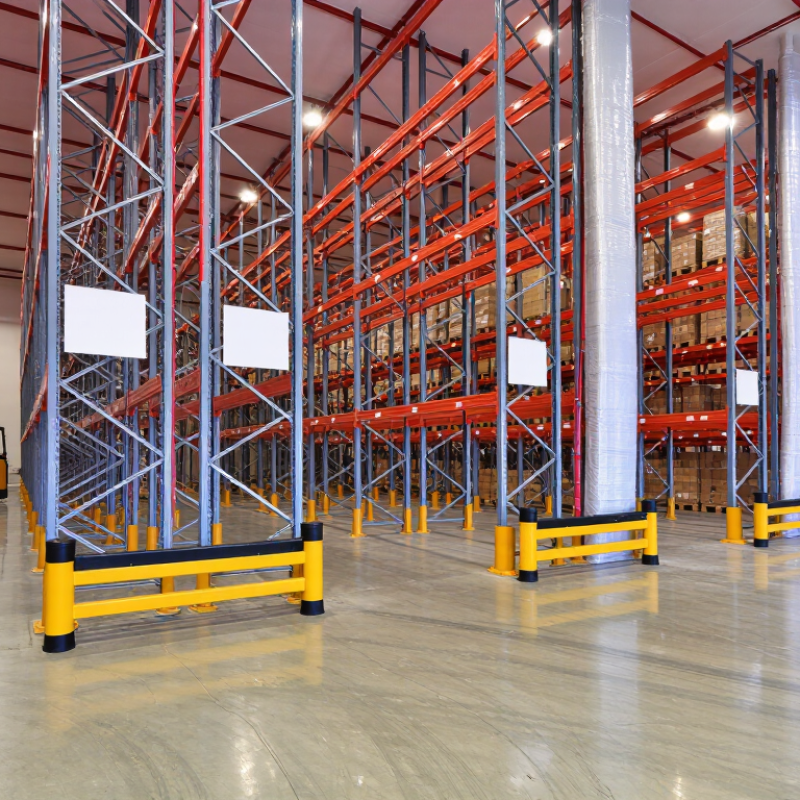
Impact racks are warehouse storage systems designed to reduce damage from everyday impacts, especially around busy forklift routes. The term often refers to racks fitted with protective guards, rather than one standard rack design. Upright guards shield exposed frame legs, while end-of-aisle barriers help protect whole rack rows. Some facilities also use column guards near loading areas.

A forklift turning too tightly can strike a rack upright and weaken its structure. A guard absorbs or deflects some of that contact, helping prevent damage to stored goods and rack components. Small details matter: a guard must sit in the likely impact zone without blocking access to pallets or floor-level labels. Still, protection is not immunity. A serious collision can damage both the guard and the rack behind it.

Choosing protection starts with observing actual traffic patterns, not just looking at a floor plan. Check where forklifts reverse, where loads swing, and which rack ends face open aisles. Match guard type and installation to the rack design and operating conditions, and have damaged equipment assessed before reuse. Inspections matter. Guards can hide bent steel, loose anchors, or cracked surfaces, so they should not be treated as proof that a rack remains safe.

What Are the Top Impact Racks for Warehouses?

How impact protection helps safeguard warehouse storage

Rack guards and aisle-end barriers help shield vulnerable rack uprights from vehicle strikes. This illustrative calculation assumes a loaded forklift mass of 3,000 kg and uses kinetic energy (½ × mass × speed²); it is not a rack impact rating or a damage threshold. Because energy rises with the square of speed, even a modest increase in travel speed can substantially increase impact energy.

Key Types of Impact Racks and Their Applications

Impact racks are not one rack style; they are storage systems matched with protection for the traffic around them. Selective pallet racks suit mixed-SKU warehouses because every pallet remains accessible. Add column guards and end-of-aisle barriers where forklifts turn tightly. A guard can take a scrape, but it cannot repair a bent upright.

Drive-in racks work well for high-volume goods stored by product type, such as seasonal cartons. Their deep lanes save floor space, though forklifts enter the structure and damage risk rises. Push-back racks offer denser storage with faster access from the aisle. Pallet-flow racks use rollers for first-in, first-out movement, making them useful for dated food or packaged goods. They need clean, consistent pallets; that detail is easy to underestimate.

Cantilever racks protect long loads like lumber, pipe, and metal sections from awkward stacking on pallet beams.

MHI’s 2024 Annual Industry Report found that 55% of surveyed organizations planned to invest more than $1 million in supply-chain innovation. That investment signal makes automation and rack layout worth considering together, not separately.

Yet no rack type removes collision risk. Select based on load dimensions, turnover, aisle width, and forklift routes, then inspect damaged components promptly under applicable rack-design guidance such as ANSI MH16.1.

Features That Distinguish Top Warehouse Impact Racks

Top warehouse impact racks are distinguished less by appearance than by how they handle a real forklift strike. A well-designed guard protects vulnerable upright columns and lower beams without blocking pallet access or narrowing the aisle. Check its stated impact rating, steel thickness, shape, and anchoring method against site traffic and rack layout; a heavy-looking shell alone proves little. Fit matters. A guard that leaves the column base exposed offers incomplete coverage, while one that projects too far can snag pallets or reduce clearance.

Look for secure floor anchoring, rounded edges, and components that can be replaced after damage. Bright, visible finishes help drivers spot protection before a turn becomes too tight. Details count. Ask how the rating was tested, and confirm that installation matches the rack and floor conditions; an unsuitable anchor can weaken the whole setup. Inspect guards regularly for loosened bolts, dents, and shifted positions. Even a well-chosen guard cannot compensate for damaged anchors or poor driving habits. That limitation is easy to underestimate.

What Are the Top Impact Racks for Warehouses? - Features That Distinguish Top Warehouse Impact Racks

Rack Protection Solution Primary Protection Zone Typical Construction Distinguishing Features Key Considerations Suitable Warehouse Use
Upright protectors Lower section of individual rack uprights Formed steel or impact-resistant polymer Compact protection placed at likely fork-truck contact points; available in different shapes and mounting styles. Check upright compatibility, clearance, and attachment method. A protector does not make a damaged upright safe. Selective pallet-rack aisles where vehicles frequently approach individual rack legs.
Rack-end guards Exposed ends of rack rows Steel guard rails, posts, or combined barrier assemblies Creates a visible buffer at aisle ends, where turning vehicles can strike rack frames. Requires suitable floor anchoring and adequate turning clearance. Confirm that the guard does not obstruct access or egress. Busy forklift routes, cross-aisles, and exposed row ends.
Freestanding safety barriers Traffic lanes and larger protected areas near racks Steel rails or posts; some systems use energy-absorbing polymer components Separates vehicle paths from storage equipment and can protect multiple rack bays or work areas. Select a system with documented impact-performance information for the expected vehicle and operating conditions. Barrier placement affects aisle width. Facilities needing a continuous boundary between material-handling traffic and storage or pedestrian areas.
Column protectors Building columns located near vehicle routes or rack rows Steel, polymer, or composite protective covers and barriers Helps shield structural columns from vehicle contact; some designs wrap around the column without fixing directly to it. Match the protector to column dimensions and installation requirements. Do not assume it replaces a structural assessment after an impact. Warehouses with columns close to forklift paths, dock areas, or rack ends.
Flexible rack-mounted protectors Rack uprights or frame faces at low levels Impact-resistant polymer or other resilient materials Some designs flex or deform under contact and may return toward their original shape; they can be lighter than steel guards. Performance varies by design, impact conditions, temperature, and installation. Inspect regularly and replace damaged components as directed. Operations seeking localized rack protection where frequent minor contact is a concern.
Rack protection with floor-anchored posts Rack faces or corners exposed to vehicle approaches Steel posts or rails installed into the floor in front of rack frames Provides a stand-off between vehicle traffic and rack structure, rather than attaching protection only to the upright. Floor condition, anchor design, spacing, and rack clearance all matter. Installation should follow the system design and site requirements. High-exposure locations where rack frames need a separate protective barrier.

Selection note: Impact protection reduces exposure but does not eliminate risk or replace rack inspection. Verify impact-performance data, installation requirements, aisle clearances, and compatibility with the rack system and site conditions.

How to Choose an Impact Rack for Your Warehouse

Choosing an impact rack starts with the loads it must hold and the traffic around it. Record pallet weights, dimensions, beam levels, and the height of each load. Watch a normal shift. Note where forklifts turn, reverse, or pass close to rack uprights. Measure aisle widths and check for uneven floors or low-clearance obstacles. These details help determine whether you need stronger rack frames, protective barriers, or both. A guard cannot make an overloaded rack safe.

Compare rack specifications with your actual load plan, not just the advertised capacity. Confirm that the stated rating applies to your beam spacing and configuration. Ask how impact protection is installed and whether it blocks access for inspections. Keep guards clear of sprinkler systems and exit routes. A qualified rack specialist can review the layout and verify load limits. After a collision, isolate the affected bay and have it inspected before use. Replace bent or cracked parts as directed by the rack’s instructions. Even careful planning can miss a busy corner or changing traffic pattern, so review the setup when equipment, loads, or workflows change.

Installation, Inspection, and Maintenance of Impact Racks

Impact-resistant warehouse racks only perform as intended when installed to the engineered layout. Check slab condition, anchor locations, upright spacing, and aisle clearance before assembly begins. Use the specified anchors and torque values; do not compensate for an uneven floor with improvised shims. Keep each frame plumb, connect beams fully, and verify that locking devices are engaged.
Small errors matter.

After installation, record the rack configuration and rated loads, then post clear load notices where operators can see them. Inspect regularly, and after any collision, for bent uprights, twisted beams, loose anchors, missing locks, or cracked welds.
Look low.
Forklift impacts often leave paint scuffs that hide a slight buckle near the base. Compare findings with the system’s inspection criteria or a qualified rack inspector’s assessment; appearance alone cannot confirm capacity.

When damage is found, unload and isolate the affected section according to site procedures. Never straighten a loaded frame. Replace damaged components with compatible parts specified for the rack system, and document repairs and follow-up checks. Keep aisles clear so operators can avoid striking rack legs.
Schedules may slip. Busy shifts can turn inspection logs into paperwork unless someone is responsible for acting on the findings.

FAQS

What are impact racks?

They are warehouse racks fitted with guards that help protect vulnerable frame legs from forklift contact. Protection is not immunity.

Which areas usually need guards?

Upright bases, aisle ends, and columns near loading areas are common targets. Watch turning points.

How do guards reduce damage?

Guards absorb or deflect some impact, reducing risk to rack parts and stored goods. A hard strike can still damage both.

How should a facility choose guard types?

Observe forklift routes, reversing points, swinging loads, and exposed rack ends. Floor plans miss real habits. Match coverage to rack design, aisle clearance, and site conditions.

What features should staff check?

Review impact ratings, steel thickness, shape, anchoring, and replacement options. Heavy-looking steel proves little. Confirm the rating was tested and suits the installation.

What matters during installation?

Check the slab, anchor positions, upright spacing, and aisle clearance. Use specified anchors and torque values. Keep frames plumb and locks engaged.

How often should impact racks be inspected?

Inspect regularly and after every collision. Look for dents, loose anchors, shifted guards, bent uprights, and missing locks. Check low. Paint scuffs can hide a buckle.

What should staff do if a rack is damaged?

Unload and isolate the affected section under site procedures. Never straighten a loaded frame. Replace damaged parts with compatible specified components, then document repairs and follow-up checks. Logs need an owner.

Conclusion

Impact Racks help protect warehouse storage by absorbing and redirecting impacts from forklifts and other moving equipment, reducing the risk of damage to rack uprights, stored goods, and nearby operations. Different types serve different needs, from rack-end and column protection to barriers designed for high-traffic aisles. The most effective options combine durable materials, a suitable impact-absorption design, and dimensions that fit the layout and level of activity in the warehouse.

Choosing the right Impact Racks requires assessing traffic patterns, equipment, rack configuration, and potential collision points. Proper installation is essential for reliable protection, while regular inspections can reveal loosened fixings, deformation, or other signs of wear. Prompt maintenance and replacement of damaged components help preserve performance and support a safer, more organized storage environment.

Ethan

Ethan

Ethan is a seasoned marketing professional with a deep expertise in our company's innovative product line. With a passion for sharing knowledge and insights, he takes the lead in regularly updating our corporate blog, where he explores industry trends, product features, and effective marketing......