Engineered for optimum structural rigidity, custom-configured load capacities, and complete compliance with European safety criteria.
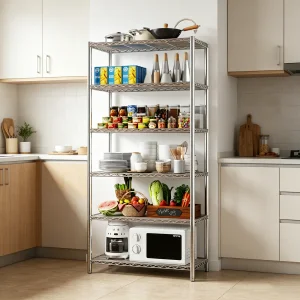
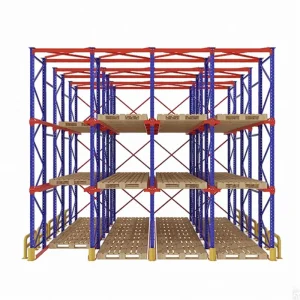
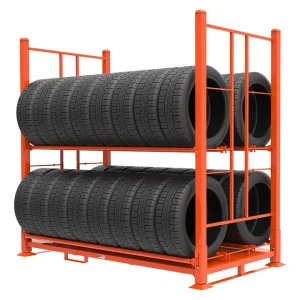
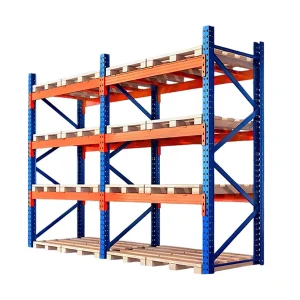
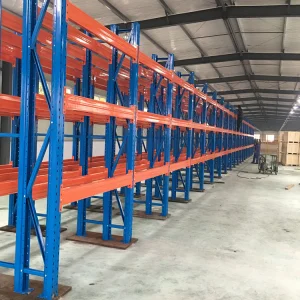
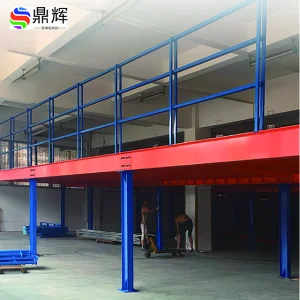
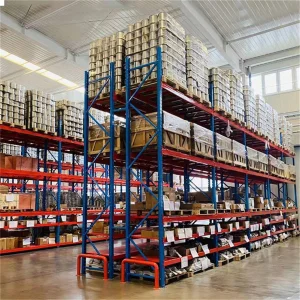
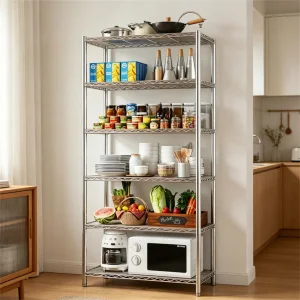
Foshan Dinghui Intelligent Warehousing Technology Co., Ltd. - Structuring Global Supply Chain Efficiency Since 2015.
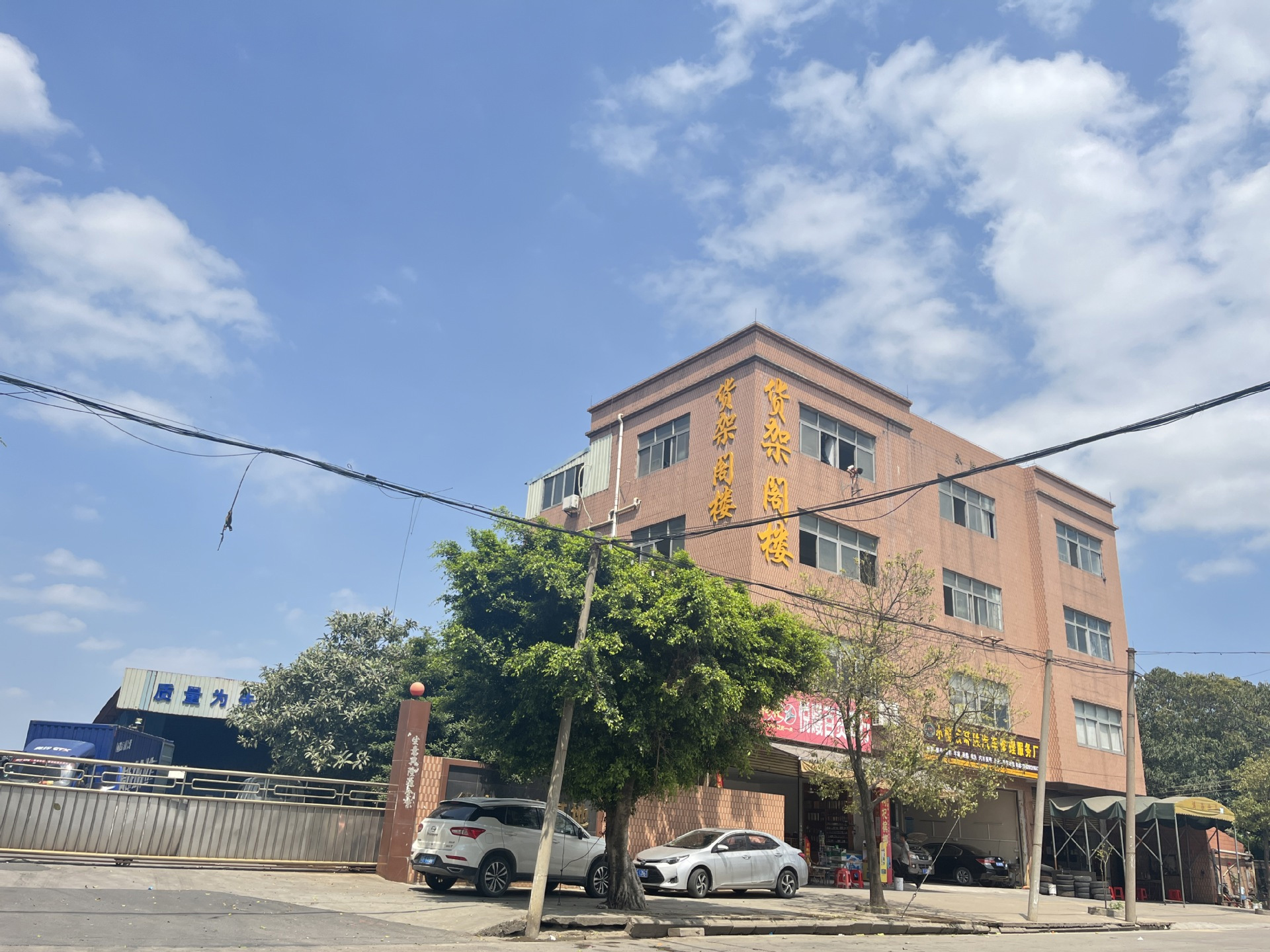
Foshan Dinghui Intelligent Warehousing Technology Co., Ltd., established in 2015, is a premier manufacturer specializing in heavy-duty industrial storage racks, pallet racking systems, and automated warehouse solutions. Spanning a modern manufacturing base of 38,000 square meters, we bring together 12 years of industry experience and 8 years of direct global export expertise, generating an annual export revenue of over $25 million USD.
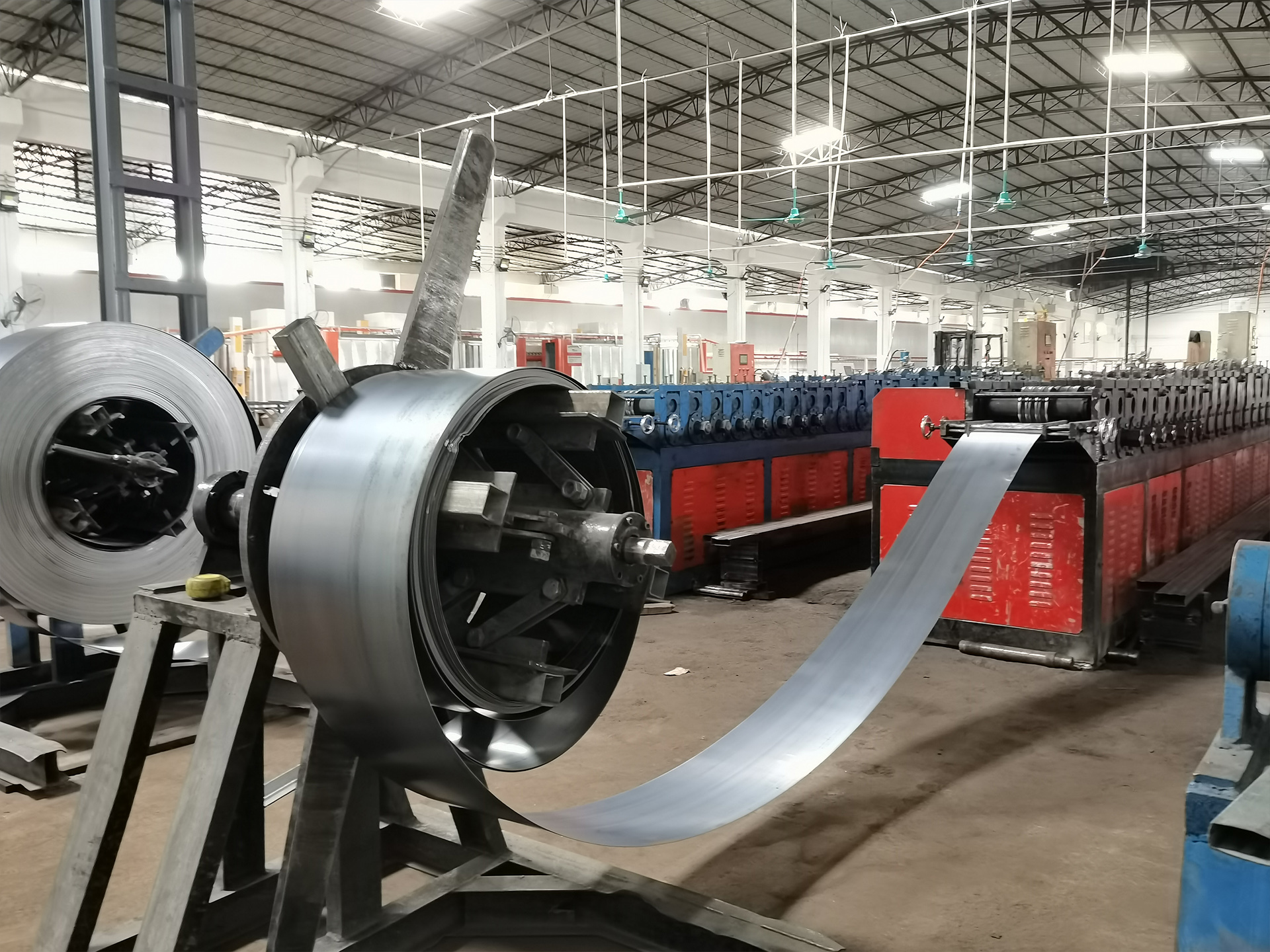
Our facility is equipped with state-of-the-art automated roll-forming systems and high-precision electrostatic powder-coating lines. Our quality management protocols conform strictly to rigorous ISO 9001 and CE certification standards. To ensure optimal performance in seismic zones and high-throughput environments, we perform mandatory product testing including raw material tensile testing, structural load-bearing simulation, powder coating adhesion tests, and weld non-destructive inspection (NDI).
With an extensive international trade background, our operations cross into North America, Europe, Southeast Asia, and the Middle East. Supporting our industrial outreach is a global network of over 850 reliable supply chain partners, enabling us to deliver targeted structural designs to 3PL logistics providers, cold chain hubs, manufacturing centers, and regional industrial distributors.
How high land acquisition costs and shifting logistical demands drive vertical storage engineering.
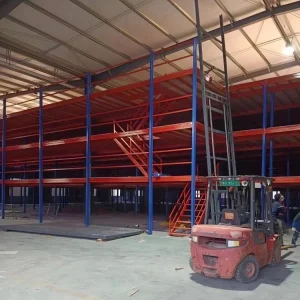
In modern industrial logistics, storage capacity is no longer calculated by square footage alone, but by volumetric utilization efficiency (cubic space index). High real estate development costs and proximity limits near major transportation terminals force enterprises to expand vertically. Traditional warehouse models that only store goods at floor level lose up to 70% of potential spatial capacity. Moving toward multi-tier mezzanine configurations and high-bay pallet racking layouts allows facility managers to maximize height parameters without altering structural outer walls.
By transitioning from basic standard floor layouts to engineered vertical racking systems, warehouses can increase storage capacity by 150% to 300%. This vertical growth reduces per-pallet storage overhead and helps scale operational capacities for high-velocity supply lines.
This structural change requires stricter safety profiles. Elevating payloads up to 10 to 15 meters places higher pressure on upright steel columns and load-bearing beams. Factors like structural deflection, dynamic loading from forklifts, and local seismic hazards must be addressed. Certified engineering calculations (e.g., Finite Element Analysis) and using certified steel grades (like Q235B or Q355B) ensure systems remain stable under heavy daily operations.
Our design and development process is driven by continuous custom engineering. Backed by 18 experienced senior R&D engineers, we provide extensive OEM/ODM customization capabilities. This includes calculating seismic-resistant designs, customized high-bay load capacities, specialized anti-corrosion chemical finishes, and integrating rack systems with Automated Storage and Retrieval Systems (AS/RS).
Last year alone, our R&D division introduced 45 new product designs and structural upgrades, focused on optimizing warehouse utility. By utilizing advanced engineering simulation tools, we model how racking configurations perform under different weights and seismic conditions before production begins.
Meeting global structural and safety regulations to ensure safe industrial operations.
Deploying heavy industrial racking structures requires strict adherence to regional safety codes. In Europe, storage systems must comply with the CE directive and European standards like EN 15512, EN 15620, and EN 15635. These standards govern limits on structural deflection, installation tolerances, and routine inspection criteria. Similarly, in North America, systems must follow guidelines from the Rack Manufacturers Institute (RMI) and ANSI MH16.1.
Foshan Dinghui's manufacturing and engineering procedures conform directly to these international standards. Every structural design is backed by documentation and certified testing, giving warehouse operators, structural engineers, and local inspectors full confidence in the safety and load ratings of our systems.
| Testing Protocol | Methodology & Standards Applied | Purpose & Operational Benefit |
|---|---|---|
| Raw Material Tensile Testing | Tested using ASTM E8/E8M standard procedures. | Verifies yield and tensile strength profiles of steel coils. |
| FEA Load Simulation | Computer-based finite element analysis modeling. | Identifies stress points and predicts structural deflection. |
| NDI Welded Inspections | Ultrasonic and magnetic particle non-destructive testing. | Detects internal defects to ensure weld integrity. |
| Anti-Corrosion Durability | ISO 9227 salt spray and powder coating adhesion tests. | Ensures finish longevity in high-humidity or cold environments. |
Our quality verification processes are managed by our internal quality control department. A team of 35 QA/QC specialists oversees production from raw steel coil inspection to final packaging, verifying that all output complies with ISO 9001 and CE certification standards. This continuous inspection helps prevent installation delays and ensures long-term structural reliability under load.
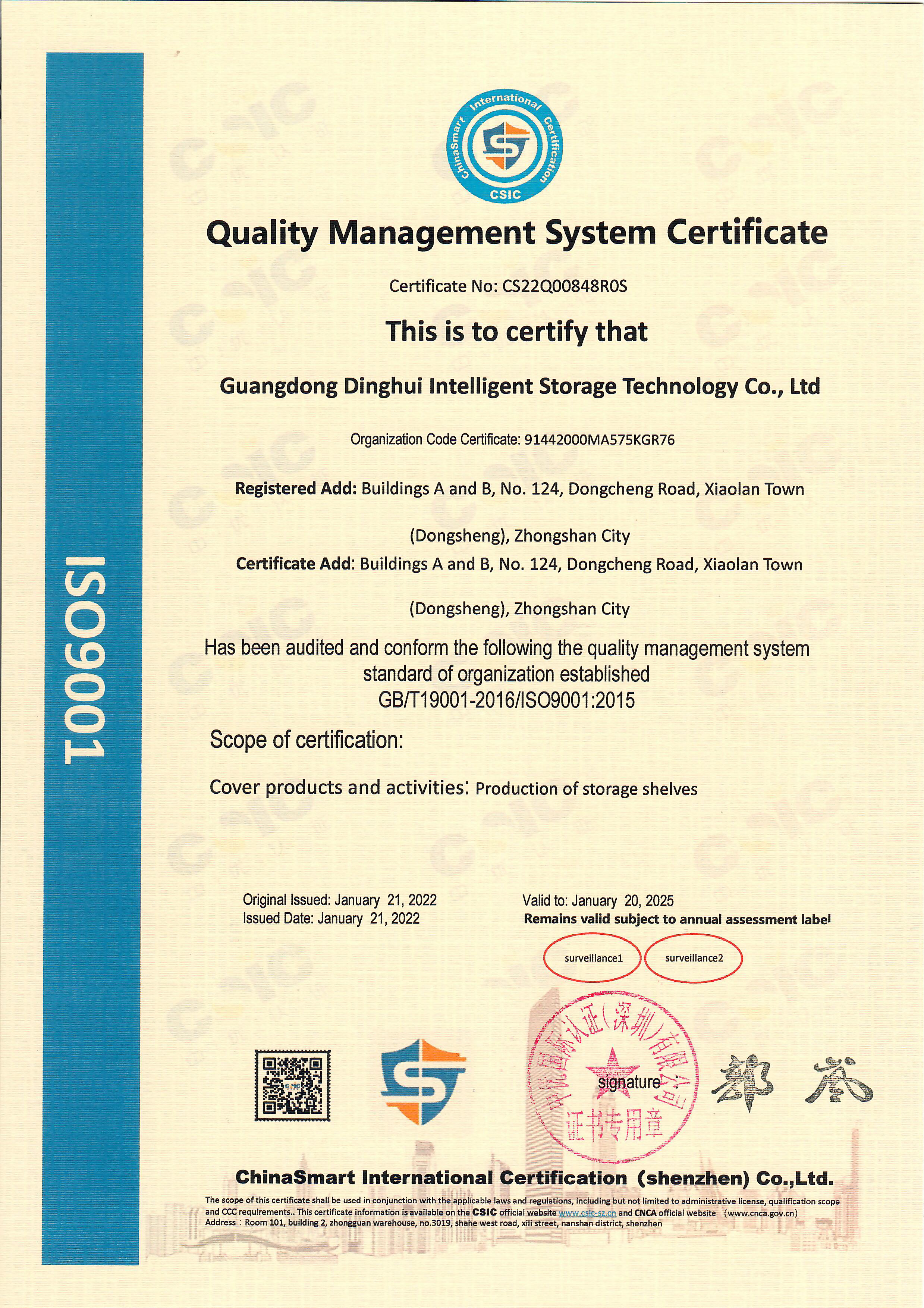
ISO 9001 Compliance
Engineered space-saving rack designs applied across diverse commercial and industrial sectors.
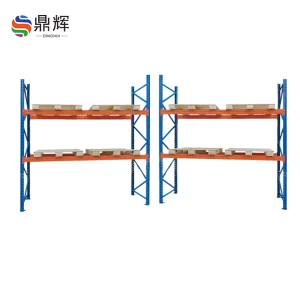
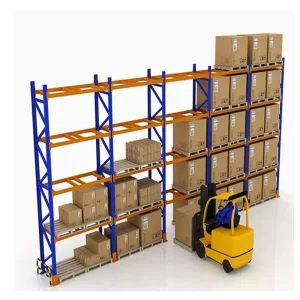
Third-Party Logistics (3PL) providers require versatile systems that handle diverse pallet dimensions and turn inventory quickly. Selective Pallet Racking and Drive-In Racking configurations are ideal here, providing direct access to every pallet position or maximizing storage density for bulk, uniform items. Integrating column protectors and heavy-duty frame barriers helps minimize damage from frequent forklift contact.
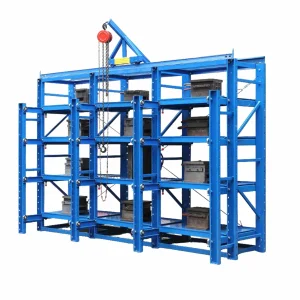
Manufacturing facilities handle extremely heavy, concentrated loads, such as stamping molds, dies, and cast components. Storing these on standard racks is unsafe. Custom Drawer-Style Mold Racks allow heavy tools to slide out safely, giving overhead cranes easy access to lift and move them directly to production lines.
Cold storage facilities face high energy and construction costs, making spatial density critical. Mezzanine Platform Shelves and multi-level rack configurations maximize cold-room capacity. Racking for cold storage must use specialized steel grades and powder coatings that resist low temperatures and high humidity without flaking or rusting.
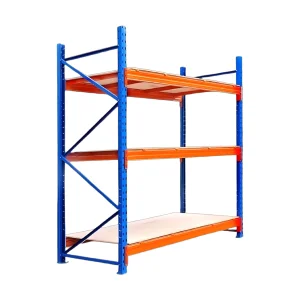
E-commerce operations require fast piece-picking and organized SKU layouts. Boltless Steel Shelving, long-span layouts, and multi-tier mezzanine floors help separate picking zones from bulk storage. This structure supports faster packing speeds, improves worker ergonomics, and simplifies inventory management.
The Next Era of Smart Industrial Warehousing (2025–2030).
The warehousing sector is shifting from static steel shelving toward semi-automated and fully automated storage systems. As automation and real-time data integration expand, industrial racking systems must evolve to support these new technologies. Our long-term technical development focuses on three primary areas:
Expert technical answers for procurement officers, warehouse managers, and structural engineers.
Engineered to support heavy payloads, maximize floor space, and maintain long-term structural stability.
 Dinghui Racking