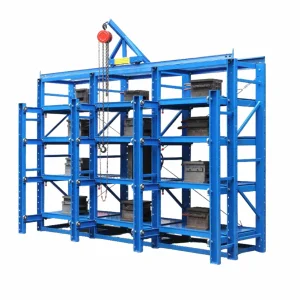
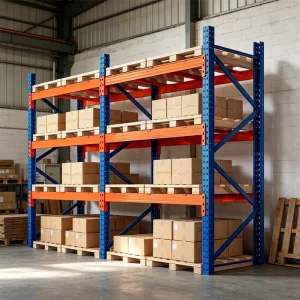
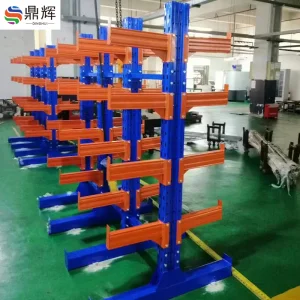
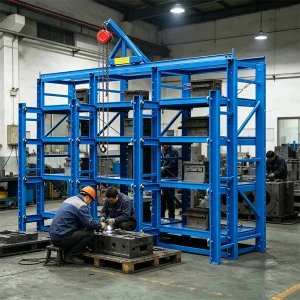
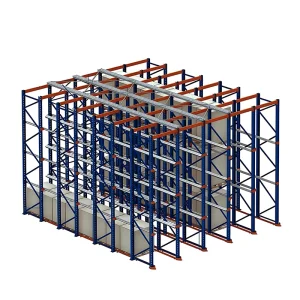
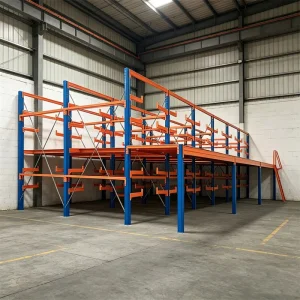
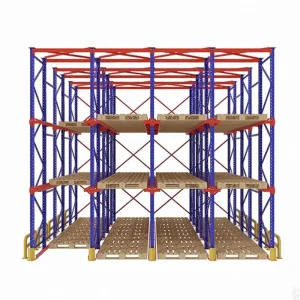
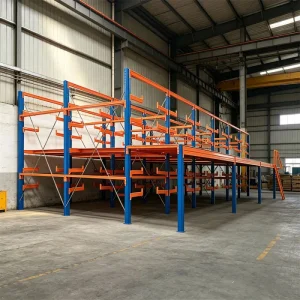
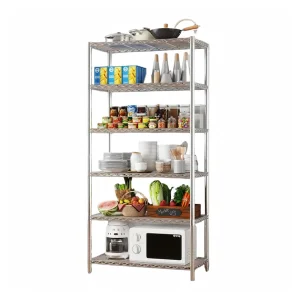
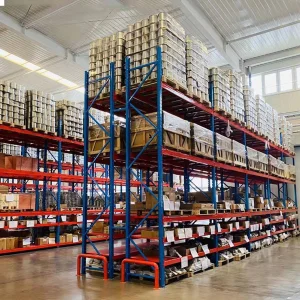
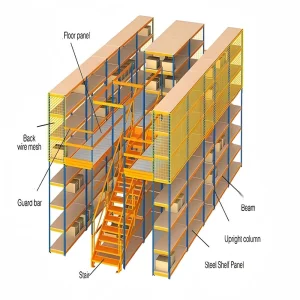
Explore our foundational range of heavy-duty industrial storage racks and structural platforms designed for extreme efficiency.
Leveraging advanced robotics, state-of-the-art roll forming technology, and decades of engineering excellence.
Established in 2015, Foshan Dinghui Intelligent Warehousing Technology Co., Ltd. is a leading manufacturer specializing in heavy-duty industrial storage racks, pallet racking systems, and automated warehouse solutions.
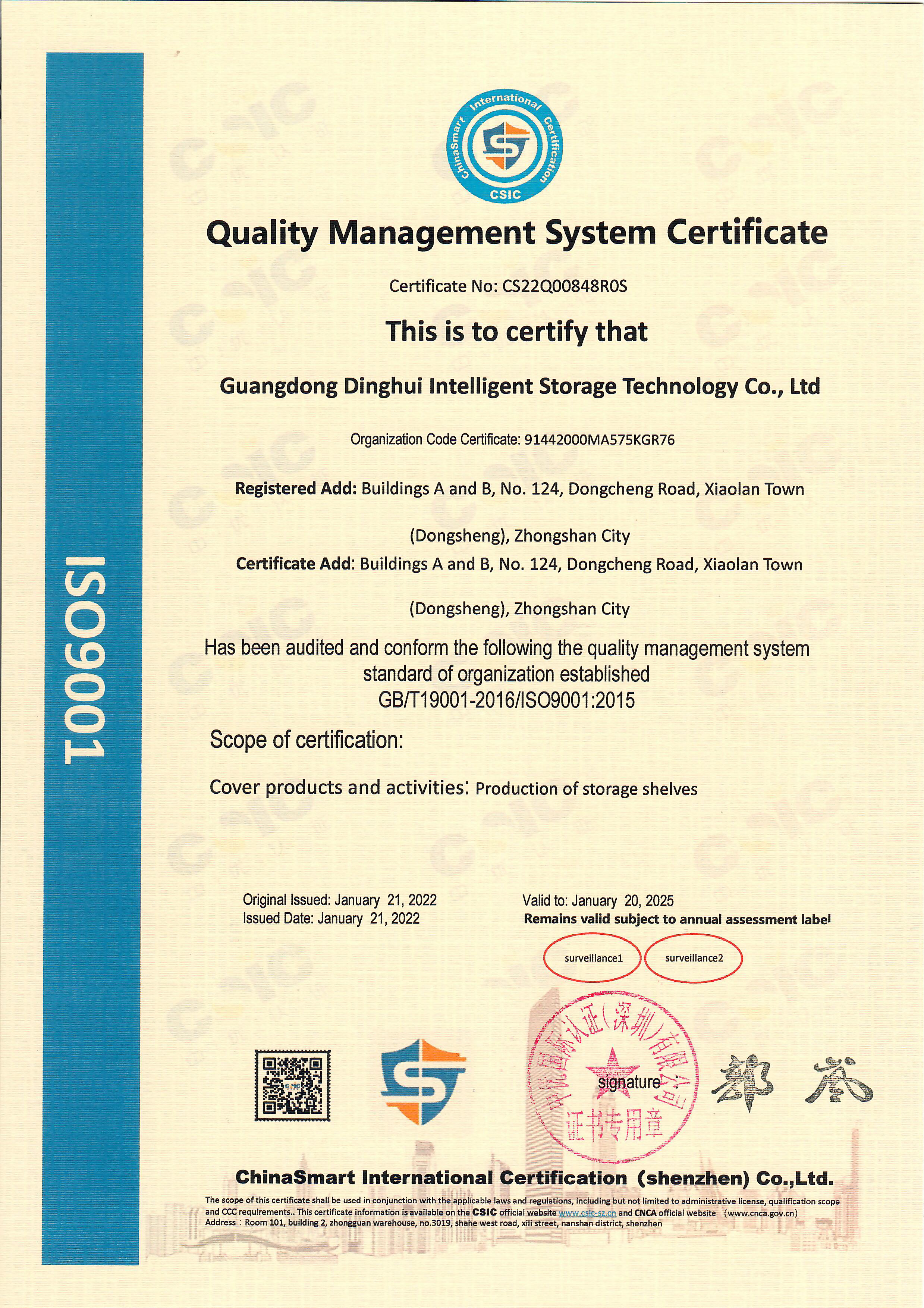
Our quality control procedures strictly adhere to ISO 9001 and CE certification standards. Backed by a dedicated 35-member QA/QC team and 18 experienced senior R&D engineers, we ensure that every structural steel platform and racking component meets the demanding conditions of modern logistics centers.
From tensile testing of raw Q235B/Q355B steel to structural load-bearing simulation and non-destructive weld inspections (NDI), we deliver structural integrity that minimizes operational risks for our global clients.
A comprehensive engineering review of structural steel mezzanine floors, material characteristics, safety calculations, and supply chain efficiencies.
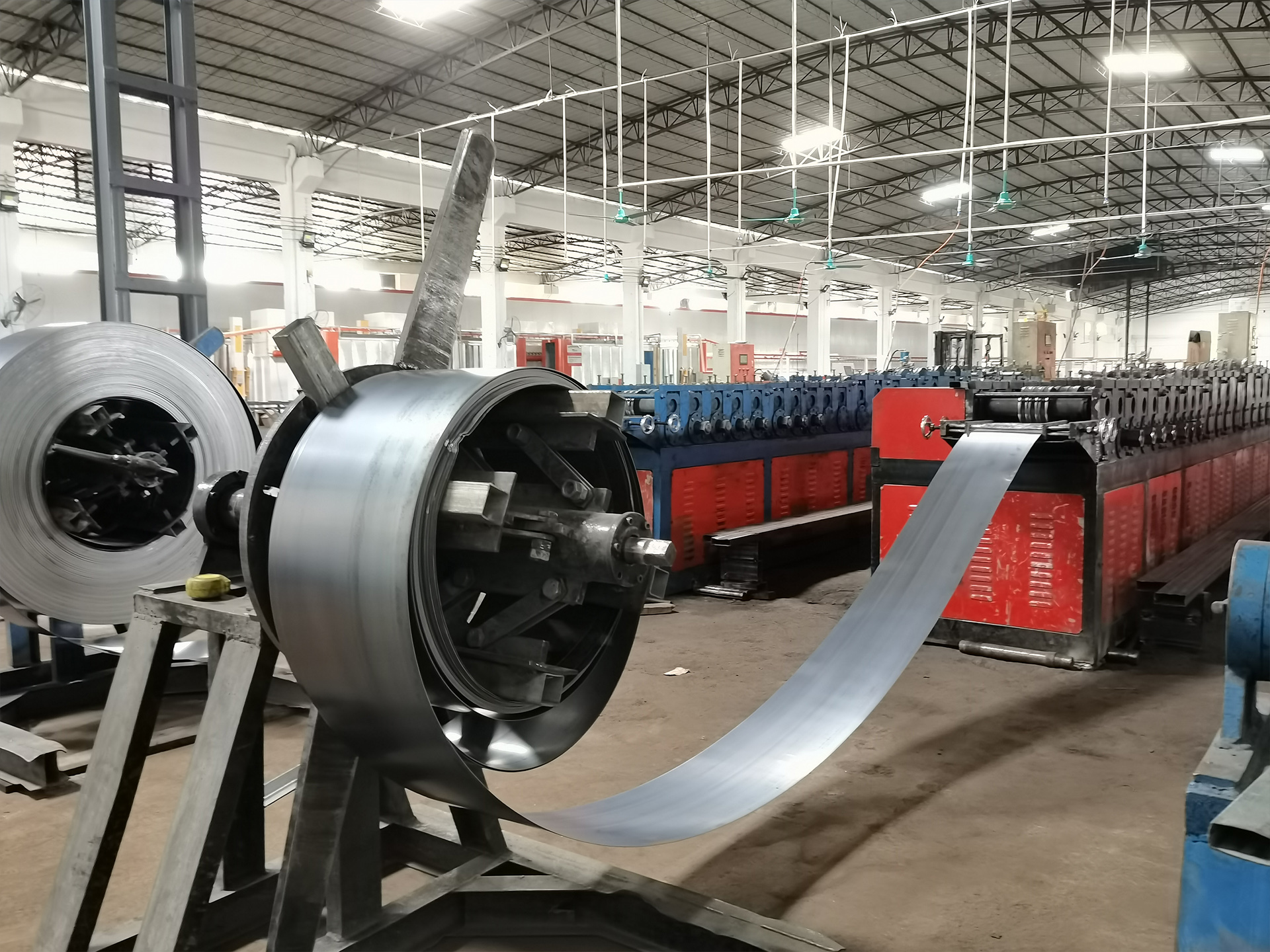
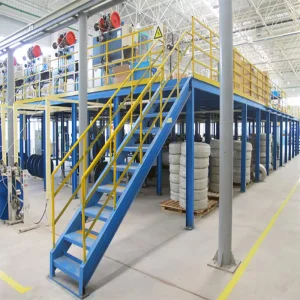
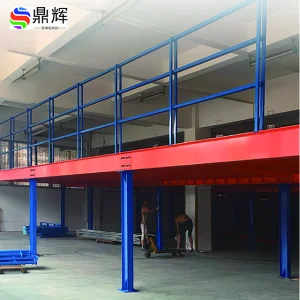
Industrial steel platforms rely on the selection of hot-rolled structural steel beams (such as I-beams, H-beams, and channels) or cold-formed light-gauge profiles (sigma, C-channels) to manage load requirements while keeping weight optimized. We utilize high-grade carbon steel formulations like Q235B and Q355B, which offer high yield strength (up to 355 MPa) and excellent weldability.
For custom platforms, structural column spacing must be carefully balanced with deck loading requirements. Spans from 3 to 6 meters are common, but larger spaces can be engineered using heavy-duty structural designs. Our automated roll-forming lines process these steel profiles with high dimensional precision, preventing structural misalignment during site assembly.
Industrial environments expose steel structural elements to moisture, chemical fumes, and mechanical impacts. To ensure a long service life, our steel platforms receive a multi-stage surface treatment. This includes an automated acidic pickling and phosphating process to remove rust and mill scale, followed by the application of electrostatic epoxy powder coatings.
The powder coating layer is cured at high temperatures to form a durable skin with high impact and scratch resistance. For harsh environments, we offer hot-dip galvanized components that comply with ISO 1461, ensuring corrosion protection even in high-humidity or cold-chain storage facilities.
| Parameter | Standard Specification | Heavy-Duty Option | Testing Standard Compliance |
|---|---|---|---|
| Load Capacity | 300 - 800 kg/m² | 1000 - 2000+ kg/m² | EN 1993 (Eurocode 3), RMI Standards |
| Steel Grade | Q235B Carbon Steel | Q355B Structural Alloy Steel | GB/T 1591, ASTM A572 |
| Colum Spacing Span | 3000mm - 4500mm | 5000mm - 8000mm (Custom Trussed) | Seismic Deflection Calculations |
| Coating Thickness | 60 - 80 Microns (Powder Coated) | 85 - 120 Microns (Hot-Dip Galvanized) | ISO 2178, ASTM D3359 Adhesion Test |
| Weld Integrity | CO₂ Shielded Arc Welding | Full Penetration Structural Welding | NDI (Non-Destructive Inspection), AWS D1.1 |
Why international procurement managers trust our industrial manufacturing ecosystem in Guangdong, China.
Located in Foshan, we sit at the heart of China’s primary metal fabrication corridor. This grants us direct access to raw steel materials at competitive pricing, insulating our clients from global material cost spikes.
Before leaving the factory, sample batches undergo structural mockups. Components are test-fitted to confirm hole alignment and load tolerances. This reduces on-site troubleshooting during final installation.
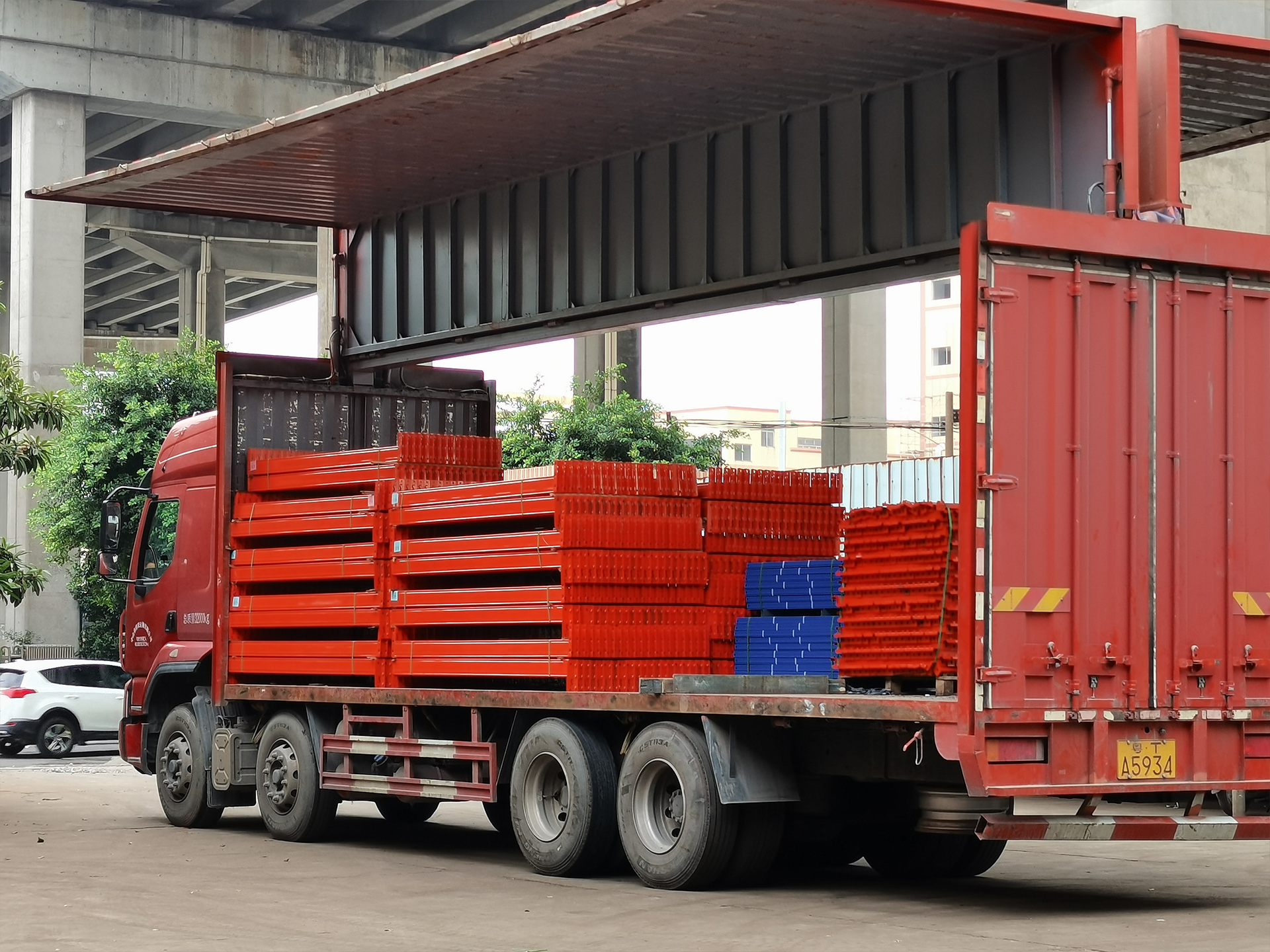
We bundle heavy structural members with protective plastic wrapping, timber dunnage, and steel strapping. This prevents movement and damage during long-distance maritime shipping and multiple port handlings.
Deploying heavy industrial mezzanines requires compliance with regional building codes and safety regulations. In the United States, designs must align with the Rack Manufacturers Institute (RMI) specifications and local IBC codes. Across Europe, Eurocode 3 (EN 1993) governs structural steel design, alongside CE certification requirements for load-bearing structures.
Dinghui Intelligent Warehousing supports global clients by providing complete calculation sets, localized CAD layout drawings, and material certificates. We coordinate with structural engineering partners in North America, Western Europe, and Australia to verify that our designs comply with regional seismic requirements, stair layout standards, and fire escape regulations.
Our Quality Management System is audited annually to maintain compliance with ISO 9001:2015 standards, ensuring consistency across every production run.
Modern layouts require steel platforms that adapt to evolving supply chain demands and material handling configurations.
E-commerce operations benefit from multi-tier platform configurations that support sorting conveyors, pick-to-light modules, and staff walkways. These designs maximize floor utilization and increase pick rates.
Industrial production areas use heavy-duty steel mezzanines to separate machining lines from maintenance workshops, material staging zones, or overhead control rooms, optimizing safety and workflow.
In temperature-controlled warehouses, maximizing cubic storage capacity is critical due to high refrigeration costs. Steel platforms help double the usable area without extending the footprint of the cold room.
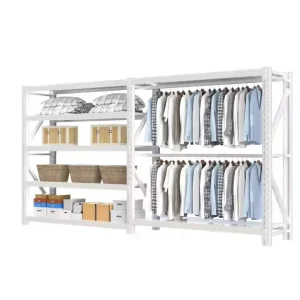
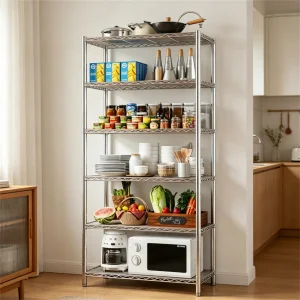
Complement your structural platform layout with our high-loading pallet racks, cantilever arms, and boltless structural designs.
Detailed engineering answers to the most common queries from industrial engineers, plant operators, and procurement managers.
 Dinghui Racking