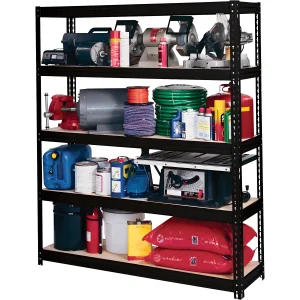
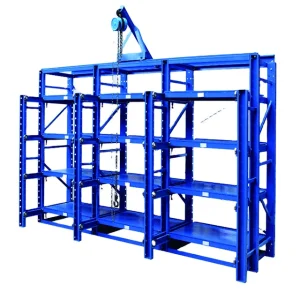
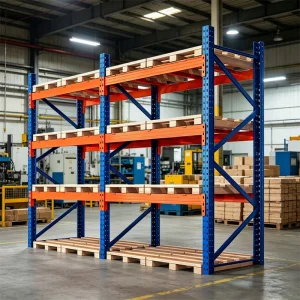
Explore our custom-engineered racking platforms designed to maximize vertical square footage and enhance heavy-duty storage safety.
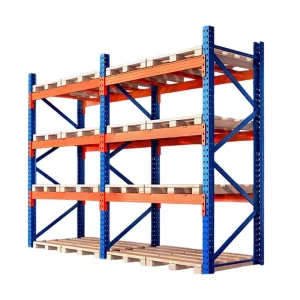
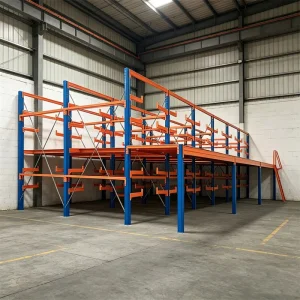
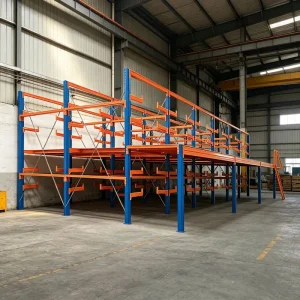
An in-depth analysis of vertical space reclamation, load physics, structural calculations, and compliance paradigms in modern logistics.
In the contemporary landscape of global logistics, commercial warehousing, and high-density industrial storage, floor space has evolved into one of the most cost-intensive overhead constraints. As e-commerce acceleration, 3PL logistics networks, and manufacturing operations continue to compress lead times and demand greater storage volumes, companies are forced to seek vertical solutions rather than expensive horizontal real estate expansion. This is where wholesale mezzanine systems act as a primary driver of operational efficiency.
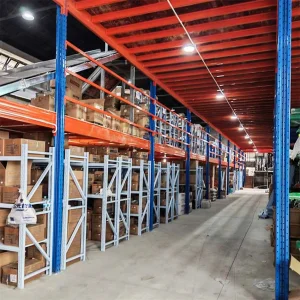
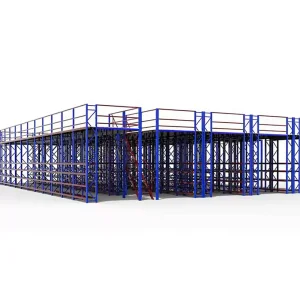
A structural steel mezzanine platform allows facilities to double or even triple their usable square footage without altering the building’s footprint. By utilizing overhead clearances, warehouses can implement multi-level assembly lines, dense catalog picking zones, administrative office spaces, or heavy machinery platforms. Selecting the correct manufacturing exporter becomes a critical procurement decision involving material science, structural engineering calculations, safety compliances, and localization parameters.
"The core value of an industrial mezzanine system lies not merely in its physical load capacity, but in the structural design flexibility that allows seamless integration with automated material handling systems, conveying systems, and safe fire suppression infrastructures."
Mezzanine decks are built to withstand dead loads, live loads, and point loads ranging from 300 kg/m² to over 2,000 kg/m² for heavy machinery applications.
Custom engineering ensures minimal ground floor interference, using wide span column layouts that optimize floor clearance and forklift paths.
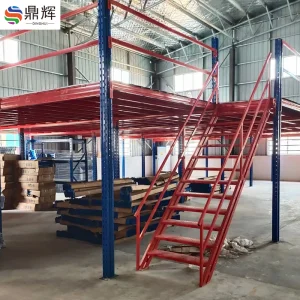
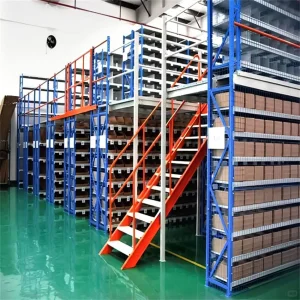
Integrated fire-resistant structures, heavy-duty stairwells with safety handrails, self-closing pallet gates, and robust kickplates for worker security.
A world-class production base delivering precision-engineered steel racking and modular warehouse platforms globally.
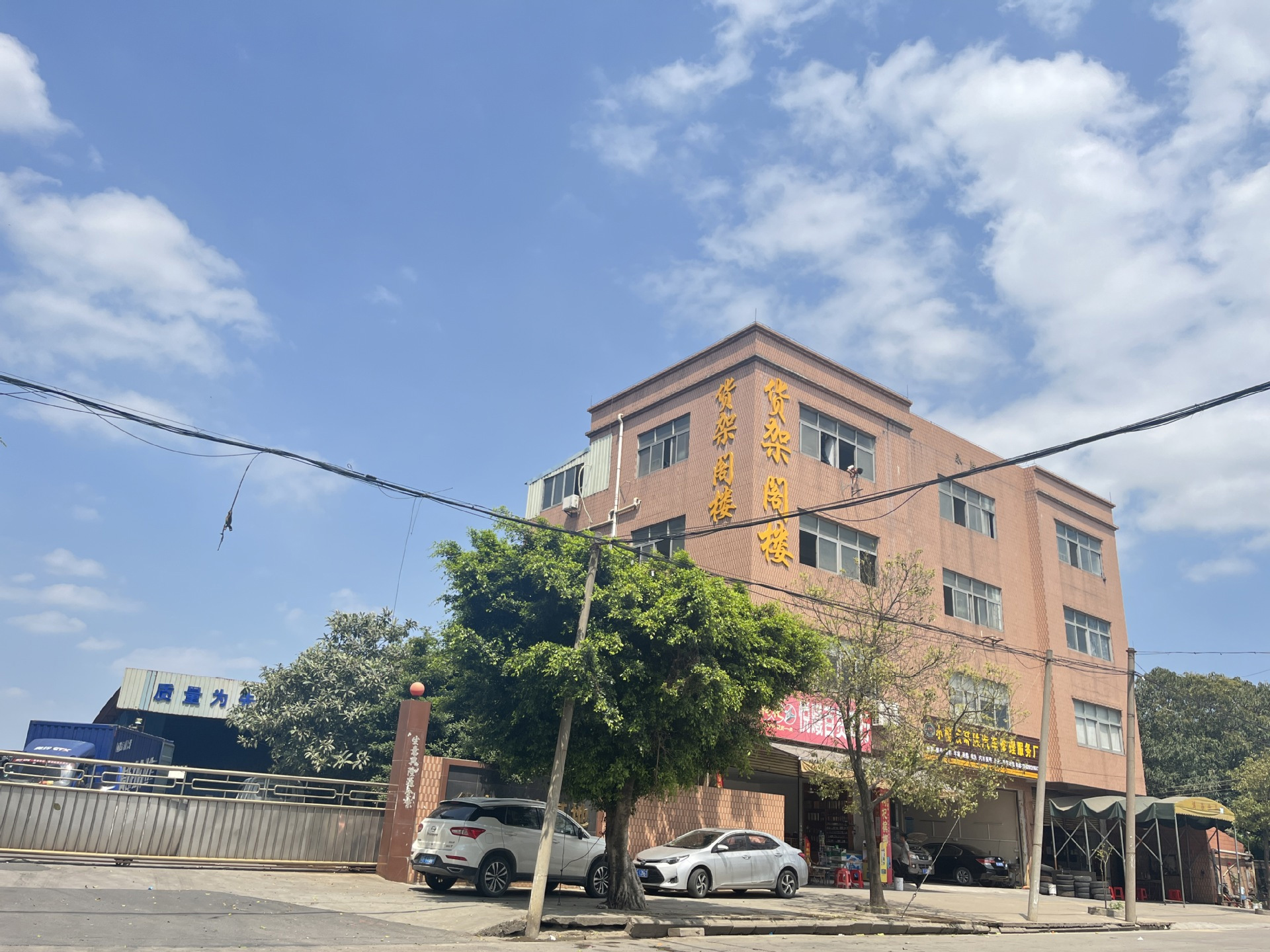
Established in 2015, Foshan Dinghui Intelligent Warehousing Technology Co., Ltd. is a leading manufacturer specializing in heavy-duty industrial storage racks, pallet racking systems, and automated warehouse solutions. Spanning a modern manufacturing base of 38,000 square meters, we bring together 12 years of industry experience and 8 years of direct global export expertise, generating an annual export revenue of over $25 million USD.
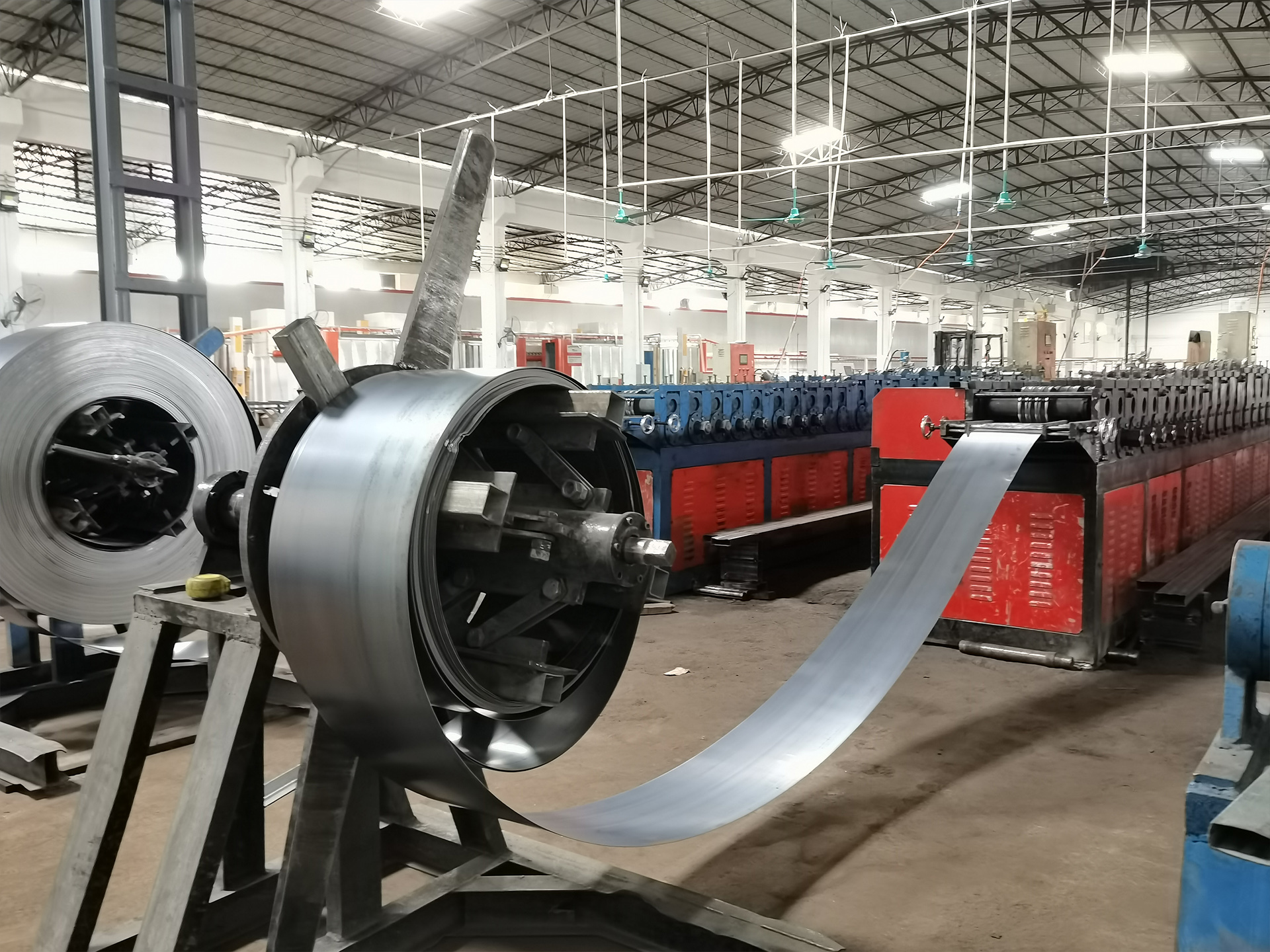
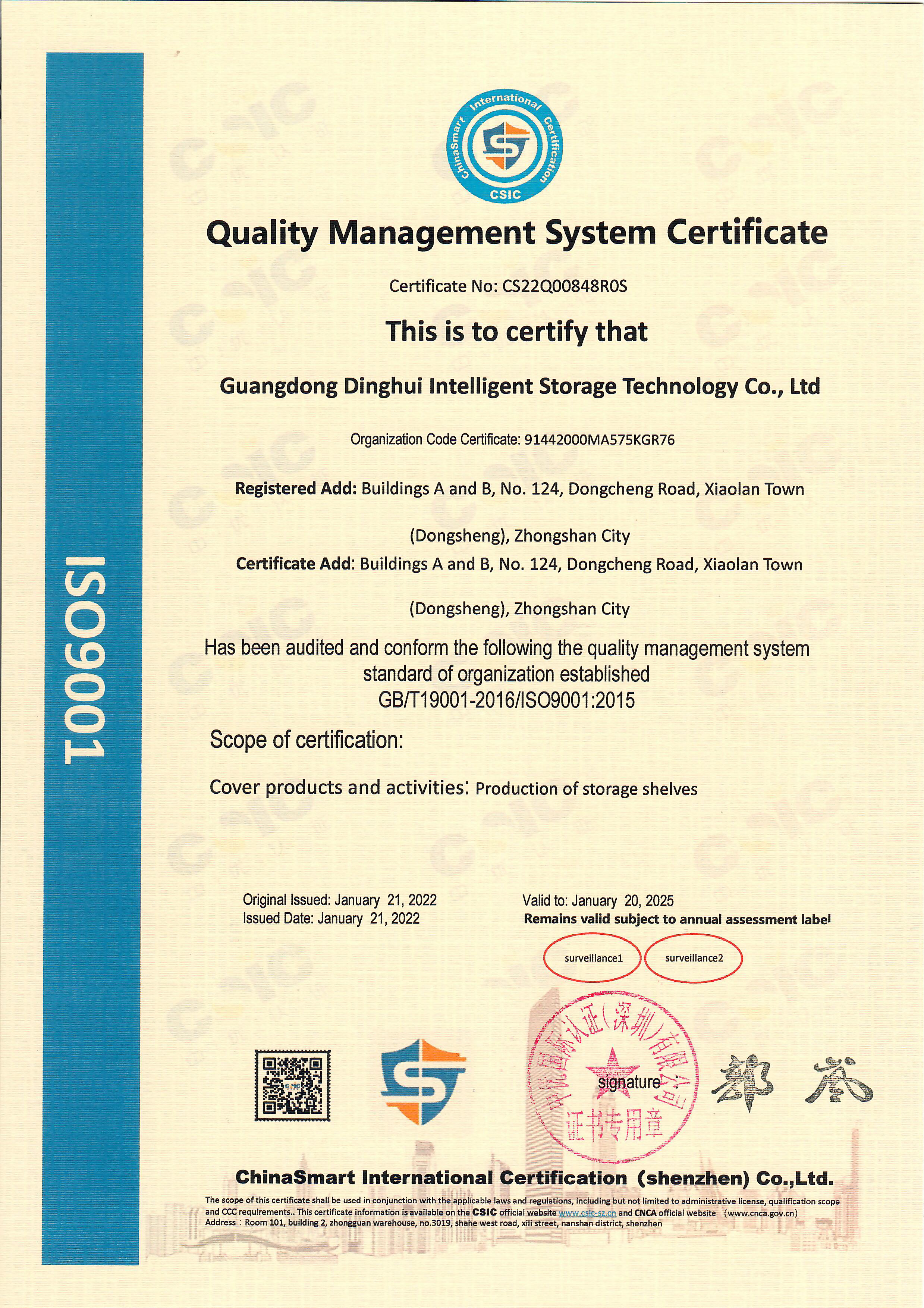
Equipped with advanced automated roll-forming and powder-coating production lines, our quality control procedures adhere to rigorous ISO 9001 and CE certification standards. We implement comprehensive product testing protocols, including raw material tensile testing, structural load-bearing simulation, powder coating adhesion tests, and weld non-destructive inspection (NDI). Supported by a dedicated 35-member QA/QC team, we ensure that every racking component strictly meets international safety and durability standards.
Operating with a strong international OEM/ODM trade background, our primary markets span North America, Europe, Southeast Asia, and the Middle East. Backed by a robust network of over 850 reliable supply chain partners, we serve a diverse global client base, including 3PL logistics providers, industrial warehouse operators, e-commerce fulfillment centers, and regional distributors.
Innovation and custom engineering drive our success. Supported by 18 experienced senior R&D engineers, we offer extensive OEM/ODM customization options, including tailored load capacities, custom dimensions, seismic-resistant structural design, special powder-coating finishes, and automated system integration. Driven by continuous technical improvement, we successfully launched 45 new product designs and structural upgrades last year, empowering our global partners to optimize their warehouse efficiency.
Select the optimal platform architecture based on your load configurations, material handling access points, and spatial volume goals.
| System Classification | Typical Load Capacities | Structural Composition | Ideal Application Environments |
|---|---|---|---|
| Structural Steel Platform (Heavy Duty) | 500 - 2,000 kg/m² | Heavy H-beams, hollow structural steel profiles, hot-rolled channels. | Manufacturing cells, heavy tooling storage, automated sortation conveyor platforms. |
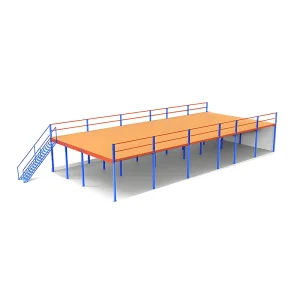
| Rack-Supported Mezzanine (Multi-Tier) | 300 - 800 kg/m² | Upright framing, shelf deck beams, integrated stairs, steel planks. | E-commerce fulfillment centers, multi-SKU hand picking, automotive parts distribution. |
| Cantilever-Integrated Platform | 400 - 1,000 kg/m² | Cantilever arms, base structural members, overhead deck plates. | Long-span profile storage, timber warehousing, PVC extrusion storage. |
| Lightweight Steel Attic Decking | 200 - 500 kg/m² | Light gauge cold-formed roll steel, wire mesh panels, solid plates. | Garages, small retail back-of-house storage, lightweight components assembly. |
How we customize structural components to align with local codes across North America, Europe, Oceania, and the Middle East.
Exporting structural steel platforms globally requires deep understanding of localized structural engineering standards. A system built for a warehouse in Texas must meet the Rack Manufacturers Institute (RMI) standards and local IBC building codes. Meanwhile, installation in Hamburg, Germany, mandates compliance with Eurocode 3 (EN 1993) steel design guidelines, EN 15512 European rack storage standards, and CE certification for structural steel fabrications.
At Foshan Dinghui, our 18 R&D engineers formulate load models that integrate local seismic criteria (such as USGS seismic hazard maps or European seismic zone maps). We adjust structural variables—such as base plate dimensions, structural column anchor configurations, and dynamic bracing patterns—to safeguard warehouse workers and inventory during seismic events.
Furthermore, local fire regulations present another set of requirements. Many municipal authorities mandate specific percentages of open surface areas on intermediate mezzanine decks to ensure ceiling-mounted fire sprinkler systems can penetrate multi-tiered layers. We supply various floor options, such as galvanized open steel gratings, perforated steel floor planks, and wire mesh panels, ensuring the mezzanine meets strict local fire protection guidelines.
Analysis of dynamic peak ground acceleration to calculate bracing configurations and high-grade anchoring systems.
Optimized flat-pack shipping configurations to lower shipping volumes and reduce customs clearing overheads.
All raw structural steel comes with mill test certificates (MTC) proving compliance with ASTM, EN, or AS/NZS standards.
How modern warehouse lofts are adapting to the next generation of logistics automation and robotic picking platforms.
The role of industrial mezzanine platforms is changing rapidly. Modern warehouses are transitioning from manual static storage to automated picking solutions. Mezzanines must now be engineered to handle the concentrated wheel loads and dynamic loads of Autonomous Mobile Robots (AMRs) and Automated Guided Vehicles (AGVs) operating on intermediate levels.
To support this automation, Foshan Dinghui is developing advanced lightweight hybrid floor configurations. By combining cold-rolled steel framing with high-strength composite board structures and specialized resin finishes, we achieve low deflection values, flat surfaces, and high wear resistance. This enables continuous AMR traffic while reducing structure weight, saving material cost, and minimizing the structural loads transmitted to the concrete slab below.
Answers to common structural design, exporting compliance, load limits, and customization inquiries.
To generate a structurally sound mezzanine layout, we require: clear warehouse height (floor-to-joist dimension), targeted load capacity per square meter, preferred column grid pattern (e.g., 4m x 4m or 5m x 6m), floor finish requirements (e.g., solid steel plate, open grating, or plywood), locations of doorways or access gates, and geographical seismic zone data.
Our quality control involves testing raw material tensile strength and weld integrity using Non-Destructive Inspection (NDI) methods. Structural elements are analyzed using finite element modeling (FEA) software. We run physical load test simulations at our in-house lab, overseen by our 35-member QA/QC team, to verify rated design capacity meets or exceeds safety margins.
For projects requiring overhead fire sprinkler integration, we design mezzanine decks with steel mesh panels or high-ventilation open steel gratings. These configurations ensure fire suppressants flow through all floor levels, maintaining compliance with national fire protection standards (like NFPA regulations).
Our standard surface finish is a high-durability electrostatic powder coating, cured in automated baking lines to resist impact, scratches, and chemical exposure. For high-humidity, outdoor, or cold-chain warehousing, we supply hot-dip galvanized (HDG) steel components to prevent oxidation and red rust.
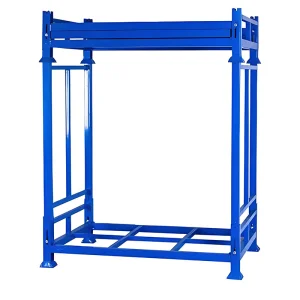
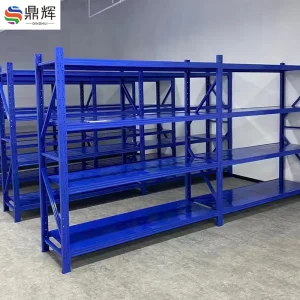
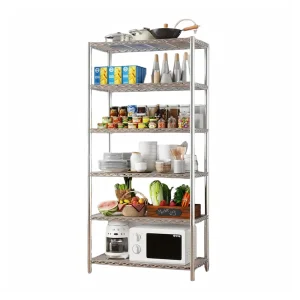
Review our multi-tier attic platforms, long span industrial shelving, and specialized corrosion-protected racking units.
 Dinghui Racking