Engineered for dynamic load-bearing capabilities, high-density efficiency, and structural safety
A premier global manufacturing base designed to support heavy industry, high-throughput fulfillment, and customizable industrial structures.
Established in 2015, Foshan Dinghui Intelligent Warehousing Technology Co., Ltd. has developed into an industry-leading OEM/ODM partner for material handling systems. With 12 years of overall industrial engineering heritage and 8 years of direct export experience, we customize storage systems for regional distributors, e-commerce giants, third-party logistics providers (3PL), and manufacturing firms globally. Our primary export corridors span North America, Europe, Southeast Asia, and the Middle East.
We deploy high-precision roll-forming machines alongside advanced automated powder-coating systems that conform to strict ISO 9001 and CE certifications. Unlike minor regional fabricators, we enforce strict compliance mechanisms. Our specialized 35-member QA/QC department administers a battery of standard checks including raw material tensile testing, structural deformation finite element analysis (FEA), dry film powder adhesion cross-cuts, and weld non-destructive testing (NDT). This guarantees that every dynamic racking structure behaves reliably under operational stresses.
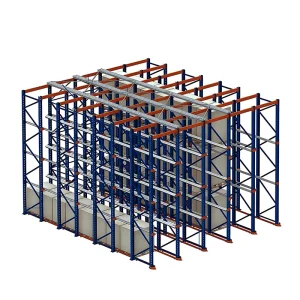
First-In, First-Out (FIFO) pallet flow racking is the gold standard for high-density warehouse storage where batch control, product rotation, and shelf life are critical. The engineering concept relies on utilizing gravitational force to guide palletized loads along set lanes on inclined rollers. When a pallet is extracted from the picking face, the next pallet behind it moves forward automatically. This continuous flow maximizes space utilization by eliminating redundant access aisles, turning empty pathways into active storage volume.
Lanes are designed at a strict 3% to 4% gradient. Combined with heavy-duty roller wheels and calibrated speed controllers (braking rollers), this prevents heavy pallets from moving too fast, ensuring smooth and safe transit.
Integrated mechanical separators relieve back-pressure by isolating the first pallet from those behind it. This design prevents jams and allows forklifts to retrieve loads without fighting the cumulative weight of the lane.
Made from high-strength galvanized steel pipes with precision ball bearings. These rollers resist flat-spotting and maintain continuous performance even under heavy point loads in challenging environments.
In standard high-density configurations, back-pressure is calculated using the formula: P = 0.06 * W * (N - 1), where W is the pallet weight (kg) and N is the total number of pallets in the lane. For a lane holding 15 pallets, each weighing 1,000 kg, the back-pressure acting on the front extraction gate exceeds 840 kg. Without our heavy-duty structural load-separation gates, unloading becomes extremely hazardous, potentially causing pallet failure or structural collapse. Foshan Dinghui engineering addresses this with custom pneumatic and mechanical separation solutions.
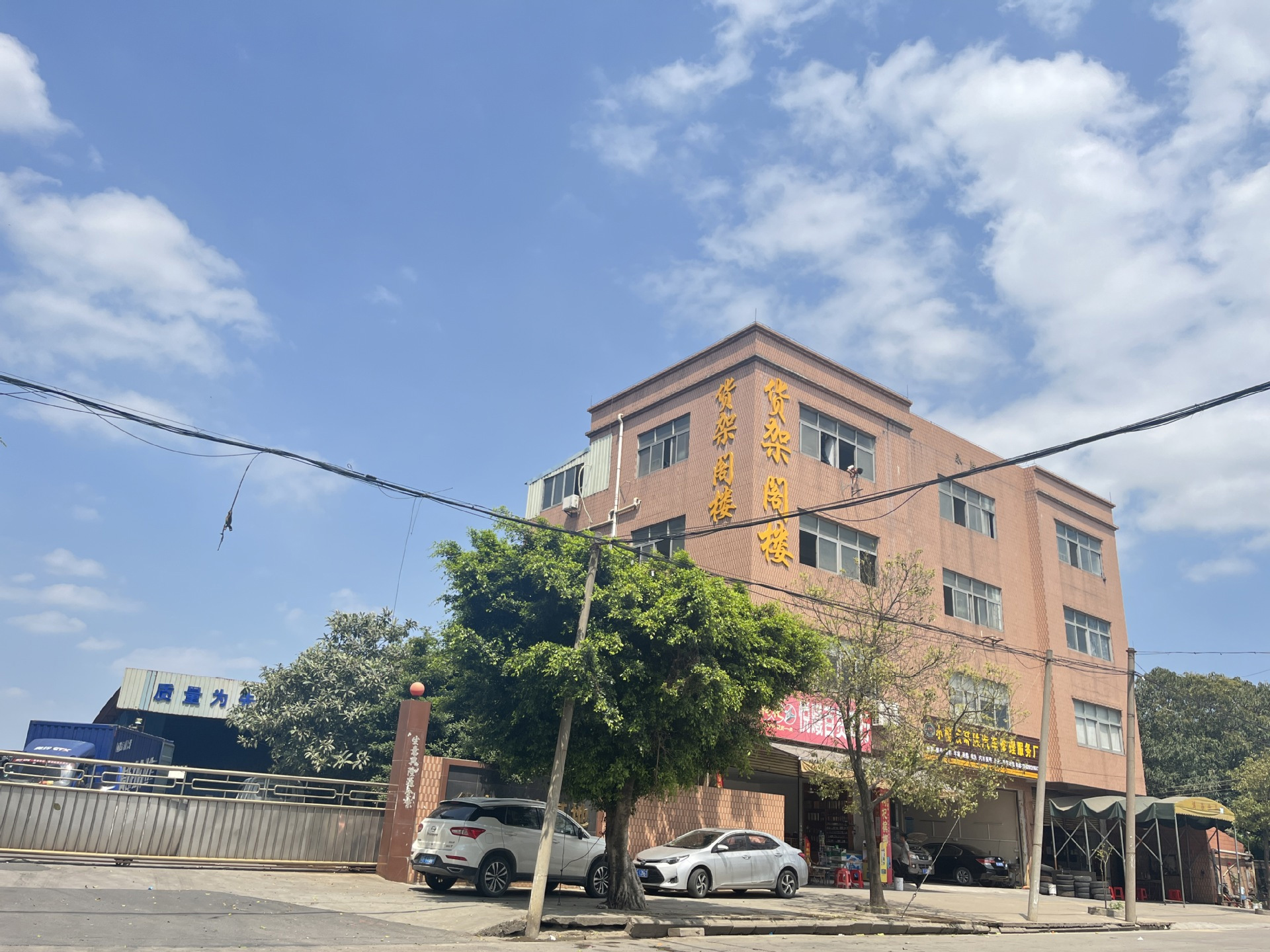
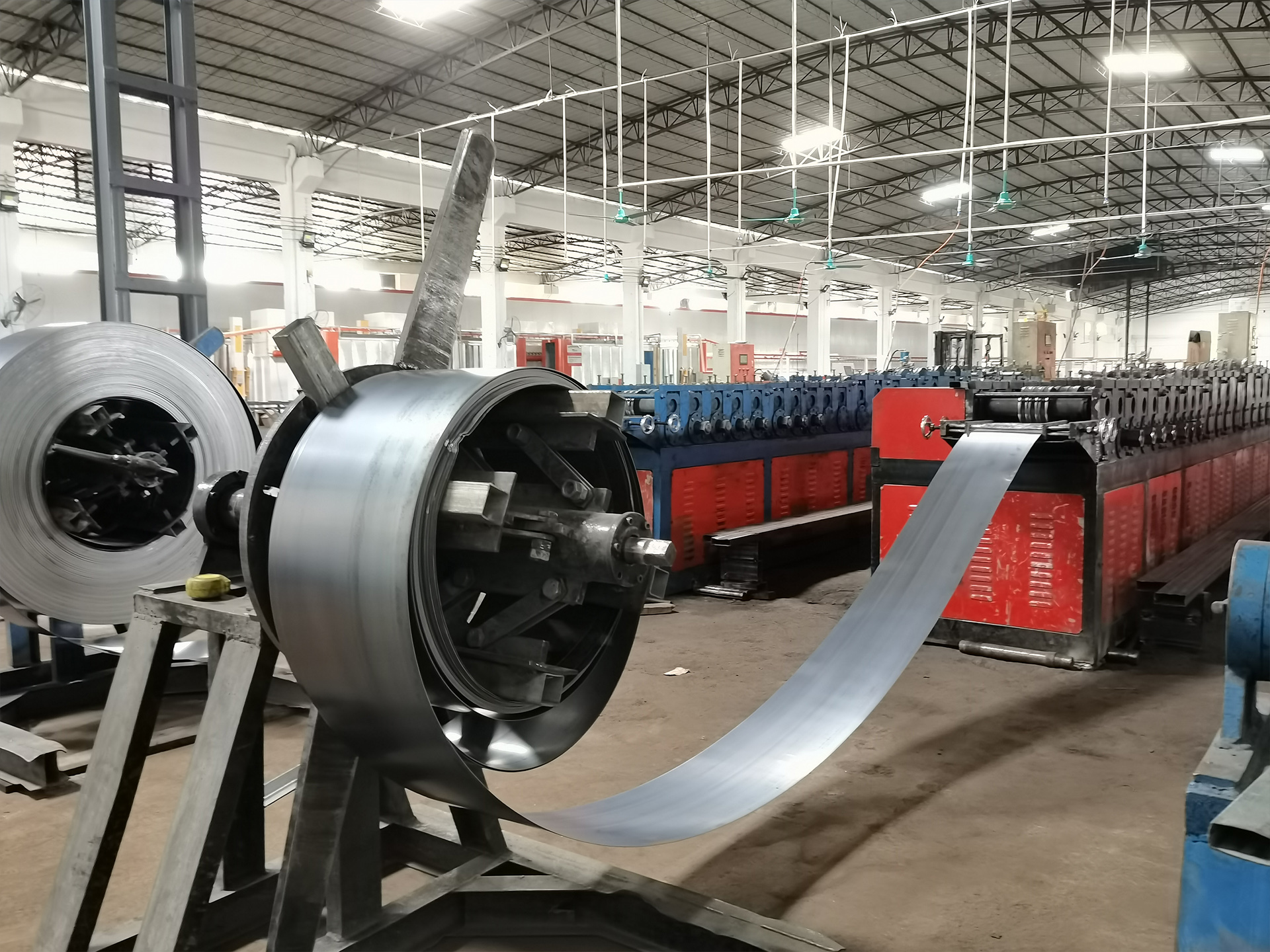
Operating a 38,000-square-meter facility in Foshan allows us to maintain control over the entire supply chain. Standard structural frames are produced on automated roll-forming lines, which roll continuous coils of high-strength structural steel into precise upright profiles. CNC punches produce adjustable pitches (50mm, 75mm, or 76.2mm) with consistent tolerance levels, making our systems compatible with major global racking designs.
By purchasing steel directly from top-tier domestic mills, we protect our clients from market price volatility. Our automated welding cells ensure consistent weld penetration and structure, eliminating manual welding variances. Once fabricated, components undergo a multi-stage chemical pretreatment, including iron-phosphate coating and acid-pickling rust removal, followed by electrostatic powder coating. This ensures durability and corrosion protection in environments ranging from humid shipping containers to industrial cold-storage lockers.
As logistics hubs transition toward higher automation, traditional gravity-flow systems are evolving to integrate with digital management systems. Foshan Dinghui's R&D department, staffed by 18 senior engineers, is actively testing smart, sensor-enabled flow control systems. These new configurations feature real-time occupancy monitoring and speed indicators, alerting warehouse managers to lane jams before they disrupt operations.
Last year, we launched 45 new product designs and structural upgrades, helping clients future-proof their logistics setups. We are committed to developing material handling systems that reduce manual labor while maximizing vertical space utilization.
Different industries require unique structural designs and configurations. We do not believe in a one-size-fits-all approach. Instead, we analyze the specific demands of your target market to supply custom-engineered racking systems.
Maximizes storage density within high-cost refrigerated and blast-freezer zones. We use low-temperature-resistant bearings, custom lubricants, and thick zinc-galvanized coatings to prevent corrosion from condensation.
Ensures compliance with strict regulations like GMP and FDA. A true FIFO configuration prevents expired batches, maintains clean lanes for dust-free storage, and allows full trace-back tracking.
Designed for fast-moving consumer goods (FMCG) with constant SKU changes. Our split-roller and multi-lane systems accommodate variable pallet widths and allow quick picking to meet tight shipping schedules.
Racking systems are critical structural elements. In seismic zones, design failures can lead to inventory losses and serious safety hazards. We design systems that meet local compliance standards, including RMI in North America and FEM 10.2.02 in Europe.
We provide full structural drawings, load capacity charts, and site plans. Our engineers use software modeling to simulate local seismic forces and adjust frame parameters accordingly. This includes beefing up baseplates, using larger anchors, and using oversized bracing to keep the racking system stable in seismic conditions.
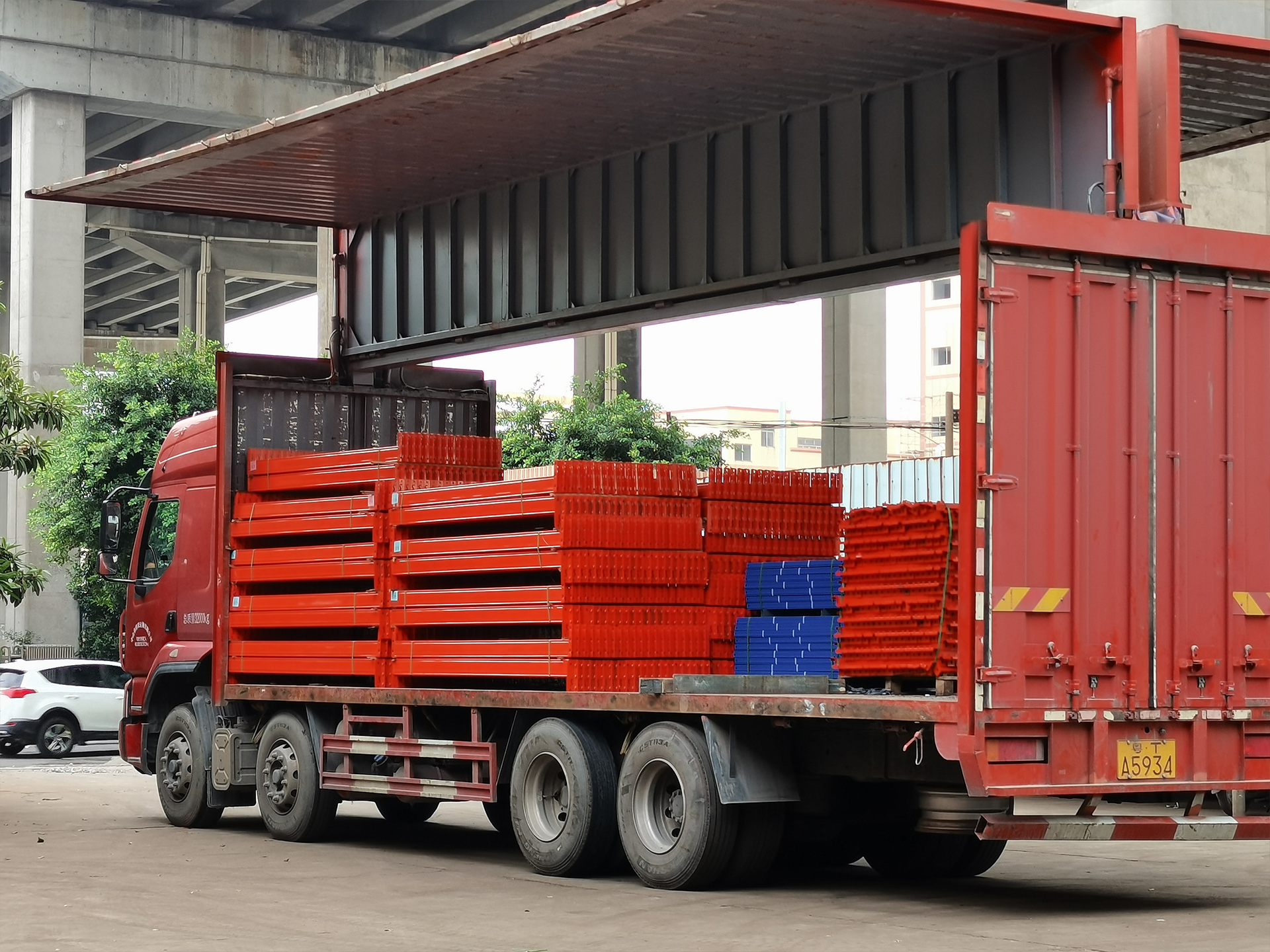
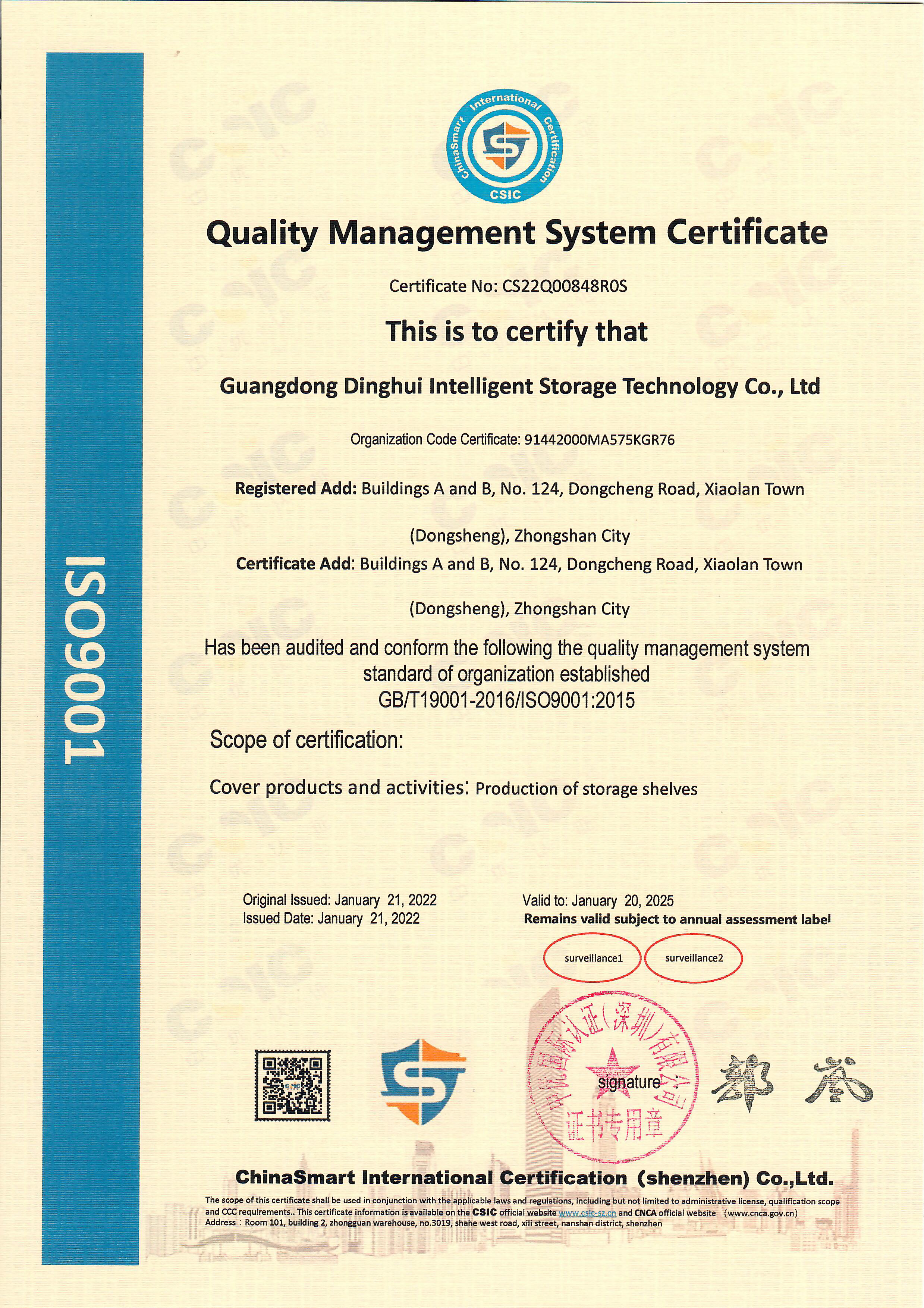
Purchasing heavy-duty racking requires careful planning. We provide procurement managers with a clear checklist to ensure new installations align with facility requirements and budget goals:
Technical answers directly from our engineering team
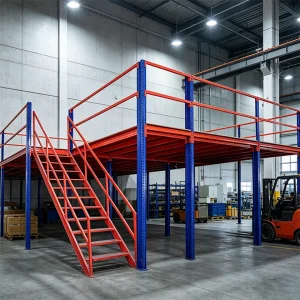
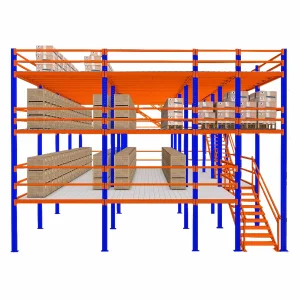
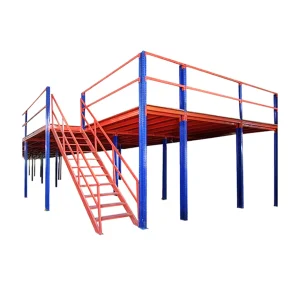
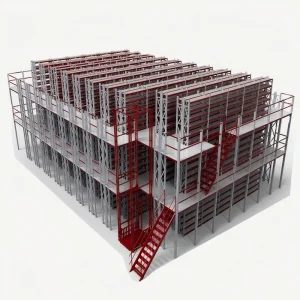
Explore our specialized heavy-duty racking and mezzanine solutions
 Dinghui Racking