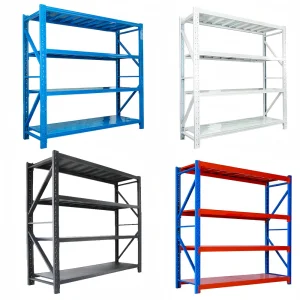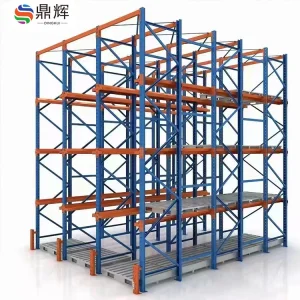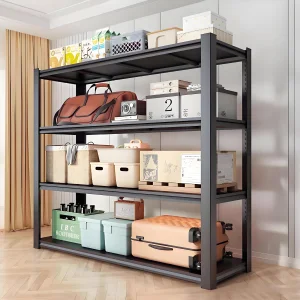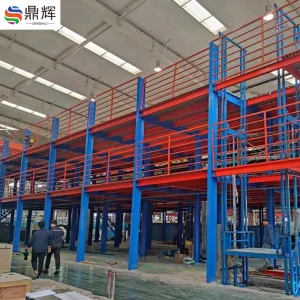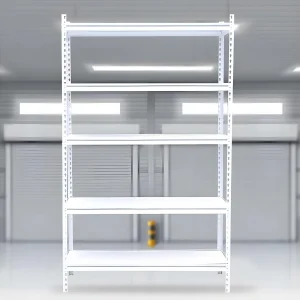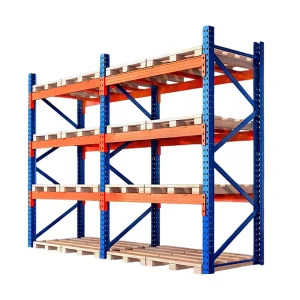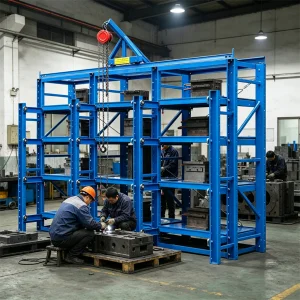
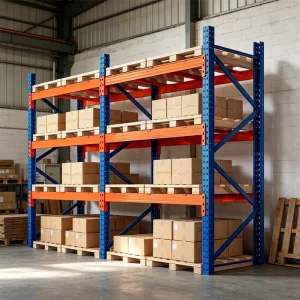
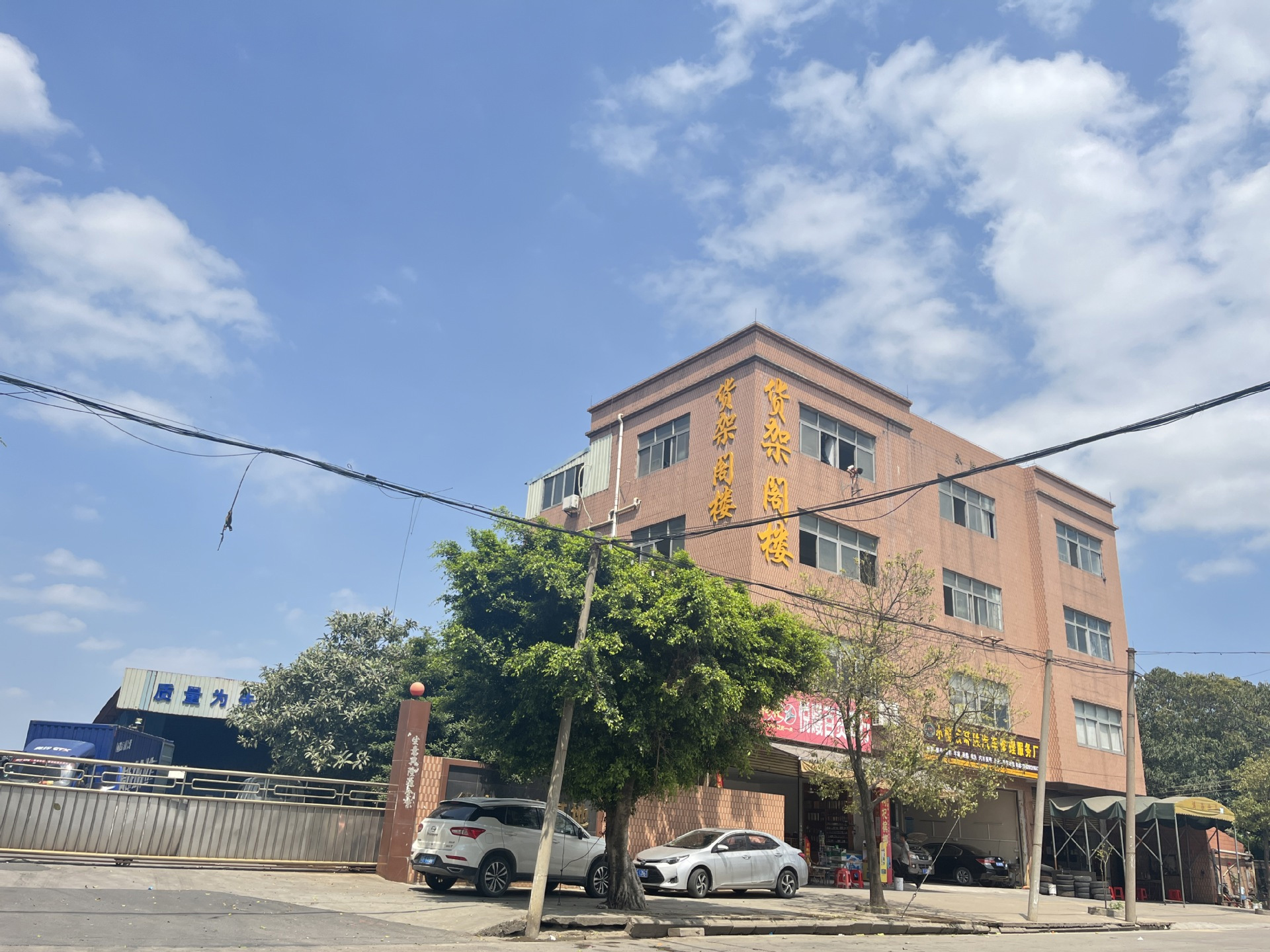
Foshan Dinghui Intelligent Warehousing Technology Co., Ltd., established in 2015, is a leading manufacturer specializing in heavy-duty industrial storage racks, pallet racking systems, and automated warehouse solutions. Spanning a modern manufacturing base of 38,000 square meters, we bring together 12 years of industry experience and 8 years of direct global export expertise, generating an annual export revenue of over $25 million USD.
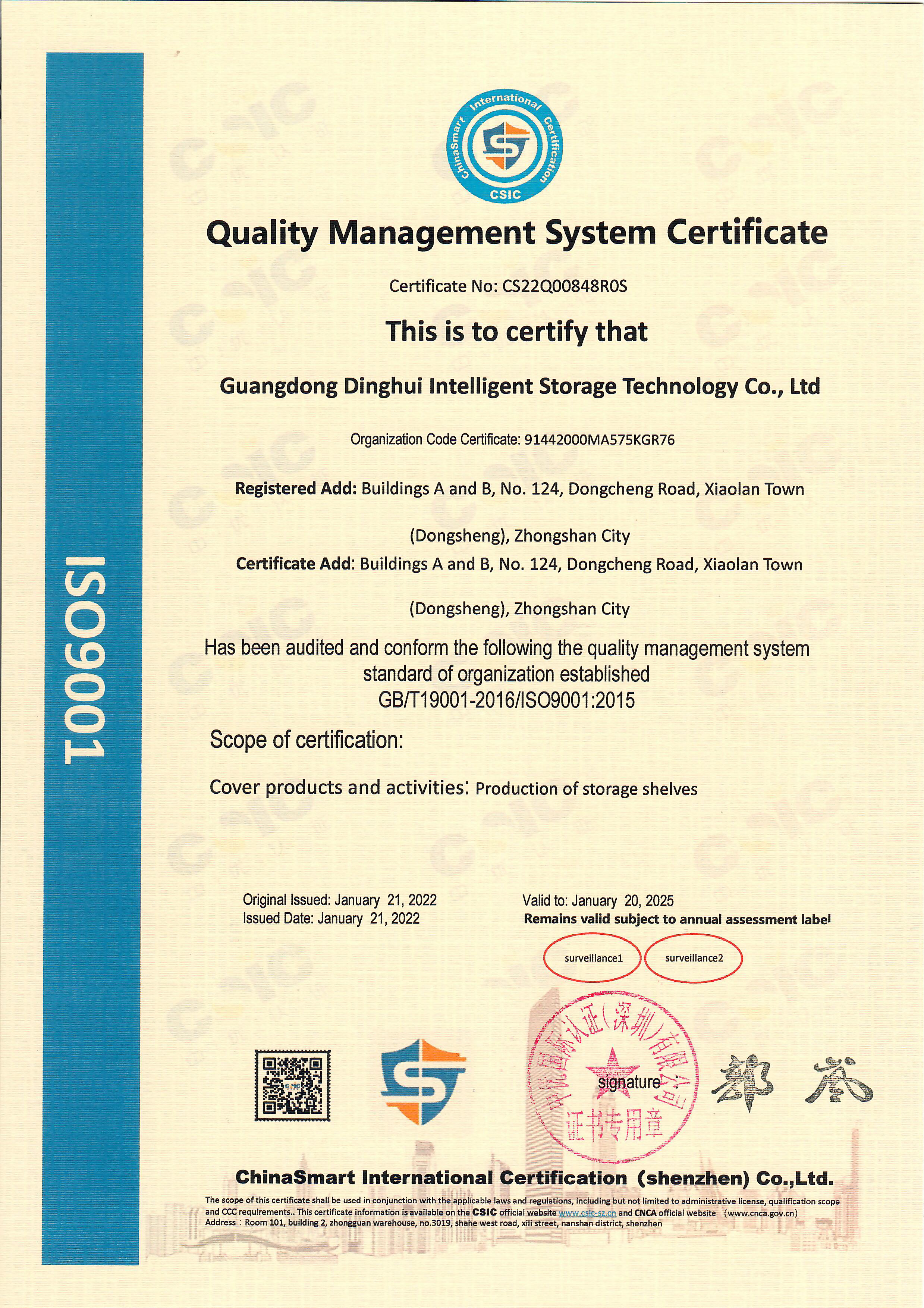
Equipped with advanced automated roll-forming and powder-coating production lines, our quality control procedures adhere to rigorous ISO 9001 and CE certification standards. We implement comprehensive product testing protocols, including raw material tensile testing, structural load-bearing simulation, powder coating adhesion tests, and weld non-destructive inspection (NDI). Supported by a dedicated 35-member QA/QC team, we ensure that every racking component strictly meets international safety and durability standards.
Operating with a strong international OEM/ODM trade background, our primary markets span North America, Europe, Southeast Asia, and the Middle East. Backed by a robust network of over 850 reliable supply chain partners, we serve a diverse global client base, including 3PL logistics providers, industrial warehouse operators, e-commerce fulfillment centers, and regional distributors.
Innovation and custom engineering drive our success. Supported by 18 experienced senior R&D engineers, we offer extensive OEM/ODM customization options, including tailored load capacities, custom dimensions, seismic-resistant structural design, special powder-coating finishes, and automated system integration. Driven by continuous technical improvement, we successfully launched 45 new product designs and structural upgrades last year, empowering our global partners to optimize their warehouse efficiency.
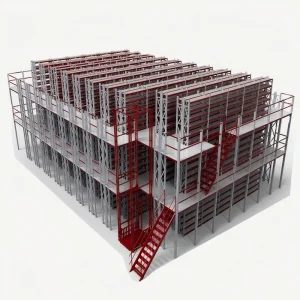
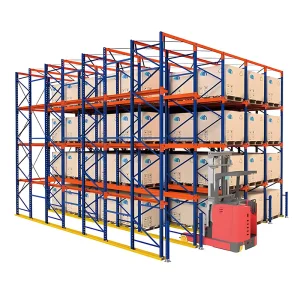
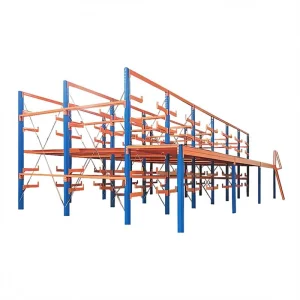
Modern industrial real estate is facing unprecedented cost inflation, driving the absolute necessity to utilize overhead cubical space rather than expanding warehouse footprints. Vertical Lift Storage and automated mezzanine racking represent the absolute pinnacle of high-density spatial optimization. By transitioning from traditional floor storage or standard low-rise racking to engineered vertical storage systems, global enterprises can achieve a volumetric storage efficiency increase of up to 300%.
At Foshan Dinghui, the design principles of our heavy-duty vertical structures are rooted in structural mechanics and steel frame optimization. Using advanced finite element analysis (FEA), we calculate maximum stress distribution, deflection limits, and structural buckling ratios. Every upright profile, beam connector, and baseplate thickness is engineered to manage dynamic and static load criteria safely. The goal is to maximize height clearance without compromising safe working load limits, providing a robust backbone for high-bay operations.
Leverages overhead clearance up to 15+ meters, integrating mezzanine platform elevators to turn dead air space into highly active storage cubics.
Modular components constructed with adjustable pitch margins (50mm / 75mm) allow dynamic adjustment of beam levels to match changing cargo geometry.
Heavy-duty box beams, dual-anchored column protectors, and 4-claw safety pin connectors prevent accidental dislodgement from high-mast lift trucks.
Global logistics networks operate under a stringent matrix of localized building safety regulations. To succeed in highly regulated regions like Europe, North America, and Australia, industrial storage systems must adapt to specific national and local standards. A racking structure that is structurally compliant in one location may fail verification in another due to wind load, building codes, or soil composition requirements.
Foshan Dinghui guarantees compliance by engineering products according to regional requirements. In North America, we align with the RMI (Rack Manufacturers Institute) MH16.1 specifications and localized seismic requirements detailed under the International Building Code (IBC). For European markets, we ensure structural steel configurations comply with EN 15512 and general CE specifications. In Australia, our structural analysis strictly satisfies AS 4084 criteria. Our engineering team provides detailed calculations, load rating charts, and documentation necessary for municipal permitting and professional engineer certification.
Custom calculation of seismic coefficients, frame horizontal forces, and dynamic shear loads to design thicker baseplates and seismic-resistant diagonal bracing.
Providing local distributors with stamp-ready structural calculations, material certifications, and detailed elevation layout drawings.
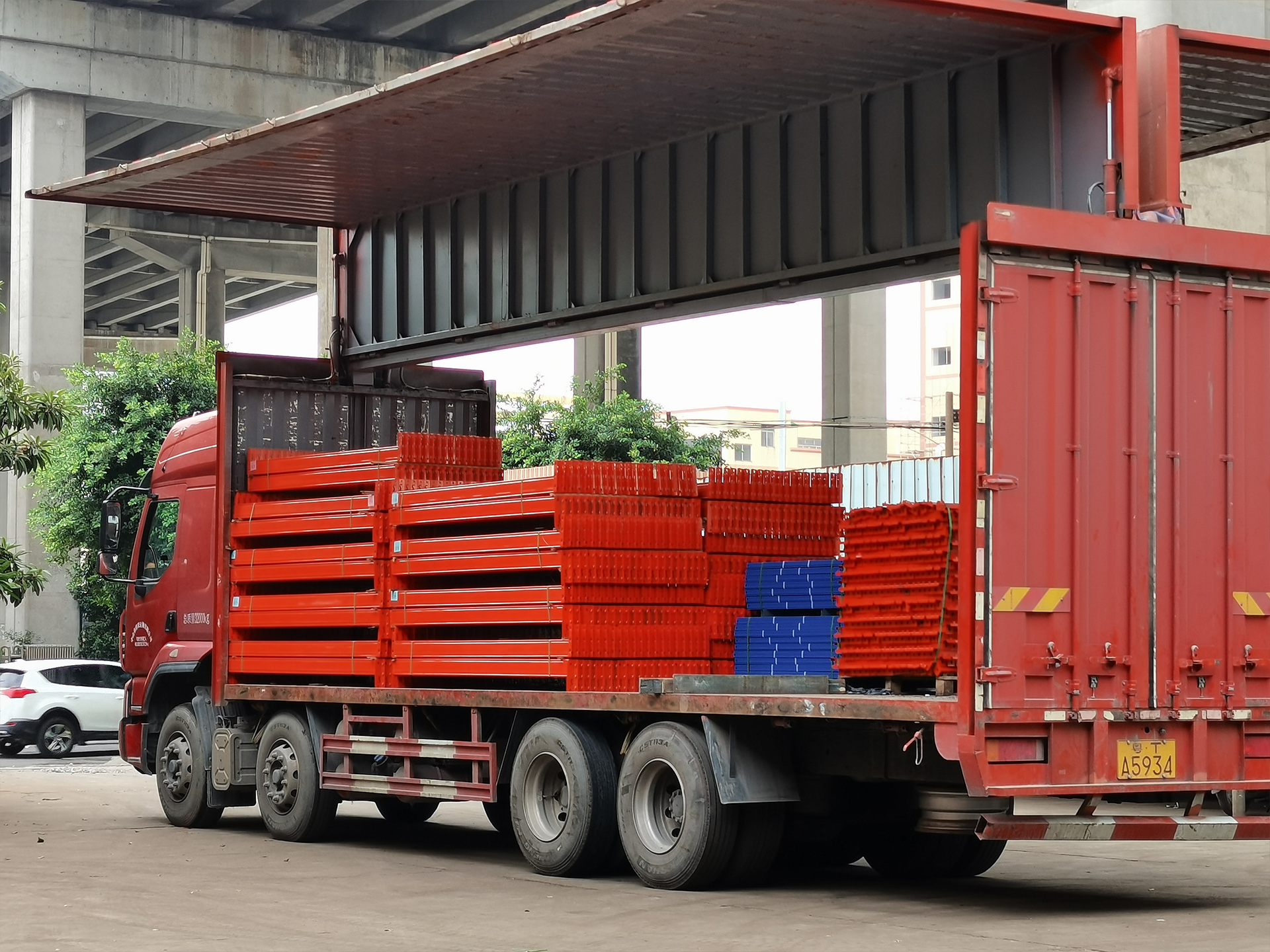
Exporting under optimized commercial packaging rules to accelerate customs clearance through ports in USA, Germany, UAE, and Southeast Asia.
Our competitive pricing and strict quality assurance are direct results of our location in Foshan, China's industrial manufacturing heartland. By utilizing local raw material ecosystems, Foshan Dinghui secures direct sourcing of high-grade Q235B and Q355B cold-rolled structural steel from major local steel manufacturers. This direct link guarantees structural consistency and eliminates supply fluctuations common in standard export logistics.
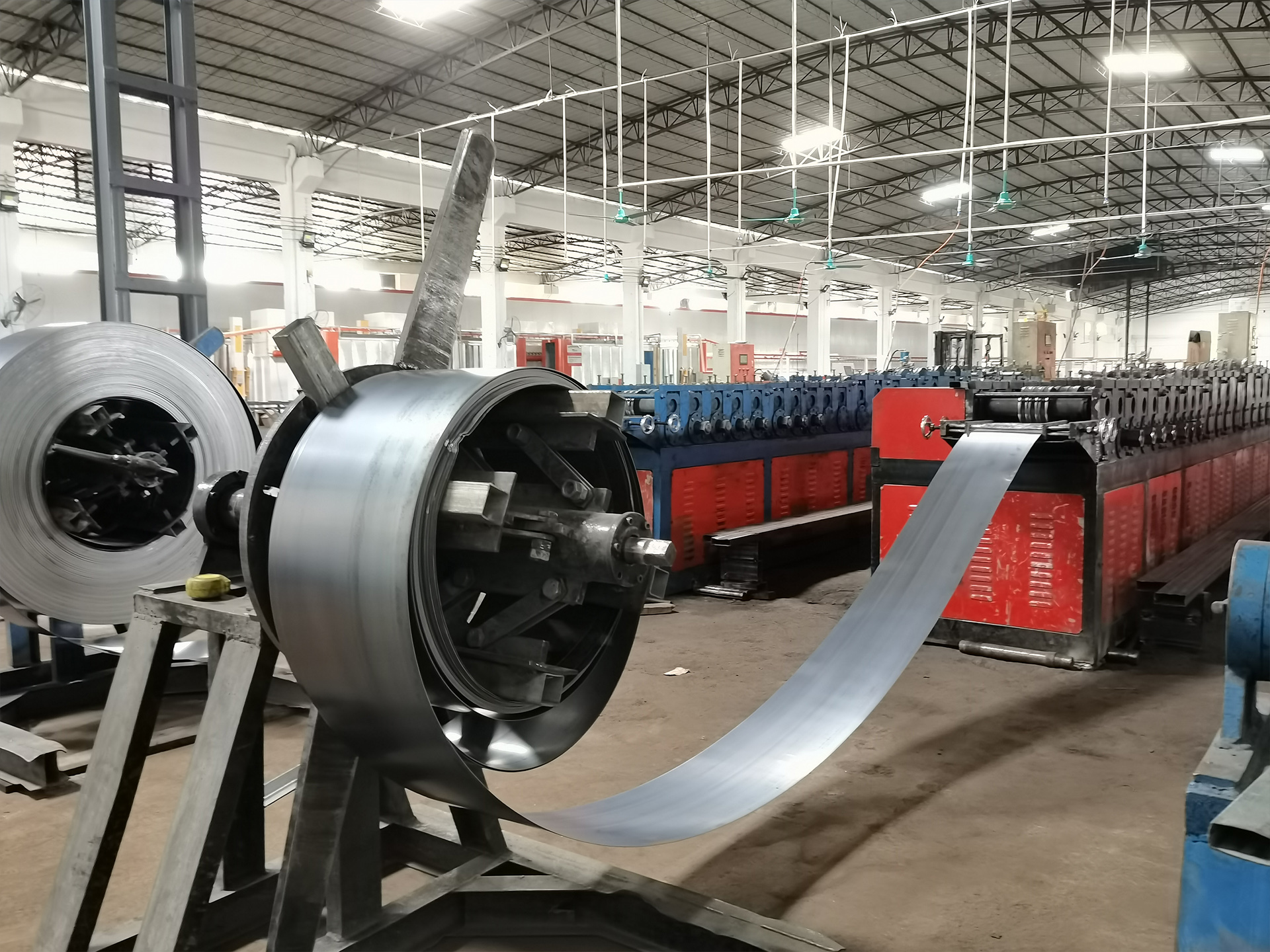
The manufacturing process uses automated high-precision roll-forming lines that form steel profiles within tolerances of ±0.5mm. Upright frames are shaped and punched in one continuous cycle, ensuring precise spacing. This precision is complemented by our automated electrostatic powder-coating lines, which clean, pre-treat, coat, and cure structural steel under computer control. This process creates a highly durable surface layer resistant to rust, chemical abrasion, and mechanical impacts.
High yield strength carbon steel offers excellent tensile capability, weldability, and structural ductility, ideal for industrial scale pallet racking.
Minimizes human manufacturing error. Consistent roll profiles ensure structural connectors lock perfectly during field assembly.
Rigorous checks from raw ingot chemistry verification, welding non-destructive testing (NDT), to paint thickness inspection.
For global procurement managers, purchasing industrial racking systems is more than comparing the initial factory gate price. The true calculation involves the Total Cost of Ownership (TCO), which includes shipping volume optimization, quick assembly times, minimal maintenance, and long-term structural durability. Low-cost racking with inadequate corrosion protection or fragile connector tabs often results in high repair and replacement expenses over its lifecycle.
Our design approach reduces shipping container footprints by utilizing optimized modular component dimensions. Upright frames can be delivered pre-assembled or flat-packed to maximize container loading efficiency, directly lowering ocean freight costs per unit. Additionally, our pre-drilled frames and precision bolt connections reduce installation time, allowing local installation teams to erect structures quickly. By extending the operational life of our storage racks with corrosion-resistant finishes, we lower replacement frequency, maximizing long-term returns on capital investments.
The modern supply chain requires storage systems designed to handle diverse operational scenarios:
As automation continues to shape modern logistics, we are seeing growing integration between heavy-duty storage racks and automated warehouse equipment. Vertical storage elevators and automated storage and retrieval systems (AS/RS) rely on high-precision racking tolerances. Standard traditional racks are being adapted to support robotic shuttles, sensor networks for load and stress monitoring, and layout adjustments for Automated Guided Vehicles (AGVs).
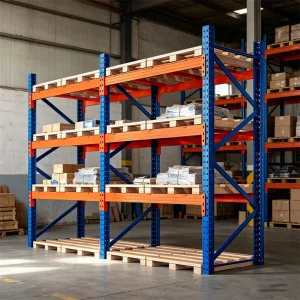
Our manufacturing operations utilize computer-controlled roll-forming, robotic welding, and automated powder coating processes, certified to meet international standards.
 Dinghui Racking