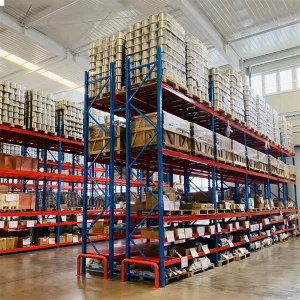
Engineered load capacities and dynamic designs built to optimize structural space utilization.
In modern supply chain ecosystems, vertical space optimization has transformed from a structural convenience to a core strategic necessity. The global adjustable shelving market is currently undergoing a systemic shift driven by the rapid growth of high-throughput distribution networks.
Industrial space is at an all-time premium. Warehouses, 3PL logistics facilities, and manufacturing lines are requiring heavier load tolerances, advanced seismic integrity, and high versatility to accommodate shifting product lines. This has triggered massive global demand for Adjustable Shelving Systems that can be reconfigured dynamically without requiring hot work permits or structural welding.
From an engineering standpoint, adjustable shelving systems must balance yield strength, deflection ratios (typically limited to L/240 or L/360 for high stability), and long-term corrosion resistance. Leading manufacturers use cold-rolled structural steel (primarily grades such as Q235B and Q355 in Asia, or equivalents in ASTM/EN standards) to achieve critical load-bearing efficiency without adding unnecessary weight to the building envelope.
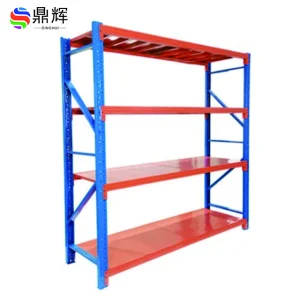
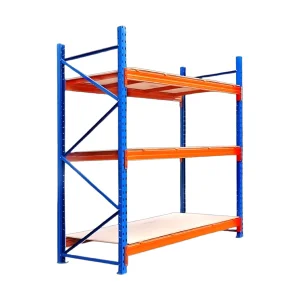
High SKU turnover rates require adjustable height levels to accommodate varying carton profiles. Uprights with pitch adjustment steps of 50mm or 75mm allow for tight tolerance spacing, cutting down wasted overhead air space.
Operational safety is non-negotiable. Modern factories must design storage racks to meet FEM 10.2.02 (Europe) or ANSI/RMI MH16.1 (USA) guidelines, validating load tables under simulated dynamic stresses.
Adjustable shelving now serves as the structural foundation for semi-automated systems, including shuttle-guided racks, dynamic flow systems, and light-duty mezzanine picking platforms.
To rank the industry’s premier adjustable shelving manufacturers, global supply chain directors look beyond basic unit pricing. The selection matrix comprises raw material quality, automated production capability, structural testing standards, and compliance audits.
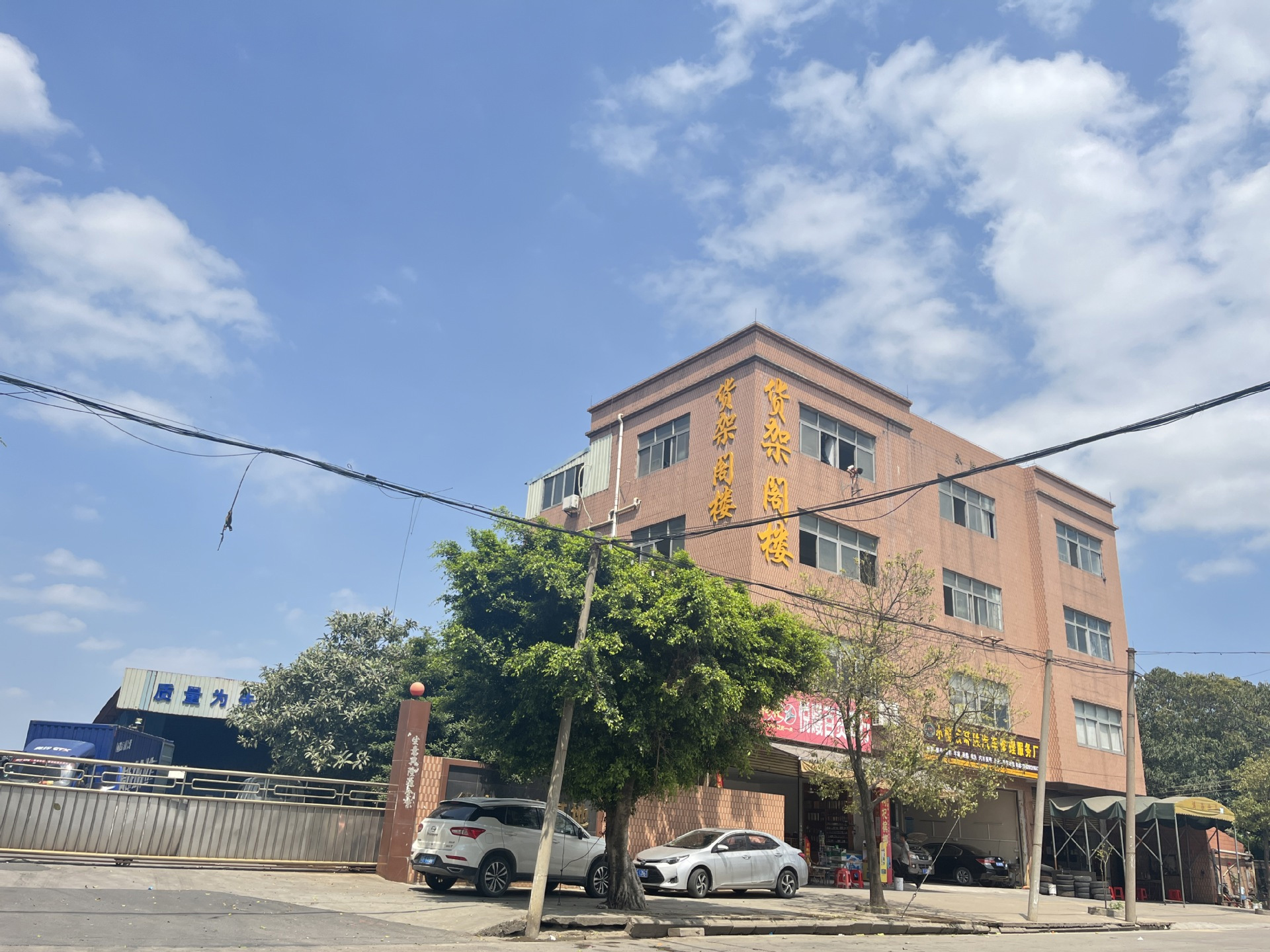
A premier example of a global player that consistently meets these rigorous evaluations is Foshan Dinghui Intelligent Warehousing Technology Co., Ltd. Established in 2015, they have grown into a standard-setting manufacturer of heavy-duty industrial storage racks, pallet racking systems, and integrated automated warehouse storage infrastructures.
| Manufacturer Name | Primary Production Focus | Material Specifications | Global Quality Compliance | Key Competitive Advantage |
|---|---|---|---|---|
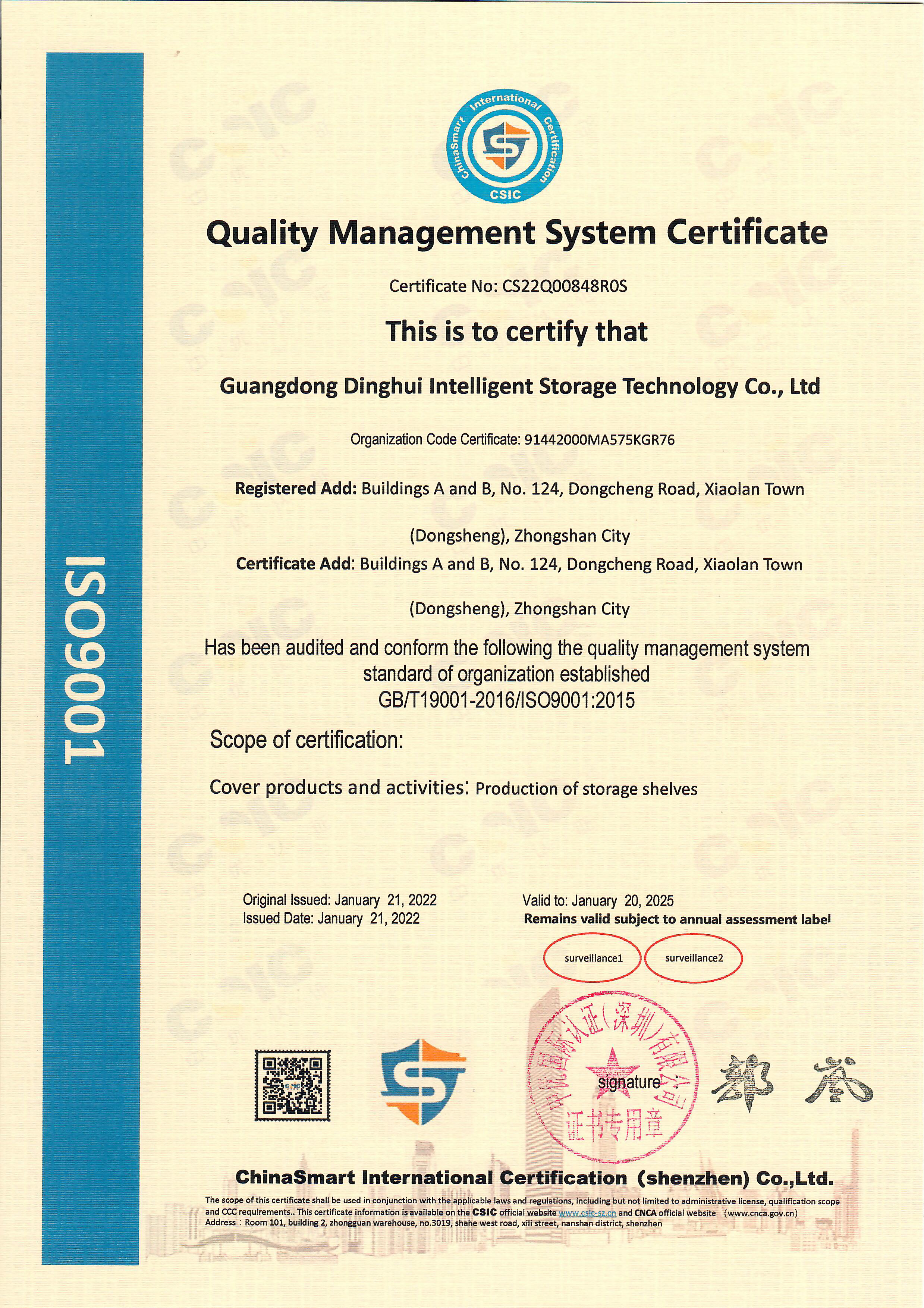
| Foshan Dinghui Intelligent Warehousing | Heavy-Duty Pallet Racks, Mezzanines, Adjustable Shelving | Cold-Rolled Q235B/Q355 Steel | ISO 9001, CE Certified | Direct OEM/ODM customization, advanced powder coating, 38k sqm facility |
| Dexion Group | Commercial & Warehouse Shelving | Standard European Steel | FEM, EN Standards | Established European logistics network, automation integrations |
| Interlake Mecalux | Industrial Storage Systems, AS/RS | High-Tensile Cold Formed Steel | RMI, ANSI compliant | Global distribution network, advanced design software integrations |
| SSI Schaefer | Logistics Systems & Modular Shelving | Galvanized & Powder Coated Steel | TÜV, GS, ISO | High automated systems capability, comprehensive product catalogs |
| Stow Group | Racking and Shelving Solutions | High-Grade Carbon Steel | ISO 9001, ISO 14001 | Heavy-duty industrial applications, extensive seismic product lines |
| Steel King Industries | Structural Pallet Racks & Cantilevers | Heavy Structural Tubing | RMI, AWS Certified Welder | Exceptional resistance to impact, heavy-duty warehouse applications |
| Elite Storage Solutions | Custom Pallet Racking | Cold Formed & Structural Steel | RMI compliant | Comprehensive layout consultation and turnkey projects |
| Ridg-U-Rak | Industrial Warehouse Racking | High-Strength Steel Alloy | RMI, ANSI | Specialized seismic base plates, structural integrity solutions |
| Mecalux USA | Pallet Racking & Multi-tier Shelving | Cold-rolled Carbon Steel | ISO 9001, CE | Fast delivery and local supply chain warehousing across Americas |
| Frazier Industrial Co. | Structural Steel Storage Systems | Hot-Rolled Structural Steel | RMI, AISC | All-structural steel frames, exceptional load ratings for cold storage |
Storage optimization needs vary dramatically depending on the industry vertical. Below is how adjustable shelving design addresses the unique structural challenges of major commercial and industrial sectors.
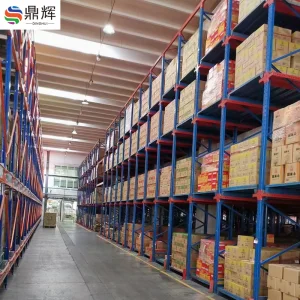
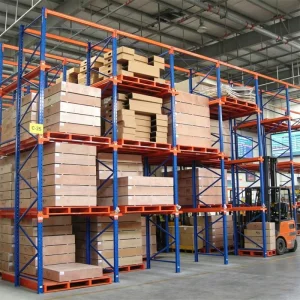
For 3PL facilities, flexibility is a revenue driver. Multi-tier shelving systems must be rapidly re-spaced to match the evolving shapes and weight loads of changing clients. Structural rack designs with tool-less adjustable beams decrease layout reconfiguration downtime by up to 70% compared to rigid systems.
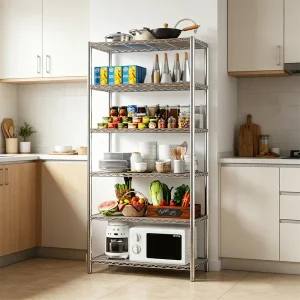
In temperature-controlled zones, high density is required to minimize cooling costs. At the same time, air circulation must remain unhindered. Adjustable chrome-plated wire mesh and powder-coated steel racking prevent condensation accumulation and permit complete airflow, maintaining product freshness and sanitation.
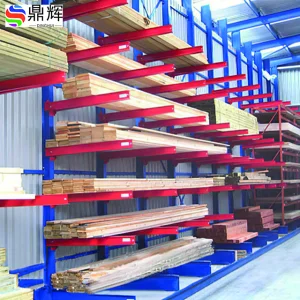
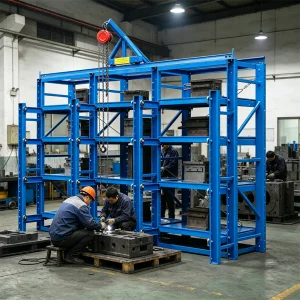
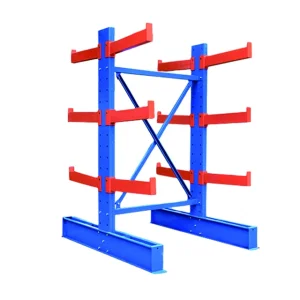
Handling cast-iron dies, engine blocks, and raw steel requires load capacities ranging from 1,000kg to over 5,000kg per level. Cantilever racks and specialized sliding mold drawer racks allow crane-assisted top access, protecting operators while retaining vertical shelf adjustability.
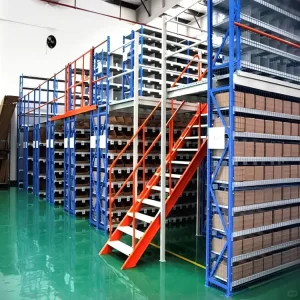
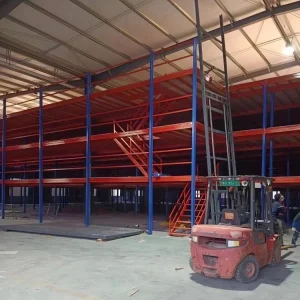
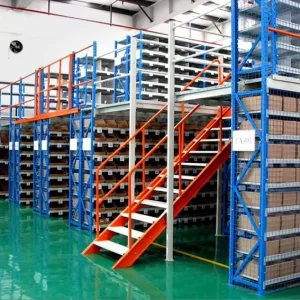
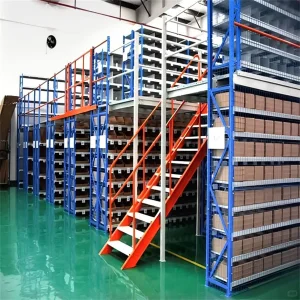
High-density picking areas rely on multi-tier platform designs and mezzanine floors to double or triple usable picking footprints. By using custom cold-rolled steel ladder shelves and integrated platforms, enterprises avoid costly building expansions while ensuring safety-certified walking decks.
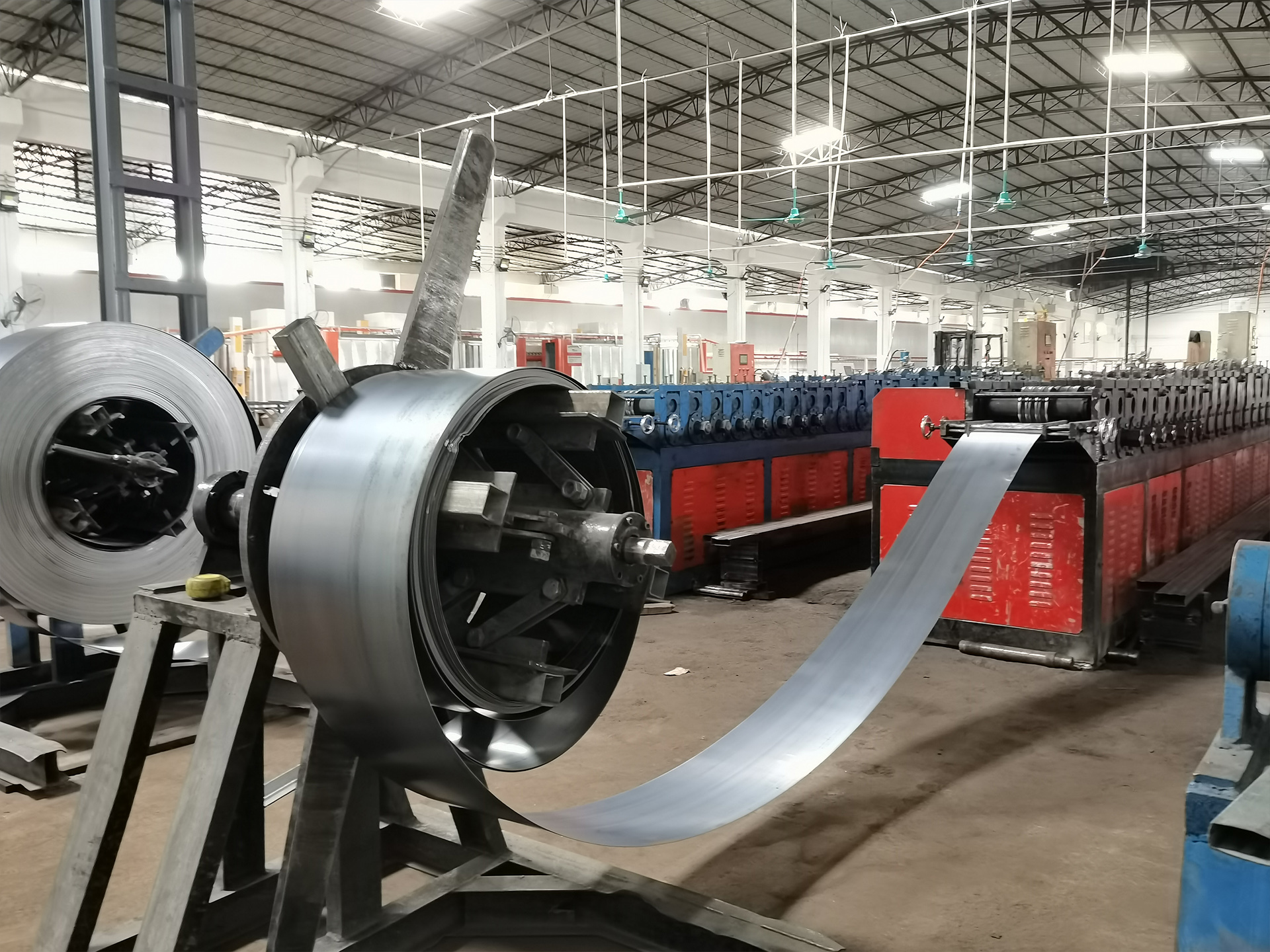
Behind every stable industrial rack lies a rigorous quality management process. Product safety is verified through systematic testing from raw material coil entry to final electrostatic powder coating.
A reliable structural system relies on precise steel characteristics. In a high-quality facility like the Foshan Dinghui plant, engineering and quality assurance standards include several critical procedures:
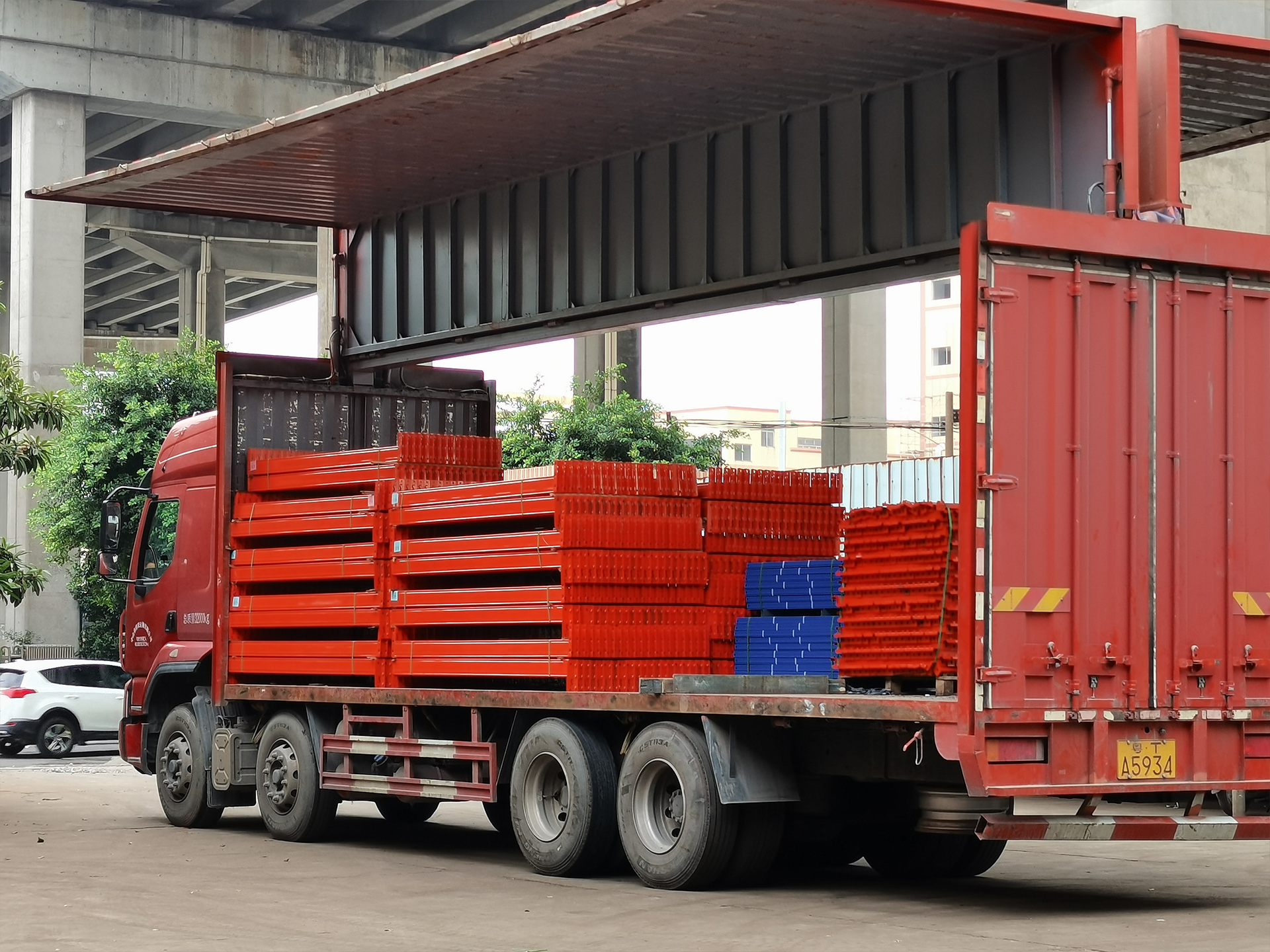
Managing global exports requires more than manufacturing capability. Professional suppliers provide complete logistical, customs, and design support. Foshan Dinghui exports to North America, Europe, Southeast Asia, and the Middle East, backed by a strong network of over 850 supply chain partners.
Their team of 18 senior R&D engineers creates custom layout drawings (CAD and 3D renderings) to match facility dimensions. Last year alone, they introduced 45 new structural design upgrades, helping clients improve throughput and safety.
Industrial installations must comply with local regional safety regulations. Importing and installing structural storage racks without proper approvals can lead to regulatory delays, fines, or safety issues.
United States (RMI Standards): Storage systems in the US should conform to the Rack Manufacturers Institute (RMI) standard MH16.1 (Specification for the Design, Testing and Utilization of Industrial Steel Storage Racks). In seismic zones, design considerations must include heavy-duty base plates and thick structural anchors to handle ground accelerations.
Europe (CEN/FEM Standards): The European standard EN 15512 (Steel static storage systems - Adjustable pallet racking systems - Principles for structural design) regulates design tolerances in Europe. It mandates detailed calculations for frame buckling limits, beam deflection ratios, and structural safety margins.
Local Installation and Audits: Top-tier manufacturers work with local structural engineering partners to provide certified permit packages, professional engineer (PE) wet stamps, and post-installation safety certifications. These checks ensure the installed systems are safe for daily warehouse operations.
The storage equipment industry is moving fast. Smart warehouse integrations and automated systems are changing how companies view static shelving systems.
Future adjustable racks will incorporate integrated load-cell sensors. These systems monitor weight distribution in real-time, warning operators of overloaded bays before failure risks develop.
Modern shelving structures are engineered to handle automated crane interfaces. Tight tolerances (down to 1.5mm variation over 10 meters) ensure automated shuttles run without tracking errors.
Top-tier factories are shifting to zero-VOC powder coatings, closed-loop water treatment systems, and recycled scrap steel to support global corporate sustainability targets.
Get answers to the most common engineering and procurement questions regarding industrial adjustable shelving.
High-capacity configurations designed for intense industrial and logistical operations.
 Dinghui Racking