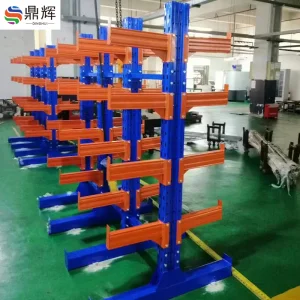
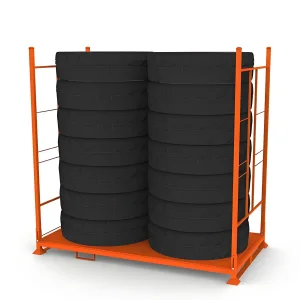
Direct supply links to our leading heavy-duty structures engineering and storage components
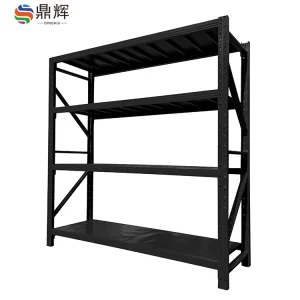
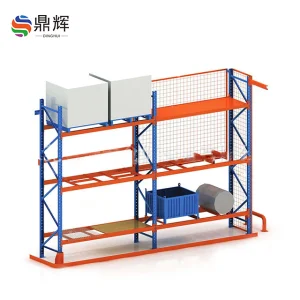
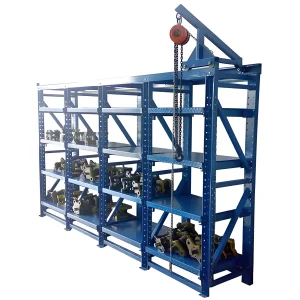
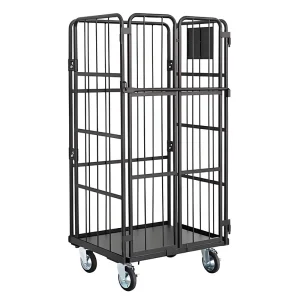
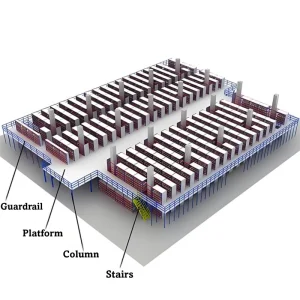
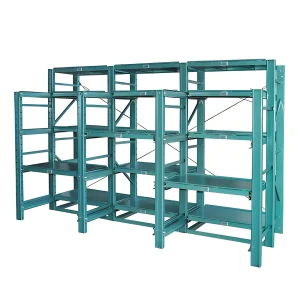
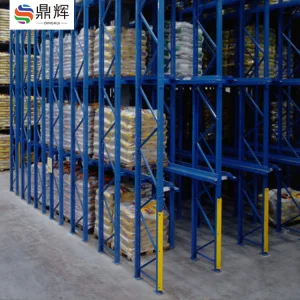
Navigating the complexity of B2B industrial storage trolley and structural racking system procurement
Modern global logistics and warehousing demand agile, highly specialized material handling solutions. Industrial storage trolleys, roll containers, and modular racking platforms represent the backbone of this ecosystem. As automation and regional customization intensify, finding top-tier manufacturing partners who can balance structural load integrity, ISO-compliant quality control, and regional design adaptation is key for procurement directors.
B2B industrial procurement professionals evaluate storage trolleys and racking components through severe engineering and supply chain lenses. Factors including raw material chemistry (e.g., premium Q235B or Q355 cold-rolled steel), advanced rust prevention, weld uniformity, and system versatility play crucial roles. When configuring an dynamic logistics center or a highly organized automotive stamping floor, the choice of manufacturer dictates not only operating efficiency but also site safety compliance.
Key parameters utilized by top 3PL providers, industrial facilities, and distribution managers during supplier evaluation include:
A B2B Leader in High-Capacity Engineering, Automated Warehousing & Structural Safety Compliance
Foshan Dinghui Intelligent Warehousing Technology Co., Ltd., established in 2015, is a leading manufacturer specializing in heavy-duty industrial storage racks, pallet racking systems, and automated warehouse solutions. Spanning a modern manufacturing base of 38,000 square meters, we bring together 12 years of industry experience and 8 years of direct global export expertise, generating an annual export revenue of over $25 million USD.
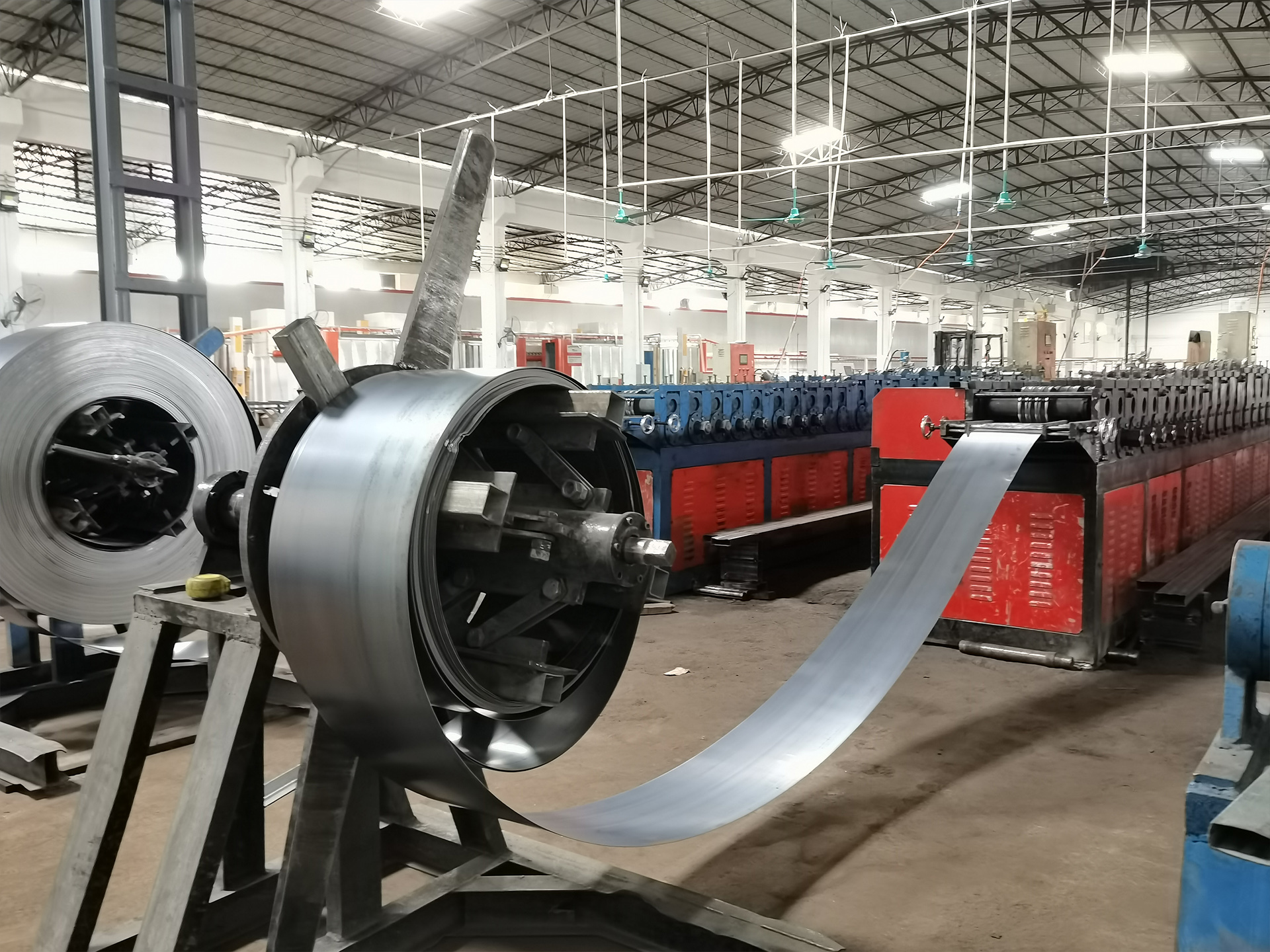
Equipped with advanced automated roll-forming and powder-coating production lines, our quality control procedures adhere to rigorous ISO 9001 and CE certification standards. We implement comprehensive product testing protocols, including raw material tensile testing, structural load-bearing simulation, powder coating adhesion tests, and weld non-destructive inspection (NDI). Supported by a dedicated 35-member QA/QC team, we ensure that every racking component strictly meets international safety and durability standards.
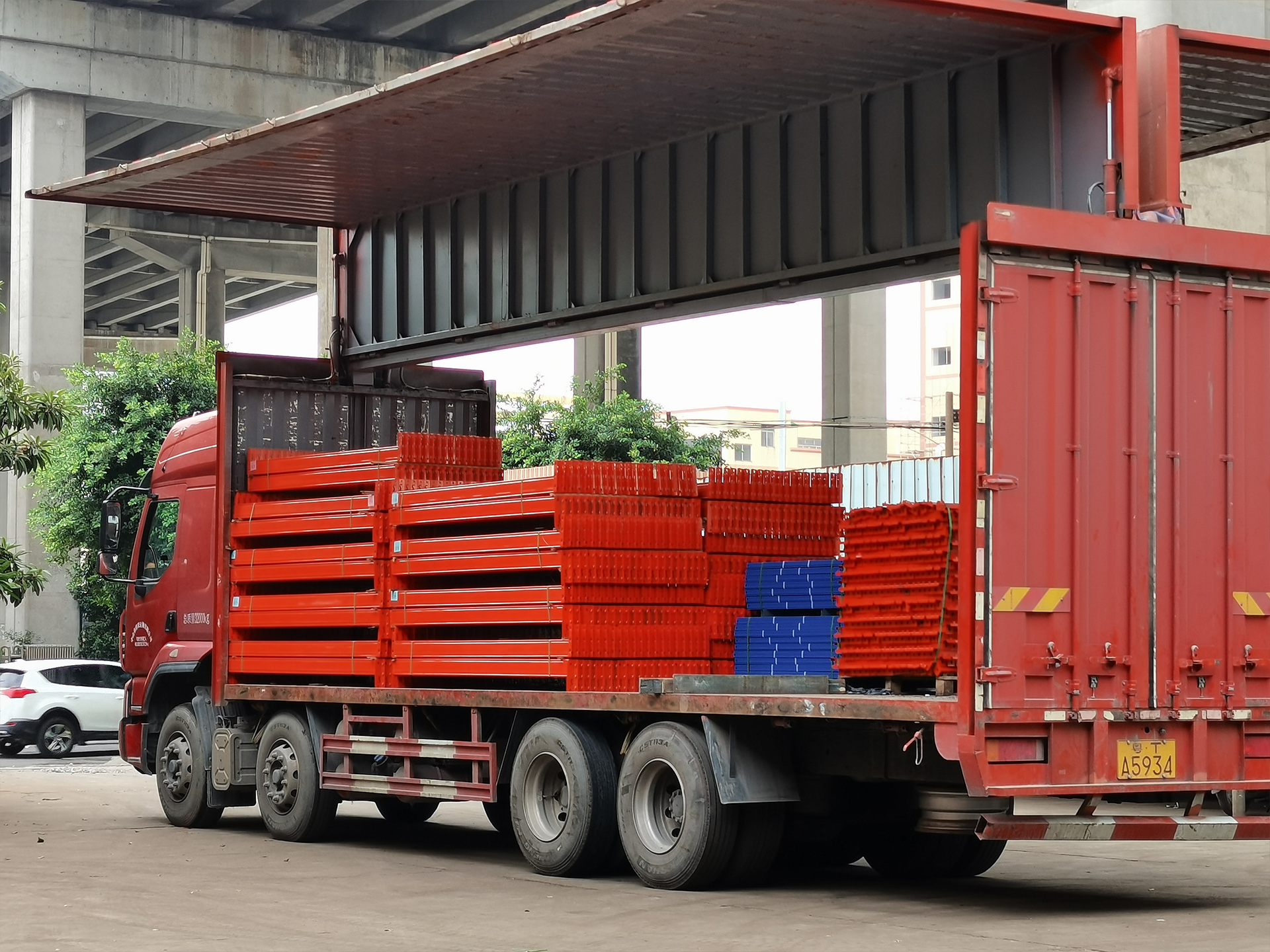
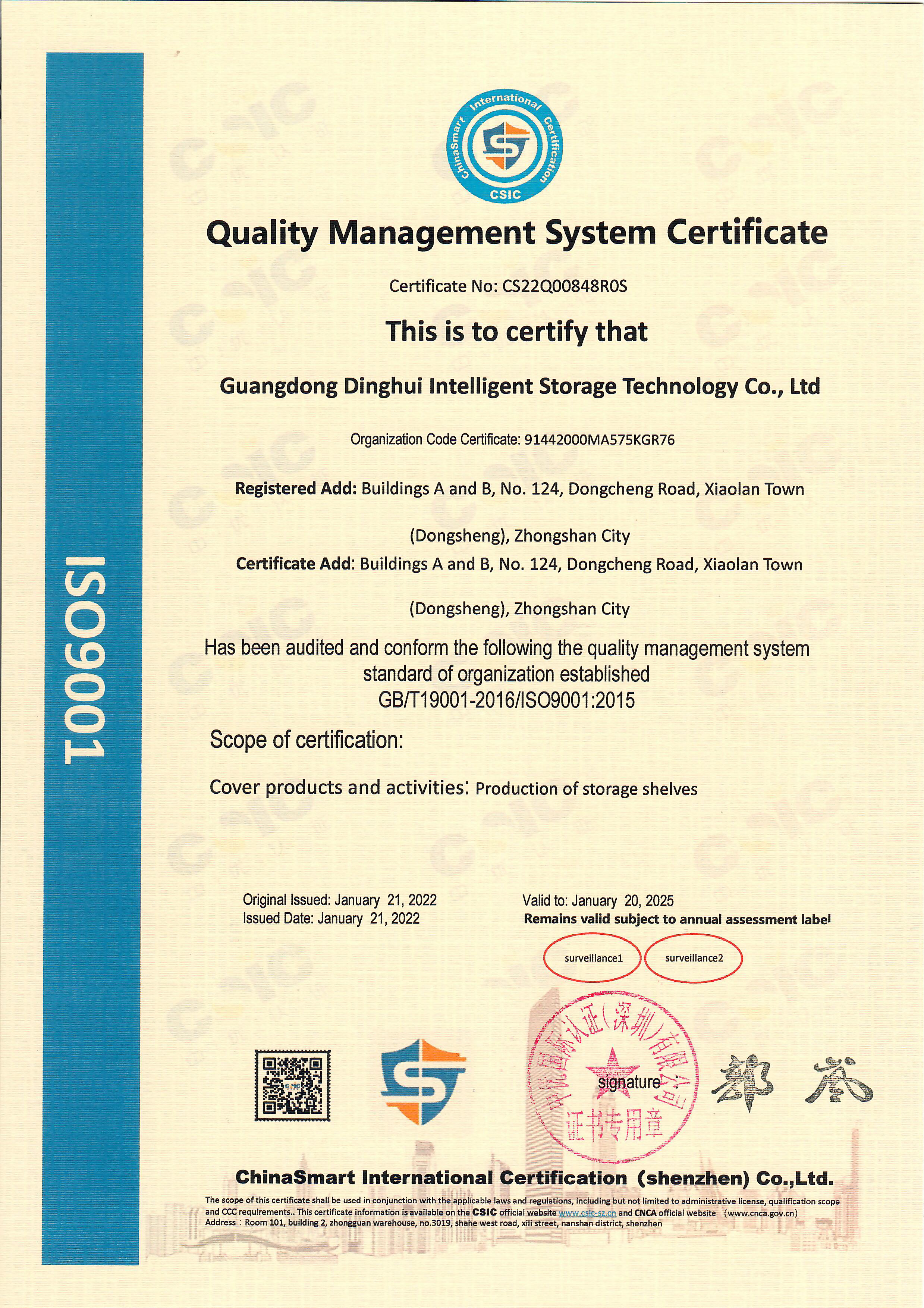
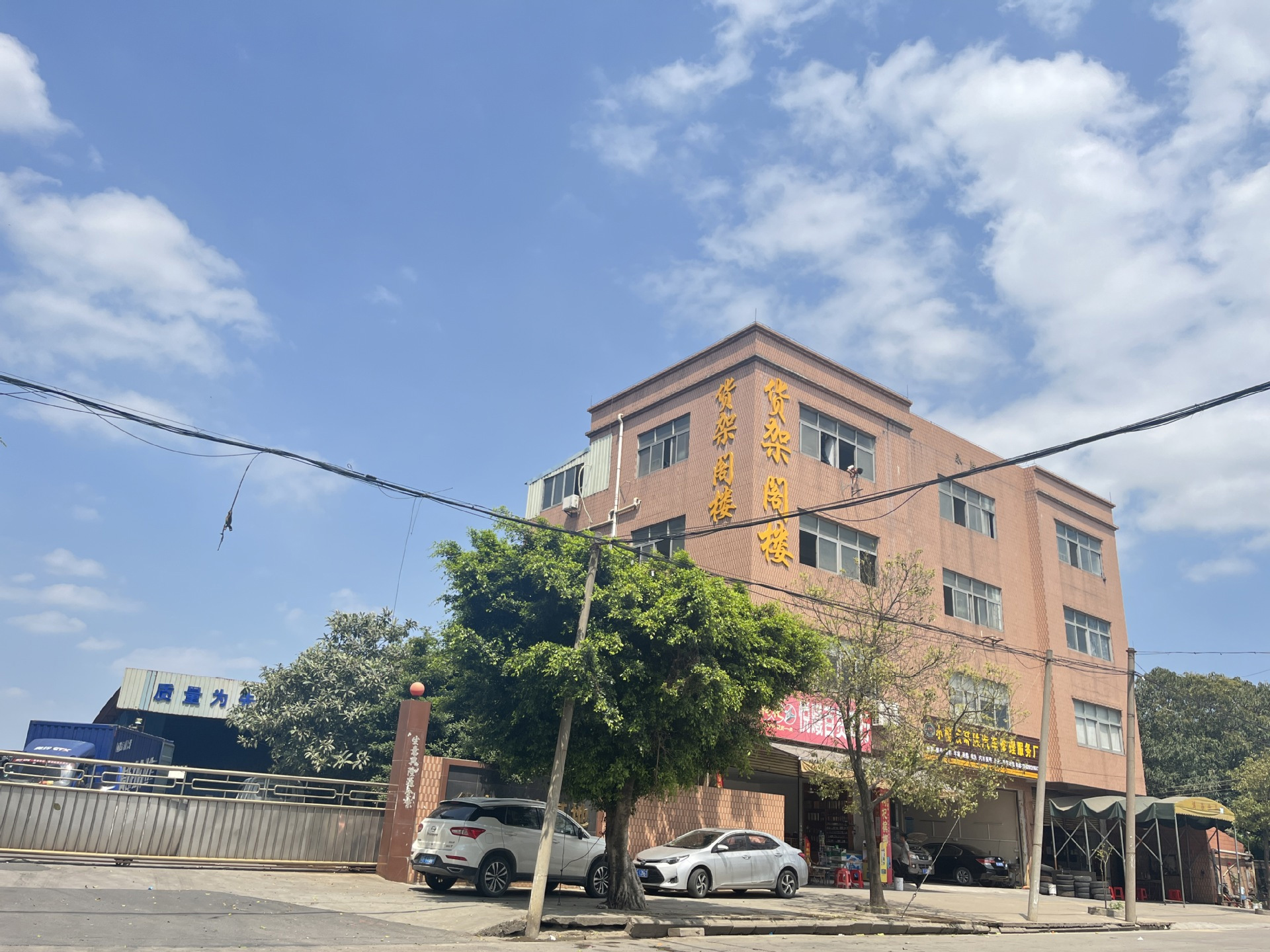
Operating with a strong international OEM/ODM trade background, our primary markets span North America, Europe, Southeast Asia, and the Middle East. Backed by a robust network of over 850 reliable supply chain partners, we serve a diverse global client base, including 3PL logistics providers, industrial warehouse operators, e-commerce fulfillment centers, and regional distributors.
Innovation and custom engineering drive our success. Supported by 18 experienced senior R&D engineers, we offer extensive OEM/ODM customization options, including tailored load capacities, custom dimensions, seismic-resistant structural design, special powder-coating finishes, and automated system integration. Driven by continuous technical improvement, we successfully launched 45 new product designs and structural upgrades last year, empowering our global partners to optimize their warehouse efficiency.
Understanding how global industry trends dictate the mechanical design of modern storage trolleys and racking systems
Modern distribution hubs operate high-bay racking systems and high-density storage zones that require detailed engineering calculations. Ground stability variables and regional seismic codes demand that equipment manufacturers deploy structural modeling platforms like Finite Element Analysis (FEA) prior to roll-forming steel profiles.
Through simulation of static loads and dynamic operational stresses (such as forklift impacts or automated crane transitions), engineers can determine critical weld points and column thicknesses. This scientific process guarantees structural safety compliance across dynamic distribution networks in seismic zones throughout North America, Japan, and parts of Europe.
Enabling seamless physical handshakes between manual storage trolleys, gravity flow systems, and automated guided vehicles (AGVs/AMRs).
Application of multi-stage chemical pretreatment and advanced powder-coating lines to endure industrial environments, damp cold rooms, and extreme logistics ports.
Integrating safety components such as reliable lock-casters, non-pinch collapsible framing, protection guards, and ease-of-motion bearing profiles.
As logistics operations transition toward Smart Warehouses, the requirements for storage trolleys and rack designs are changing. We expect key advancements in several areas over the next decade:
A reference checklist for supply chain directors to assess structural material capabilities and supplier standards
| Evaluation Parameter | Tier 1 Standard (Dinghui Grade) | Industry Basic Grade | Procurement Risk Level |
|---|---|---|---|
| Steel Quality Profile | Premium Q235B / Q355 High Tensile Cold-Rolled Steel | Standard hot-rolled recycled structural profiles | High - Risk of micro-cracks under load stress |
| Quality Testing | Weld NDT (Non-Destructive Testing) + Raw Material Tensile Testing | Visual weld verification only | High - Potential structural buckling failures |
| Surface Treatment | Automated multi-stage wash + Epoxy-polyester powder coating (60-80μm) | Single coat manual spray-paint | Medium - Accelerated rust and paint flaking |
| Customization Engineering | 3D FEA load stress simulation + Bespoke size/capacity modeling | Fixed catalogs only | Medium - Inefficient warehouse space utilization |
How top-tier manufacturers navigate regional safety guidelines and regulatory demands
Deploying material handling structures on a global scale requires strict alignment with local building codes, fire safety guidelines, and workplace regulations. For example, pallet racks and structural steel products must comply with the RMI (Rack Manufacturers Institute) guidelines in the United States, and the EN 15635 (Steel static storage systems) standards across the European Union.
Safety regulations are critical for mobile elements like roll containers, transport bins, and heavy-duty carts. These solutions must handle structural stresses, feature proper braking mechanics, and have roll-over protection to satisfy local safety requirements like OSHA (Occupational Safety and Health Administration) regulations. Choosing an ISO 9001 certified supplier with traceable materials ensures your facility remains compliant during safety audits.
To guarantee that structural elements can survive high-demand workflows, top manufacturers run detailed testing processes:
Insights from industrial engineers on structural integrity, safety certifications, and logistics solutions
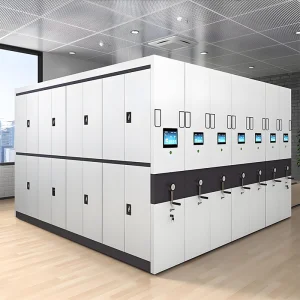
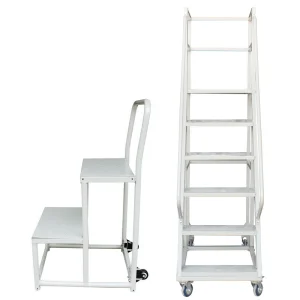
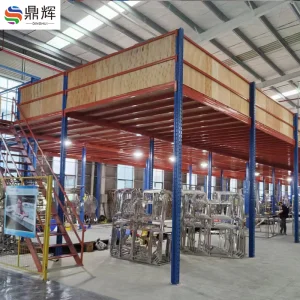
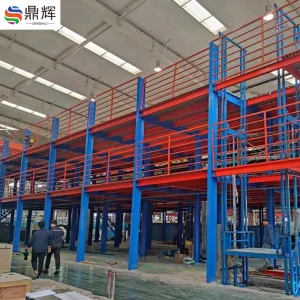
Explore our custom mobile systems, mezzanine platforms, and protective transport containers
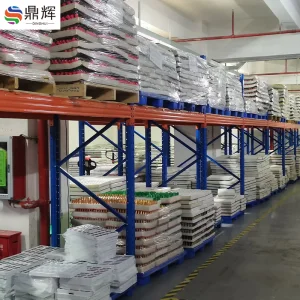
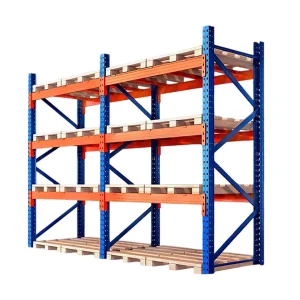
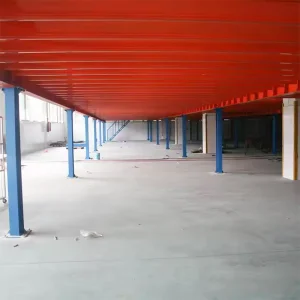
 Dinghui Racking