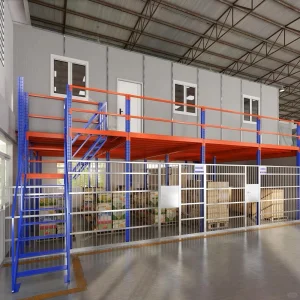
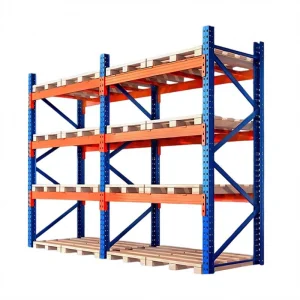
Explore our premium grade cold-rolled steel adjustable storage units designed for industrial warehousing, logistics fulfillment, and distribution hubs.
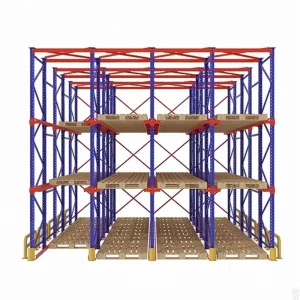
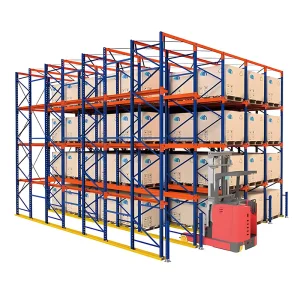
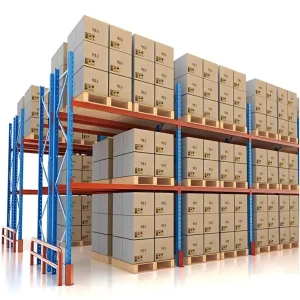
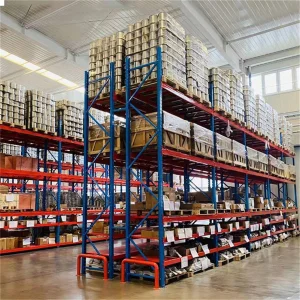
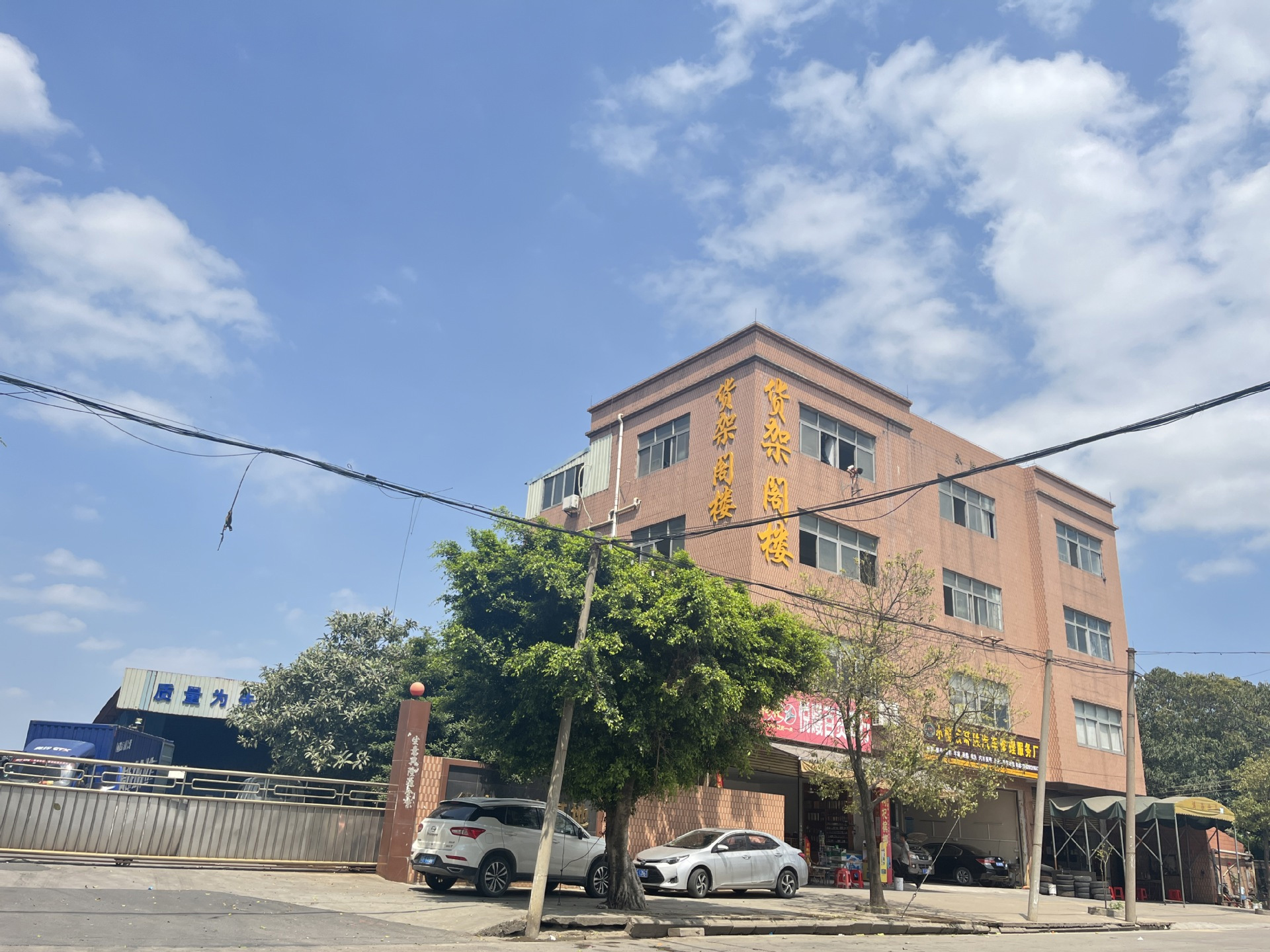
Established in 2015, Foshan Dinghui Intelligent Warehousing Technology Co., Ltd. stands as a premier global manufacturer of heavy-duty industrial storage racks, custom pallet racking configurations, and automated warehouse logistics platforms. Spanning a modern manufacturing footprint of 38,000 square meters, we merge over 12 years of core industry manufacturing experience with 8 years of dedicated global export expertise, generating an annual export revenue exceeding $25 million USD.
Our engineering prowess, supported by 18 senior R&D structural engineers, allows us to offer extensive structural layout customizations. We develop tailored solutions that meet precise load limits, specific floor planning constraints, and high-performance requirements globally.
Analyzing global supply chain evolution, warehouse density optimization, and the integration of automated material handling technologies.
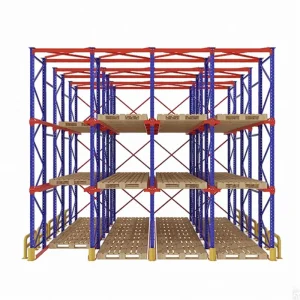
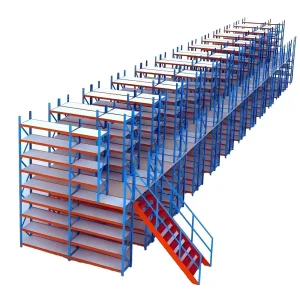
As logistics real estate costs surge globally, enterprises are pivoting to taller, high-density configurations. Multi-tier mezzanines, VNA (Very Narrow Aisle) systems, and drive-in racks maximize existing facilities, minimizing horizontal footprint footprint expansion costs.
Dynamic retail sectors and volatile supply chains require systems that quickly scale. Modern adjustable pallet racks utilize weld-free, interlocking beam connections and punched upright profiles, enabling fast reconfigurations to match varying pallet profiles.
Traditional structural racking is shifting towards automated warehousing. Racks must now support tighter manufacturing tolerances to accommodate AGVs (Automated Guided Vehicles), autonomous shuttles, and ASRS crane insertion/extraction cycles without structural deviations.
These industry developments push top manufacturers to focus heavily on dimensional accuracy, steel raw material consistency, and superior surface finishing to prevent friction issues in automated environments.
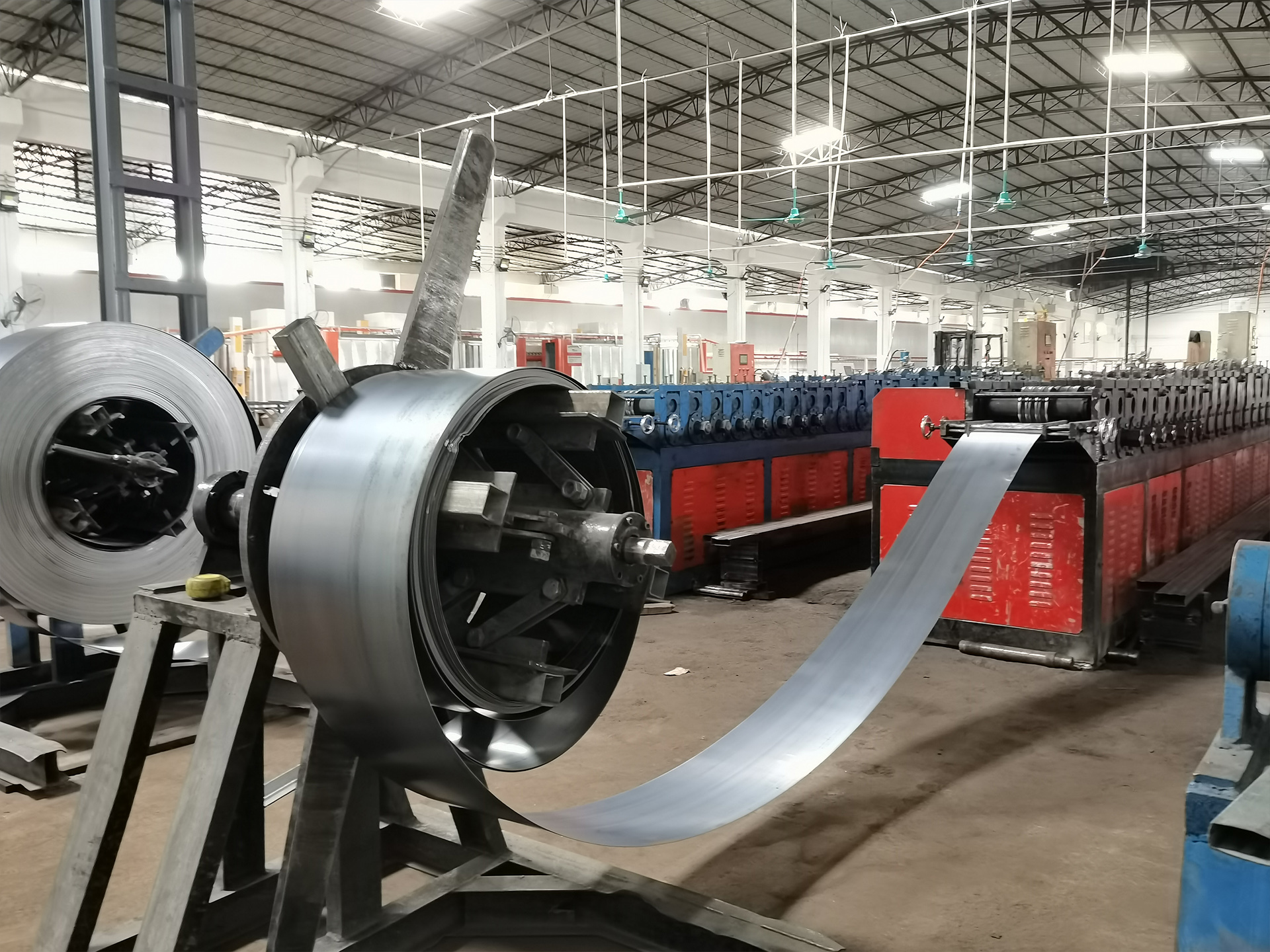
By utilizing advanced roll-forming, robotic welding, and intelligent material tracking systems, Foshan Dinghui offers global clients consistent supply chain resilience. Under our Factory 4.0 program, raw materials are sourced from top-tier national steel mills with certified carbon and silicon content. This guarantees uniform yield strength under high-stress scenarios.
Our automated powder coating line applies an electrostatic protection finish that passes cross-hatch adhesion and chemical resistance tests. This level of quality control reduces lead times by up to 25% while maintaining structural consistency across bulk production runs.
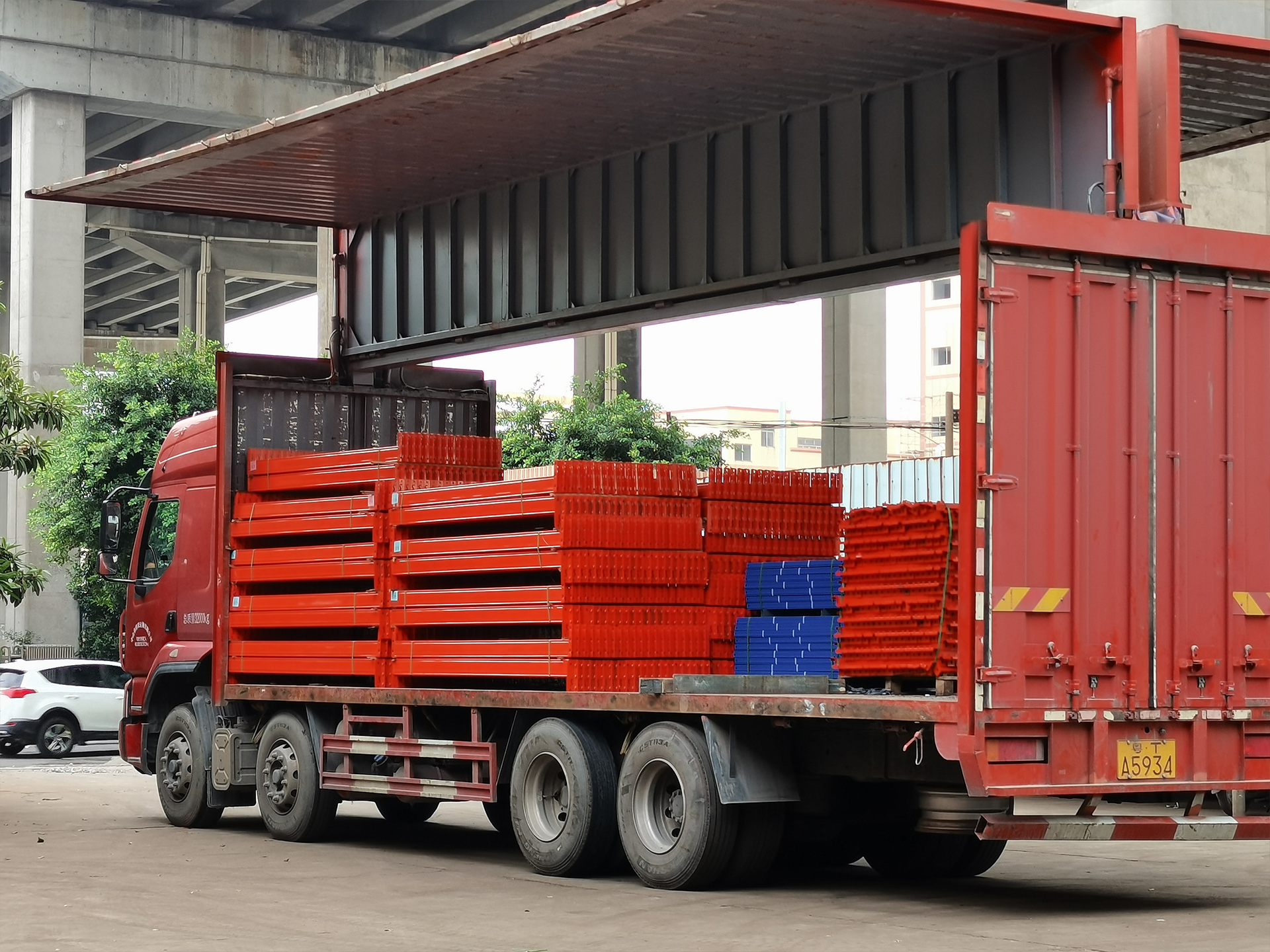
“Last year alone, our facility successfully delivered over 45 new structural upgrades and custom product developments, accommodating localized design requirements for clients in North America, Europe, and the Middle East.”
Addressing the key compliance and engineering requirements of procurement managers, logistics heads, and distribution developers.
Procurement managers look for racking that meets local code approvals, such as CE for Europe, RMI/OSHA for the US, and AS4084 for Australia. Compliance requires strict raw material verification, verified weld penetration, and certified load capacities. We supply load documentation with every shipment, ensuring simple localized engineering inspections.
Whether deployed in sub-zero cold-storage facilities, high-humidity ports, or heavy chemical spaces, surface coating durability is key. Our structures utilize epoxy-polyester powder formulations and zinc-plated or hot-dip galvanized surface finishes, preventing rust formation and structural degradation over long-term operations.
Review engineering tolerances, steel grading, and optimal design setups for industrial warehouses.
| Racking Type | Structural Profile | Optimal Load / Pallet | Surface Treatment Options | Key Application Environment |
|---|---|---|---|---|
| Selective Pallet Racking | Cold Rolled / Structural Channel | 1000 - 4000 kg | Electrostatic Powder / Hot-Dip Galvanized | General Warehousing, 3PL, FMCG Logistics |
| Drive-In Storage Systems | High-Strength Formed Uprights | 500 - 1500 kg | Anti-Corrosive Zinc Phosphate Primer | Cold Storage, Food Processing, High Density Bulk |
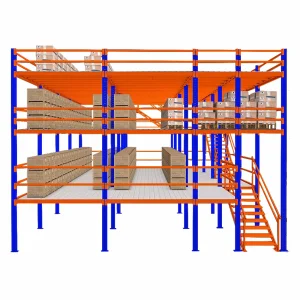
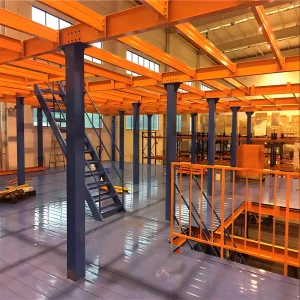
| Mezzanine Floor Platform | Heavy I-Beam & Box Deck Support | 300 - 1000 kg/m² | Industrial Hardened Coating / Galvanized Deck | E-commerce Sorting Hubs, Parts Storage |
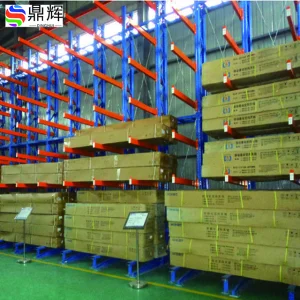
| Cantilever Frame System | Heavy Gauge Columns / Tapered Arms | 500 - 3000 kg (per arm) | Weather-Resistant Epoxy Coating | Lumber, Steel Sheet Metal, Piping, Tubing Storage |
To guarantee safety under load, our quality control team follows strict structural validation workflows. Our 35-member QA/QC department conducts rigorous tests at every stage of production:
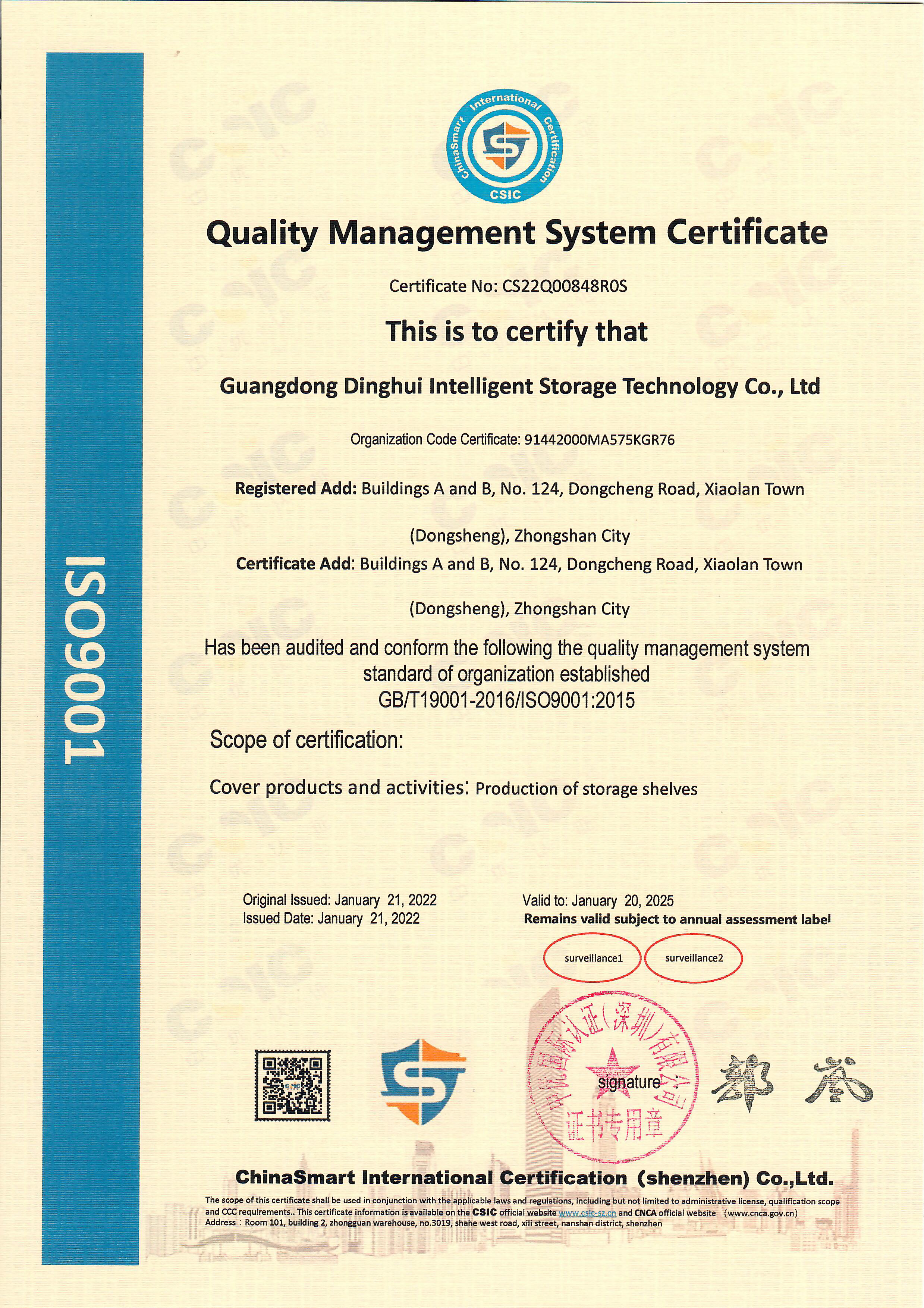 ISO 9001:2015 Certified Operations
Analyzing how adjustable racking configurations are applied across various global industrial setups.
Challenge: Cold temperatures compromise standard carbon steel and paint coatings.
Solution: High-durability structural racking with sub-zero anti-rust epoxy coatings or hot-dip galvanized components, ensuring structural integrity down to -30°C.
Challenge: Storage of heavy, irregularly shaped dies and steel structural parts.
Solution: Adjustable cantilever systems and heavy-duty tool drawer racks, allowing safe overhead crane extraction and high point-load capacity support.
Challenge: Rapidly changing SKUs and manual hand-picking processes.
Solution: Multi-tier mezzanine floor platforms and adjustable shelf configurations, combining picking zones with overhead conveyor routing.
Challenge: Constant loading cycles requiring robust fork-truck collision safety.
Solution: Rolled-steel frames equipped with floor-anchored steel upright protectors, dual-anchor structural baseplates, and deflection beams.
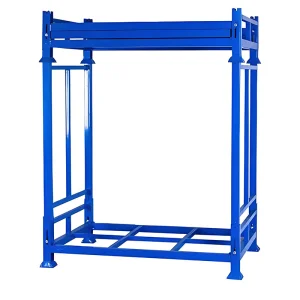
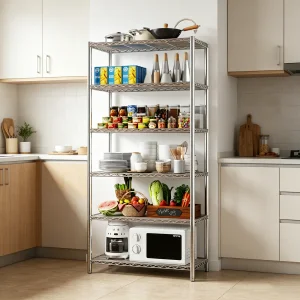
Explore our specialized range, including transport frames, clothing storage displays, and custom multi-tier structures.
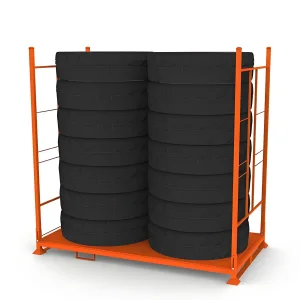
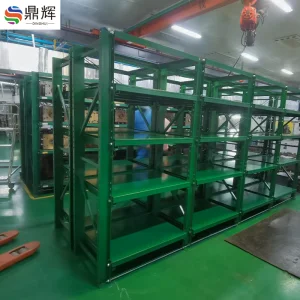
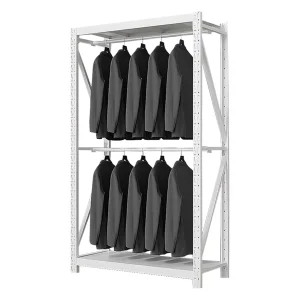
Get technical answers about sizing, surface finishes, load calculations, and global supply logistics.
 Dinghui Racking