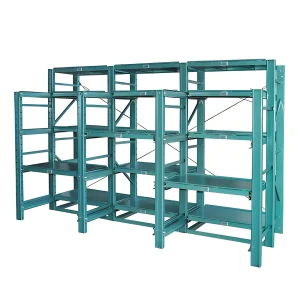
Engineered to maximize vertical storage, improve picking speed, and withstand demanding industrial loads.
How Modern Distribution Centers Are Navigating the E-Commerce Boom and Structural Steel Standards
The logistics industry is undergoing a monumental transition. The traditional manual warehouse model, reliant on slow forklift maneuvers and human inventory sorting, is being rapidly replaced by Automated Storage and Retrieval Systems (AS/RS). This revolution is driven by skyrocketing real estate prices, structural labor shortages across North America and Europe, and the demands of next-day delivery networks.
Modern automated shelving and racking systems serve as the structural backbone of these high-tech logistics operations. Unlike legacy static storage, automated shelving must be engineered to comply with highly precise tolerances. Dynamic load variables, automated shuttle speed profiles, structural deflection criteria under load, and seismic-zone factors are integrated during the design phase. A minute engineering deviation can stall an automated shuttle system or, worse, trigger a cascading rack failure.
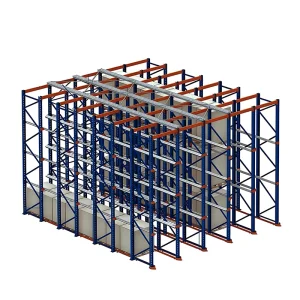
Across the industrial landscape, leading enterprises are evaluating their warehouse capacity not by square meters, but by volumetric utilization. High-density racking systems, multi-tier mezzanine floors, and integrated drive-in structures are configured to support high-throughput operations. This structural foundation must interface with advanced robotics, automated guided vehicles (AGVs), and warehouse management software (WMS) to achieve true spatial optimization.
Automated retrieval components require tolerances within millimeters. Strict control of cold-rolled steel profiles ensures consistent rail alignment for high-speed shuttles.
By shifting to heavy-duty, high-density automated racking configurations, enterprises routinely reduce their physical footprint requirements by up to 60%, drastically cutting down operational energy overhead.
Structural stability is paramount. Advanced calculations account for local geographical seismic zones, guaranteeing load-bearing integrity under strict international regulations.
Supply Chain Integration, Raw Material Quality Control, and Scale Efficiencies
China's smart warehousing manufacturing sector has transitioned from simple metal fabrication to complex systems engineering. At the heart of this transition is an integrated local supply chain. The proximity to high-grade steel mills allows manufacturers to secure premium-grade cold-rolled steel (Q235B and Q355B), containing optimized carbon and manganese ratios. These specific alloy blends are engineered to provide maximum load capacity and resilience against deformation.
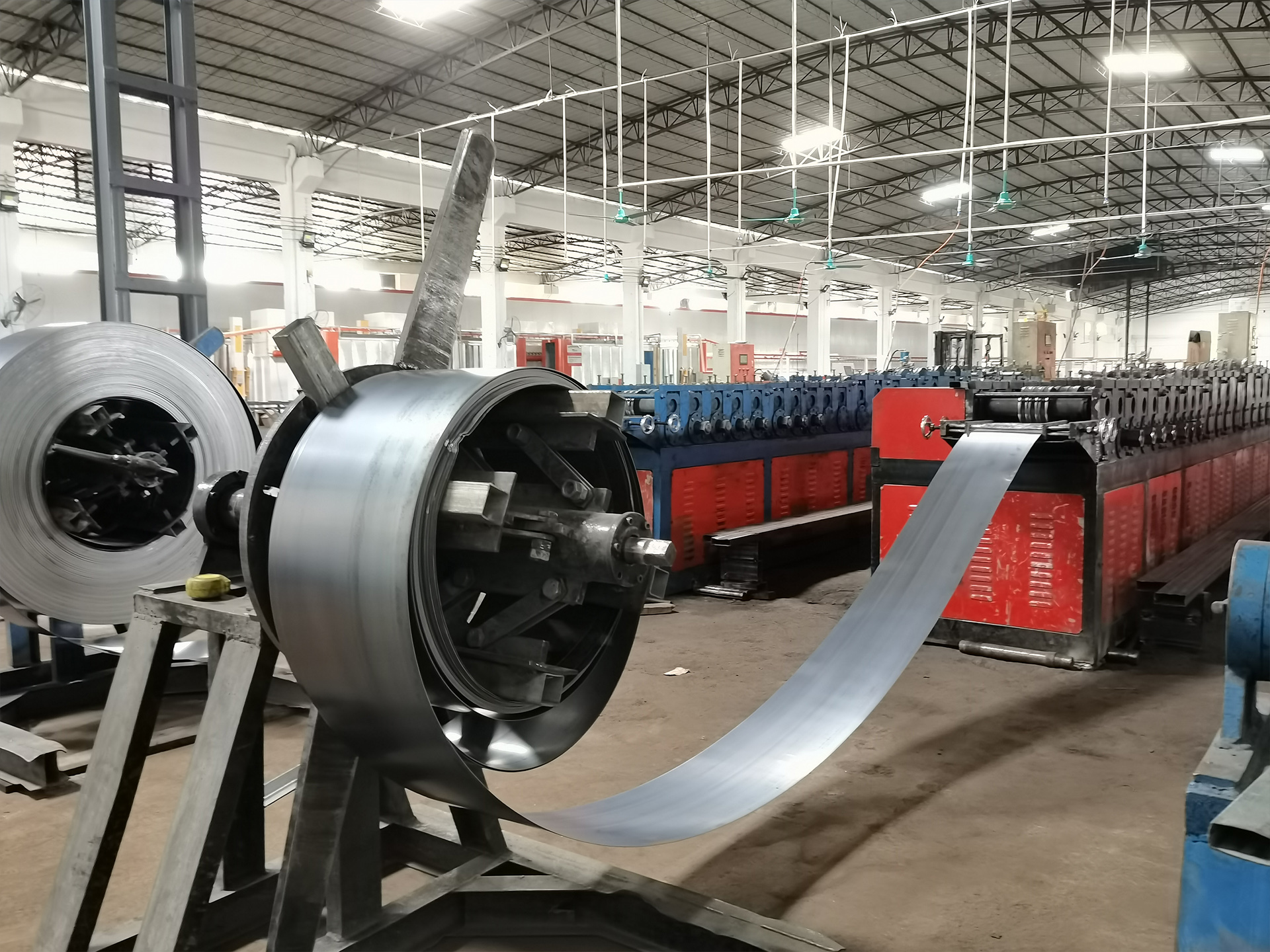
By utilizing high-precision, automated roll-forming production lines, Chinese factories maintain continuous structural profile consistency. This level of precision is virtually impossible to replicate through manual processes. The integration of robotic welding bays guarantees structural weld integrity and minimizes the risks of weld porosity. In addition, the application of electrostatic powder coating lines provides long-lasting resistance to wear and environmental corrosion.
This scale of manufacturing capacity directly translates to competitive leads, reliable turnaround times, and highly customized engineering solutions. Procurement managers benefit from cost efficiencies, streamlined logistics, and comprehensive design validation without compromising on quality or safety certifications.
A Pioneering Leader in High-Capacity Warehouse Racking Systems & Custom Integration
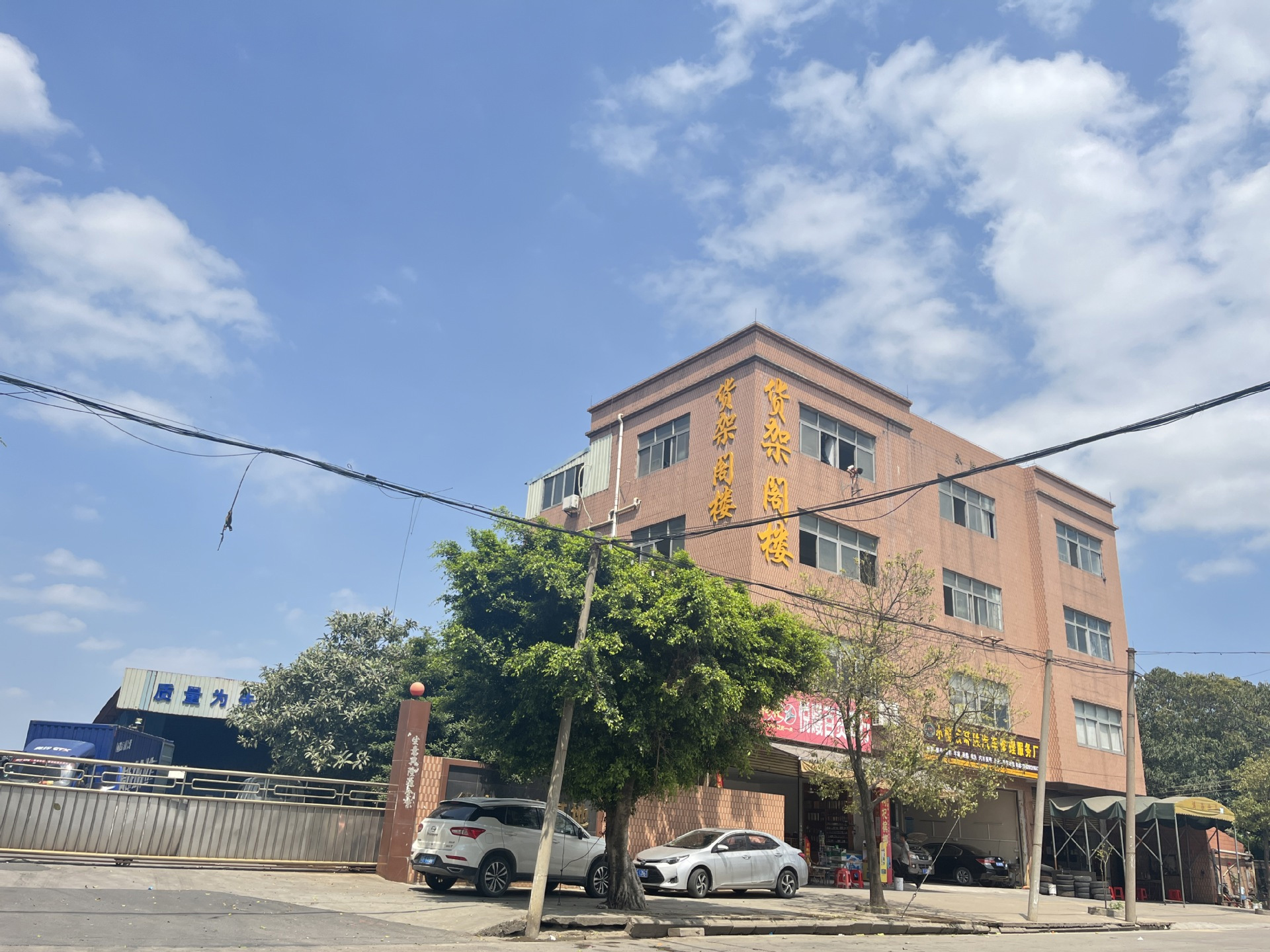
Established in 2015, Foshan Dinghui Intelligent Warehousing Technology Co., Ltd. is a leading manufacturer specializing in heavy-duty industrial storage racks, pallet racking systems, and automated warehouse solutions. Spanning a modern manufacturing base of 38,000 square meters, we bring together 12 years of industry experience and 8 years of direct global export expertise, generating an annual export revenue of over $25 million USD.
Equipped with advanced automated roll-forming and powder-coating production lines, our quality control procedures adhere to rigorous ISO 9001 and CE certification standards. We implement comprehensive product testing protocols, including raw material tensile testing, structural load-bearing simulation, powder coating adhesion tests, and weld non-destructive inspection (NDI). Supported by a dedicated 35-member QA/QC team, we ensure that every racking component strictly meets international safety and durability standards.
Operating with a strong international OEM/ODM trade background, our primary markets span North America, Europe, Southeast Asia, and the Middle East. Backed by a robust network of over 850 reliable supply chain partners, we serve a diverse global client base, including 3PL logistics providers, industrial warehouse operators, e-commerce fulfillment centers, and regional distributors.
Innovation and custom engineering drive our success. Supported by 18 experienced senior R&D engineers, we offer extensive OEM/ODM customization options, including tailored load capacities, custom dimensions, seismic-resistant structural design, special powder-coating finishes, and automated system integration. Driven by continuous technical improvement, we successfully launched 45 new product designs and structural upgrades last year, empowering our global partners to optimize their warehouse efficiency.
Our facility operates continuous manufacturing workflows that utilize computerized CNC punch presses, automatic laser cutting systems, and high-speed cold roll-forming mills. Because we keep the manufacturing processes in-house, we can maintain close oversight on tolerances and raw material performance.
From the initial raw steel coil slitting to the final structural inspection, every stage is fully traceable. We provide material mill certificates (MTC) with our shipments, verifying yield strength, chemistry composition, and load ratings to ensure full compliance with regulatory standards.
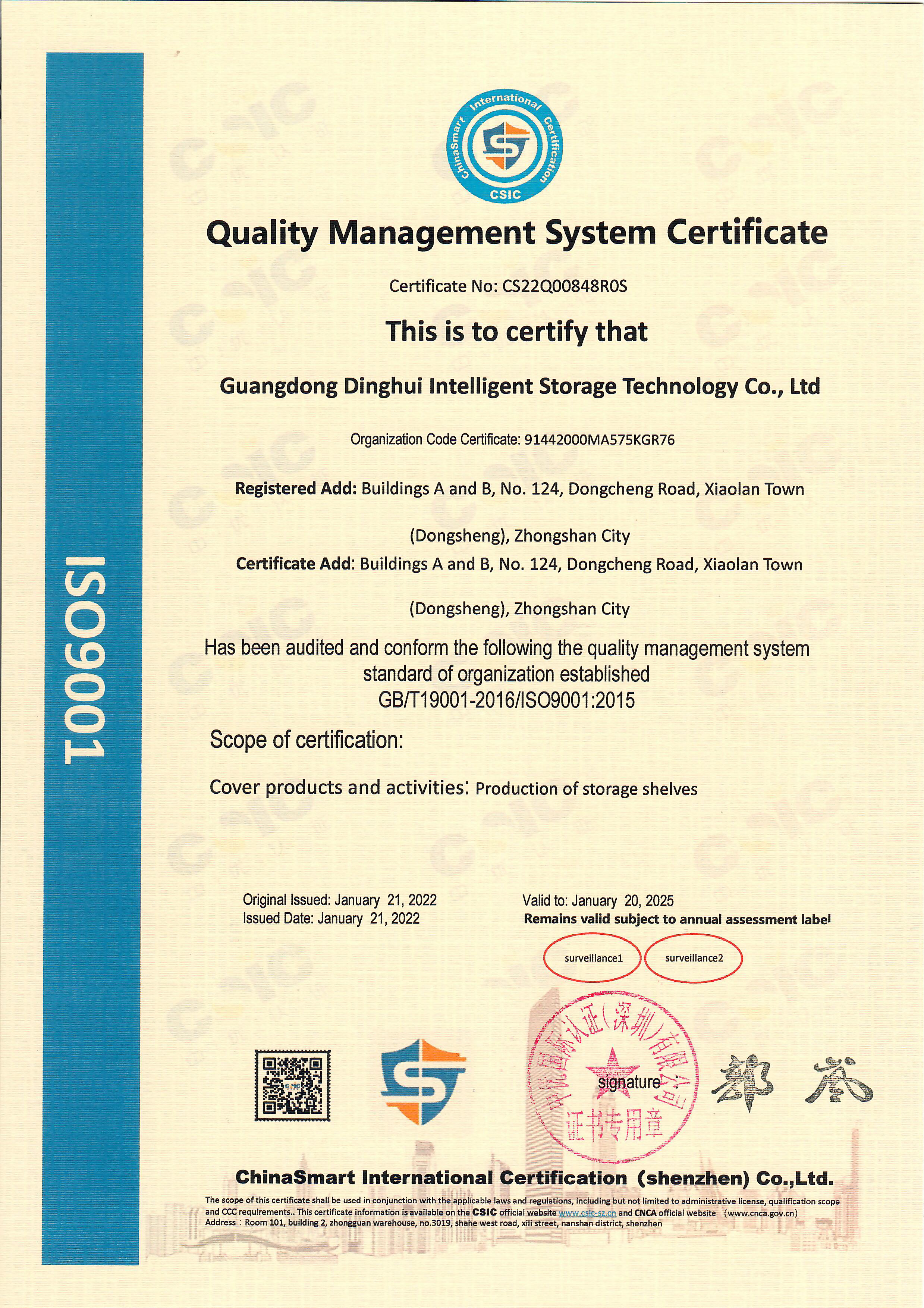
ISO 9001
Our structural designs are verified through Finite Element Analysis (FEA) software. We simulate real-world environmental stressors, dynamic warehouse traffic impacts, and high-capacity loading to guarantee structural integrity. By matching ISO 9001 quality systems with strict CE certification requirements, we provide global logistics infrastructure with reliable, heavy-duty racking solutions.
Custom Engineered Solutions Across Diverse Global Industries
Industrial shelving is not a one-size-fits-all solution. Storage configurations must adapt to the storage environment, picking frequencies, unit weight, and integration limitations. Below are the key scenarios where Dinghui systems deliver performance and durability:
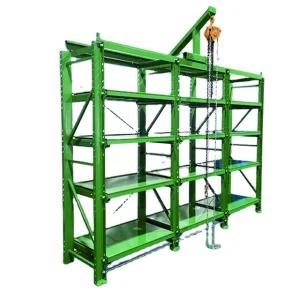
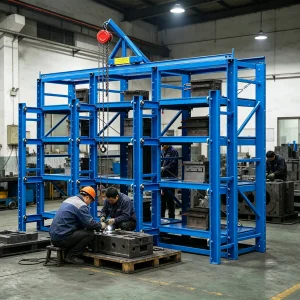
For die casting and manufacturing workshops. Our heavy-duty drawer racking systems with built-in hoists allow safe access to heavy molds weighing up to 2,000 kg per level, preventing workplace injuries and optimizing floor space.
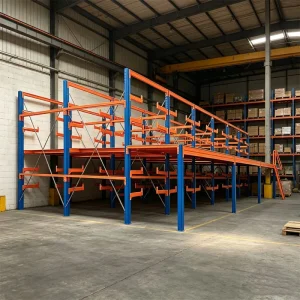
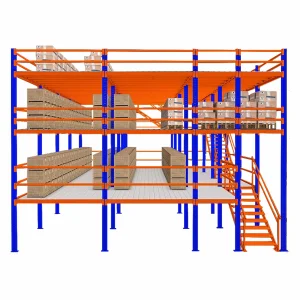
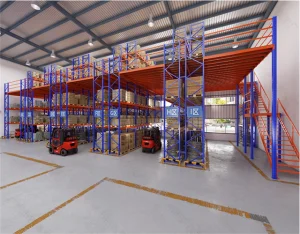
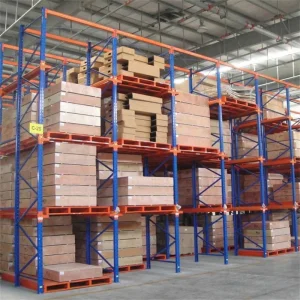
Selective pallet racking combined with multi-level mezzanine floors provides high-density storage and manual picking levels. This configuration maximizes vertical height clearance for large volume SKU management.
For sub-zero food and chemical storage. We utilize specialized powder coatings or hot-dip galvanized finishes. These coatings resist humidity and corrosion, preventing rust build-up at low temperatures.
In seismically active zones, standard static upright profiles can structural buckle. Our engineering team designs custom structural bracing patterns, thick, heavy-duty floor baseplates, and high-tensile connection brackets. These elements disperse horizontal stress and guard against structural failures during seismic events.
We run finite element analysis (FEA) models tailored to specific regional seismic coefficients (e.g., SDC standards for the western coast of the US, or localized Middle Eastern building codes). This targeted approach ensures that every installed storage configuration delivers consistent safety and structural integrity.
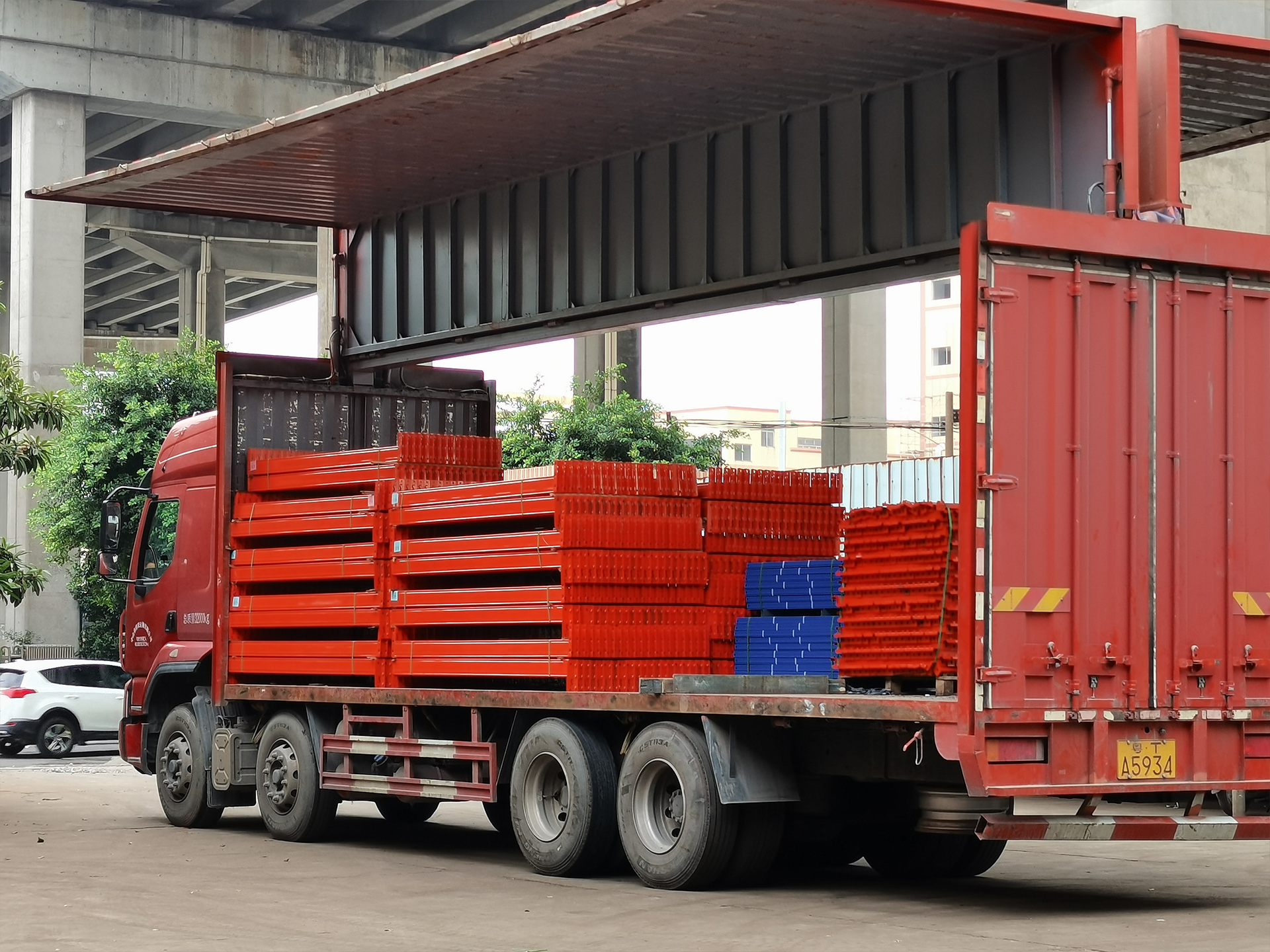
Green Logistics, Multi-Shuttle Integration, and Smart Inventory Management
Looking ahead, warehouse racking systems are evolving from static structural products to key components of intelligent automated cells. Modern procurement processes place a strong emphasis on integration, material efficiency, and sustainability. Key developments shaping the industry include:
Essential Criteria to Ensure Performance, Compliance, and Quality Control
When sourcing industrial racking from overseas partners, evaluating structural integrity and compliance is vital to avoiding project delays or structural failures. We advise global procurement managers to prioritize these key areas:
Verify that your supplier provides certified mill test reports (MTC). This document verifies the structural yield strength and chemical composition matches specified steel grades like Q235B or Q355B.
Verify the supplier performs non-destructive inspections (NDI) on welds. They should also perform adhesion testing on powder coatings to ensure the product holds up under demanding operational conditions.
Ensure the manufacturer has the engineering capacity to provide detailed CAD layouts and 3D FEA stress simulations. This ensures the racking system is optimized for your facility’s layout.
Technical Answers to Help You Choose the Right Storage Solution
High-Density Configurations to Optimize Your Warehouse Floor Space
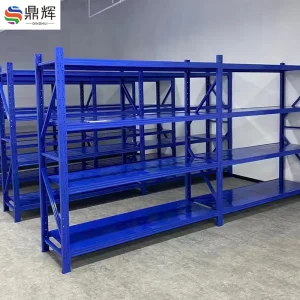
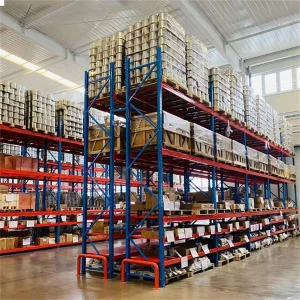
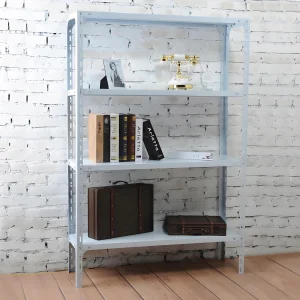
 Dinghui Racking