Engineered to maximize storage density, load efficiency, and overall operational throughput in logistics facilities.
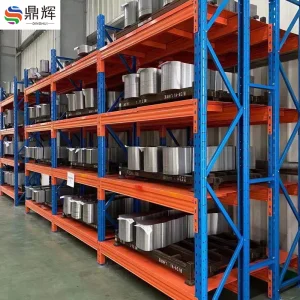
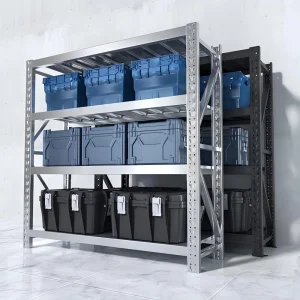
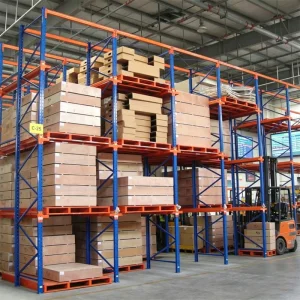
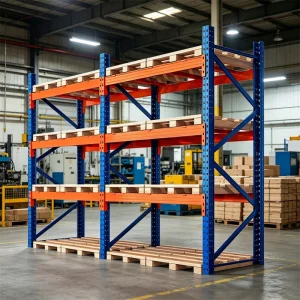
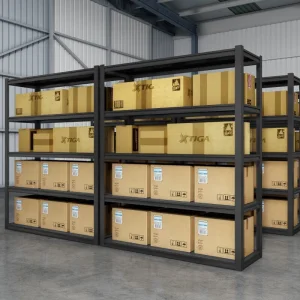
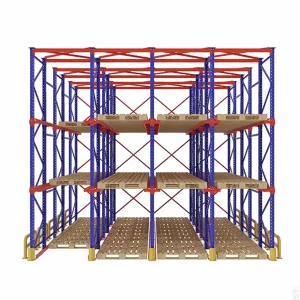
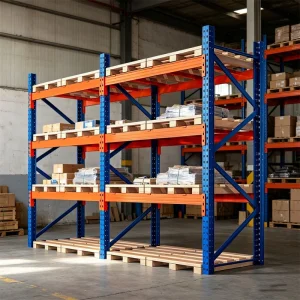
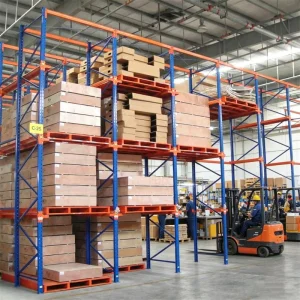
A comprehensive analysis of supply chains, structural design integrity, and global procurement considerations.
In modern industrial facilities, floor space optimization has transitioned from a basic metric to a core driver of profitability. As logistics networks scale and micro-fulfillment hubs emerge closer to urban centers, the demand for spatial flexibility has intensified. Traditional storage systems are rigid, requiring significant downtime for reconfiguration. This bottleneck has accelerated the global adoption of advanced foldable shelving and modular racking systems.
Foldable and collapsible storage configurations allow operations to quickly adapt to seasonal fluctuations, fluid inventory flows, and changes in load sizing. By providing the structural integrity of static systems alongside space-saving collapse rates of up to 4:1, these modern solutions help minimize overall capital expenditures on warehouse space.
Failing to secure certified structural components can lead to cataclysmic accidents. According to industrial standards, selecting racks manufactured with sub-par material or lacking non-destructive testing poses massive operational liabilities.
High-grade warehouses must adhere strictly to raw material certification (such as Q235B or Q345B steel), load tolerance checks, and corrosion resistance configurations to maintain safe operational parameters.
Leading manufacturing capabilities in heavy-duty logistics frameworks and automated storage solutions.
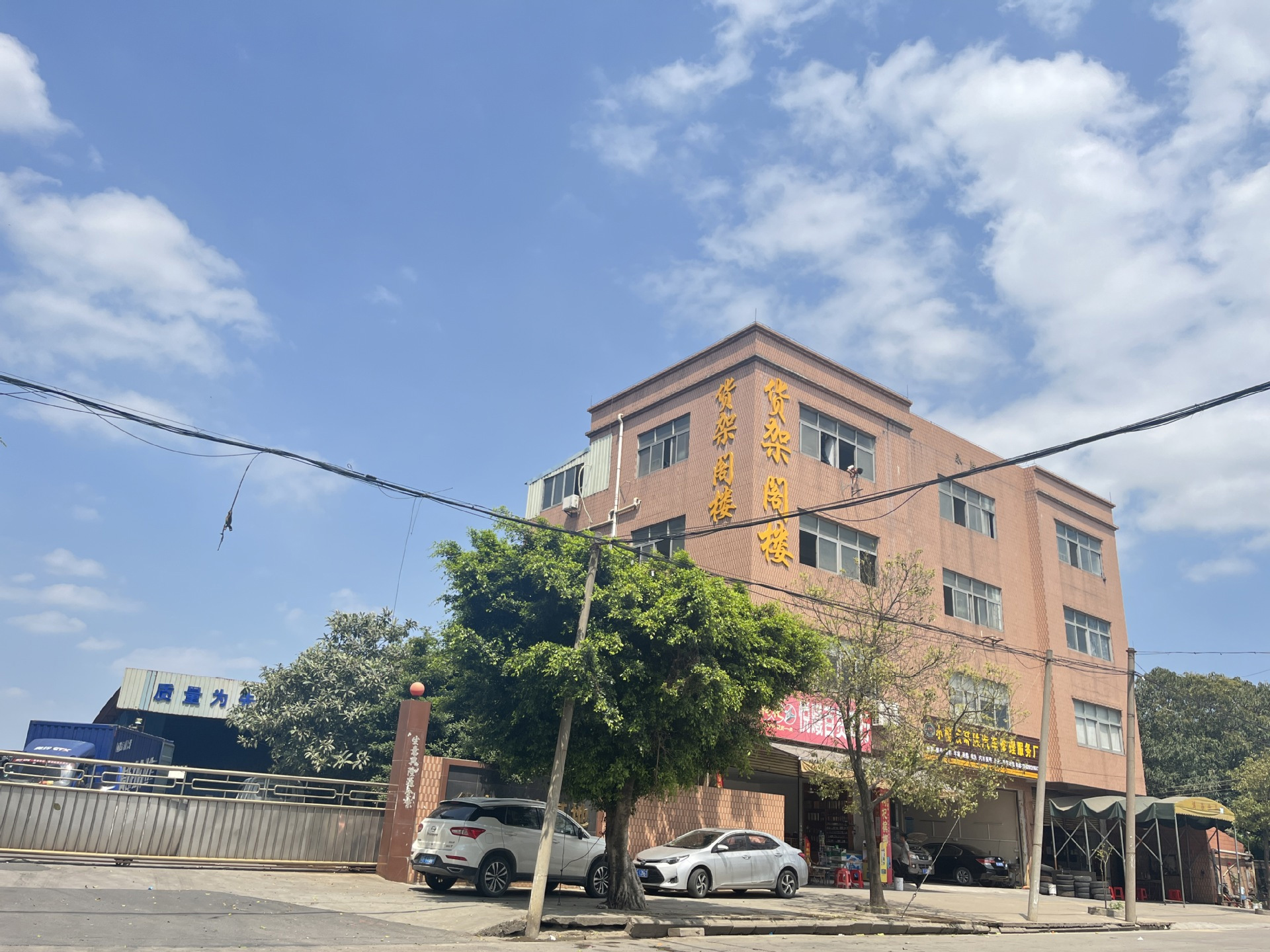
Foshan Dinghui Intelligent Warehousing Technology Co., Ltd., established in 2015, is a leading manufacturer specializing in heavy-duty industrial storage racks, pallet racking systems, and automated warehouse solutions. Spanning a modern manufacturing base of 38,000 square meters, we bring together 12 years of industry experience and 8 years of direct global export expertise, generating an annual export revenue of over $25 million USD.
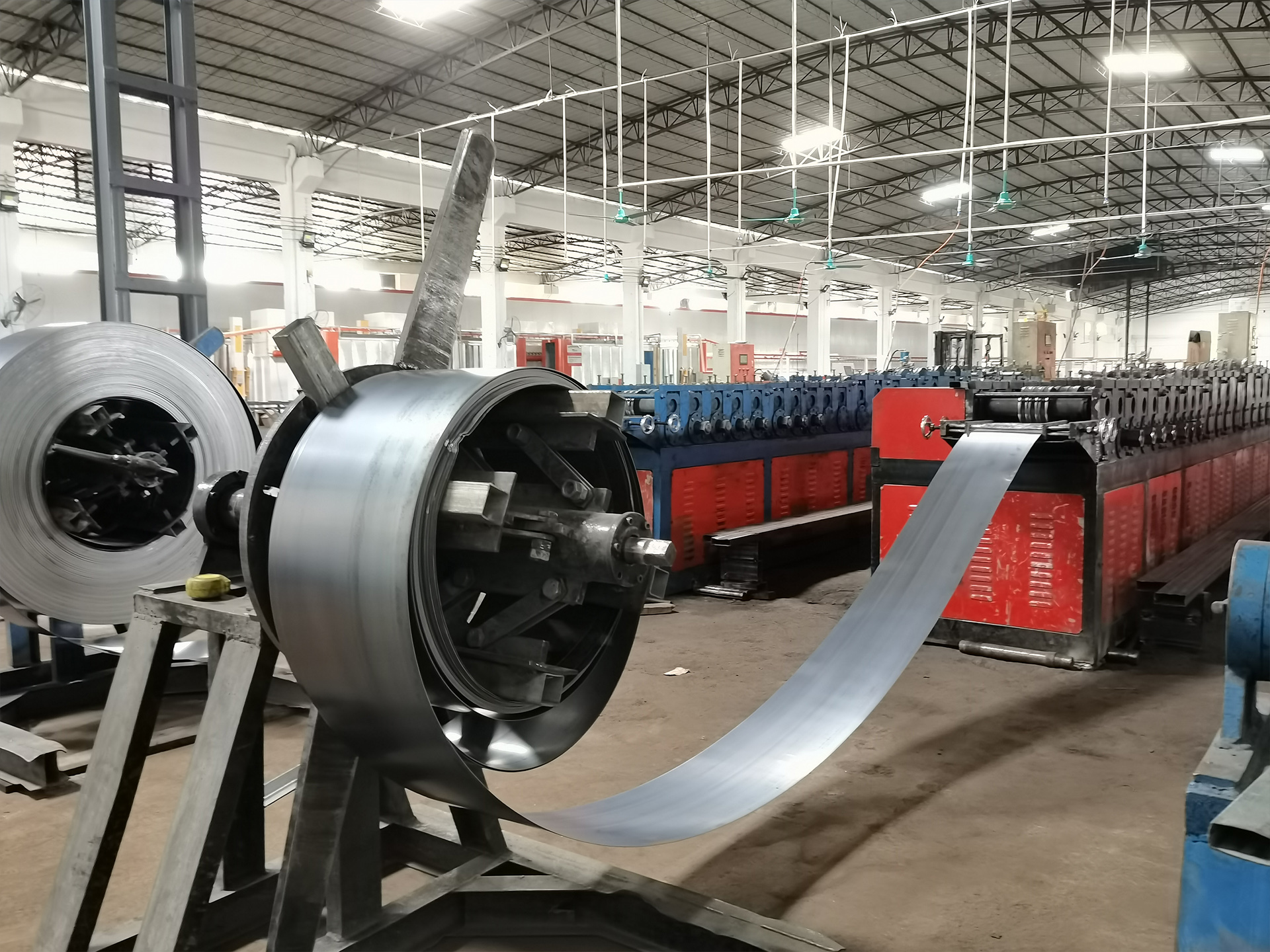
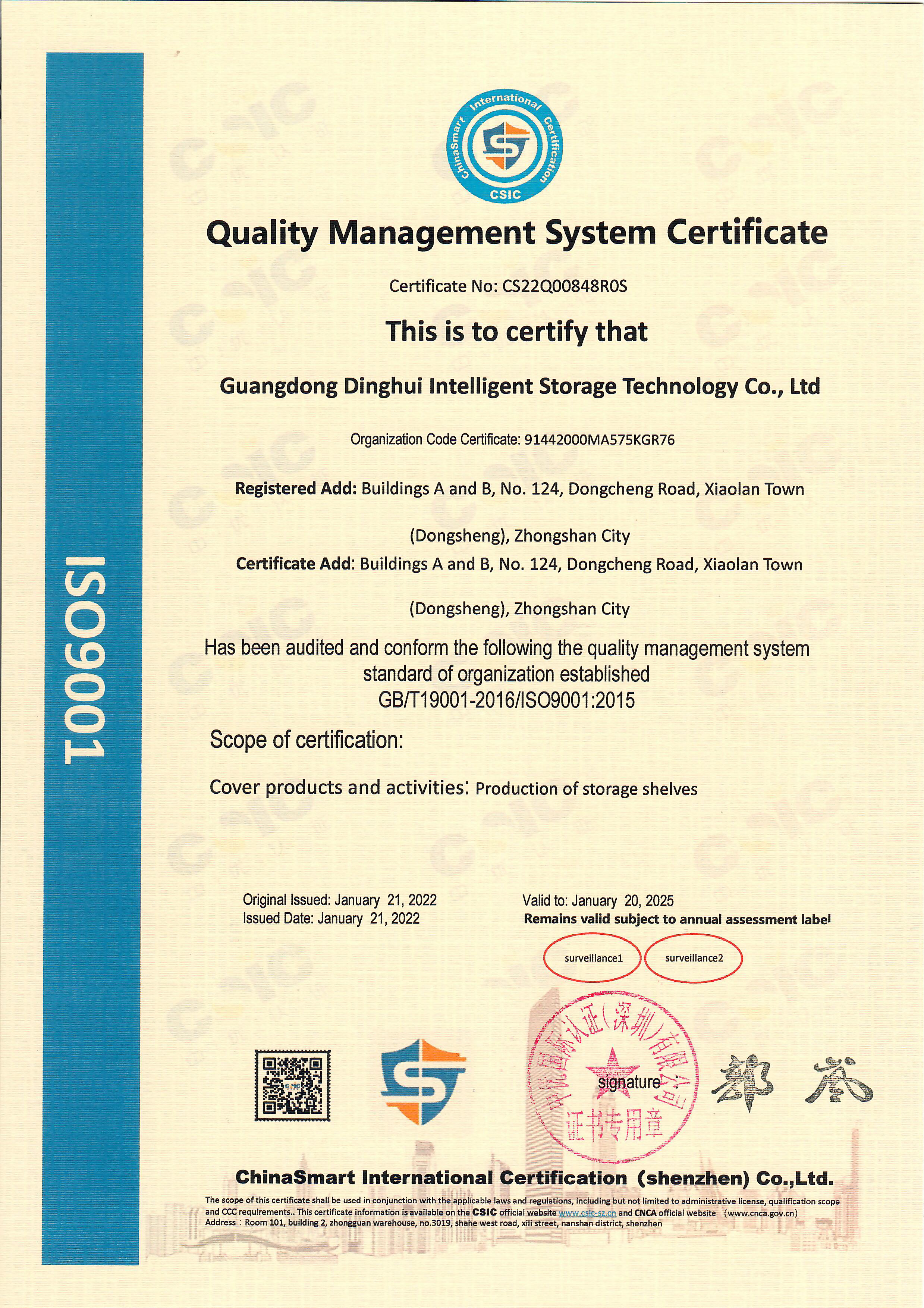
Equipped with advanced automated roll-forming and powder-coating production lines, our quality control procedures adhere to rigorous ISO 9001 and CE certification standards. We implement comprehensive product testing protocols, including raw material tensile testing, structural load-bearing simulation, powder coating adhesion tests, and weld non-destructive inspection (NDI). Supported by a dedicated 35-member QA/QC team, we ensure that every racking component strictly meets international safety and durability standards.
Operating with a strong international OEM/ODM trade background, our primary markets span North America, Europe, Southeast Asia, and the Middle East. Backed by a robust network of over 850 reliable supply chain partners, we serve a diverse global client base, including 3PL logistics providers, industrial warehouse operators, e-commerce fulfillment centers, and regional distributors.
Innovation and custom engineering drive our success. Supported by 18 experienced senior R&D engineers, we offer extensive OEM/ODM customization options, including tailored load capacities, custom dimensions, seismic-resistant structural design, special powder-coating finishes, and automated system integration. Driven by continuous technical improvement, we successfully launched 45 new product designs and structural upgrades last year, empowering our global partners to optimize their warehouse efficiency.
Uncovering the cluster advantages, manufacturing capabilities, and raw material access driving international cost performance.
Foshan is recognized as one of the world's most dense metal processing and intelligent warehousing clusters. Sourcing from this hub provides factories with immediate access to raw steel processing, surface treatment facilities, and advanced engineering talents, substantially shortening lead times.
With localized raw material supply networks (coiled steel sheet, structural tubing) and automated production lines, China manufacturers maintain high margins of pricing competitiveness without compromising on safety factors or material gauge thicknesses.
Equipped with specialized 3D simulation tools, FEA (Finite Element Analysis) suites, and rapid prototyping workflows, manufacturers like Dinghui design tailored solutions for complex layouts, specific seismic zones, and custom-colored powder coating configurations.
Analyzing key differences in accessibility, density, and application scenarios to optimize system selection.
| Storage Racking System | Best Application Scenarios | Space Utilization Rate | Selectivity Option | Seismic Load Capacity |
|---|---|---|---|---|
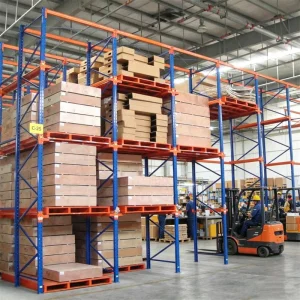
| Heavy-Duty Pallet Racking | General distribution centers, heavy industrial warehousing, high-SKU operations. | High (~40-50% floor usage) | 100% (Maximum selectivity) | Excellent (Custom engineered frames) |
| Drive-In Pallet Systems | Cold storage, bulk batch products, low SKU count with deep pallet storage. | Very High (~70-80% floor usage) | Low (LIFO method) | Good (Requires bracing systems) |
| Push-Back Racking | Medium density operations, multi-product distribution hubs. | High (~60% floor usage) | Moderate (FILO per lane) | Very Good (Multi-tier nested carts) |
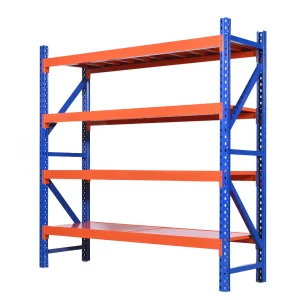
| Adjustable Wire Mesh Racks | Retail stockrooms, food storage, cleanrooms, and e-commerce distribution. | Moderate (Highly modular) | 100% (Quick manual pick) | Standard (Lighter capacity loads) |
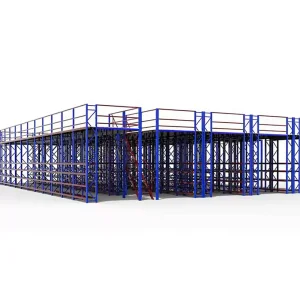
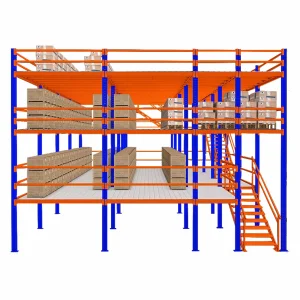
| Mezzanine Storage Systems | High-ceiling facilities looking to double floor square-footage for manual picking. | Maximum (Vertical optimization) | High (Split level access) | Excellent (Heavy beam-to-column ties) |
Addressing international standards, local engineering parameters, and global distribution logistics.
When selecting structural steel shelving and pallet racks, complying with localized building regulations is vital to maintaining operating licenses and insurance coverage. Depending on the target market, components must strictly conform to distinct stress-limit and loading frameworks:
In North America, design calculations must follow the specifications set forth by the Rack Manufacturers Institute (RMI) and the American National Standards Institute (ANSI MH16.1). For European Union operations, manufacturers must adhere to FEM 10.2.02 (Racking Design Standards Standard) and EN 15512 regulations.
Dinghui ensures compliance by carrying certified steel mill analysis reports, and providing FEA-backed structural analysis profiles that confirm safety factors under specific seismic conditions.
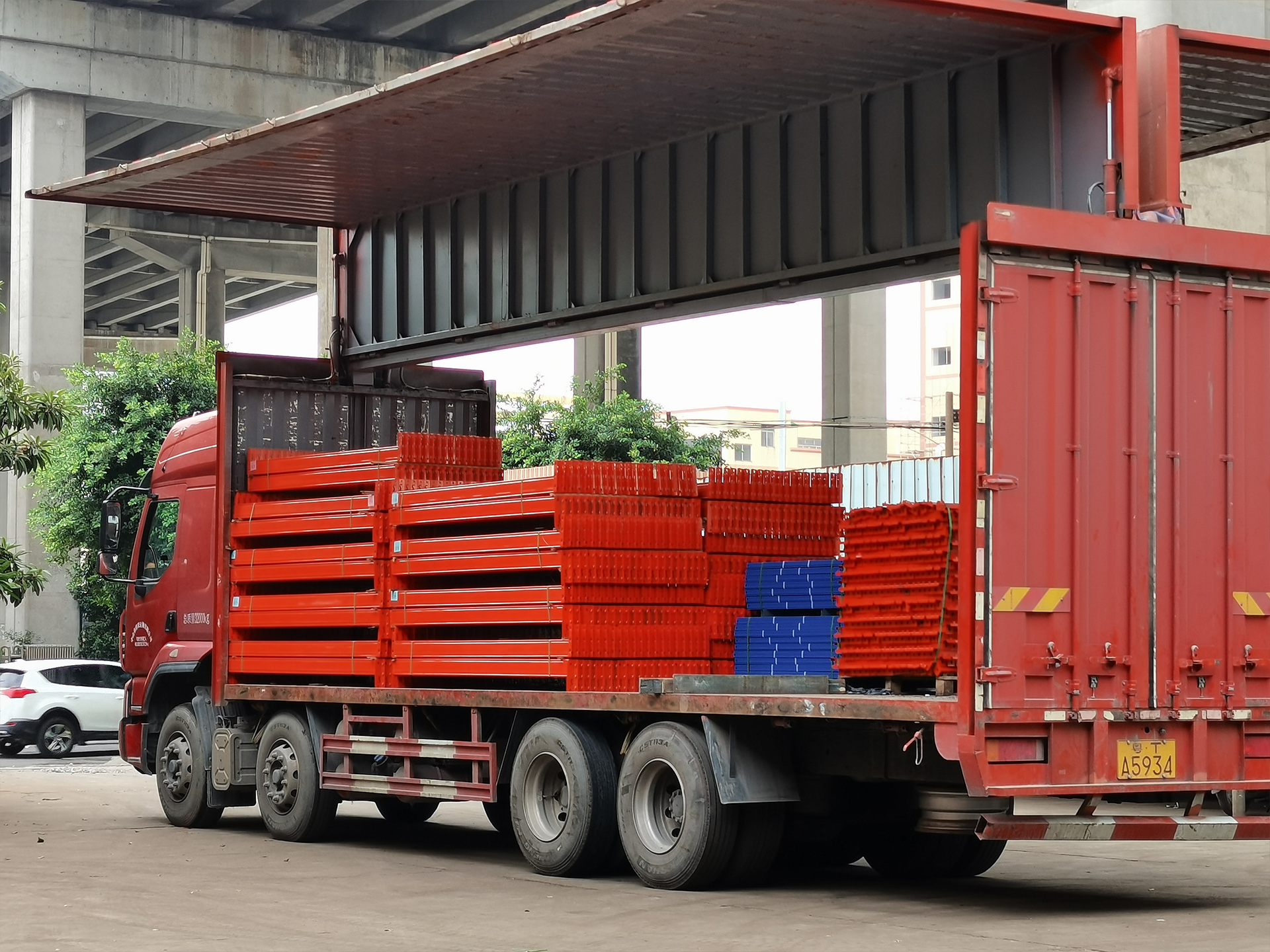
Transporting tons of steel beams and upright frames requires rigorous packaging to prevent dynamic transit damage. Every shipment is prepared under the supervision of a dedicated logistics coordinator:
Furthermore, our sales engineers provide comprehensive support documentation for customs clearance, including certificates of origin, import tariff code matching, and local port clearance assistance.
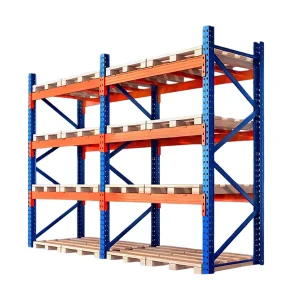
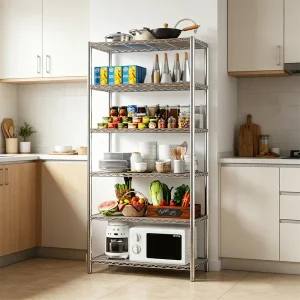
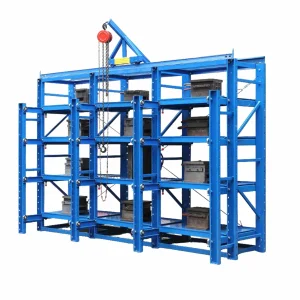
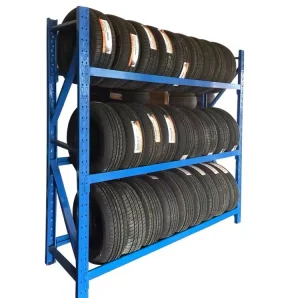
Advanced, specialized configurations optimized for variable height loads and vertical space maximization.
How automation, material science, and sustainability are transforming structural storage design.
Manual storage is increasingly integrating with Automated Storage and Retrieval Systems (ASRS). Modern pallet racking frames are designed with tight dimensional tolerances (often within 1-2mm variations) to interface smoothly with high-speed automated shuttle carts and vertical cranes.
By using advanced chemical metallurgy, modern roll-formed profiles utilize lightweight, high-tensile steel alloys. This cuts shipping weights and carbon footprints while retaining equal or superior load-bearing capacities compared to traditional thick hot-rolled steel plates.
Green standards are driving a shift toward zero-VOC, heavy-metal-free electrostatic powder coatings. Leading factories implement automated cleaning and multi-stage phosphate-free pre-treatments, improving salt-spray resistance and reducing toxic effluent.
Crucial information to streamline your engineering, customization, and importing decisions.
 Dinghui Racking