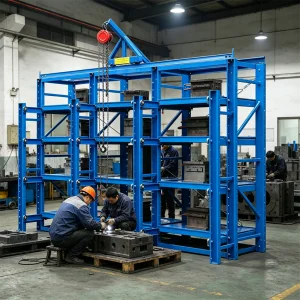
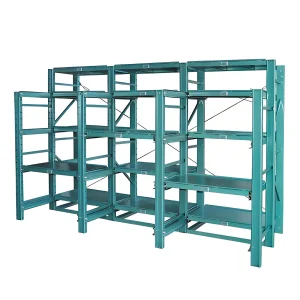
Top China Radio Shuttle Storage Manufacturers & Engineering Integration Guide

Unlocking Maximum High-Density Warehouse Throughput with Elite Structural Rigidity, ISO-Certified Manufacturing, and Global Logistics Racking Compliance

White Paper: Engineering Standards of Radio Shuttle Storage Systems

A comprehensive analysis of high-density semi-automated logistics warehousing structural layout, steel fabrication, and international quality controls.

38,000 m²
Modern Manufacturing Facility
12+ Years
Racking Industry Experience
18 Senior
R&D Integration Engineers
$25M+ USD
Annual Export Operations

1. The Core Architecture of Radio Shuttle Storage Technology

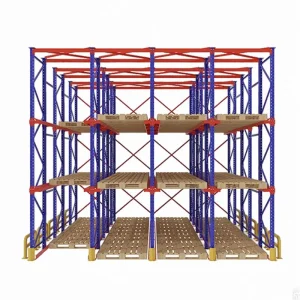
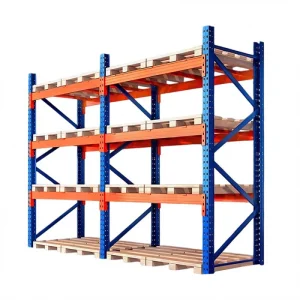
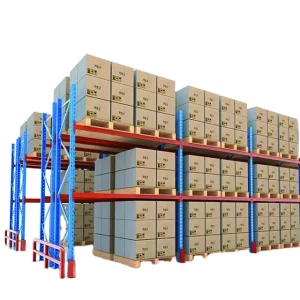
The global warehousing industry is undergoing an unprecedented shift toward automation to mitigate rising labor costs and land scarcity. Among high-density systems, the Radio Shuttle Storage System (often termed pallet runner or shuttle racking) stands out as the ultimate balance between throughput speed and space utilization. By utilizing a programmable shuttle cart that travels inside storage tunnels, this system eliminates the need for forklifts to enter the racking lanes.

For this system to function with absolute precision, the structural integrity of the steel racking is paramount. A minor structural deviation of even a few millimeters can disrupt the optical sensors of the shuttle cart, causing unexpected downtime. Leading Chinese manufacturers, such as Foshan Dinghui Intelligent Warehousing Technology Co., Ltd., design and fabricate racking profiles with extreme tolerance compliance. This guarantees seamless movement of the shuttle, ensuring structural stability under high load cycles.

2. China's Factory Supply Chain Advantages & Manufacturing Scale

China's dominance in industrial racking systems stems from a deeply integrated ecosystem of raw material procurement, localized automation tooling, and specialized cluster zones. Located in the industrial hub of Guangdong, manufacturers leverage these factors to produce world-class heavy-duty systems at highly competitive rates.

  • Direct Access to High-Grade Steel: Chinese facilities leverage proximity to premier steel mills, procuring certified Q235B and Q355B structural steel coils. This grade ensures high tensile strength and elastic recovery ratios.
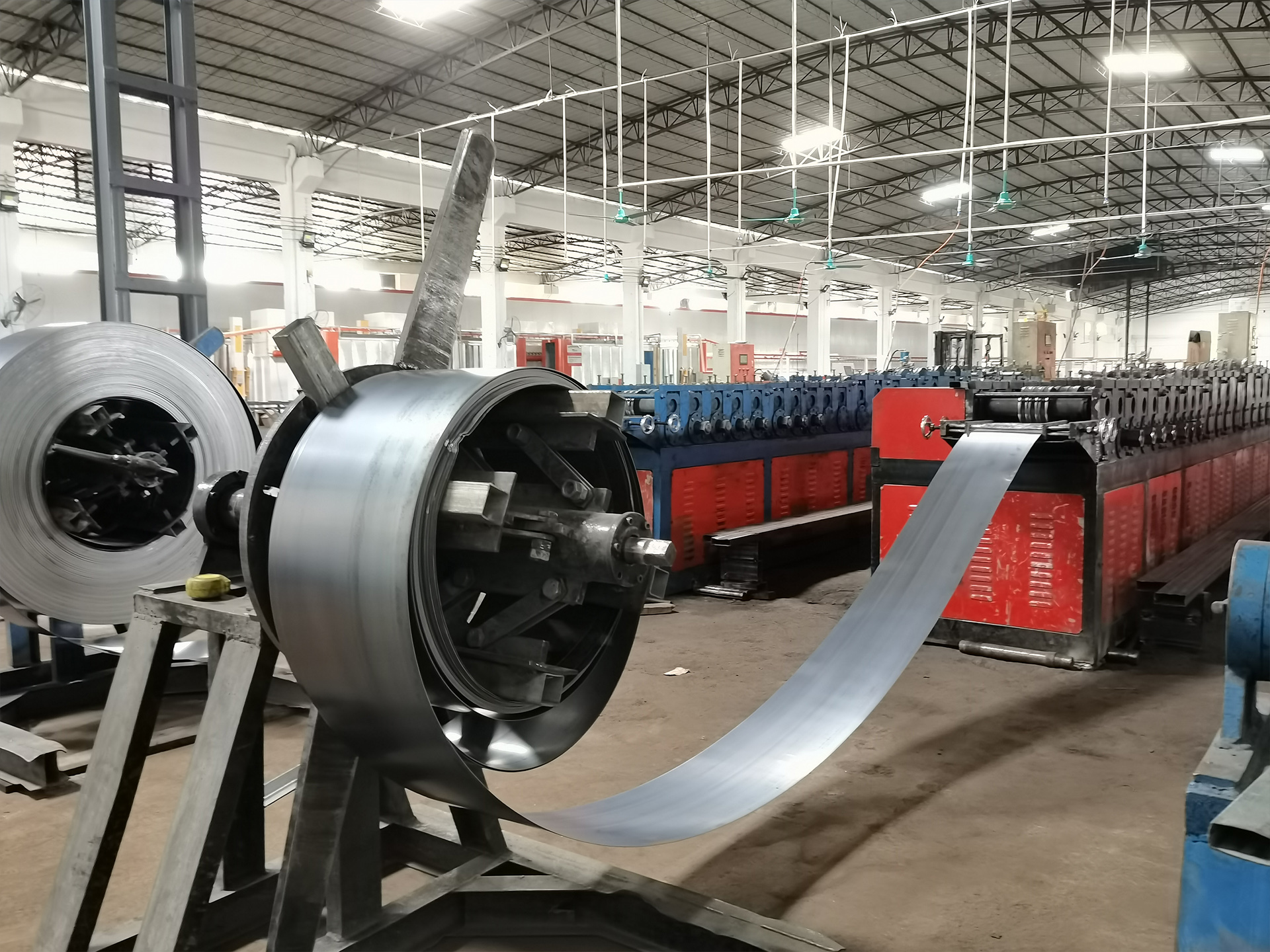
  • Automated Continuous Cold Roll-Forming: Precision upright profiles and shuttle rails are manufactured via high-speed, computer-controlled roll-forming machines. This ensures that beam profiles maintain perfectly uniform thickness and zero structural distortion across long spans.
  • Advanced Powder Coating Lines: Electrostatically applied thermosetting epoxy-polyester coatings provide superior resistance to abrasion and impact, shielding the steel from rust in challenging climates (such as cold storage or humid marine zones).

Custom Structural Tolerances

Strict limit controls ensure the distance between the shuttle rails deviates by less than ±1.5 mm, preventing cart slippage or sensor fault alarms.

Seismic Performance Layouts

Finite Element Method (FEM) simulations model earthquake responses, designing custom base plates and diagonal bracing for seismic-prone regions.

Seized Cold Storage Optimization

Custom structural steel formulations and thick protective finishes maintain ductility and strength in sub-zero environments down to -30°C.

About Foshan Dinghui Intelligent Warehousing

A benchmark manufacturer of heavy-duty industrial storage racks and automated system components.

Foshan Dinghui Intelligent Warehousing Technology Co., Ltd., established in 2015, is a leading manufacturer specializing in heavy-duty industrial storage racks, pallet racking systems, and automated warehouse solutions. Spanning a modern manufacturing base of 38,000 square meters, we bring together 12 years of industry experience and 8 years of direct global export expertise, generating an annual export revenue of over $25 million USD.

Equipped with advanced automated roll-forming and powder-coating production lines, our quality control procedures adhere to rigorous ISO 9001 and CE certification standards. We implement comprehensive product testing protocols, including raw material tensile testing, structural load-bearing simulation, powder coating adhesion tests, and weld non-destructive inspection (NDI). Supported by a dedicated 35-member QA/QC team, we ensure that every racking component strictly meets international safety and durability standards.

Operating with a strong international OEM/ODM trade background, our primary markets span North America, Europe, Southeast Asia, and the Middle East. Backed by a robust network of over 850 reliable supply chain partners, we serve a diverse global client base, including 3PL logistics providers, industrial warehouse operators, e-commerce fulfillment centers, and regional distributors.

Innovation and custom engineering drive our success. Supported by 18 experienced senior R&D engineers, we offer extensive OEM/ODM customization options, including tailored load capacities, custom dimensions, seismic-resistant structural design, special powder-coating finishes, and automated system integration. Driven by continuous technical improvement, we successfully launched 45 new product designs and structural upgrades last year, empowering our global partners to optimize their warehouse efficiency.
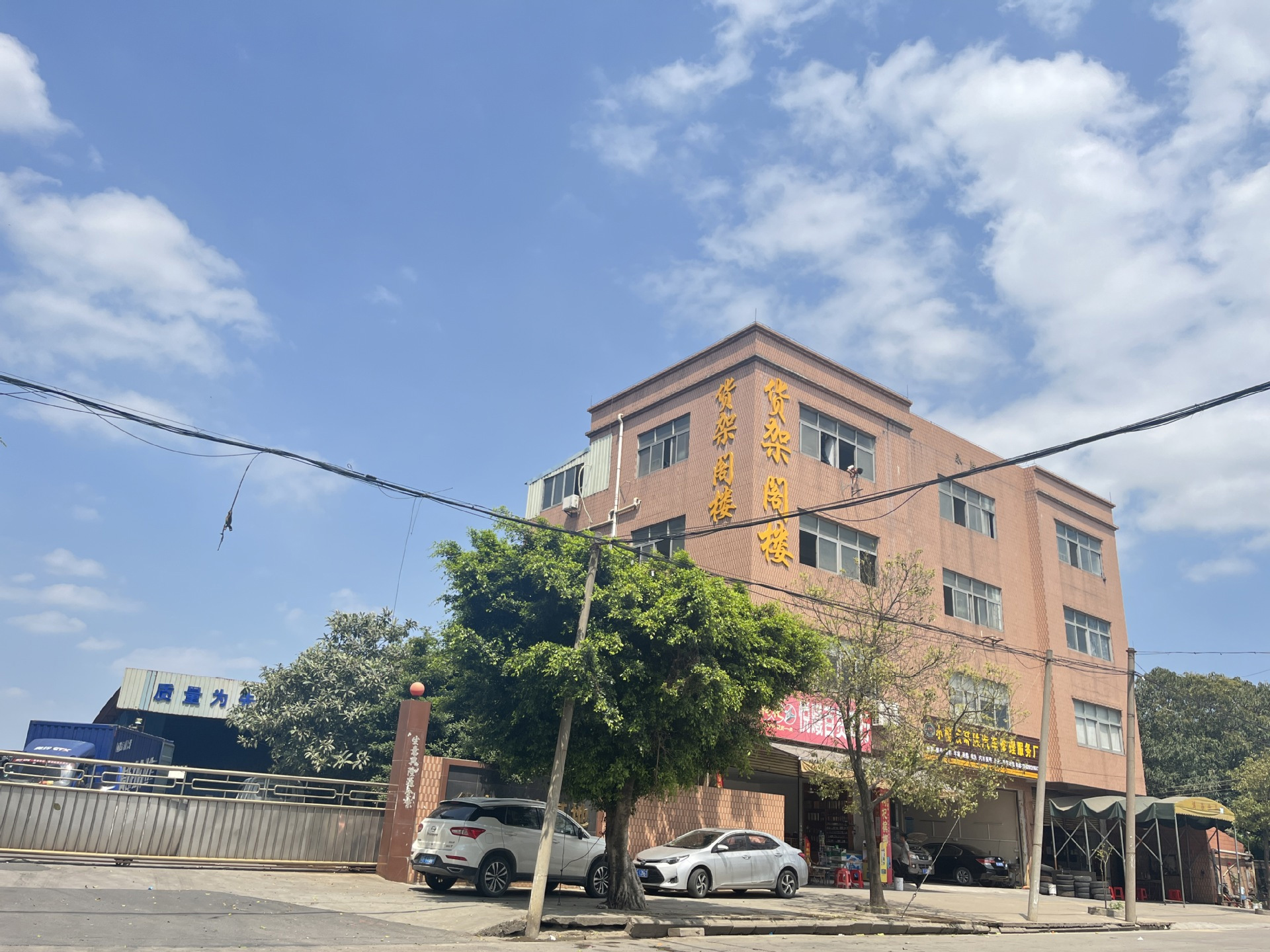
Foshan Dinghui Intelligent Warehousing Production Plant
Racking Profile Roll Forming Line
Automated Welding Systems
ISO 9001 Certification Badge
Certified ISO 9001 Quality Management System Control & European CE Compliance Racking Structures

3. Global Procurement Trends & Technical Challenges in Radio Shuttle Integration

When global supply chain directors procure Radio Shuttle Racking, they look far beyond the price per pallet position. Automated systems represent a 10 to 15-year infrastructure investment. Buyers must address several critical engineering challenges:

  • Structural Alignment Tolerances: Traditional manual racking allows for minor deviations. However, automated radio shuttle systems require strict rails alignment. If the rails flex under load, the automated shuttle can get stuck mid-lane. Manufacturers resolve this with high-performance guide rail joints and heavy-duty connector clips.
  • Seismic Code Compliance: Racking in North America must comply with RMI (Rack Manufacturers Institute) and FEMA standards, while European installations must adhere to EN 15512. Standardizing structural calculations via professional Finite Element Analysis (FEA) ensures systems can safely withstand seismic shocks.
  • Scalable Safety Interfaces: Integrated systems must feature physical block barriers, entry light curtains, safety mesh backstops, and rail end-stops to protect workers and equipment.

4. Localization Support, Compliance & Long-Term Reliability Assurance

One major barrier for overseas buyers sourcing racking from China is localized engineering support. To address this, top manufacturers have adapted their business models to offer comprehensive support from design through delivery:

  • Engineering Design Localization: Working in partnership with regional structural engineers, Chinese design teams convert localized building codes, floor load limits, and local wind/seismic variables into optimized rack designs.
  • Installation Supervision & Regional Crews: Dedicated R&D and field engineers assist local installation crews, providing precise instructions for aligning rails and leveling anchors.
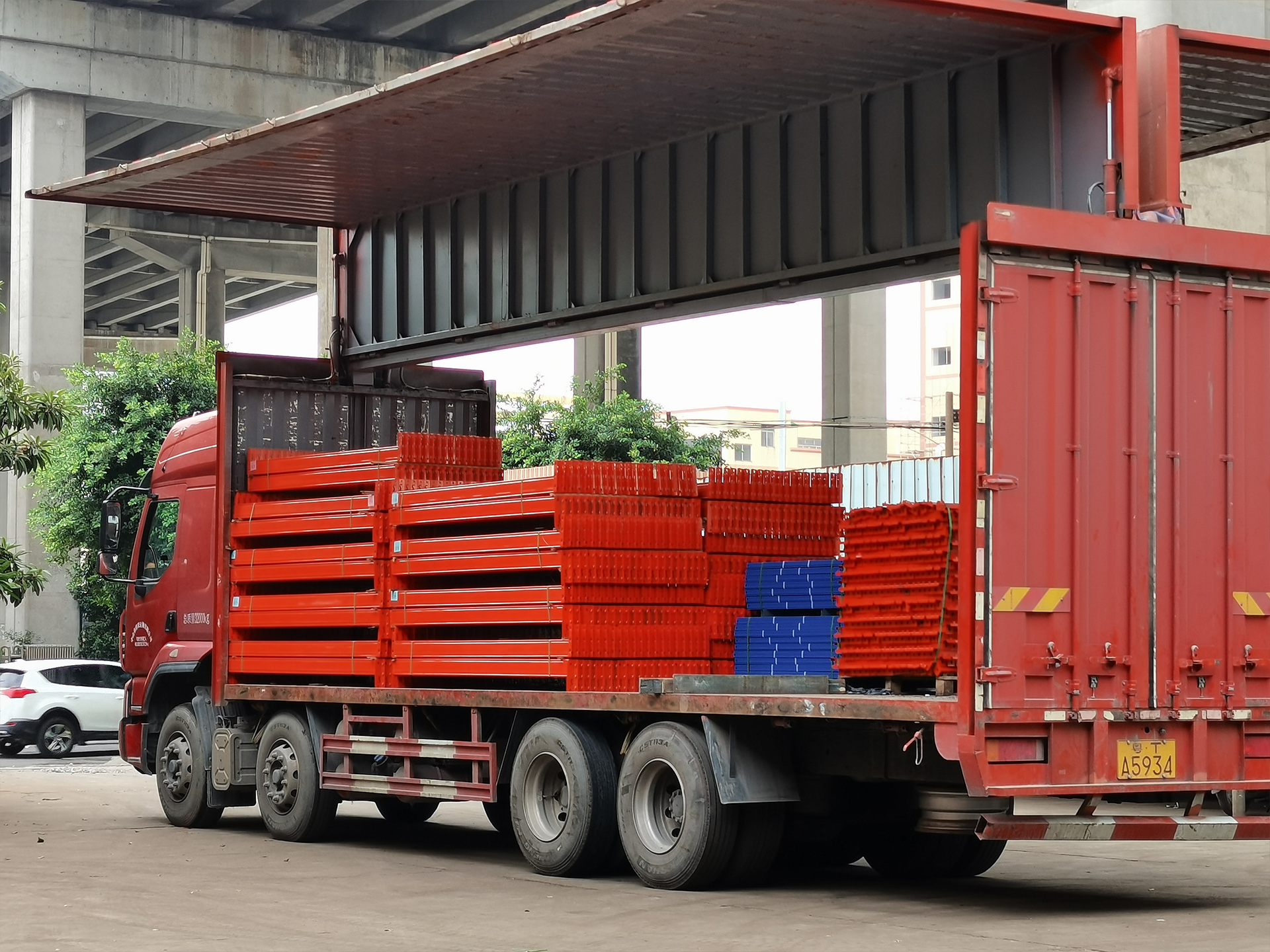
  • Extended Quality Warranties & Component Sourcing: Systems include extended warranties on structural frames, beams, and rail components, with replacement parts pre-positioned in regional hubs to minimize operational delays.

5. Crucial QA/QC Testing Protocol for Heavy-Duty Racking

A premium racking system relies on comprehensive Quality Assurance. To ensure that every batch of steel parts meets global criteria, the factory applies a four-part testing protocol:

  1. Raw Material Tensile Testing: Each batch of incoming hot-rolled or cold-rolled steel coils is tested for yield strength, tensile strength, and elongation limits to confirm it meets or exceeds design parameters.
  2. Structural Load-Bearing Simulation: Physical load testing is performed on assembled beam-to-upright frame nodes, ensuring actual load capacities align with structural engineering calculations.
  3. Powder Coating Adhesion Testing: Adhesion cross-cut tests and salt spray exposure tests verify the finish's corrosion resistance and prevent paint flaking in high-traffic warehouses.
  4. Weld Non-Destructive Inspection (NDI): Heavy-duty baseplates and load-bearing bracket connections undergo ultrasonic or dye-penetrant checks to guarantee consistent weld penetration and structural safety under cyclic loading.

Technical FAQ: Radio Shuttle Storage Systems

Expert answers addressing structural design, integration tolerances, and procurement queries.

What is the critical tolerance requirement for radio shuttle rails?
For radio shuttle systems to operate without error, the parallel rail-to-rail width must be maintained within ±1.5 mm. Upright vertical deviation must not exceed 1/1000 of the total height. Any deflection exceeding these values can trigger optical sensor faults, slowing down the shuttle or causing safety stops.
Can Q235B steel be used in low-temperature cold storage applications?
Q235B is suitable for standard temperatures. For cold storage down to -30°C, Q355D or specialty high-tensile steels are recommended. These maintain ductility and toughness at low temperatures, avoiding the brittle fracture risks associated with basic carbon steels.
How do you ensure racking designs comply with local building regulations?
We use specialized FEA structural analysis software to calculate loads according to local standards, such as EN 15512 in Europe or the RMI Specification in the USA. We customize column profiles, base plate dimensions, and diagonal bracing to meet wind load, floor slab strength, and seismic requirements.
What is the dynamic load capacity limit of typical shuttle racking profiles?
Standard heavy-duty systems support dynamic loads from 500 kg to 1,500 kg per pallet position. Specialized configurations can be designed for up to 2,000 kg per pallet, backed by structural validation and load-bearing tests.
How does a radio shuttle system compare to traditional Drive-In systems?
Unlike Drive-In systems where forklifts enter the rack tunnels, the radio shuttle handles pallet transport inside the lanes. This reduces frame damage by 90%, increases retrieval speeds by up to 50%, and allows for both FIFO (First-In, First-Out) and LIFO (Last-In, First-Out) storage configurations.