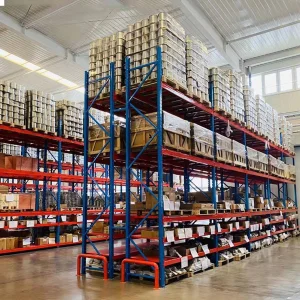
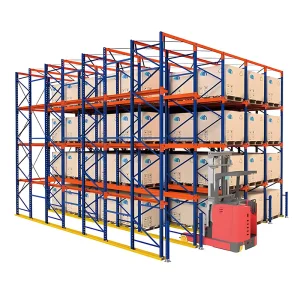
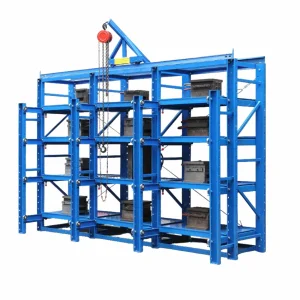
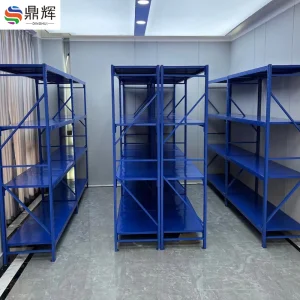
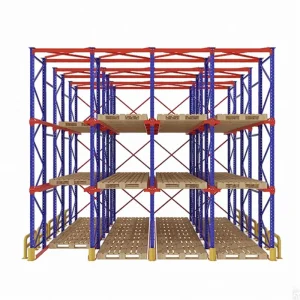
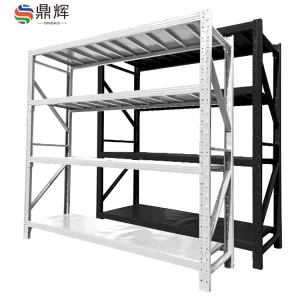
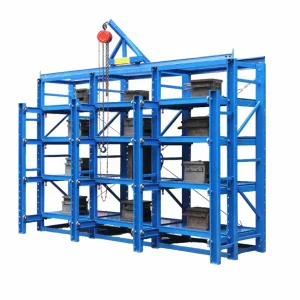
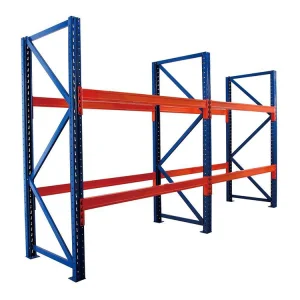
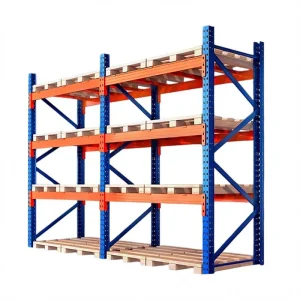
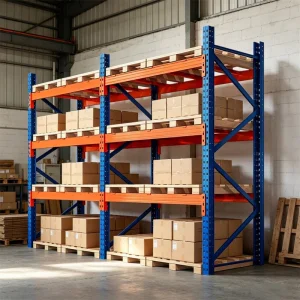
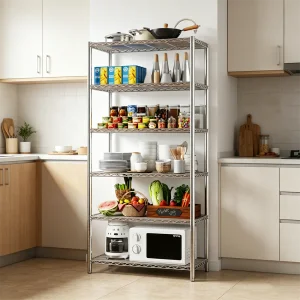
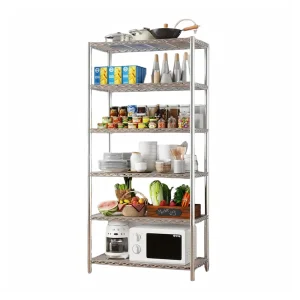
Explore our primary heavy-duty structural steel solutions, engineered to optimize high-elevation industrial warehouse volume with strict compliance to safety standards.
How structural mezzanines and high-capacity racking systems dictate spatial productivity and workflow efficiency in the modern era.
In the globalized industrial landscape, space is no longer just a physical dimension—it is a critical driver of logistics velocity, operational footprint, and financial viability. Utility platforms, structurally classified as elevated work platforms, structural steel mezzanines, and multi-tier racking systems, have transitioned from optional storage additions to core structural assets. They are engineered to solve the multi-dimensional challenges faced by logistics hubs, heavy manufacturers, and high-throughput distribution operations worldwide.
As land costs escalate and municipal zoning restrictions limit horizontal expansion, companies are forced to think vertically. Modern warehousing focuses on the maximization of cube utilization. Structural utility platforms provide a cost-effective alternative to building extensions, immediately doubling or tripling usable surface area within the existing overhead clearance. These platforms host an array of high-value operations—from light manufacturing assembly and automated conveyor networks to material sorting lanes and highly dense warehouse racking configurations.
Furthermore, the integration of automation (such as Autonomous Mobile Robots (AMRs), Automated Guided Vehicles (AGVs), and high-speed vertical lifts) demands that structural floors withstand not only massive static loads but also dynamic stress, vibration, and complex shear forces. This requirement has pushed the engineering of utility platforms into a state-of-the-art technological process, where high-tensile hot-rolled profiles, precision-formed cold-rolled beams, and integrated seismic-resistant base components are standard.
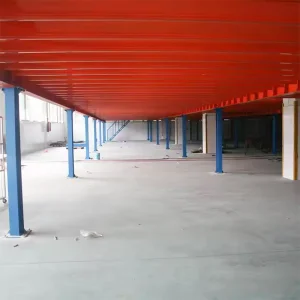
By leveraging overhead clearance, our structural steel systems enable the construction of secure mezzanine floors, optimizing high-ceiling clearance for automated sorting, production lanes, or administrative spaces.
Designed to support static storage loads and dynamic material handling equipment (conveyors, AGVs). Engineering protocols prioritize deflection limits (L/300) to ensure structural safety under high activity.
Utilizing high-grade structural alloys (Q235B & Q355B steel) with multi-stage chemical pretreatment and electrostatic powder curing to ensure performance in rigorous industrial environments.
The technological forces shaping the future of industrial storage, structural safety, and automation compatibility.
The modern utility platform industry is witnessing a structural transformation. Traditional static racking is evolving into dynamic systems designed for maximum compatibility with material flow automation. As direct-to-consumer fulfillment requires faster processing cycles, utility platforms are increasingly built as integrated multi-tier systems with automated goods elevators, chute systems, and picking bays.
Safety and seismic compliance are the top priorities for modern industrial facility planners. Standard structures are no longer sufficient in regions prone to high-intensity tectonic activity. Engineers must perform finite element analysis (FEA) to calculate seismic response factors, ensuring that structural columns, bracing, and connection joints can disperse kinetic energy safely. In parallel, sustainable production—incorporating low-VOC electrostatic powder coatings and recyclable structural steel—has become a prerequisite for major corporate tenders.
Seamless structural integration with Automated Storage and Retrieval Systems (AS/RS). Our designs provide the structural rigidity and tight manufacturing tolerances required by computerized crane networks.
From custom upright punch patterns and beam connector configurations to unique anti-corrosion chemical formulations, we tailor every structural component to local facility specifications.
Custom structural calculations incorporating baseplate anchoring, cross-bracing, and high-strength splice designs, guaranteeing structural integrity in high-earthquake zones globally.
A premier Chinese manufacturing force backed by certifications, advanced testing protocols, and global export capabilities.
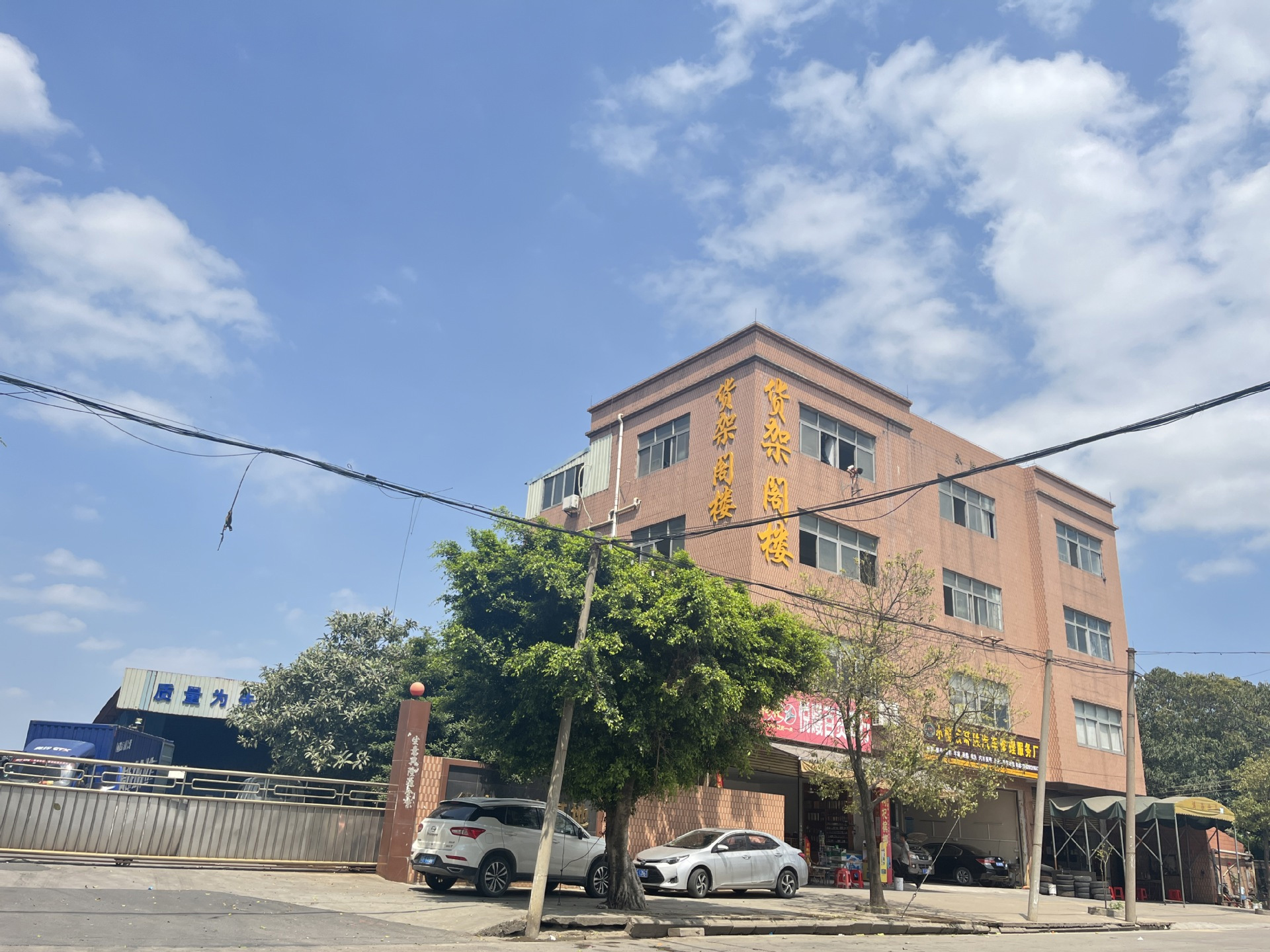
Established in 2015, Foshan Dinghui Intelligent Warehousing Technology Co., Ltd. is a leading manufacturer specializing in heavy-duty industrial storage racks, pallet racking systems, and automated warehouse solutions. Spanning a modern manufacturing base of 38,000 square meters, we bring together 12 years of industry experience and 8 years of direct global export expertise, generating an annual export revenue of over $25 million USD.
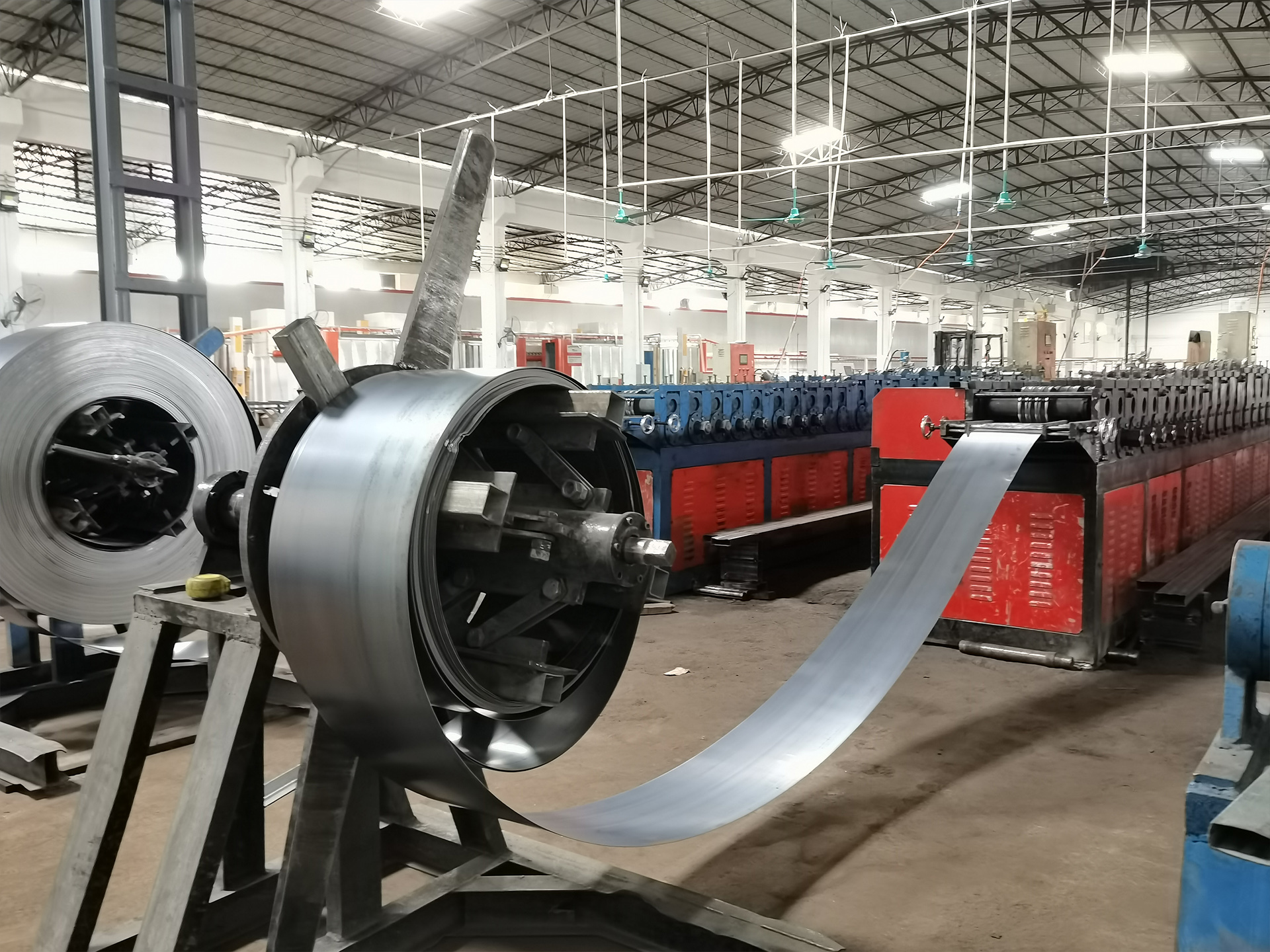
Equipped with advanced automated roll-forming and powder-coating production lines, our quality control procedures adhere to rigorous ISO 9001 and CE certification standards. We implement comprehensive product testing protocols, including raw material tensile testing, structural load-bearing simulation, powder coating adhesion tests, and weld non-destructive inspection (NDI). Supported by a dedicated 35-member QA/QC team, we ensure that every racking component strictly meets international safety and durability standards.
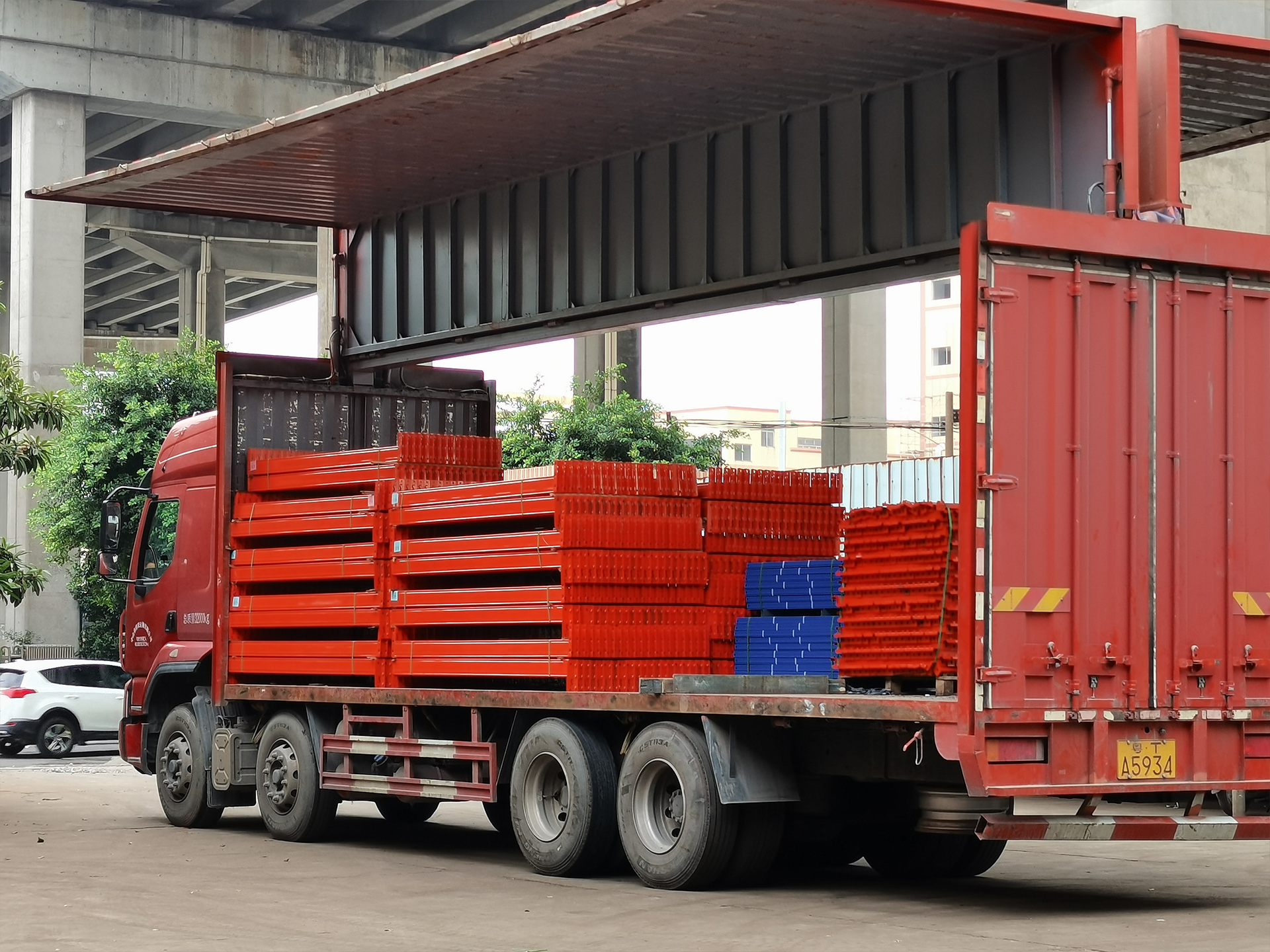
Operating with a strong international OEM/ODM trade background, our primary markets span North America, Europe, Southeast Asia, and the Middle East. Backed by a robust network of over 850 reliable supply chain partners, we serve a diverse global client base, including 3PL logistics providers, industrial warehouse operators, e-commerce fulfillment centers, and regional distributors.
Innovation and custom engineering drive our success. Supported by 18 experienced senior R&D engineers, we offer extensive OEM/ODM customization options, including tailored load capacities, custom dimensions, seismic-resistant structural design, special powder-coating finishes, and automated system integration. Driven by continuous technical improvement, we successfully launched 45 new product designs and structural upgrades last year, empowering our global partners to optimize their warehouse efficiency.
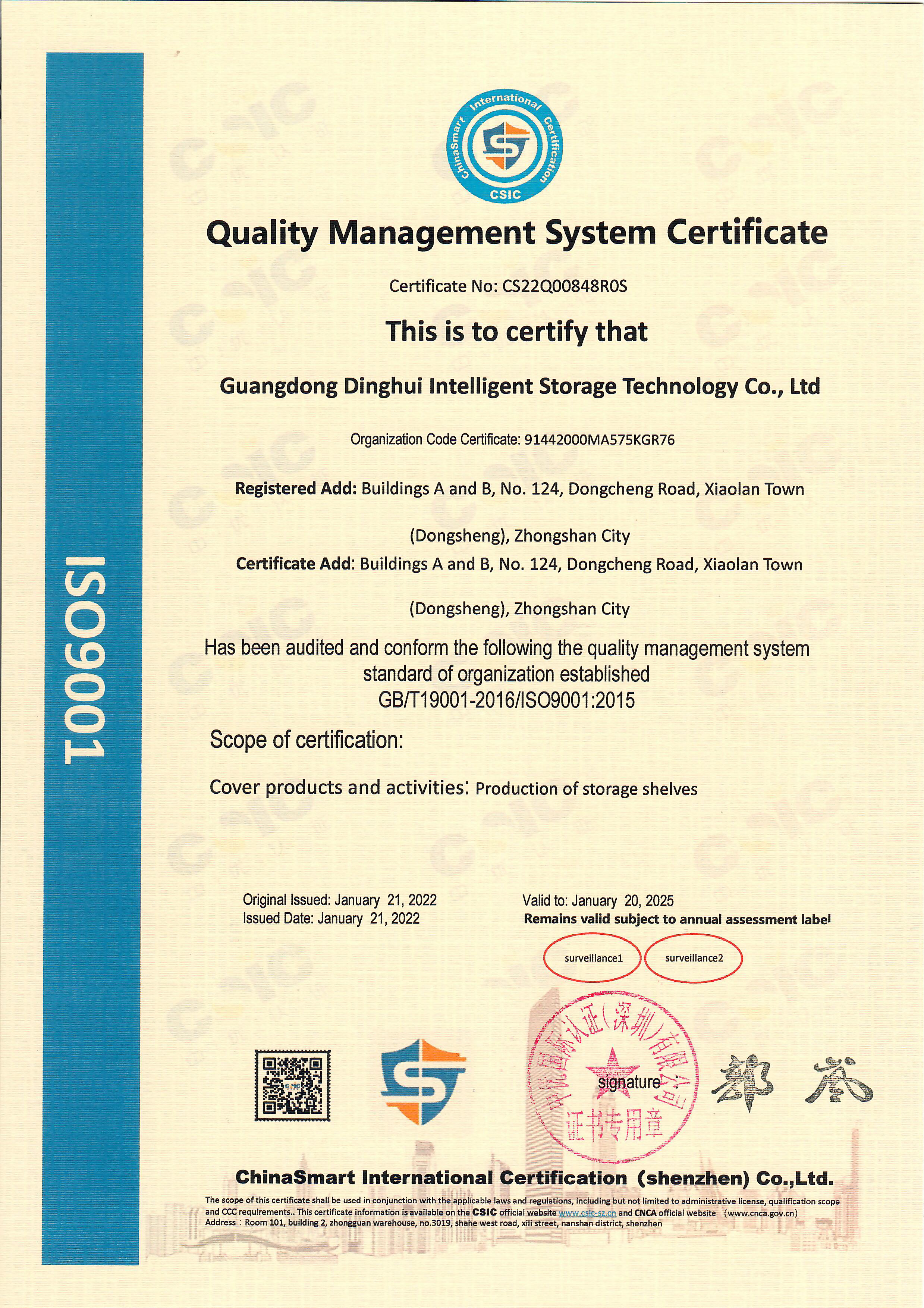
ISO 9001 Certified Quality Control System
Customized structural configurations engineered for specific geological, regulatory, and industrial conditions worldwide.
Focuses on high-clearance teardrop racking configurations compatible with RMI standards. Engineering calculations prioritize forklift impact protection, high structural safety factors, and integration with dynamic sprinkler lines in fire protection grids.
Requires strict compliance with FEM 10.2.02 and EN 15512 specifications. Systems are detailed with robust back-stop beams, mesh safety decking, and integrated ergonomic accessories to satisfy stringent occupational health and safety guidelines.
Formulated with specialized architectural steel coatings designed to resist high temperature fluctuations and ambient dust. Baseplate structures are calculated to accommodate massive point loads on non-standard slab designs common in regional zones.
Our structural integrity is maintained by testing every batch of steel prior to rolling. Our testing protocol comprises:
Technical responses to essential procurement and engineering queries from operations directors and supply chain partners.
We primarily utilize high-tensile structural steel grades Q235B and Q355B (equivalent to ASTM A36 and ASTM A572 Grade 50 respectively). These alloys provide high yield and tensile strength, which are essential for manufacturing cold-rolled profiles with precise tolerances and high safety margins.
All structural steel elements undergo a multi-stage pretreatment wash (including acid pickling to remove mill scale and iron phosphating) followed by electrostatic powder deposition. Our thermosetting epoxy-polyester hybrid powder coating is baked at 200°C, producing a dense layer that resists scratching and moisture. For high-humidity coastal settings, we offer hot-dip galvanized finishes.
Yes. Our 18-member R&D team works alongside third-party structural engineers to supply detailed CAD drawings and Finite Element Method structural calculation reports. These plans can be calculated according to IBC (seismic zones) or EN specifications to support your municipal building application process.
For standard OEM adjustments, lead time ranges from 20 to 30 days following engineering sign-off. Highly customized configurations requiring bespoke stamping tools or complex structural engineering may require 35 to 45 days. We manage this timeline closely with our global supply partners to meet construction deadlines.
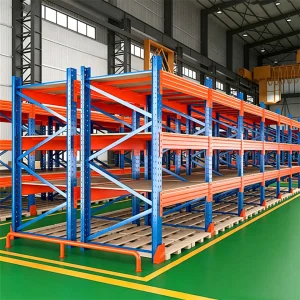
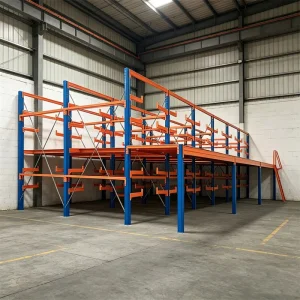
Heavy-duty structural configurations, cantilever solutions, and multi-tier mezzanine steel assemblies.
 Dinghui Racking