Cold chain logistics and sub-zero storage facilities operate under some of the most punishing physical and thermodynamic environments in the industrial sector. Racking systems deployed in cold environments (varying from chillers at 0°C to deep freezers at -30°C or even blast freezers at -40°C) face deep structural pressures. Steel becomes brittle at low temperatures, standard protective coatings fail, and condensation cycles during defrosting accelerate structural corrosion. Selecting a robust, scientifically-engineered cold storage racking solution is not merely an operational decision; it is a critical safety and financial priority.
Information Gain Insights: Unlike conventional room-temperature warehousing, a sub-zero environment increases the risk of progressive structural collapse. Brittle fracture of structural steel under heavy dynamic loads can occur instantly if the steel alloy formulation lacks proper impact toughness at sub-zero temperatures.
As a premier global designer, manufacturer, and exporter, Foshan Dinghui Intelligent Warehousing Technology Co., Ltd. (established in 2015) has stood at the forefront of this niche industrial discipline. Bringing together 12 years of core industry experience and 8 years of direct global export expertise, we serve high-demand logistics networks in North America, Europe, Southeast Asia, and the Middle East, generating over $25 million USD in annual export revenue. We specialize in configuring structural racking that maximizes floor area efficiency while maintaining structural stability under extreme sub-zero conditions.
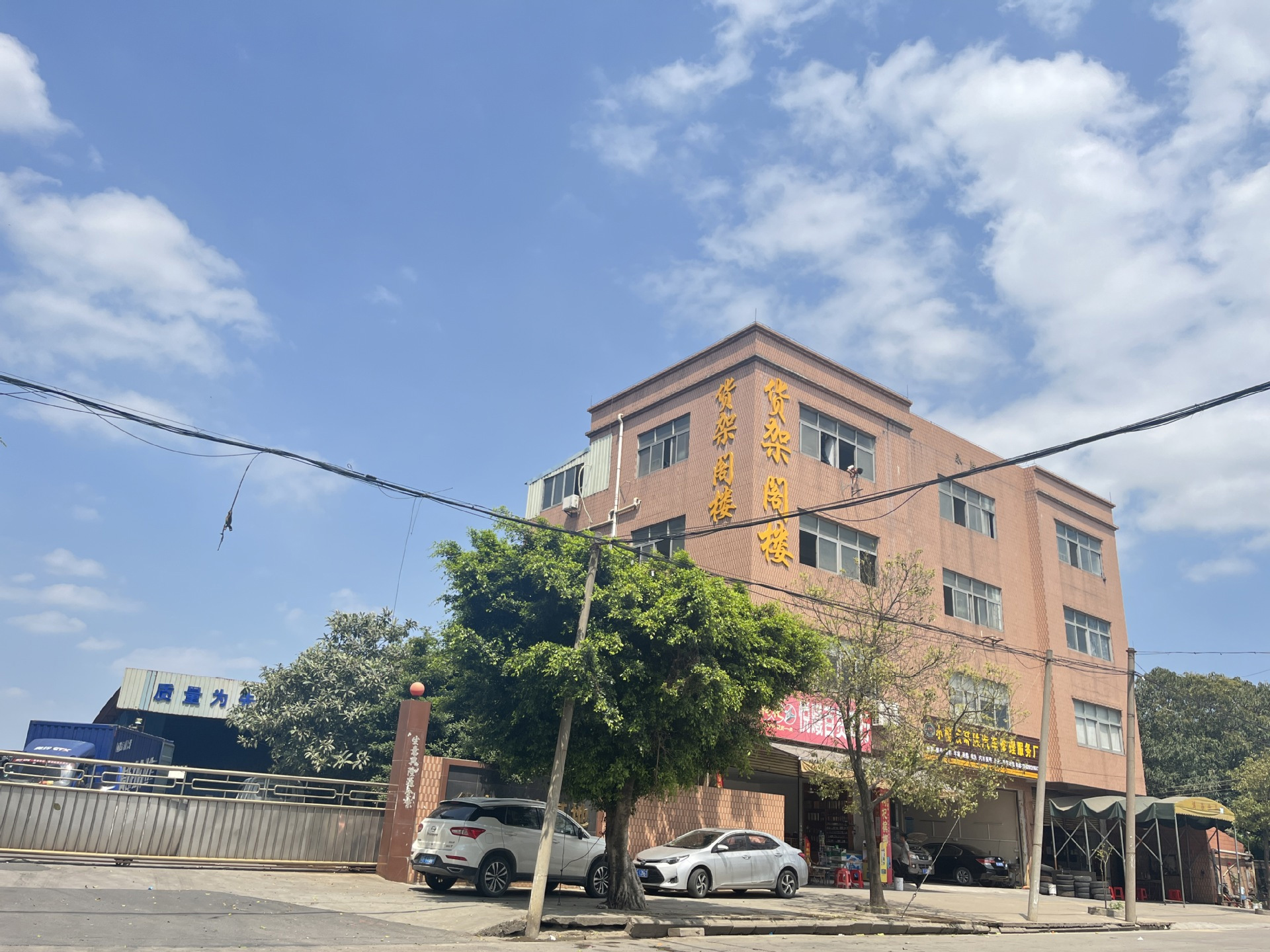
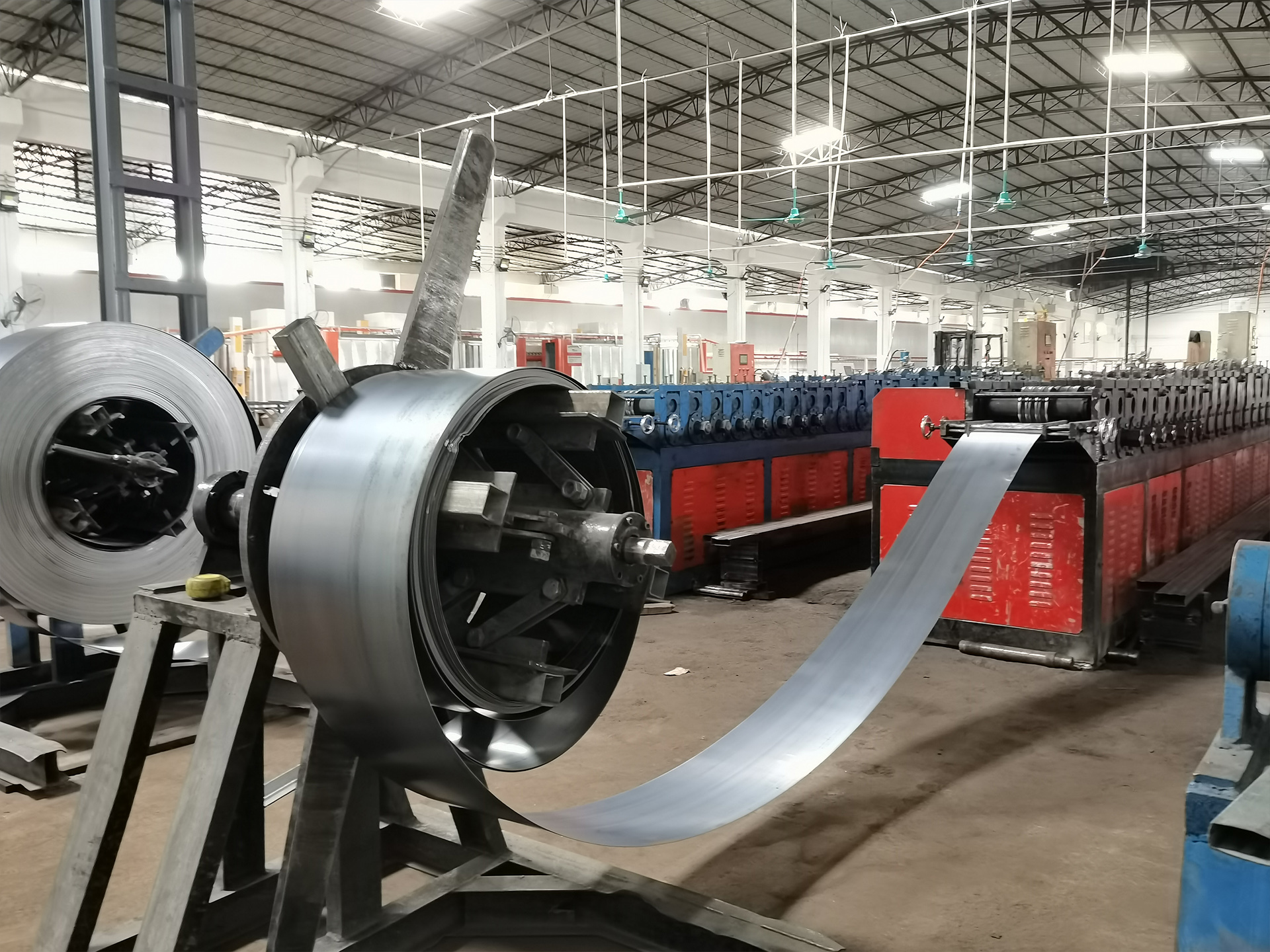
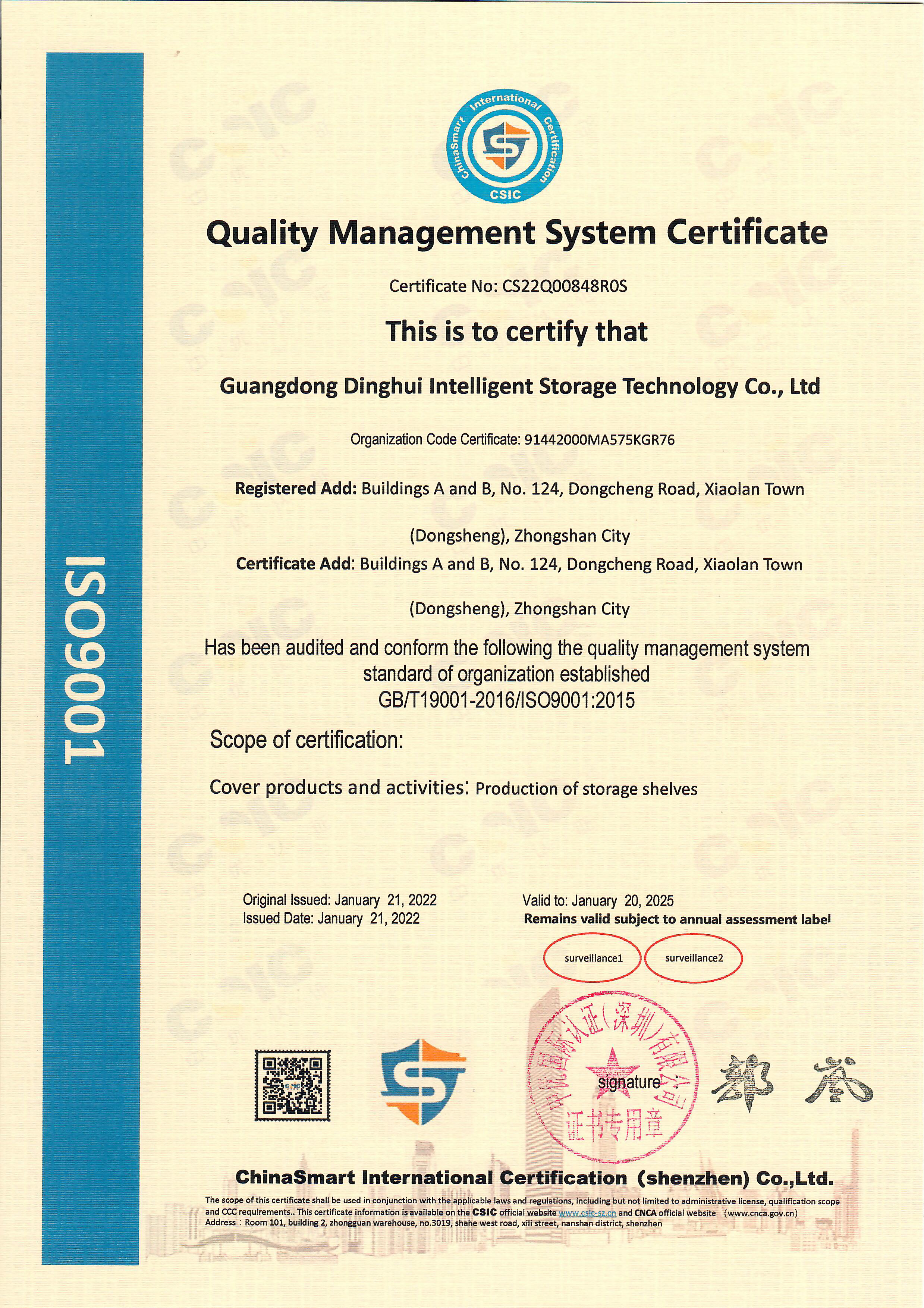
Foshan Dinghui operates from a modern manufacturing base spanning 38,000 square meters, utilizing high-precision automated roll-forming machines and state-of-the-art electrostatic powder-coating lines. Because sub-zero storage leaves no margin for material defects, our fabrication pipeline follows rigid ISO 9001 and CE certification protocols.
Our QA/QC methodologies are designed around risk mitigation. A dedicated 35-member QA/QC team inspects raw materials, monitors intermediate production stages, and runs load simulations on completed components. Key test methodologies implemented daily include:
Ensures yield strength and elongation limits of hot-rolled and cold-rolled steel coils strictly conform to ASTM and EN structural standards.
Physical deformation analysis under static and dynamic loads simulates real-world sub-zero stress levels prior to component dispatch.
Non-Destructive Inspections (magnetic particle and ultrasonic testing) verify penetration integrity in welded baseplates and heavy beams.
Driven by rising consumer demand for fresh foods, pharmaceutical products, and biological therapeutics, the cold chain storage sector is undergoing rapid transformation. Developers and logistics managers are moving away from traditional warehousing concepts to embrace complex, high-density environments. This transition is characterized by three major trends:
At standard temperatures, structural steel possesses high ductility—meaning it deforms plastically before failing. However, as temperatures drop, steel crosses the Ductile-to-Brittle Transition Temperature (DBTT). Standard structural steel (like Q235B) can suffer sudden brittle fracture under high impact loads at temperatures below -15°C.
To address this, our R&D division utilizes high-grade Q355D and Q355E low-alloy structural steel. These materials undergo Charpy V-Notch Impact testing at -20°C and -40°C respectively, guaranteeing energy absorption ratings that preserve structural flexibility under dynamic loads in deep-freeze settings.
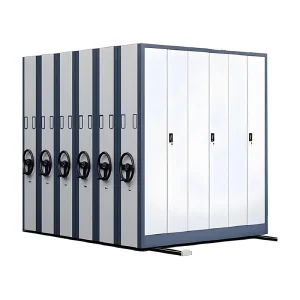
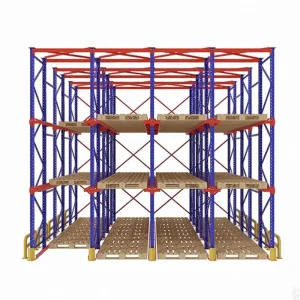
In cold storage operations, refrigeration represents a major utility expense. Every cubic meter of cooling space consumes electrical energy 24/7. Consequently, high-density layouts—such as Drive-In, Radio Shuttle, Double-Deep Selective, and Mobile Racking systems—are replacing conventional single-selective designs. By eliminating unnecessary access aisles, these setups can reduce structural energy usage per pallet slot by up to 35-50%.
High turn-around cold storage facilities are increasingly turning to fully-automated AS/RS and semi-automated pallet shuttle configurations. Automation minimizes the time human operators and forklifts spend in harsh sub-zero environments, which helps reduce operator fatigue, lowers safety risks, and protects racking structures from accidental forklift collisions.
When sourcing cold storage systems on an international scale, procurement managers must evaluate several operational criteria beyond simple pricing. A well-designed system balances structural safety, spatial optimization, and long-term durability.
| Racking Type | Space Utilization | Access Selectivity | Ideal Sub-Zero Application | Dynamic Safety Features Needed |
|---|---|---|---|---|
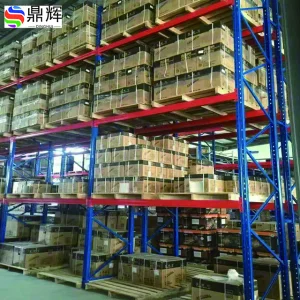
| Selective Pallet Racking | Low (40-50%) | 100% (High FIFO) | Chilled areas, high SKU variance | Column protectors, aisle guide rails |
| Drive-In Racking | High (70-75%) | Low (LIFO focus) | Deep-freeze, bulk seasonal stock | Top-ties, back bracing, pallet guide rails |
| Radio Shuttle System | Very High (80-85%) | Medium (FIFO/LIFO) | High-throughput frozen foods | Positional sensors, safety stop bumpers |
| Mobile Pallet Racking | Maximum (90%+) | 100% (On Demand) | High-cost property, premium freezer space | Photoelectric safety barriers, floor tracks |
In cold storage environments, frost build-up and defrosting cycles create continuous moisture exposure. Standard powder coatings can peel if moisture penetrates micro-fractures in the paint, leading to hidden under-film corrosion.
Foshan Dinghui utilizes a multi-stage pre-treatment process followed by a specialized epoxy-polyester hybrid powder coating. This finish is baked at high temperatures to form a cross-linked barrier resistant to moisture ingress. For highly corrosive or wet-chill rooms, we provide Hot-Dip Galvanized (HDG) steel components conforming to ISO 1461, ensuring a thick zinc barrier (exceeding 85 microns) for long-term corrosion resistance.
Industrial racking is a complex structural assembly that must support static and dynamic loads under seismic forces. Because cold storage racking is built taller and tighter to optimize space, structural engineering requires advanced modeling.
Our R&D department features 18 senior design engineers who conduct finite element analysis (FEA) to simulate load distributions. Our systems are engineered to comply with major international design codes:
Governs structural design requirements for adjustable pallet racking, defining calculation models for limit states and load factors.
The leading North American standard for designing, testing, and applying industrial steel storage racks, ensuring safety compliance across global markets.
For projects located in active seismic zones, Foshan Dinghui offers customized design modifications. These include oversized heavy-duty baseplates, thickened frame uprights, double-shielded floor anchors, and extra horizontal and vertical bracing systems. These seismic features help absorb and dissipate kinetic energy, preventing system failure during a seismic event.
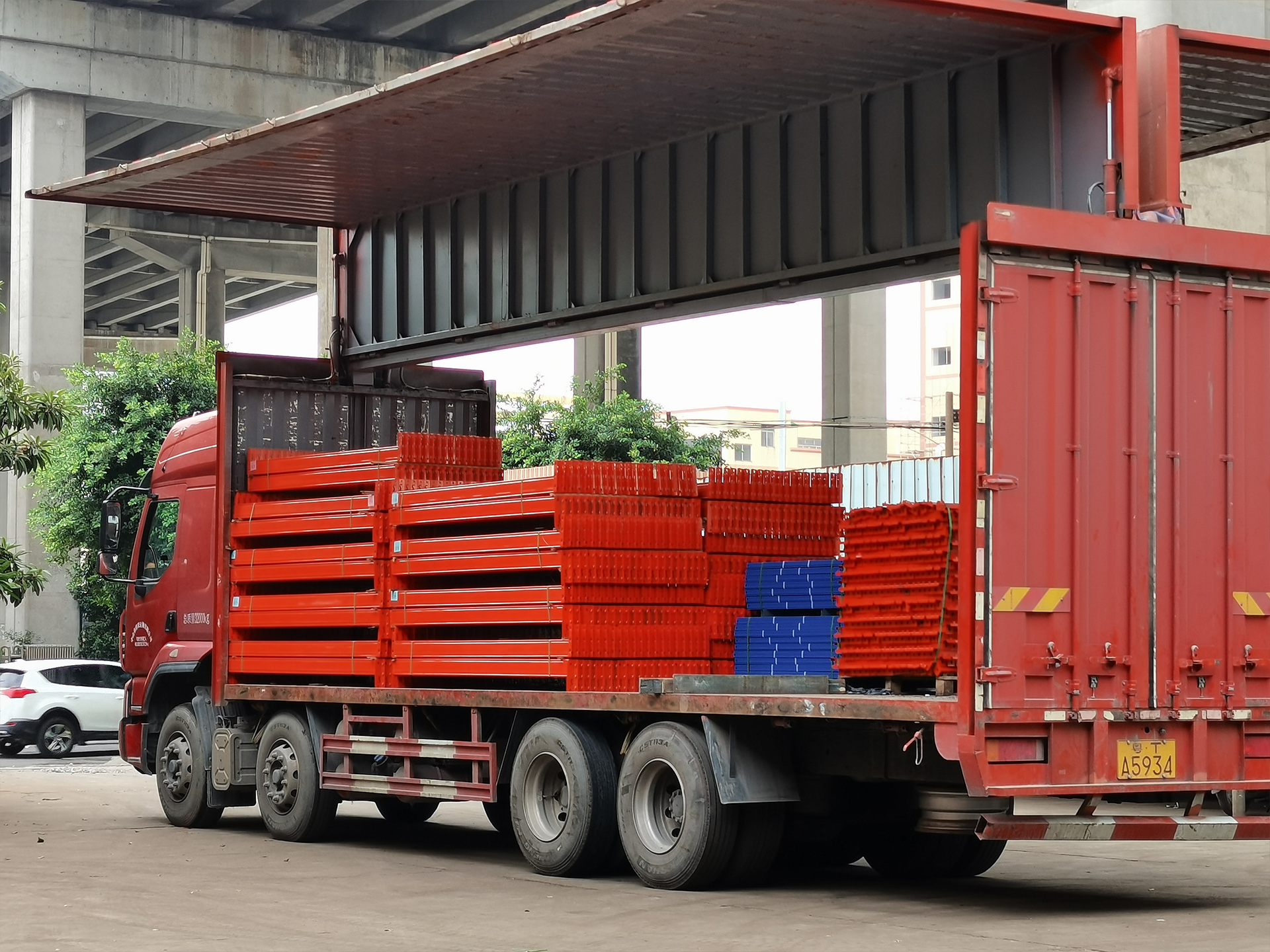
Foshan Dinghui's global supply chain network includes more than 850 reliable industry partners. Our team handles international freight logistics to simplify delivery and customs clearance. Whether shipping to ports in North America, Europe, or the Middle East, we pack components securely in bundle frames with waterproof wrapping to prevent corrosion from sea humidity during transit.
Seismic & Static Computations: Each custom system we export is accompanied by detailed structural calculations, layout schematics, and installation blueprints, providing local third-party inspectors and operations managers with the necessary documentation for building permits and safety approvals.
Beyond manufacturing, we offer comprehensive project support. We assist our clients through local installation partners or by providing remote video support and real-time engineering consultations. This ensures every racking upright is correctly plumbed, beams are locked with safety pins, and anchoring torque matches structural specifications.
 Dinghui Racking