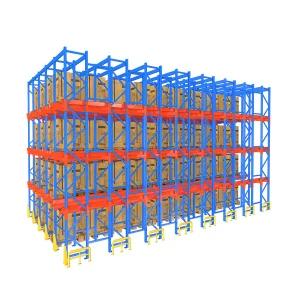
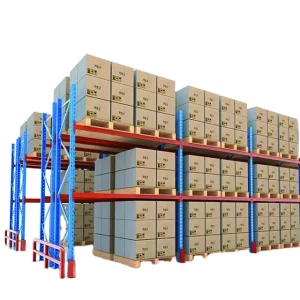
Engineered for Berlin's industrial logistics and automated warehousing requirements.
Analyzing local economic growth hubs and the corresponding structural storage demands.
The Berlin-Brandenburg metropolitan region is undergoing a massive shift from a historic administrative center to one of Europe's leading high-technology, biomedical, and green logistics hubs. With the development of the Adlershof Science and Technology Park, the expanding healthcare network centered around the Charité – Universitätsmedizin Berlin, and the growth of e-commerce fulfillment centers along the A10 ring road, local logistics demand is soaring. The demand for highly specialized infrastructure—specifically sanitary, corrosion-resistant, and structural storage racking—is at an all-time high.
Germany's strict compliance guidelines regarding hygiene (HACCP) and warehouse load safety (DIN EN 15635) mean that generic storage options are no longer viable. In medical cleanrooms, pharmaceutical research laboratories, and food processing facilities, using inferior-grade steel risks contamination and regulatory failure. For these applications, high-performance stainless steel shelving systems, particularly those manufactured in Grade 304 (EN 1.4301) and Grade 201 (EN 1.4372), are standard requirements.
Berlin's local industries exhibit specialized demands depending on their municipal zones:
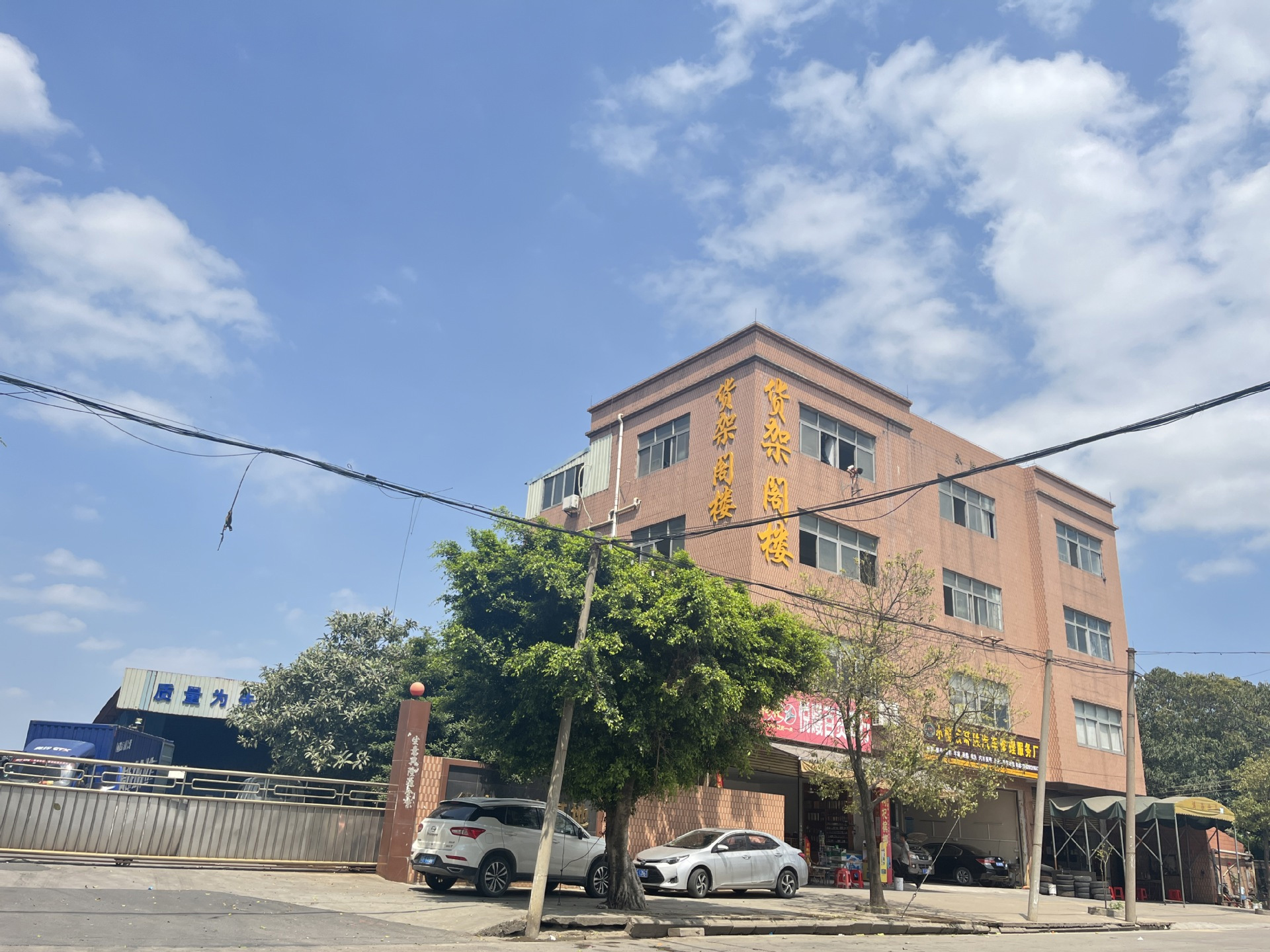 Our Automated Production Facility
A rigorous metallurgical comparison of chemical properties and mechanical integrity.
Choosing between AISI 304 and AISI 201 stainless steel shelving requires an understanding of metallurgy and the local environment. While both are classified as austenitic stainless steels, their chemical structures differ, directly impacting their rust resistance, load capacity, and lifecycle cost.
| Chemical & Physical Property | AISI 304 Stainless Steel (EN 1.4301) | AISI 201 Stainless Steel (EN 1.4372) | Engineering Significance |
|---|---|---|---|
| Nickel (Ni) Content | 8.0% - 10.5% | 3.5% - 5.5% | Nickel stabilizes the austenitic structure, giving 304 superior corrosion resistance and ductility. |
| Manganese (Mn) Content | ≤ 2.0% | 5.5% - 7.5% | 201 replaces nickel with manganese. This reduces cost but lowers overall corrosion resistance. |
| Chromium (Cr) Content | 18.0% - 20.0% | 16.0% - 18.0% | Forms the passive chromium oxide protective layer. Higher chromium levels in 304 provide better rust protection. |
| Yield Strength (R_p0.2) | ≥ 210 MPa | ≥ 310 MPa | 201 has higher yield strength, meaning it can support heavy loads in dry environments with less deflection. |
| Pitting Resistance (PREN) | ~18.0 - 20.0 | ~16.0 - 17.5 | 304 is much more resistant to pitting in environments containing chlorine or salts. |
The primary factor to consider is chloride-induced stress corrosion cracking (SCC). In cold storage units or commercial kitchens in Berlin where salt and moisture are present, Grade 201 is prone to oxidation. Without adequate nickel, the passive oxide layer in 201 breaks down under chemical stress, causing localized rust spots. Consequently, 304 is the preferred material for pharmaceutical labs and food preparation areas. However, for dry industrial storage, clean utility rooms, and retail stockrooms, Grade 201 offers a cost-effective alternative with higher tensile strength, supporting heavier weight limits at a lower cost.
Aligning international procurement processes with European environmental and supply chain guidelines.
Purchasing departments in Berlin are subject to European Union directives such as the Corporate Sustainability Due Diligence Directive (CSDDD) and Germany's Lieferkettensorgfaltspflichtengesetz (LkSG). Procurement managers must trace their supply chains to verify ethical sourcing, environmental responsibility, and carbon footprints. As a result, when sourcing stainless steel shelving, selecting suppliers who can document their carbon emissions and material quality is critical.
The steel industry is shifting toward low-carbon manufacturing. Because stainless steel is 100% recyclable, using high-quality 304 and 201 alloys aligns with circular economy goals. By extending the service life of industrial racking systems, businesses reduce replacement rates and support long-term sustainability goals. In modern warehousing, durable steel is recognized as a key element of sustainable industrial design.
The strategic benefits of Foshan Dinghui's advanced automated production and strict quality control.
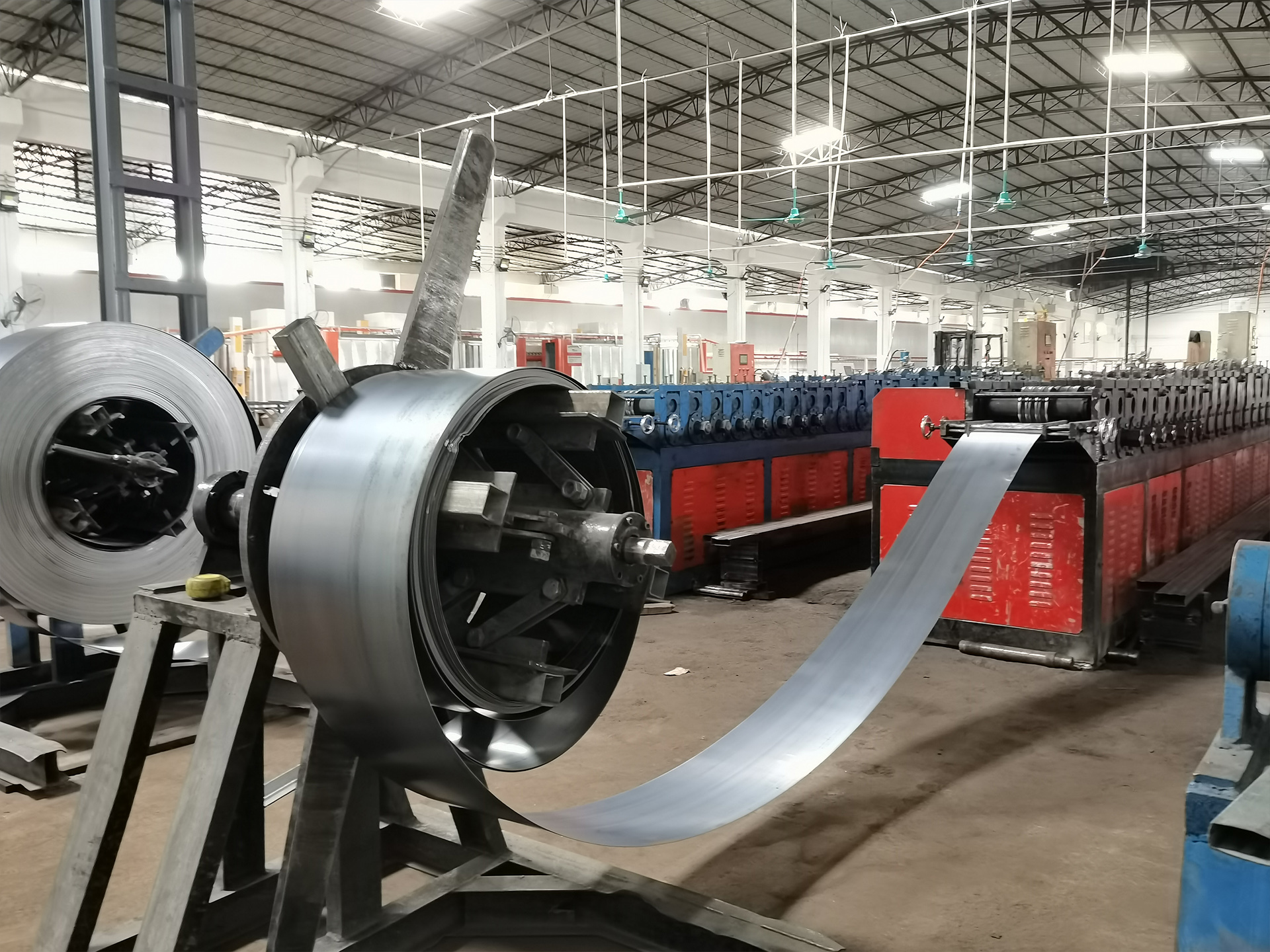 Automated Roll-Forming Lines
Foshan Dinghui Intelligent Warehousing Technology Co., Ltd., established in 2015, is a leading manufacturer specializing in heavy-duty industrial storage racks, pallet racking systems, and automated warehouse solutions. Spanning a modern manufacturing base of 38,000 square meters, we bring together 12 years of industry experience and 8 years of direct global export expertise, generating an annual export revenue of over $25 million USD.
Equipped with advanced automated roll-forming and powder-coating production lines, our quality control procedures adhere to rigorous ISO 9001 and CE certification standards. We implement comprehensive product testing protocols, including raw material tensile testing, structural load-bearing simulation, powder coating adhesion tests, and weld non-destructive inspection (NDI). Supported by a dedicated 35-member QA/QC team, we ensure that every racking component strictly meets international safety and durability standards.
Our automated manufacturing processes reduce structural tolerances to under 0.5 mm, minimizing installation variability. This precision prevents local stress concentrations when installing modular shelves in automated storage and retrieval systems (ASRS) in Europe. The consistency of cold-rolled steel profiles ensures uniform load distribution, helping clients comply with EN 15512 static design requirements.
Additionally, we maintain a robust network of over 850 reliable supply chain partners, enabling us to source raw materials efficiently and offset market volatility. This helps us stabilize pricing and production schedules for our global clients, including 3PL logistics providers, cold chain operators, and regional distributors in Germany.
Meeting specific warehouse requirements through engineered design and reliable shipping logistics.
Innovation and custom engineering drive our success. Supported by 18 experienced senior R&D engineers, we offer extensive OEM/ODM customization options, including tailored load capacities, custom dimensions, seismic-resistant structural design, special powder-coating finishes, and automated system integration. Driven by continuous technical improvement, we successfully launched 45 new product designs and structural upgrades last year, empowering our global partners to optimize their warehouse efficiency.
For the European market, we provide comprehensive technical documentation, including Finite Element Method (FEM) analysis reports. These reports confirm the load limits and structural integrity of our steel designs under local wind, snow, and seismic conditions. We coordinate transport routes via the Eurasian rail corridors or major maritime routes to deliver products directly to logistics hubs in Berlin-Brandenburg, keeping projects on schedule and within budget.
Speak directly with our senior R&D engineers to receive structural simulations and price quotes customized for your local facility.
Send Inquiry NowVerifiable ISO 9001 compliance, manufacturing safety inspections, and quality check systems.
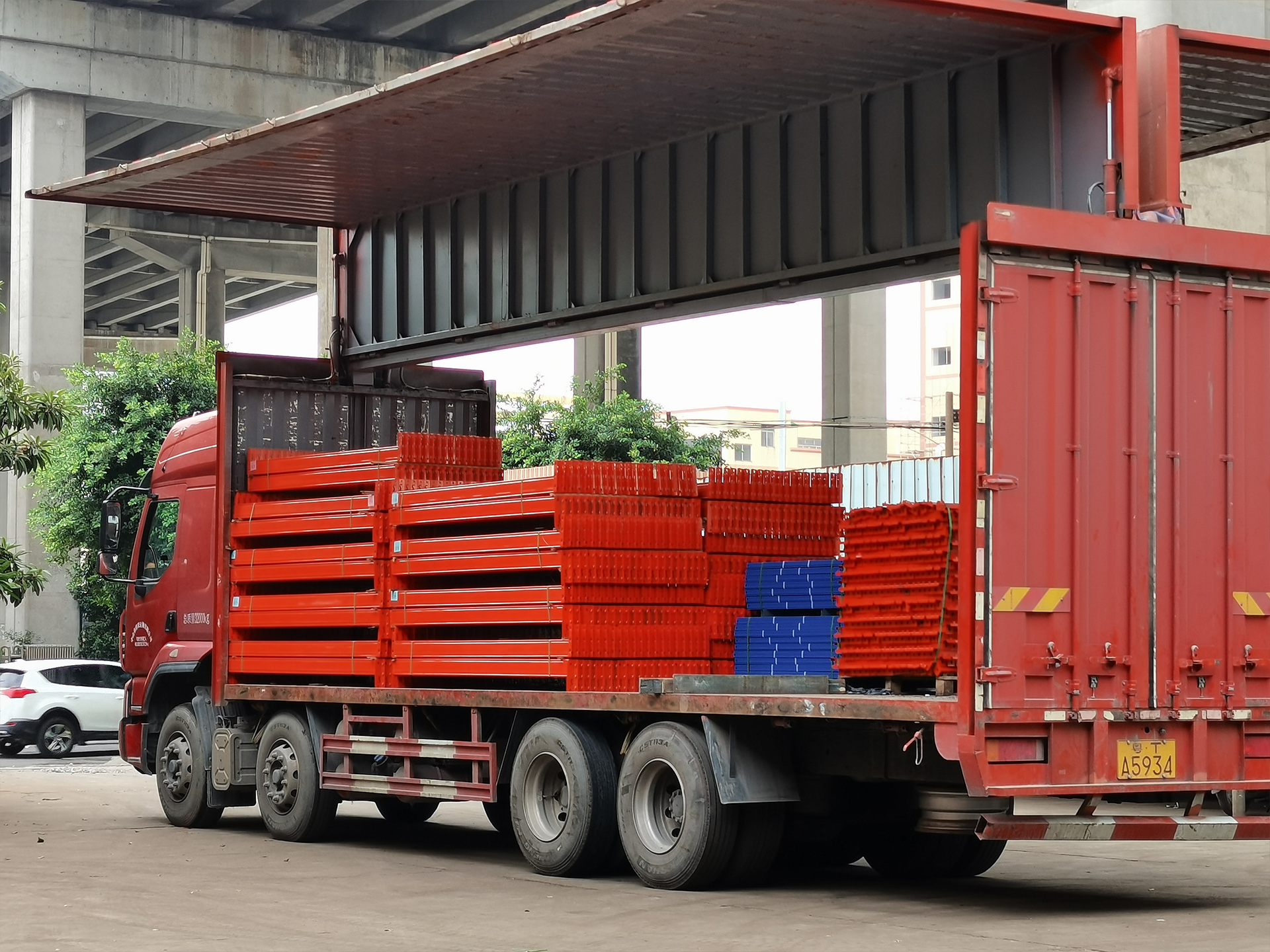
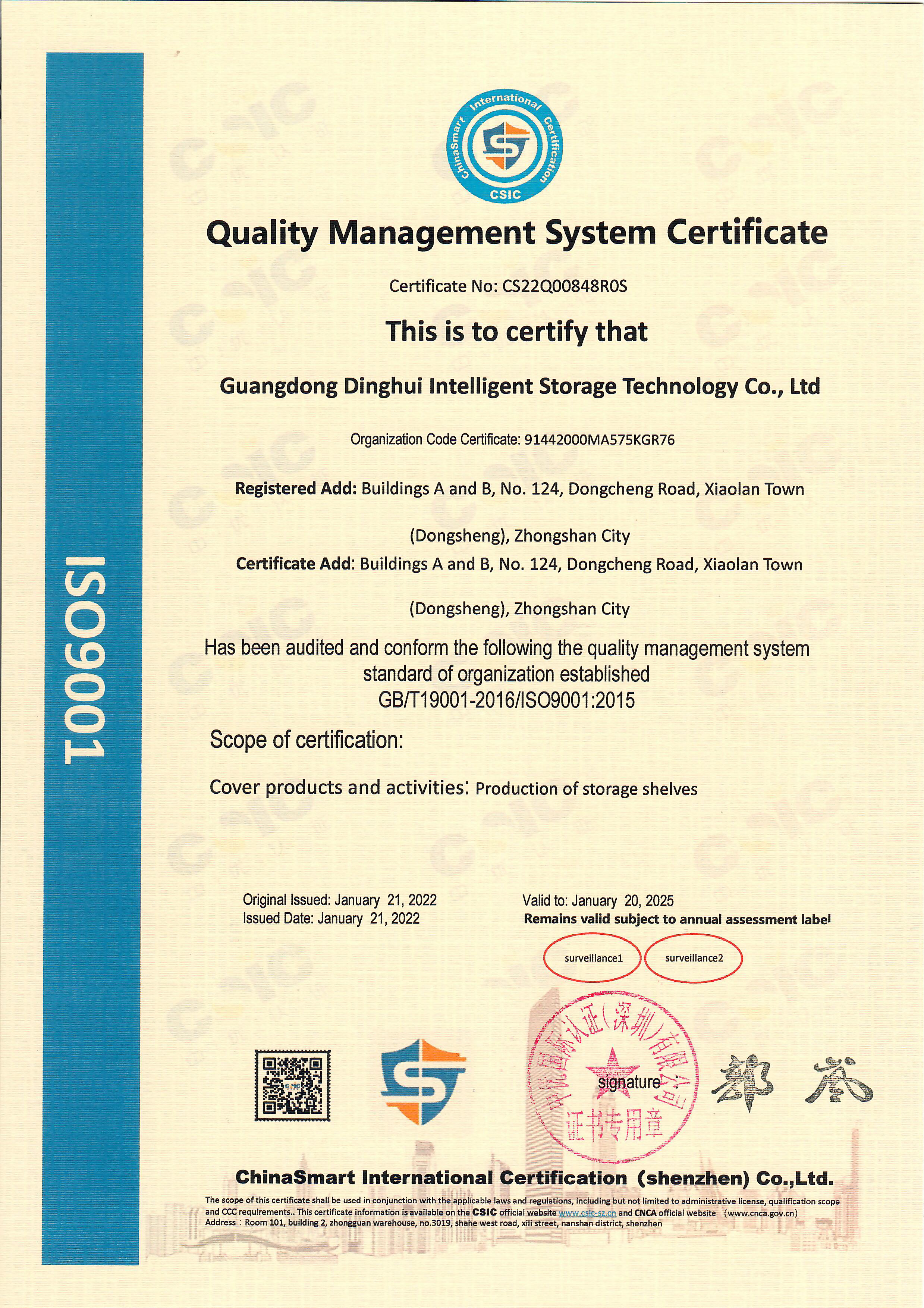
Our Quality Management System controls every stage of production, from raw steel selection to final packaging and shipping. We test materials for tensile yield strength, inspect welds using non-destructive testing, and run load tests to verify load-bearing safety margins.
Our production facilities carry ISO 9001 and CE certifications, meeting the safety requirements of European buyers and safety inspectors.
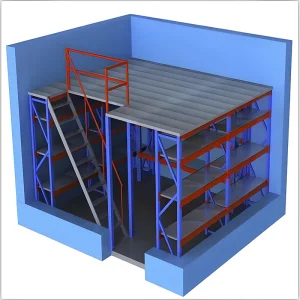
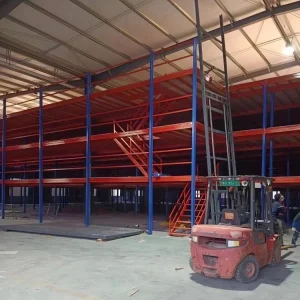
Explore our complete catalog of industrial shelving, heavy-duty racking systems, and mezzanine structures.
Detailed technical advice for procurement teams and industrial operations managers.
 Dinghui Racking