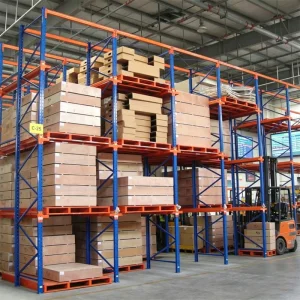
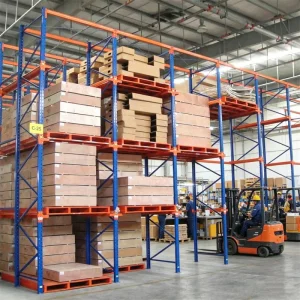
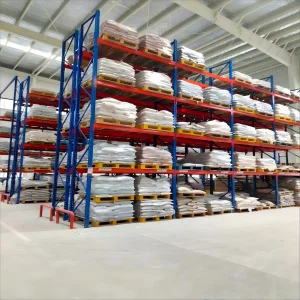
Engineered for optimal cubic efficiency, these premium systems provide high-density bulk storage solutions for demanding logistics centers across Heathrow, Park Royal, and Thames Gateway.
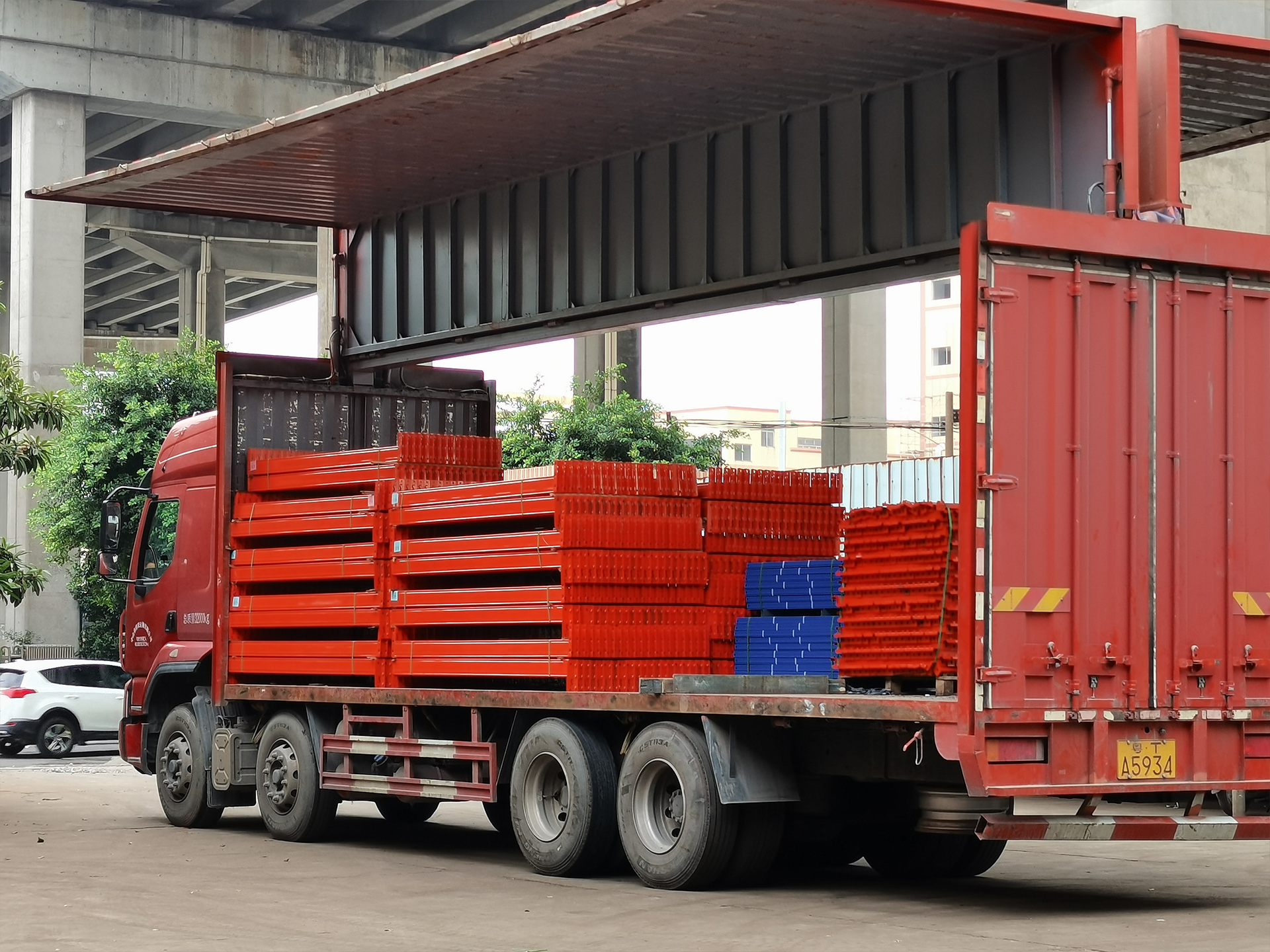
London’s status as a top-tier global commercial node has created a hyper-competitive industrial real estate market. With land prices in key corridors like Heathrow, Park Royal, and Croydon reaching record highs, warehouse operators face intense pressure to maximize spatial efficiency.
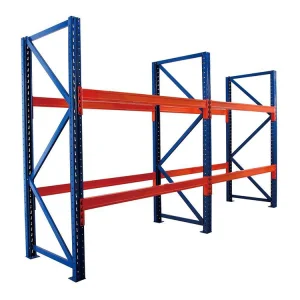
Traditional selective racking systems consume up to 60% of warehouse footprints in forklift travel aisles. In contrast, Drive-in racking and through-type shelving systems offer an ideal structural alternative by eliminating these aisles. By utilizing a single input-output block configurations, drive-in systems increase spatial utilization by up to 85%. This configuration is highly beneficial for cold storage facilities, e-commerce fulfillment hubs, and food & beverage distribution networks operating within the M25 boundary.
Whether managing a multi-temperature cold chain facility in Barking or a fast-turnover fulfillment depot in Greenford, integrating precision-engineered steel racking structures ensures structural durability, regulatory compliance, and a strong return on investment (ROI).
Choosing the right racking configuration depends on your inventory profile, inventory rotation rules (FIFO vs. LIFO), and mechanical handling equipment (MHE) constraints.
| System Type | Access Configuration | Space Efficiency | Ideal SKUs | Operational Safety Level |
|---|---|---|---|---|
| Drive-In Racking (LIFO) | Single entry/exit point. Forklift drives into the lane. | Very High (75% - 85%) | Homogeneous items, high-volume batch items, long shelf life. | High (requires upright guards & guide rails). |
| Through-Type / Drive-Through (FIFO) | Dual entry/exit points (Front entry, rear exit). | High (70% - 80%) | Perishable items, food/beverage, pharmaceuticals. | Medium-High (requires continuous structural bracing). |
| Selective Pallet Racking | Individual access to every pallet. Multi-aisle setup. | Standard (40% - 50%) | Highly diverse SKUs, rapid selective picking. | Standard (direct load placement). |
| Radio Shuttle System | Semi-automated channel carriage. Aisle entry not required for MHE. | Extreme (Up to 90%) | High-throughput distribution, deep-freeze environments. | Excellent (Forklift does not enter structural bays). |
Industrial safety is paramount. Our drive-in systems are built to withstand high static loads and dynamic operational impacts.
We source certified hot-rolled coil steel to process uprights and beams. Our Q355B steel is optimized for high yield strength under cold temperatures, making it suitable for London's sub-zero distribution environments.
Every racking system is custom-designed using FEA simulation modeling. We calculate deflection limits, seismic-resistant tolerances, and baseplate load transfers to ensure compliance with EN 15512 standards.
We employ an advanced automated electrostatic powder-coating process. The coating undergoes adhesion and chemical resistance testing, providing durability against moisture in high-humidity facilities.
As automation and sustainability initiatives gain traction globally, warehouse storage infrastructure is evolving from passive frames to integrated, intelligent components.
Industrial spaces are transitioning toward semi-automated solutions. Standard drive-in racking is increasingly configured to integrate with automated Radio Shuttle systems. This allows automated carriages to retrieve pallets from deep storage channels, reducing the need for forklifts to enter the racking structure. This limits damage to structural uprights and increases processing speed.
Energy cost inflation is a key concern for operators in London and across Europe. Reducing the footprint of temperature-controlled chambers is crucial. High-density drive-in racking maximizes storage capacity per cubic meter, lowering the energy needed per pallet space and helping operators meet green energy standards.
Modern warehouse regulations require high safety standards. We implement structural safety accessories, including heavy-duty floor-mounted guide rails, high-visibility upright protectors, backstop bars, and three-dimensional seismic bracing. This protects operators and equipment from damage and ensures compliance with HSE guidelines.
Our engineering team configures storage systems for specific sector requirements, balancing durability and spatial layout.
For logistics hubs handling high-volume, uniform pallets, our drive-in configurations maximize pallet count. These setups utilize deep channels to make the most of vertical clearance, supporting rapid throughput.
In cold storage environments where temperature control is highly energy-intensive, our compact racking structures optimize storage density. This reduces unused air space and helps lower cooling costs.
Our drive-through (FIFO) systems support proper batch rotation and inventory management for date-sensitive inventory, maintaining compliance with storage safety standards.
Find answers to key technical, installation, and engineering questions regarding high-density warehousing systems.
Established in 2015, Foshan Dinghui Intelligent Warehousing Technology Co., Ltd. is a manufacturer specializing in heavy-duty industrial storage racks, pallet racking systems, and automated warehouse solutions.
Spanning a modern manufacturing base of 38,000 square meters, we bring together 12 years of industry experience and 8 years of direct global export expertise, generating an annual export revenue of over $25 million USD.
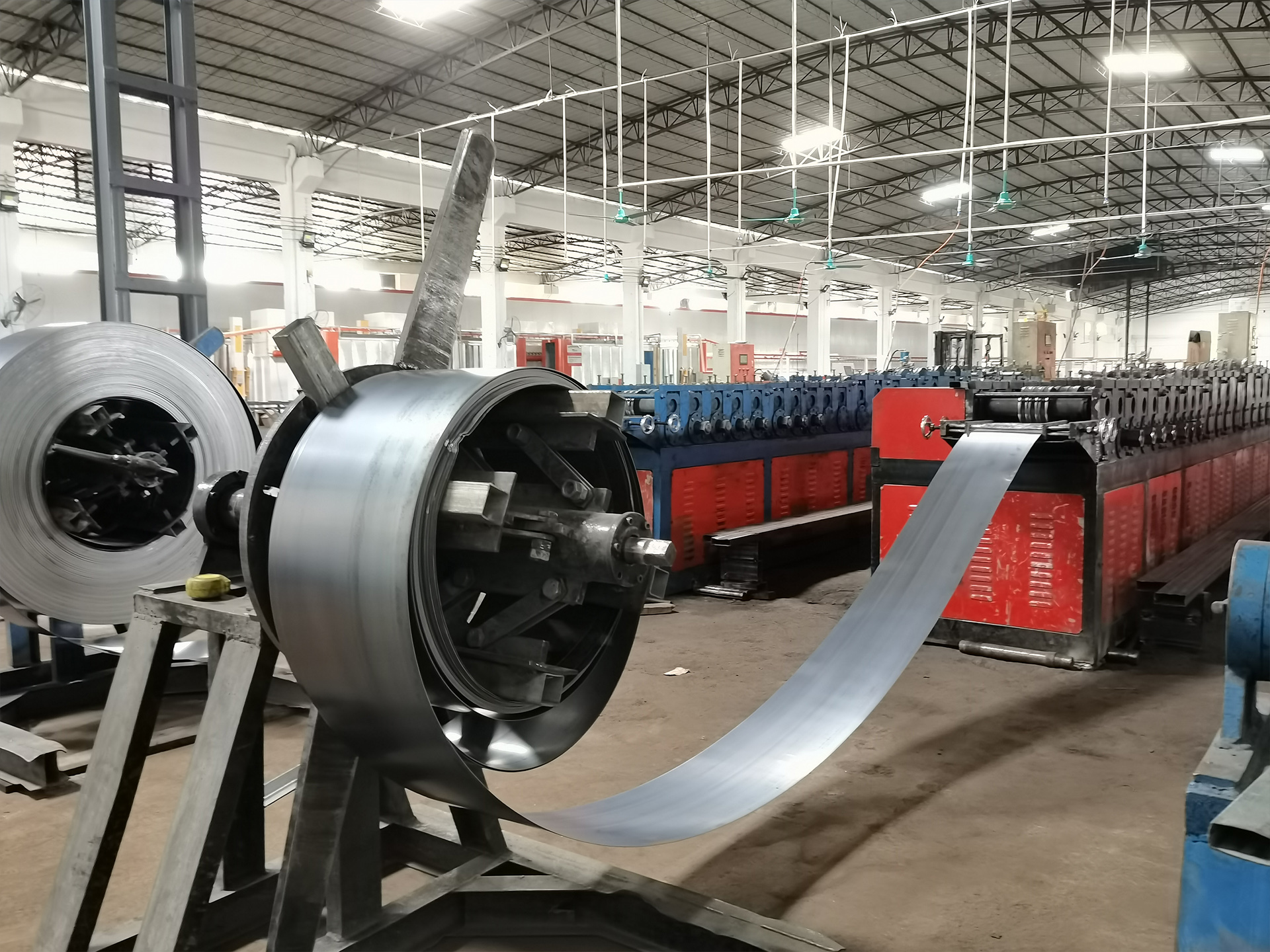
Equipped with advanced automated roll-forming and powder-coating production lines, our quality control procedures adhere to rigorous ISO 9001 and CE certification standards. We implement comprehensive product testing protocols, including raw material tensile testing, structural load-bearing simulation, powder coating adhesion tests, and weld non-destructive inspection (NDI).
Supported by a dedicated 35-member QA/QC team and 18 experienced senior R&D engineers, we offer extensive OEM/ODM customization options, including tailored load capacities, custom dimensions, seismic-resistant structural design, and automated system integration.
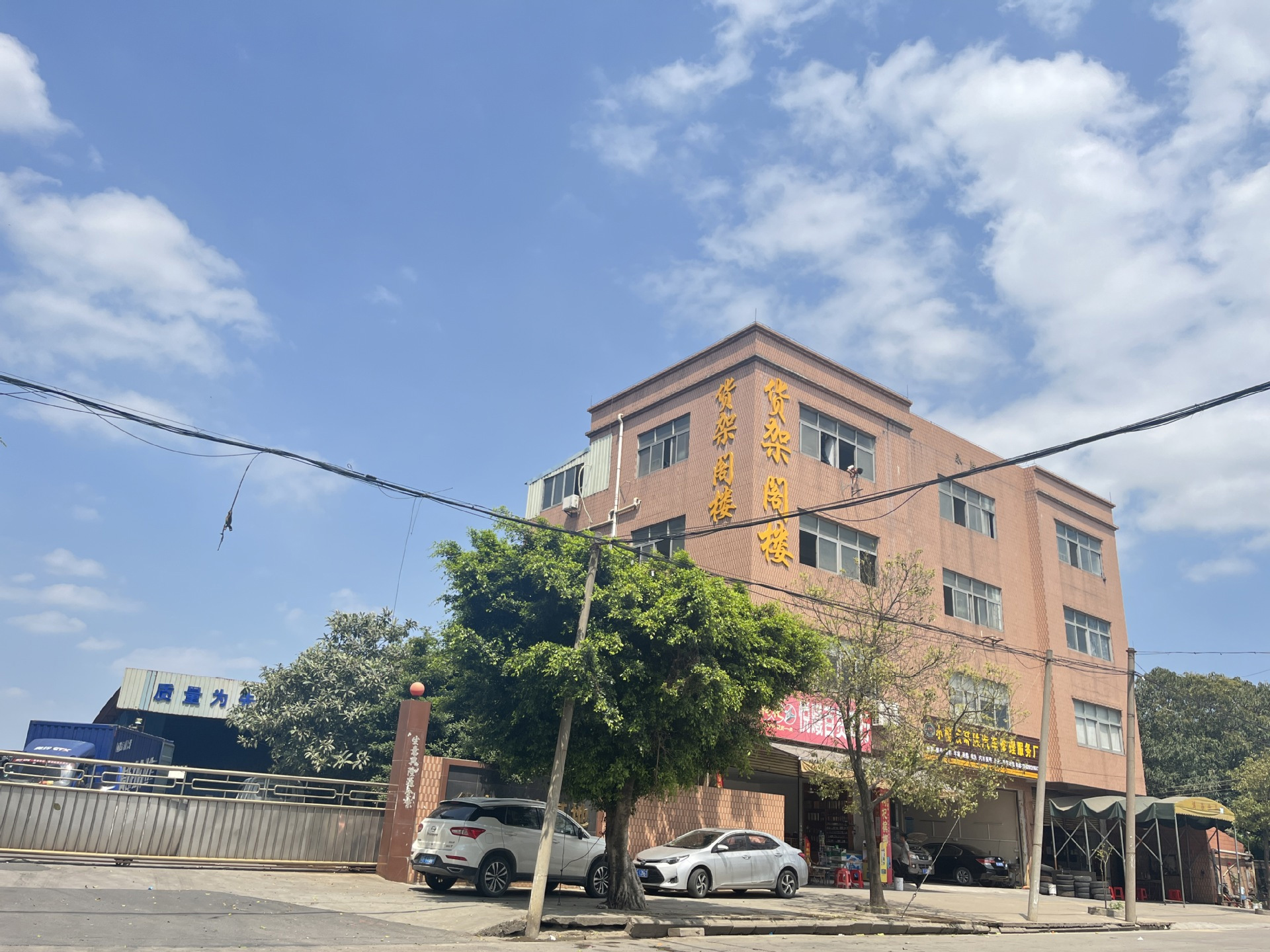
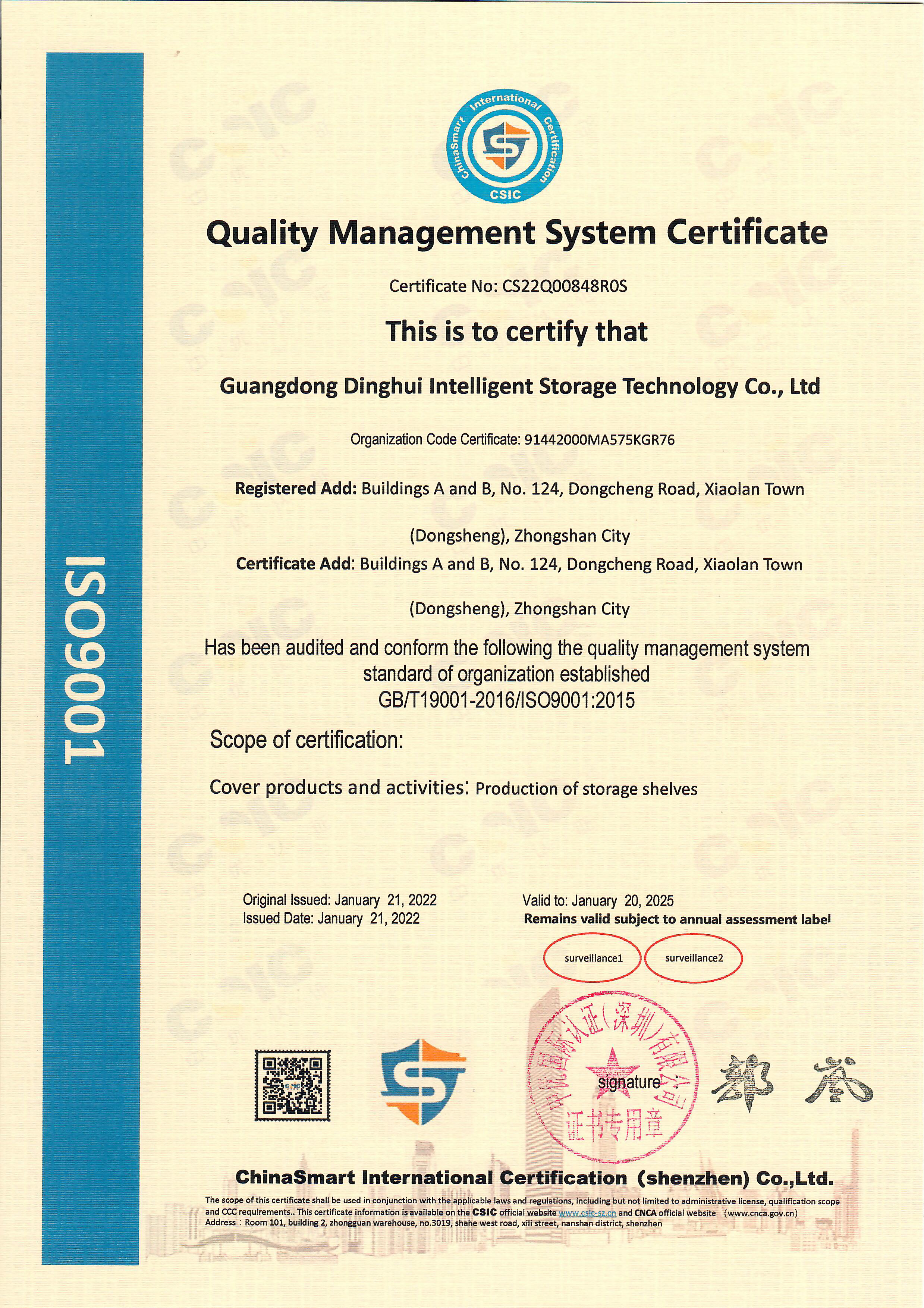
Adhering strictly to international ISO 9001 & CE manufacturing safety requirements.
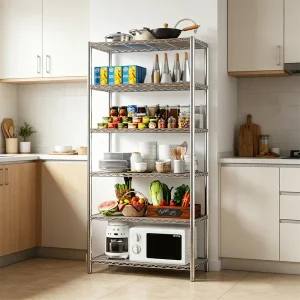
Explore our selection of industrial storage systems, designed to optimize space and load capacity across commercial applications.
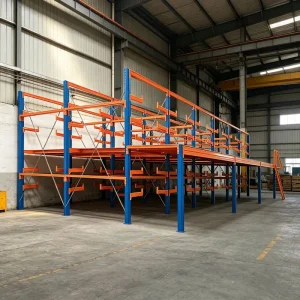
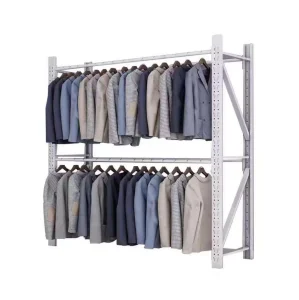
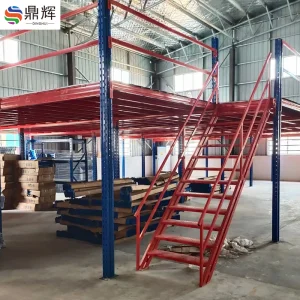
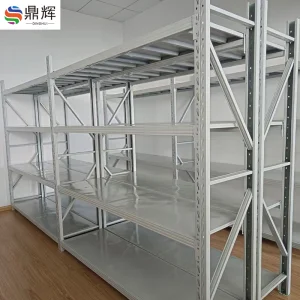
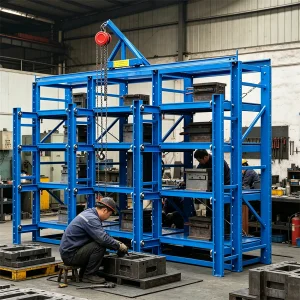
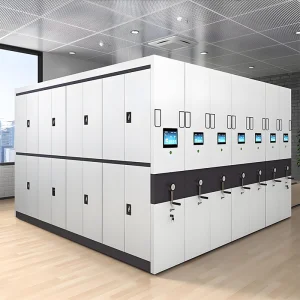
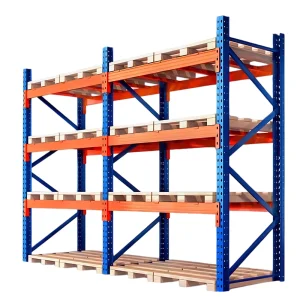
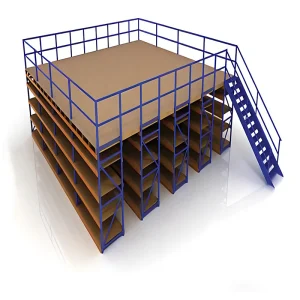
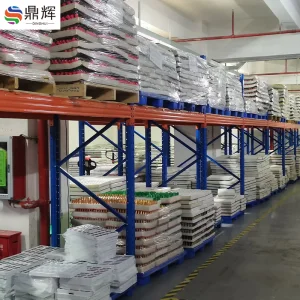
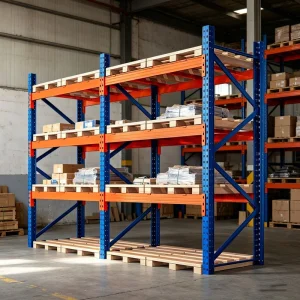
Our facility handles structural roll forming, welding, and automated powder coating processing to deliver compliant, high-density warehousing configurations.
 Dinghui Racking