Southern California is the premier logistics hub of North America, where high real estate costs and dense cargo processing require maximization of volumetric space. The systems below are engineered specifically to comply with California Structural and Seismic codes.
The Greater Los Angeles region—encompassing the Port of Los Angeles, the Port of Long Beach, and the massive Inland Empire expansion zone—remains the highest-velocity logistics market in the United States. With industrial land pricing continuing to demand premium investments, standard warehousing layouts that utilize excessive aisle spaces are cost-prohibitive. Warehouses, 3PL distributors, and cold storage facilities must utilize every vertical and horizontal cubic inch.
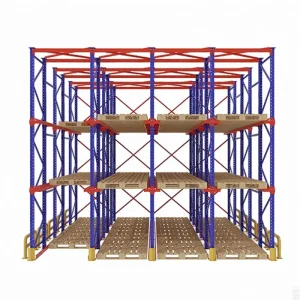
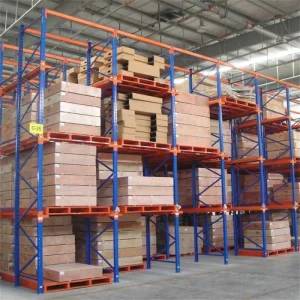
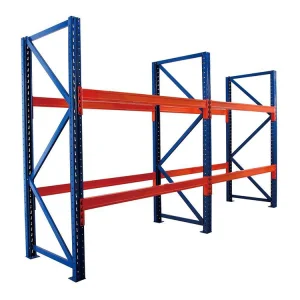
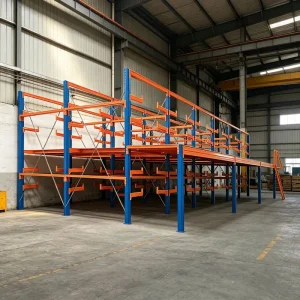
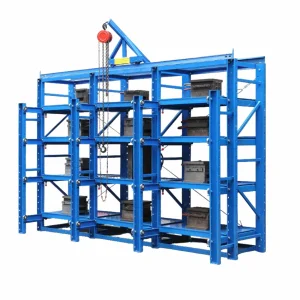
Drive-In Rack and Through-Type Shelving Systems provide the most efficient solution for high-density storage of uniform cargo. By eliminating dedicated travel aisles for forklifts, these systems increase warehouse density by up to 75% compared to traditional selective racking. Forklifts drive directly into the storage bays to deposit or retrieve pallets, making this design ideal for batch shipments and Last-In, First-Out (LIFO) or First-In, First-Out (FIFO) logistical strategies.
Standard Selective Racking utilizes 35-40% of overall warehouse floor space for product storage. Drive-in systems increase this footprint utilization up to 75-80%. For a standard 100,000 sq. ft. facility in Rancho Cucamonga or Carson, CA, this transition matches the performance of a 170,000 sq. ft. facility, yielding immense operational cost savings.
Designing high-density rack configurations in Los Angeles demands absolute adherence to strict structural regulations. The region sits in active seismic zones governed by the California Building Code (CBC) Title 24 and the Rack Manufacturers Institute (RMI) standard ANSI MH16.1. Any structural racking installation must undergo dynamic structural calculations and receive Professional Engineer (PE) stamping before obtaining local municipality occupancy permits.
Seismic-grade uprights feature expanded baseplates (typically 5" x 7" or larger, with dual anchoring points) and heavier gauge cold-rolled steel (12GA or 14GA profiles). This configuration spreads ground pressure and resists extreme shear forces during seismic events.
Drive-in systems lack traditional horizontal beams, making them vulnerable to sway. Our Los Angeles market designs feature structural top ties and rear cross-bracing towers that transform individual bays into a unified, rigid space frame.
We incorporate structural 3D-angled guidance entries along with heavy-duty safety floor rails. This system protects structural frames from forklift collisions, which is the leading cause of racking failure in high-volume operations.
Structural Note for Procuring Managers: Dynamic loading values under seismic criteria are calculated using the Site Class and Seismic Design Category (SDC D through F in Southern California). Foshan Dinghui Intelligent Warehousing Technology Co., Ltd. custom designs all exports to the United States to align directly with local structural analysis criteria, ensuring seamless permit approvals.
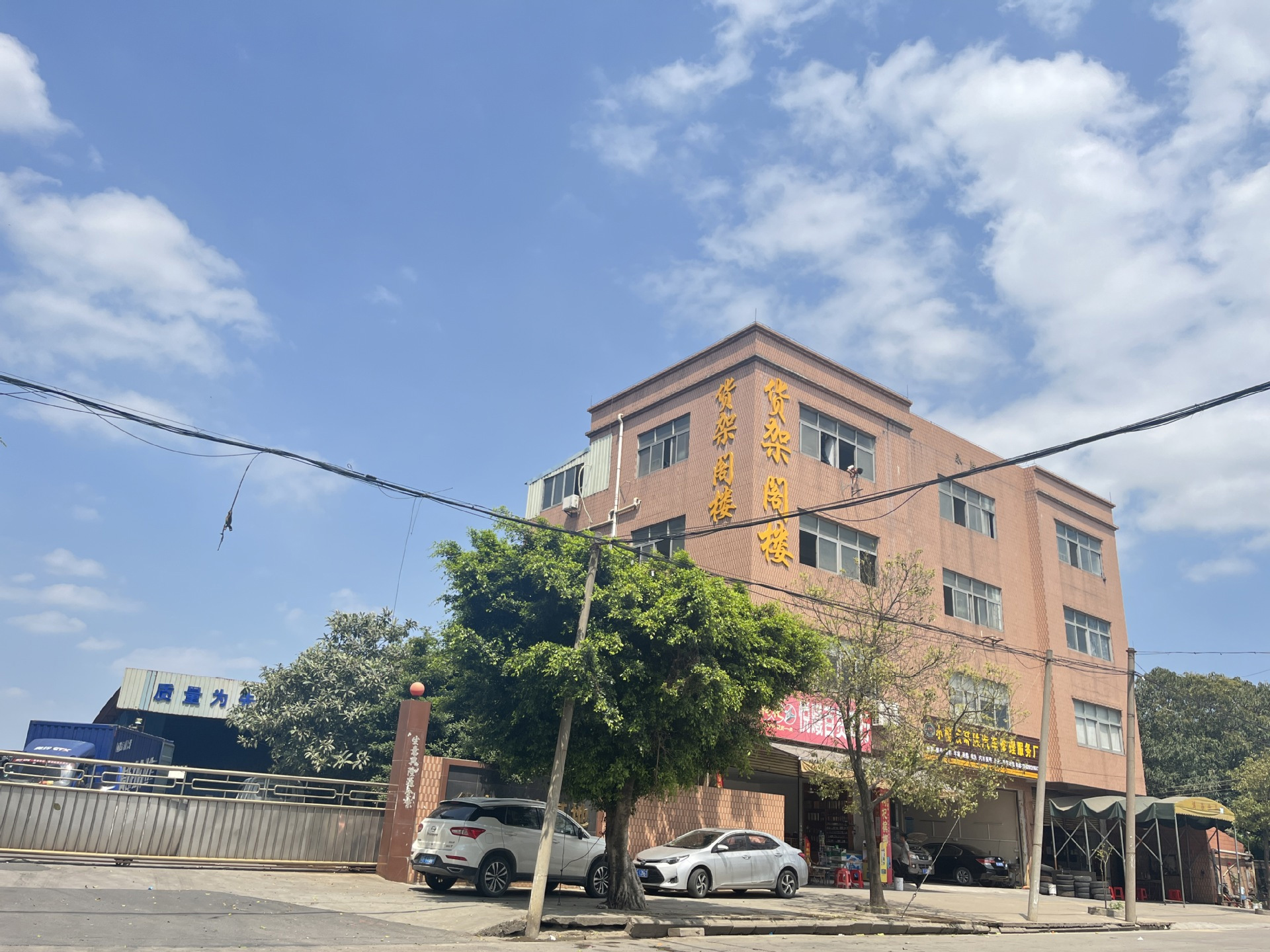
Our modern manufacturing facility covers 38,000 square meters and utilizes advanced automated roll-forming and powder-coating production lines to ensure precision manufacturing. We execute strict QA/QC testing protocols under our ISO 9001 and CE certifications.
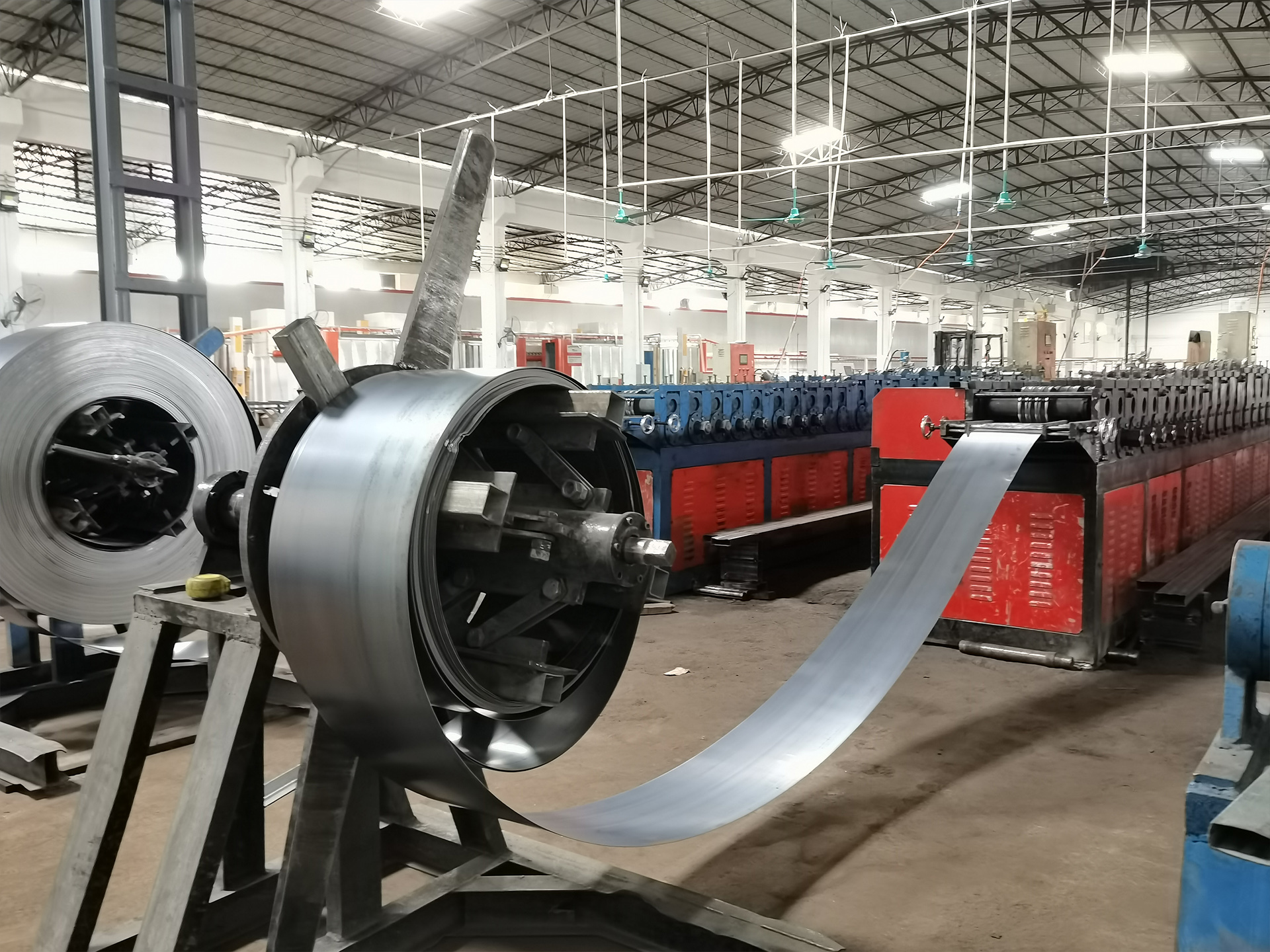
We perform mechanical tensile testing on high-strength Q235B and Q355B cold-rolled steel coils, verifying yield strengths match target parameters before production begins.
Automated coordinate measurement machines check roll-formed vertical columns to maintain punch-hole alignments within fractions of a millimeter.
Our dedicated 35-member QA/QC team performs non-destructive weld testing (NDI) on all load-bearing bracket assemblies, ensuring structural integrity.
We execute standard powder-coating cross-hatch adhesion and salt spray corrosion tests to confirm long-term durability in temperature-controlled or freezer facilities.
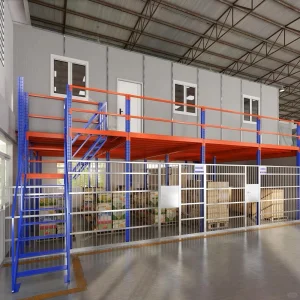
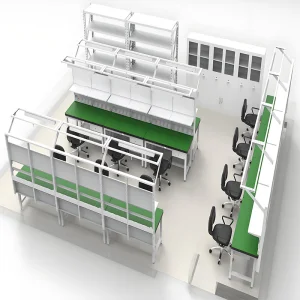
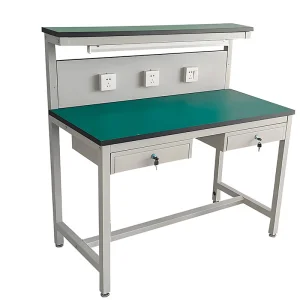
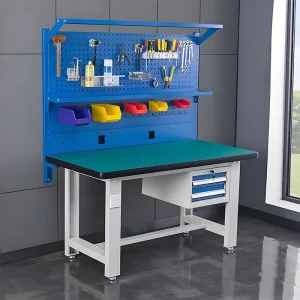
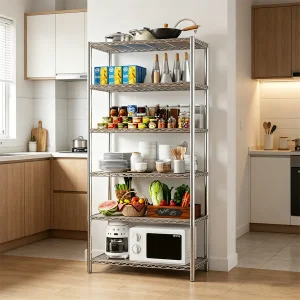
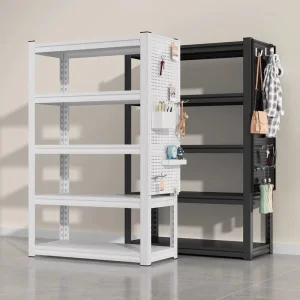
Complete your warehouse configuration with heavy-duty workstations and custom manufacturing support setups. These systems are designed to withstand rugged shift operations in demanding industrial environments.
Though often categorized together, their internal material handling systems require distinct operational practices. Choosing the right system depends on your warehouse throughput requirements and inventory tracking systems.
Drive-in configurations utilize a single entry/exit aisle. Forklifts enter through the main access point to load and retrieve items from the same side. Because the first pallet loaded is the last pallet retrieved, this configuration is ideal for products with indefinite shelf lives, high batch volumes, and cold storage applications where thermal efficiency is critical.
Also known as Drive-Through racking, this design features separate entry and exit aisles. Forklifts load pallets on one side and retrieve them from the opposite end. This allows for a continuous First-In, First-Out (FIFO) inventory workflow. It is highly suited for perishable food, pharmaceuticals, and manufacturing assembly lines with strict batch expiration rules.
| Design Factor | Drive-In Shelving | Through-Type Shelving |
|---|---|---|
| Access Configuration | Single-sided entry / LIFO | Double-sided entry (FIFO) |
| Structural Sway Stability | High (uses complete rear cross bracing) | Moderate (requires heavy top portal ties) |
| Storage Density Rating | Maximum (no rear aisles needed) | High (requires front/rear access aisles) |
| Ideal SKU Mix | Low SKUs, high pallet volume per SKU | Medium SKUs, date-controlled inventory |
Modern distribution centers in Southern California are increasingly adopting automation. Our Drive-in and Through-type racking configurations are designed with the dimensional tolerances required for automated guided vehicle (AGV) forklifts and automated storage and retrieval systems (AS/RS).
Compared to human operators, automated systems require tighter dimensional tolerances. Our manufacturing process maintains profile straightness tolerances within 1/1000 over total height. This precision prevents sensor errors in automated systems and ensures smooth material handling operations.
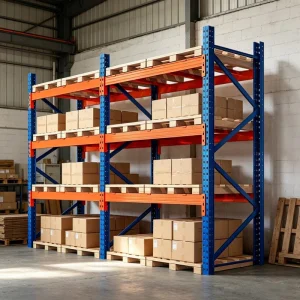
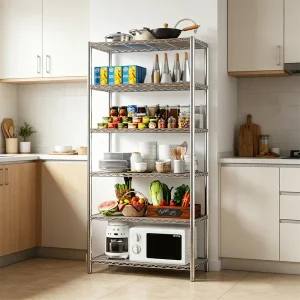
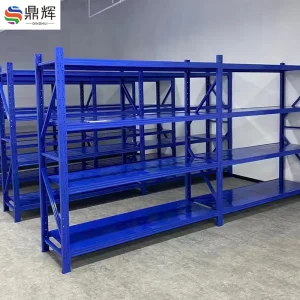
Our complete range of industrial storage systems provides solutions for diverse B2B operations, commercial kitchens, manufacturing facilities, and automated distribution hubs.
Request structural CAD drawings and factory pricing specifications for your facility.
 Dinghui Racking