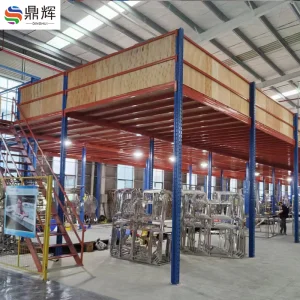
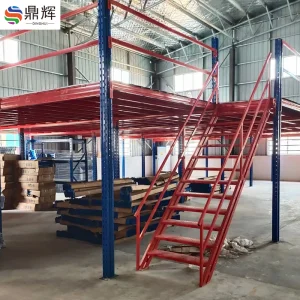
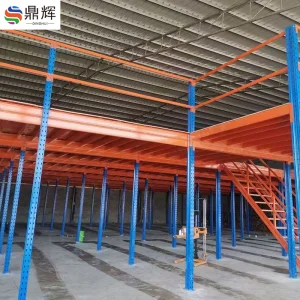
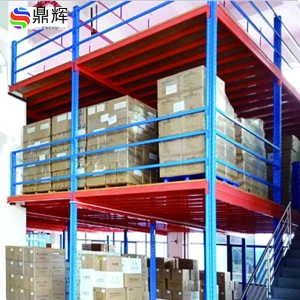
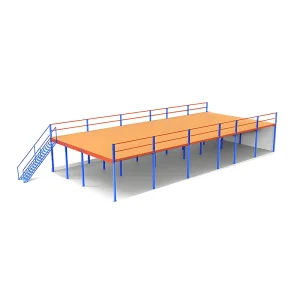
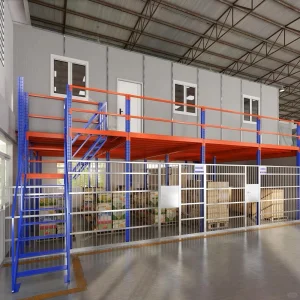
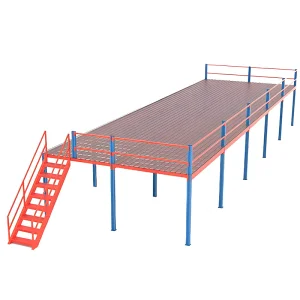
Explore our highly integrated heavy-duty steel and metal configurations, configured to support local Pacific Northwest logistics, cold storage, and assembly environments.
In the highly competitive logistics environment of the Pacific Northwest (PNW), warehouse and facilities managers in the Greater Seattle area face an ever-tightening real estate market. With lease rates escalating in central commercial hubs like Kent Valley, Tukwila, Everett, and Tacoma, simply expanding a building's footprint is often financially prohibitive or physically impossible. As a result, the deployment of industrial attic mezzanines and steel structure storage platforms has emerged as the premier strategy to optimize overhead cubage, effectively doubling or tripling usable floor area without modifying the external structural envelope.
Seattle’s economy is defined by pioneering technologies, aerospace engineering, retail supply chains, and extensive maritime activities at the Northwest Seaport Alliance. Modern fulfillment structures operating here require robust systems that can handle extreme loads, accommodate complex mechanical handling equipment (such as vertical reciprocating conveyors, automated guided vehicles, and multi-tier shelving arrays), and respect local building codes. Storage designs must address specific regional realities, including strict environmental policies, damp coastal atmospheric conditions that accelerate structural oxidation, and the region's position within Seismic Design Category D through F (demanding strict compliance with the structural codes of the Seattle Building Code (SBC) and the international Building Code (IBC)).
Foshan Dinghui Intelligent Warehousing Technology Co., Ltd. addresses the rigorous demands of the local Seattle market by utilizing high-strength structural carbon steel (specifically Q235B and Q355B grades, comparable to ASTM A36 and A572 respectively). Every single steel component is subjected to extensive tensile testing, load simulation modelling, and weld inspections before dispatching overseas.
Procuring heavy-duty structural steel and attic mezzanines directly from top-tier Chinese manufacturers like Foshan Dinghui provides key advantages for enterprise purchasers in Seattle. Key factors driving global corporate relationships include:
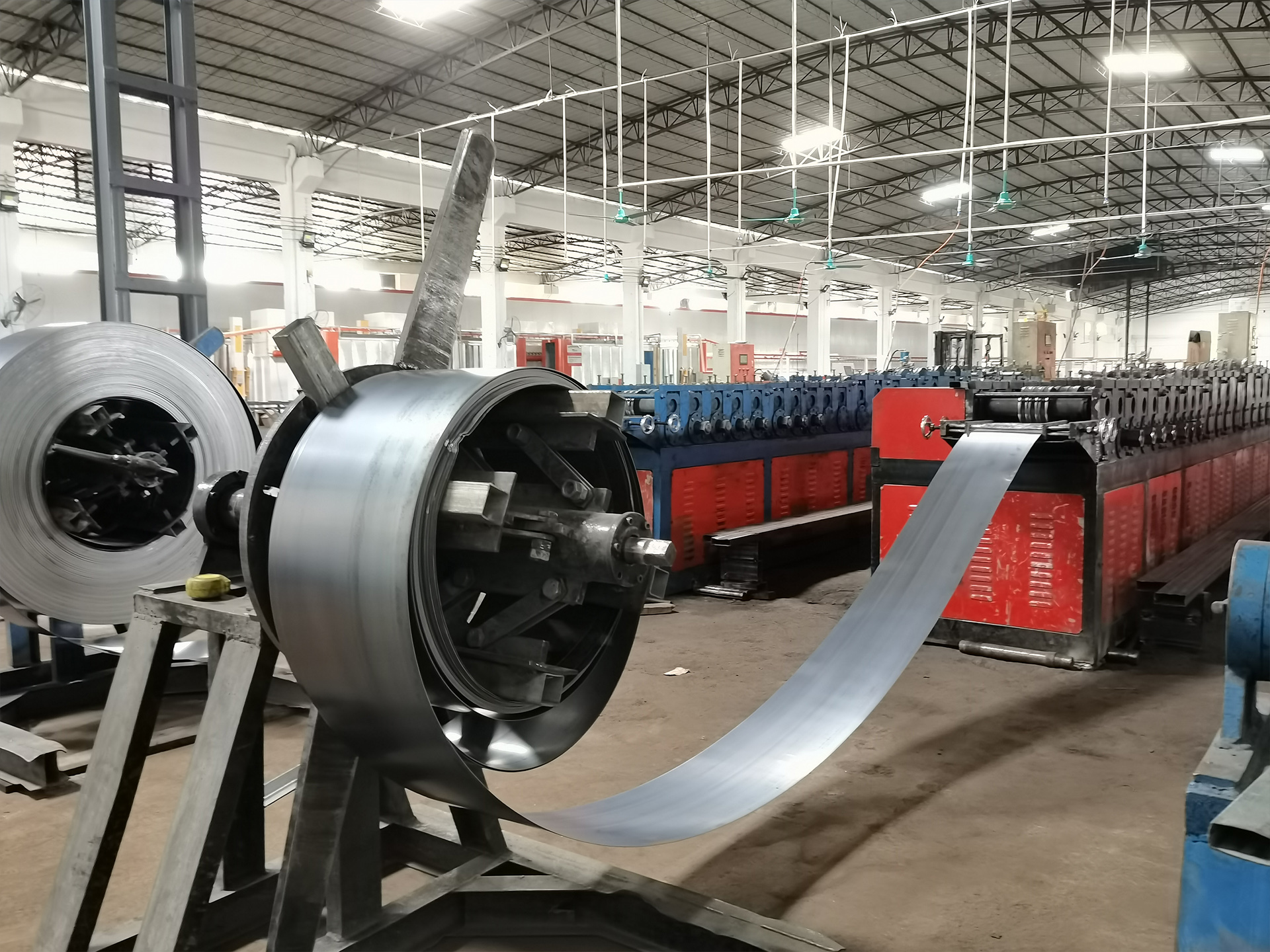
Our modern 38,000-square-meter manufacturing plant features state-of-the-art roll forming machines and continuous automated electrostatic powder coating lines. Operating in Foshan, the heart of China’s advanced metal fabrication industry, we procure high-grade raw steel directly from national mills, guaranteeing structural integrity and consistency that boutique domestic fabricators struggle to match at scale.
Through our dedicated 18-member R&D engineering team, we deliver custom designs for complex multi-level platform racking systems. Because our engineers design and optimize steel components daily, they know how to balance thickness, geometry, and span length to limit weight without sacrificing safe load capacity. This optimized design practice lowers total structural steel weight, translates directly into reduced material costs, and reduces shipping fees to the Port of Seattle.
With an annual export volume exceeding $25 million USD, we maintain a dedicated 35-member QA/QC department that monitors production. From raw steel tensile verification to non-destructive weld testing, we guarantee that all components comply with international standards. We supply full trace certificates, technical structural drawings, and installation guides to ensure local building compliance.
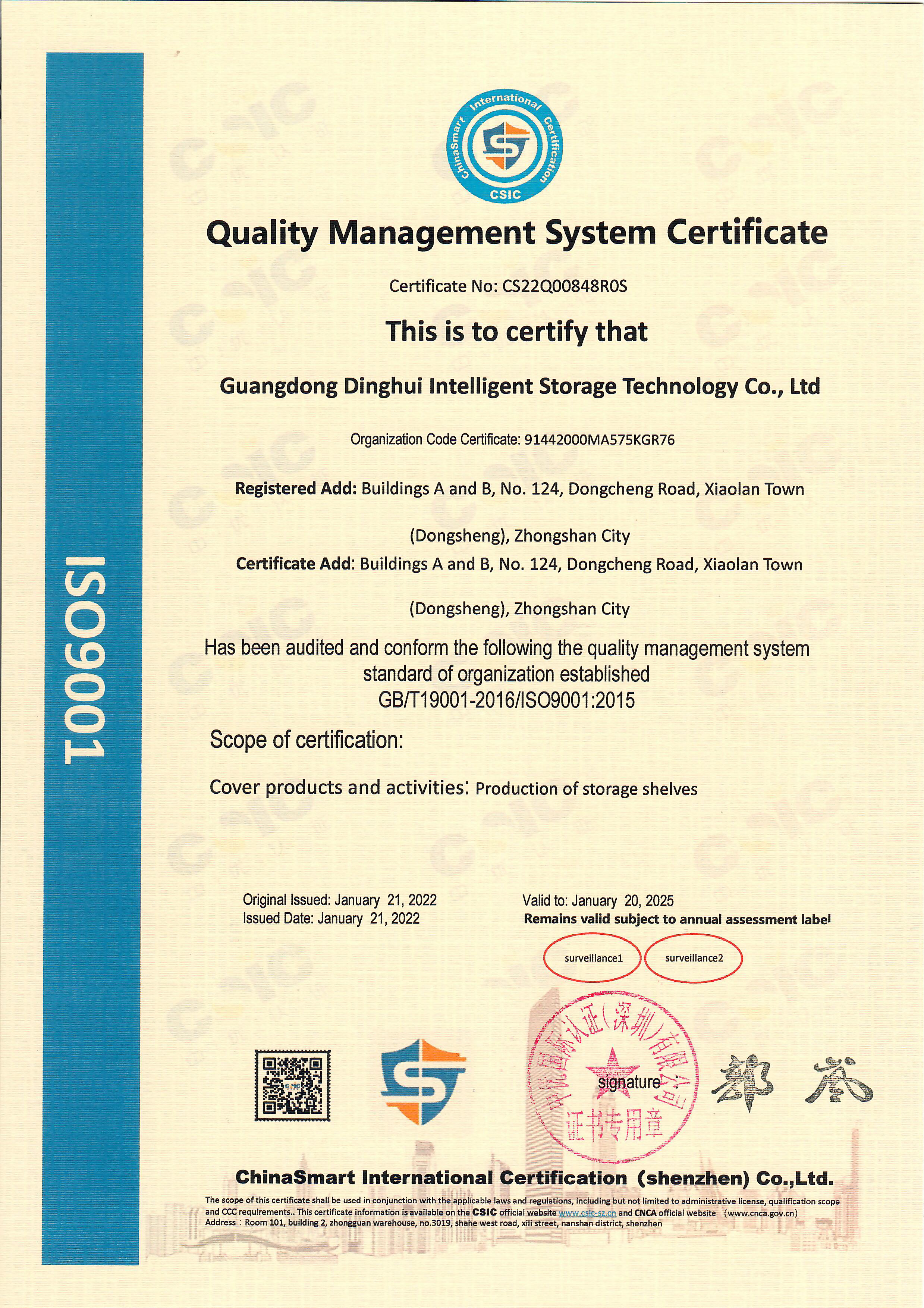
Every piece of our racking structure, from raw cold-rolled profiles to dynamic locking pins and beam connections, adheres to strict quality procedures. This ensures our mezzanine structures meet the high engineering expectations of safety inspectors in the state of Washington.
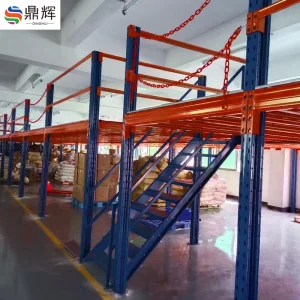
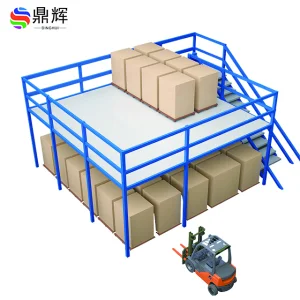
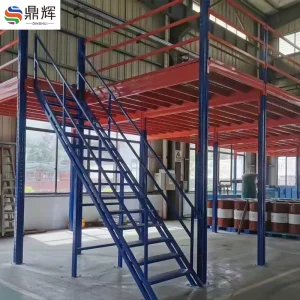
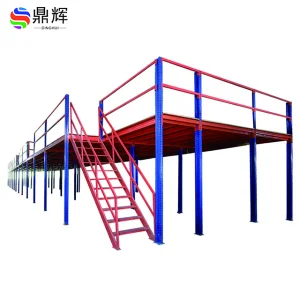
Select from our core catalog of heavy-duty mezzanine designs, engineered to expand industrial warehouse space, improve storage efficiency, and resist heavy loads.
In structural design, a mezzanine is not merely a shelving unit but an elevated floor system carrying significant load forces. Local construction frameworks in King County place strict structural rules on industrial platforms. Below is the technical compliance pathway followed by our engineers for projects deployed in the state of Washington:
| Engineering Element | Standard Seattle Requirement (IBC/SBC) | Foshan Dinghui Factory Standard |
|---|---|---|
| Steel Specification | ASTM A36, A572 Grade 50 or equivalent standards | High-strength structural steel Q235B and Q355B (fully tested) |
| Seismic Compliance | Must resist lateral forces (Seismic Categories D to F) | Custom cross-bracing, heavy anchor plates, and dynamic analysis |
| Structural Loading Limits | Min 125 PSF (heavy warehouse storage applications) | Configured for 150+ PSF (approx. 750+ kg/㎡ to 1,500 kg/㎡) |
| Corrosion Protection | Required for humid/unconditioned storage spaces | Electrostatic powder coating, 60-80 microns thickness |
| Egress & Fire Safety | Staircases, safety handrails, and fire doors required | IBC-compliant stair designs and safety gates included |
The Pacific Northwest sits directly above active fault lines (including the Cascadia Subduction Zone). Structures in Washington state must resist complex lateral loads during seismic events. Our design department utilizes Finite Element Analysis (FEA) software to calculate the exact seismic forces exerted on columns, beams, and connections. Baseplates are configured with larger dimensions to distribute load weight evenly across the concrete slab, and structural tie rods are added to stabilize the platform deck.
Our quality control team ensures that raw materials match our design calculations. Certified structural steel undergoes laser-cutting, high-precision punching, cold roll-forming, and welding. Robotic systems perform heavy load-bearing structural welds, providing consistent penetration depths and structural integrity. Following fabrication, components are pre-treated and powder coated, creating a robust shield against damp air, marine salt, and mechanical impact.
Find answers to common questions about engineering codes, structural design options, shipping logistics, and building permits for heavy-duty metal attic mezzanines.
Mezzanines installed within King County must comply with the Seattle Building Code (SBC) and the International Building Code (IBC) Section 505. Key requirements include keeping the mezzanine area within one-third of the room's total floor area, ensuring a minimum clear height of 7 feet (84 inches) above and below, and including a minimum of two paths of egress depending on total platform footprint. All platform designs must be verified for the specific Seismic Design Category of the site.
Yes. Local building inspectors evaluate structural performance, welding certifications, and material thickness, rather than simply where components are made. Foshan Dinghui provides comprehensive Material Test Reports (MTRs), weld profiles complying with AWS standards, and engineering calculations. We work alongside US-based Professional Engineers (PE) to review structural designs and apply the required engineering stamp for permit approval.
Our platforms are designed to match your application requirements. Light-duty structures (for office spaces or light archive boxes) are rated for 300 to 500 kg/㎡ (60-100 PSF). Standard warehouse and logistics systems support 500 to 1,000 kg/㎡ (100-200 PSF). Heavy industrial designs, configured for heavy machinery or dense pallet storage, are built to support 1,500+ kg/㎡ (300+ PSF).
Decking materials depend on your facility's operations and local fire code requirements. Standard configurations include high-strength steel plate, open steel grating (supporting sprinkler system flow), checkered steel safety plate (for slip resistance), and high-density composite timber decking panels (typically over a B-deck base).
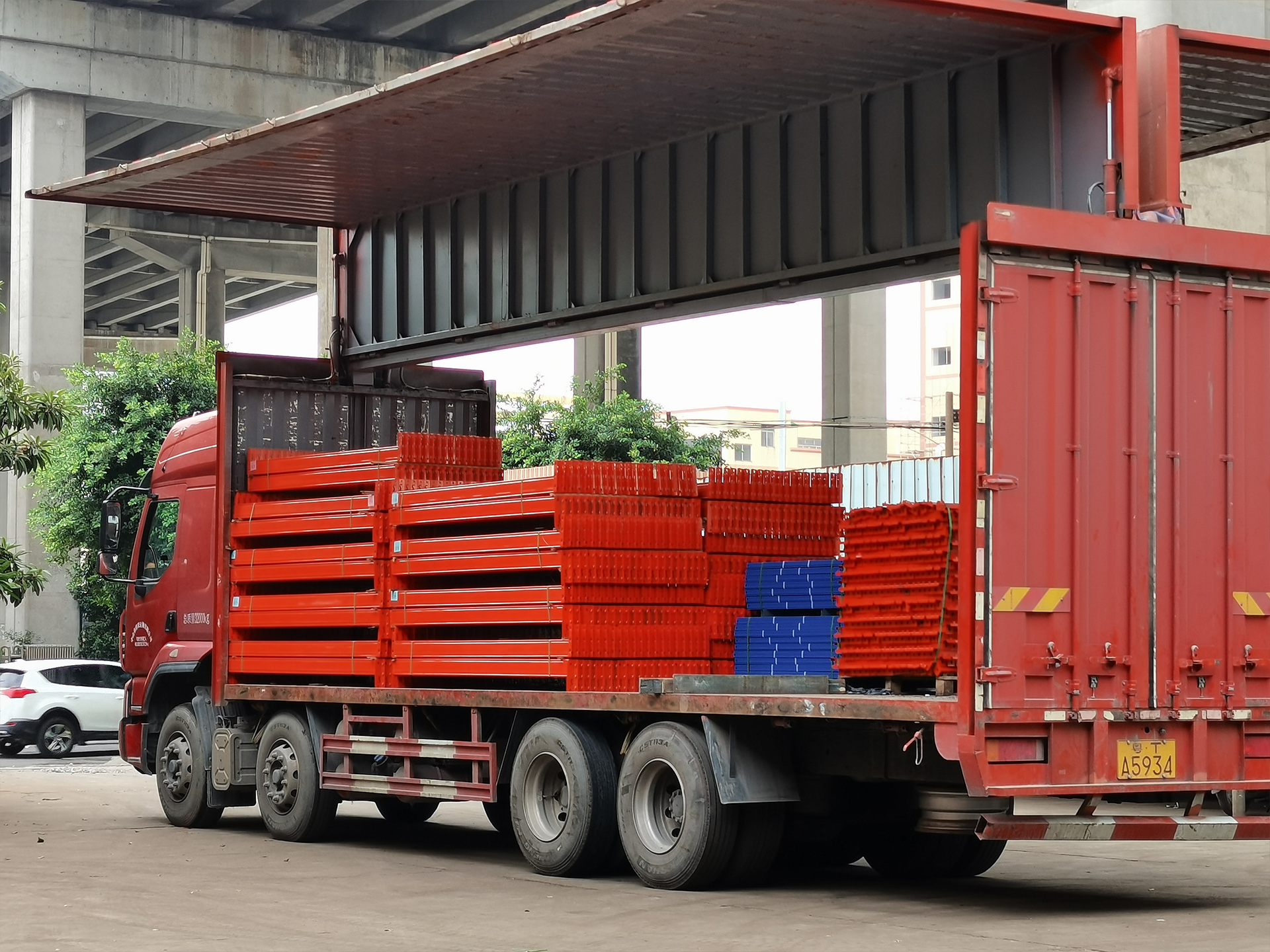
Foshan Dinghui has 8 years of direct global export expertise. All components are grouped and secured inside standard containers (typically 40ft High Cube containers) to prevent shifting during transit. We coordinate the shipping process from our plant to the Port of Seattle or Tacoma (via ocean shipping lines), handling custom clearance documents and coordinating with local truck haulers for delivery to your site.
Connect with our engineering and design team to request a layout simulation, structural load calculation, and custom quote for your Seattle warehouse facility.
Send Inquiry Now Dinghui Racking