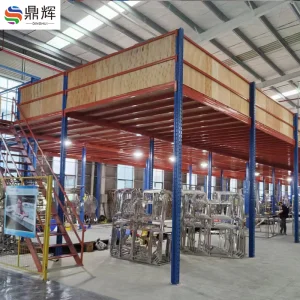
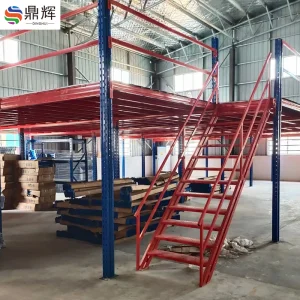
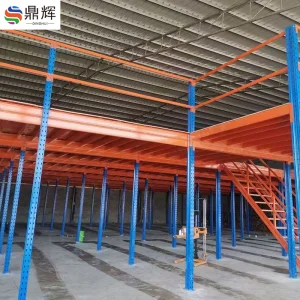
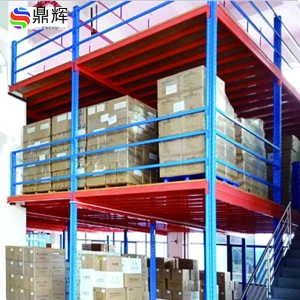
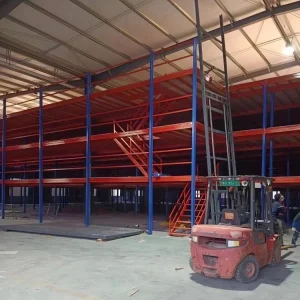
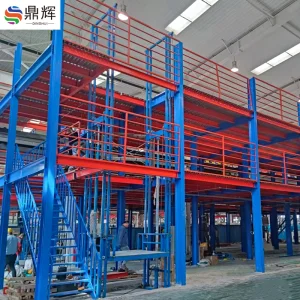
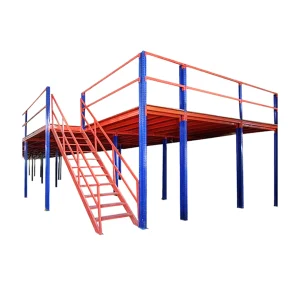
Engineered to maximize vertical volume in industrial warehouses and cold storage spaces across Tokyo.
Tokyo represents one of the most space-constrained and high-cost industrial real estate markets globally. With logistics centers sprawling around Tokyo Bay, Kawasaki, and Yokohama, operators face astronomical per-square-meter land prices. Expanding horizontally is rarely an option. Industrial enterprises must optimize their existing footprints vertically to accommodate growing SKUs, e-commerce fulfillment operations, and cold-chain capacity.
However, vertical expansion in Tokyo requires meeting the world's most rigorous seismic regulations. The Building Standards Act (Shin-Taishin Amendment) dictates that structure configurations must absorb significant lateral force without structural failure. Installing a generic mezzanine floor without localized structural calculations is a compliance and safety risk.
“Building vertically in Tokyo isn't just about adding steel beams; it is an exercise in structural physics. Mezzanines must function as unified, dynamic extensions of the main warehouse framework.”
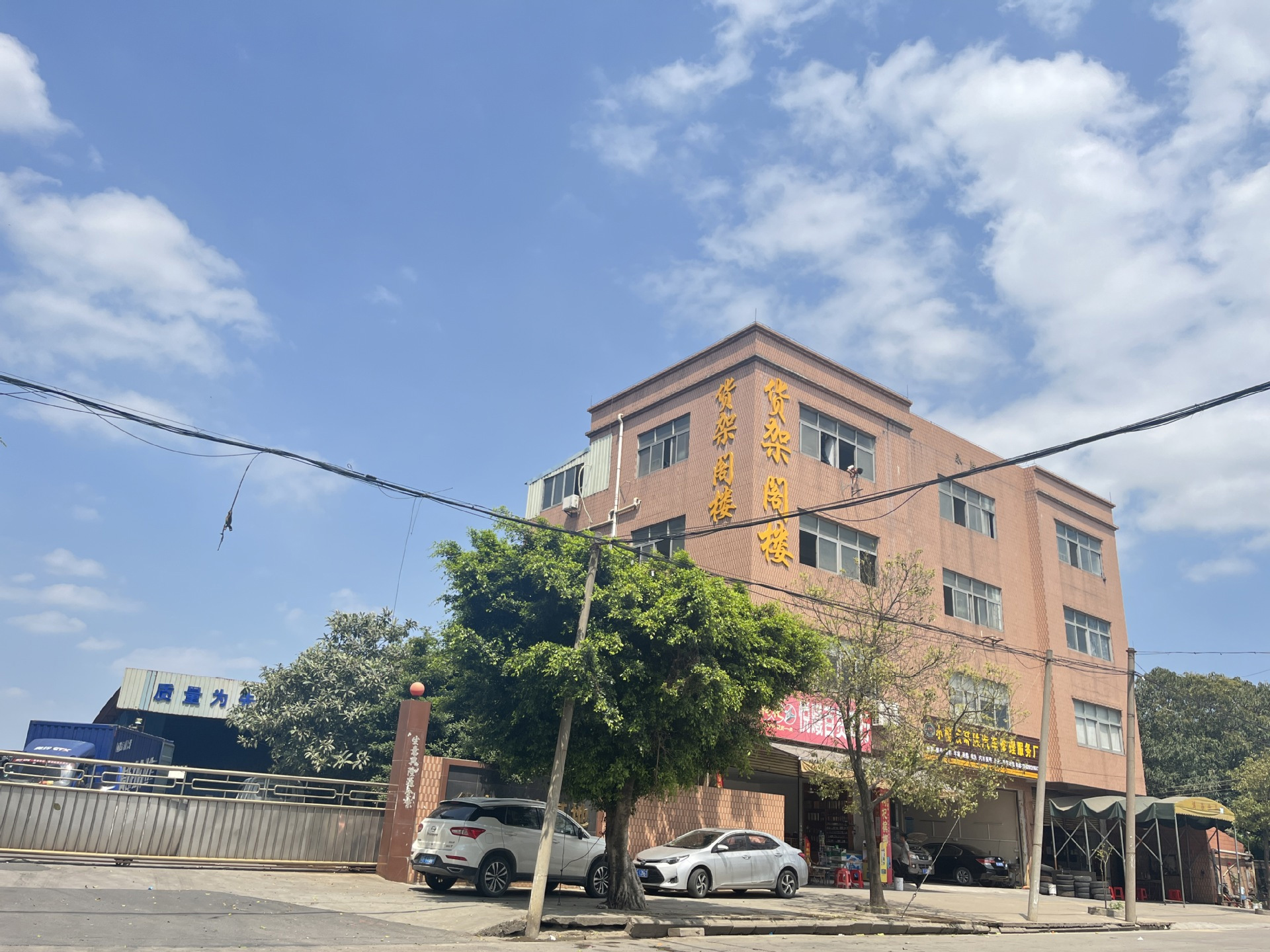
How leading companies deploy modular mezzanine platforms to drive efficiency and optimize operations.
Supply chains are moving away from centralized mega-centers toward urban micro-fulfillment hubs. These localized hubs require modular, dismountable, and adjustable structures. Cold-rolled high-tensile steel profiles (such as Q355B or Q235B) have become the industry gold standard due to their strength-to-weight ratio and environmental durability.
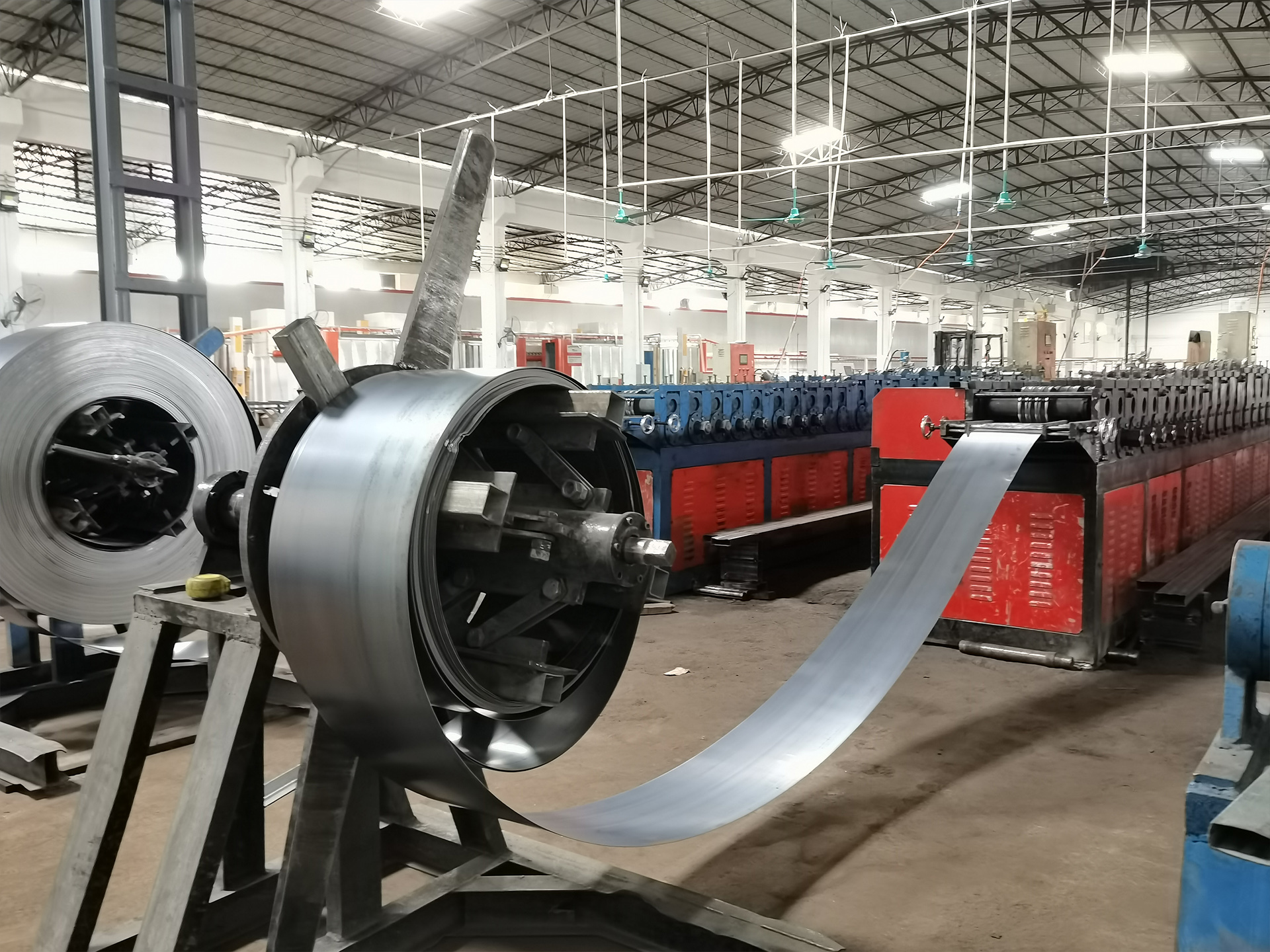
Combining world-class materials processing with direct-to-enterprise cost advantages.
Our production facilities in Foshan operate at the convergence of automation, material science, and global quality systems, yielding high-performance racking platforms that seamlessly integrate into the Japanese market.
Established in 2015, Foshan Dinghui is a leading manufacturer specializing in heavy-duty industrial storage racks, pallet racking systems, and automated warehouse solutions. Spanning a modern manufacturing base of 38,000 square meters, we bring together 12 years of industry experience and 8 years of direct global export expertise, generating an annual export revenue of over $25 million USD.
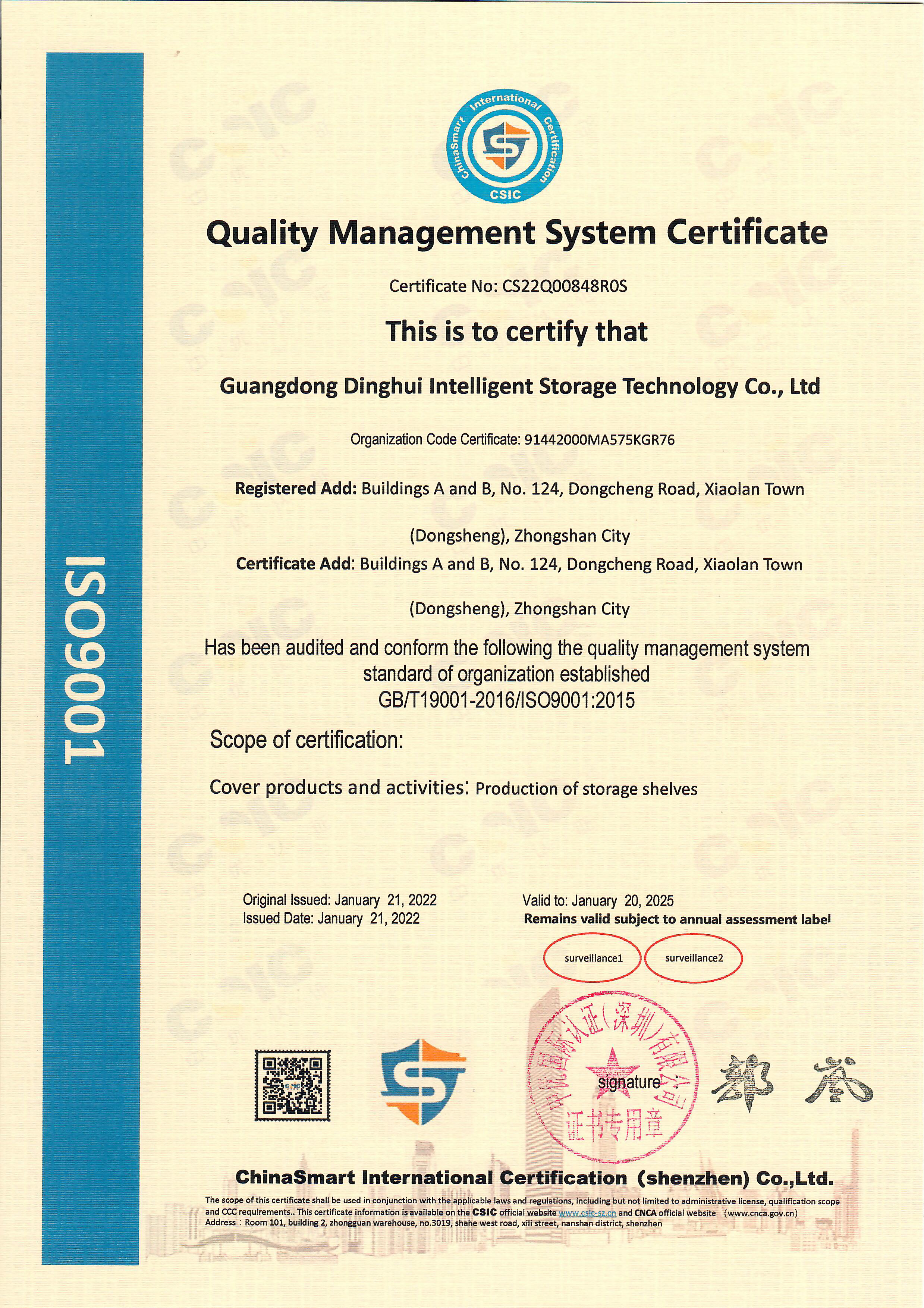
Equipped with advanced automated roll-forming and powder-coating production lines, our quality control procedures adhere to rigorous ISO 9001 and CE certification standards. We implement comprehensive product testing protocols, including raw material tensile testing, structural load-bearing simulation, powder coating adhesion tests, and weld non-destructive inspection (NDI). Supported by a dedicated 35-member QA/QC team, we ensure that every racking component strictly meets international safety and durability standards.
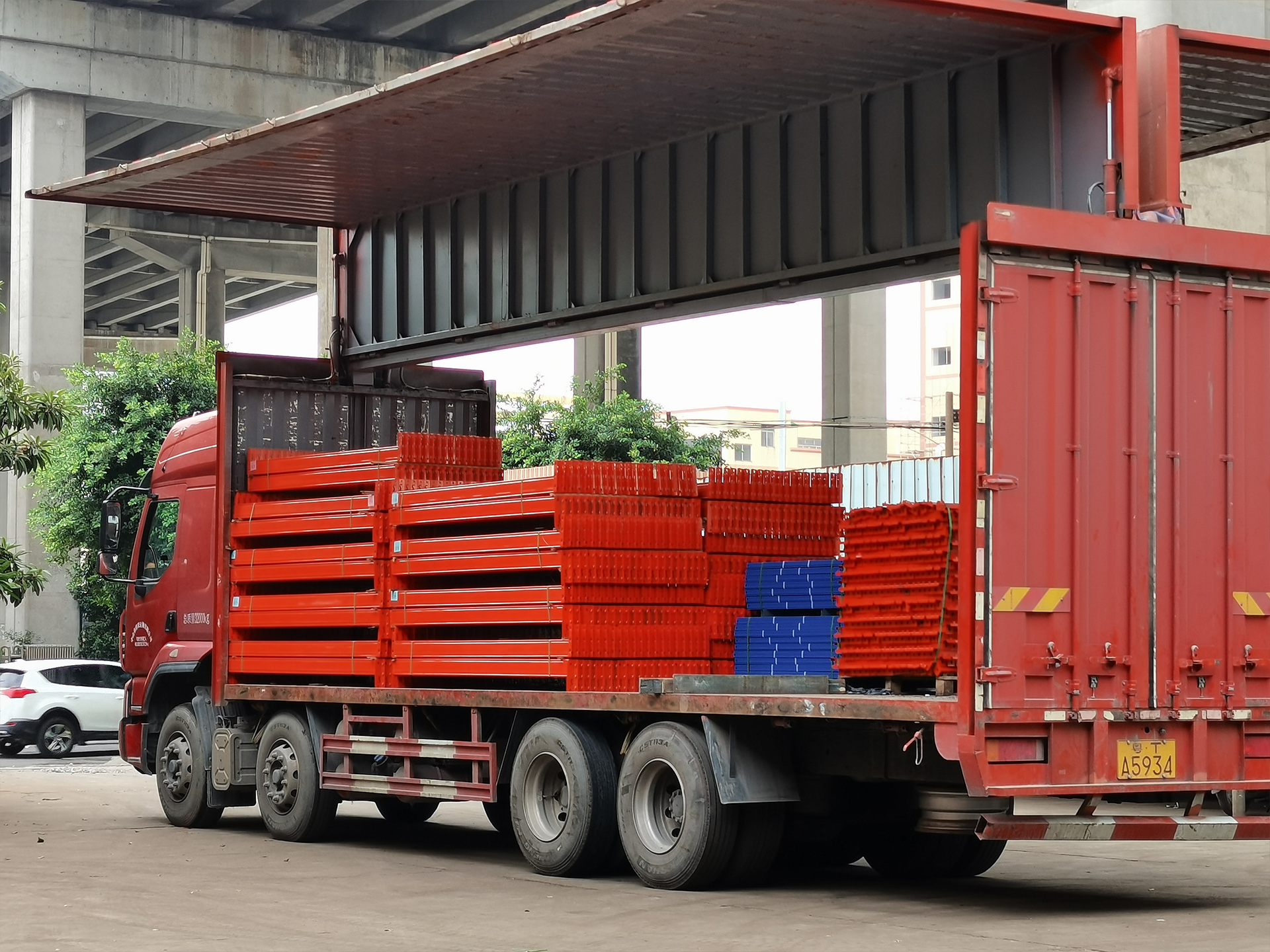
Operating with a strong international OEM/ODM trade background, our primary markets span North America, Europe, Southeast Asia, and the Middle East. Backed by a robust network of over 850 reliable supply chain partners, we serve a diverse global client base, including 3PL logistics providers, industrial warehouse operators, e-commerce fulfillment centers, and regional distributors. Driven by continuous technical improvement, we successfully launched 45 new product designs and structural upgrades last year, empowering our global partners to optimize their warehouse efficiency.
All mezzanine platforms exported to Japan undergo static and dynamic FEA (Finite Element Analysis) to guarantee performance during high-frequency seismic events.
| Structural Parameter | Standard Specification | Tokyo Seismic Standard Compliance |
|---|---|---|
| Steel Grade | Q235B / Q355B (Cold-Rolled Steel) | Exceeds Yield Strengths for JIS G3101 (SS400 equivalent) |
| Load Capacity Range | 300kg/㎡ to 1,500kg/㎡ | Calculated with static load safety factor of 1.5 |
| Column Grid Configuration | Customized (up to 8m spans) | Dynamic horizontal bracing optimized for Kanto region base acceleration |
| Decking Type Options | Galvanized steel plates, checker plates, open steel gratings | Includes integrated fire sprinkler through-holes & anti-slip embossing |
| Coating Process | Electrostatic Powder Coated (Epoxy-polyester) | Corrosion protection grade conforming to ISO 12944 C3/C4 |
| Welding Standard | CO2 shielded arc welding | 100% Non-destructive test (NDI) verified load bearing joints |
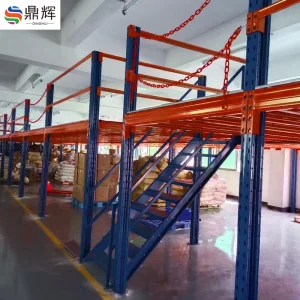
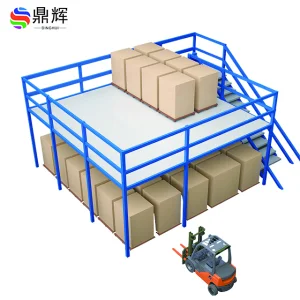
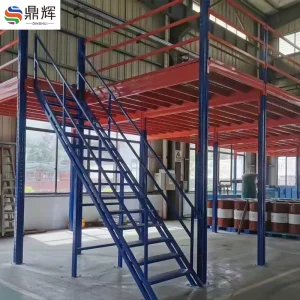
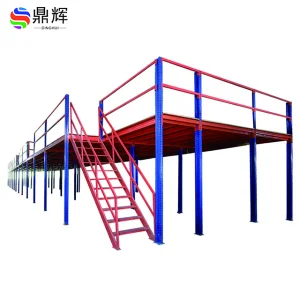
Explore our comprehensive range of structural platforms and integrated attic racking systems.
Answering crucial technical, installation, and compliance questions for Tokyo industrial procurement agents.
 Dinghui Racking