Engineered heavy-duty sliding mold racks, drawer-type die storage systems, and crane-served mould shelving for Novosibirsk factories, Siberian tool rooms, and regional warehouse operators. This white-paper-style guide explains local industrial demand, global procurement trends, specification choices, and how a China-based mold storage rack factory can support Novosibirsk projects with resilient supply, custom engineering, and export-ready quality control.
Sliding drawers, hoist-crane access, corrosion protection, custom dimensions, and load-rated structures for high-value molds, dies, and injection tooling.
These four products are the first factory-direct starting points for buyers comparing heavy-duty mold storage rack factories and a factory serving Novosibirsk. Each configuration can be reviewed for drawer load, extraction length, crane access, warehouse bay width, and corrosion protection.
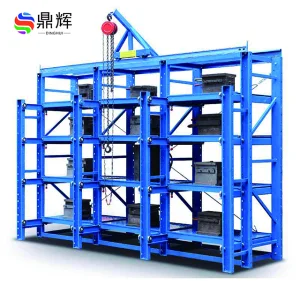
For dense, protected storage of heavy injection molds with removable sliding drawers and workshop-ready mold shelves.
Heavy Duty Removable Drawer Storage Mold Placement Rack Factory Workshop Storage Sliding Mold Rack with Heavy Duty Mold Shelves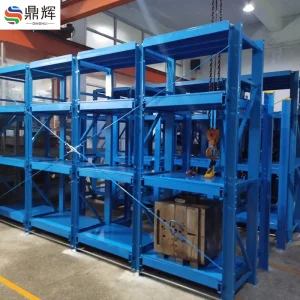
Hoist-crane compatible mould shelving for tall dies, garage-style tool rooms, and steel warehouse mold storage.
Mold Storage Rack Hoist Crane Mould Shelves, Steel Warehouse Rack for Mould/mold Storage Pull In/out Shelves garage shelving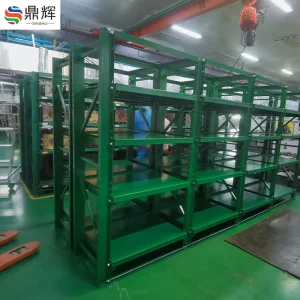
Heavy-duty drawer-type die roller-out racking for injection mold warehouses and high-density storage bays.
Storage Racking Systems Store Shelf Storage Shelves Heavy Duty Drawer Type Die Roller Out Racks Injection Mold Racks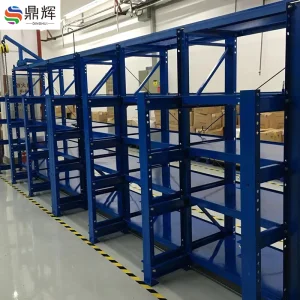
Industrial sliding shelf and mould storage drawer system for tooling, spare molds, and workshop organizers.
Industrial Sliding Shelf/ Mould Storage Sliding Drawer Steel Mould Storage garage shelvingNovosibirsk is not simply a destination on a shipping label. It is one of Siberia’s most important industrial, scientific, and logistics centers, and its factories need storage systems that protect expensive molds from damage, rust, and inefficient retrieval.
As the administrative center of Novosibirsk Oblast and the largest city in Siberia, Novosibirsk supports a broad industrial base that includes machine building, power engineering, metallurgy, chemical and polymer processing, food processing, scientific instrumentation, and regional logistics. Industrial sites in the city and surrounding satellite centers such as Berdsk, Iskitim, Ob, and Krasnoobsk operate within interconnected supply chains that serve Siberia, Kazakhstan, Central Asia, and the wider Russian market. For plants in this network, mold storage is capital-asset management, not a housekeeping detail.
Injection molds, die-casting tools, stamping dies, compression molds, and precision press tooling can represent a major share of a manufacturer’s tooling investment. When these items are stored on the floor, stacked without protection, or retrieved through crowded aisles, the hidden costs multiply: nicks on sealing surfaces, bent ejector pins, rust from condensation, damaged waterways, longer changeover time, and unsafe lifting. A properly engineered mold storage rack creates a controlled vertical storage system that improves access, protects tooling, and uses the existing warehouse footprint more productively.
Novosibirsk’s continental climate adds a specific engineering concern. A mold transported in cold winter air can develop condensation quickly when it enters a warm tool room. Over repeated seasonal cycles, moisture combined with residual polymer, coolant, or dust can accelerate corrosion. Buyers should therefore treat anti-rust coating, drawer design, air circulation, and inspection routines as part of the same storage system. Epoxy electrostatic powder coating is valuable, but it works best when paired with temperature equalization, dry storage practices, and clear maintenance procedures.
Warehouse geometry matters as well. Many Novosibirsk factories and logistics operators work inside existing buildings where bay widths, ceiling heights, sprinkler clearances, crane coverage, and floor load limits are already fixed. A mold storage rack factory serving Novosibirsk must therefore support dimensional customization, load calculations, and practical installation documentation rather than offering only a catalogue-size rack. This is where export experience and engineering communication become as important as steel thickness.
Moving a cold mold into a warm production bay can create condensation within minutes. A rack alone cannot prevent rust. The storage protocol should combine anti-corrosion coating, temperature equalization, air movement, clean mold surfaces, and scheduled inspection after severe temperature swings.
Recommended review: drawer load rating, coating specification, floor anchoring, crane clearance, and seasonal maintenance before finalizing a Novosibirsk mold rack project.
Sliding drawer racks keep heavy injection molds organized by weight, mold number, and retrieval frequency. This reduces forklift dependence and protects precision surfaces from incidental contact.
Heavy-duty racking for stamping dies and press tooling requires crane access, robust drawer stops, and load-rated structural design. Novosibirsk metalworking plants value safe extraction as much as raw capacity.
Instrument-making, research, and precision engineering teams need clean, protected tool storage. Modular drawers and custom compartments help separate small molds, fixtures, and calibrated tooling.
Packaging molds, food-processing molds, and consumer-goods tooling often require frequent changeovers. A visible, labeled drawer system shortens retrieval time and supports preventive maintenance schedules.
Across manufacturing regions, mold storage is shifting from ad hoc shelving toward engineered racking. The change is driven by safety, tooling value, floor-space cost, labor availability, and the need to support high-mix production.
Factories are using height instead of floor area. Multi-layer mold racks help recover floor space for production, assembly, and logistics while keeping tooling accessible.
Buyers now ask for load ratings, anti-tip design, drawer stops, anchoring guidance, and installation manuals. Safety documentation is part of the purchase decision, not a post-purchase afterthought.
Cold-climate and high-humidity facilities increasingly specify epoxy powder coating, corrosion protection, and easy-clean surfaces. The coating system is matched to the storage environment.
Racks are increasingly planned around mold lists, retrieval frequency, crane coverage, and future expansion. Numbered drawers and consistent labeling improve traceability and maintenance planning.
The search demand around mold storage racks combines supplier discovery, product comparison, application research, and local delivery planning. A serious factory serving Novosibirsk must answer all four layers of intent.
Queries such as “mold storage rack factories”, “factory serving Novosibirsk”, “heavy duty sliding mold rack”, “mould storage rack for injection molds”, and “anti rust mold rack Siberia” reflect different stages of procurement. Some buyers are scanning suppliers; others are comparing drawer load ratings, coating systems, crane compatibility, or shipping routes to Siberia. The commercial winner is usually the supplier that provides clear engineering answers before the quotation stage.
Global procurement teams increasingly evaluate total cost of ownership rather than unit price alone. For a Novosibirsk plant, the calculation may include tooling damage risk, changeover downtime, labor safety, forklift use, floor-space value, maintenance access, and spare-parts availability. A rack that costs slightly more but improves retrieval speed and protects a high-value die can be the lower-cost decision over its service life.
Demand is also shaped by manufacturing structure. Automotive suppliers, appliance manufacturers, packaging converters, electronics producers, and industrial equipment makers are managing more product variants and faster changeovers. This increases the number of molds and dies that must be stored without blocking production. In parallel, 3PL providers, regional distributors, and warehouse operators need flexible racking that can accommodate mixed tooling sizes and customer-specific storage rules.
For Novosibirsk and the wider Siberian Federal District, logistics planning is part of the buying decision. Confirmed freight routes, export packing, container loading plans, and documentation quality matter because a rack system is a capital project, not a parcel shipment. Buyers should ask for current lead times, packing details, and installation guidance before committing to a factory order.
Illustrative decision weighting for planning discussion, not a statistical survey. Each Novosibirsk project should define its own technical and commercial priorities.
These factory-direct options support customized dimensions, corrosion protection, heavy drawer loads, and crane-served tool rooms for Novosibirsk industrial projects.
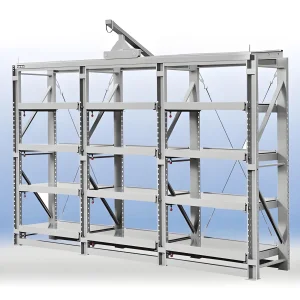
Custom dimensions and corrosion protection for Siberian warehouse layouts and drawer-based mould racking systems.
Customized Size Heavy Duty Steel Mold Rack Storage with Corrosion Protection Drawer Mould Racking System garage shelving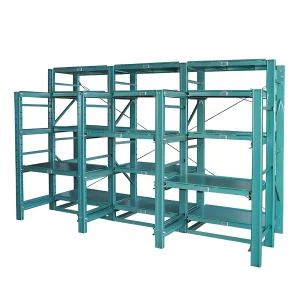
Industrial workshop rack with epoxy electrostatic powder coating and heavy-duty drawer capacity for demanding tool rooms.
Industrial Workshop Corrosion-Protected Steel Sliding Mold Rack Shelf 4 4 Epoxy Electrostatic Powder Coating 1000kg/drawer garage shelving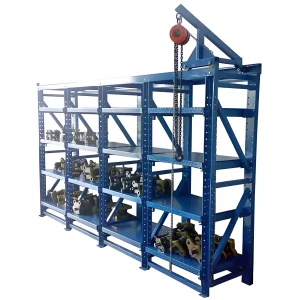
Heavy-duty industrial rack for automotive stamping dies with anti-rust features and robust workshop storage.
Heavy Duty Industrial Mold Storage Rack for Automotive Stamping Dies Durable and Anti-Rust Feature garage shelving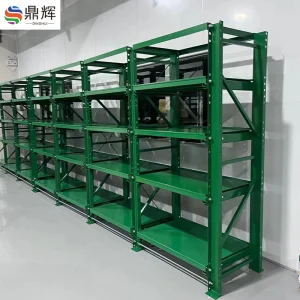
Semi-extraction or full-extraction steel mold stand options for crane-served tool rooms and efficient mold retrieval.
High Quality Semi-extraction/full Extraction Steel Mold Stand ManufacturerA mold storage rack factory serving Novosibirsk needs more than low-cost steel. It needs stable material supply, controlled coating, documented quality checks, export packing, and engineering responsiveness. China’s advanced rack manufacturing ecosystem brings these capabilities together.
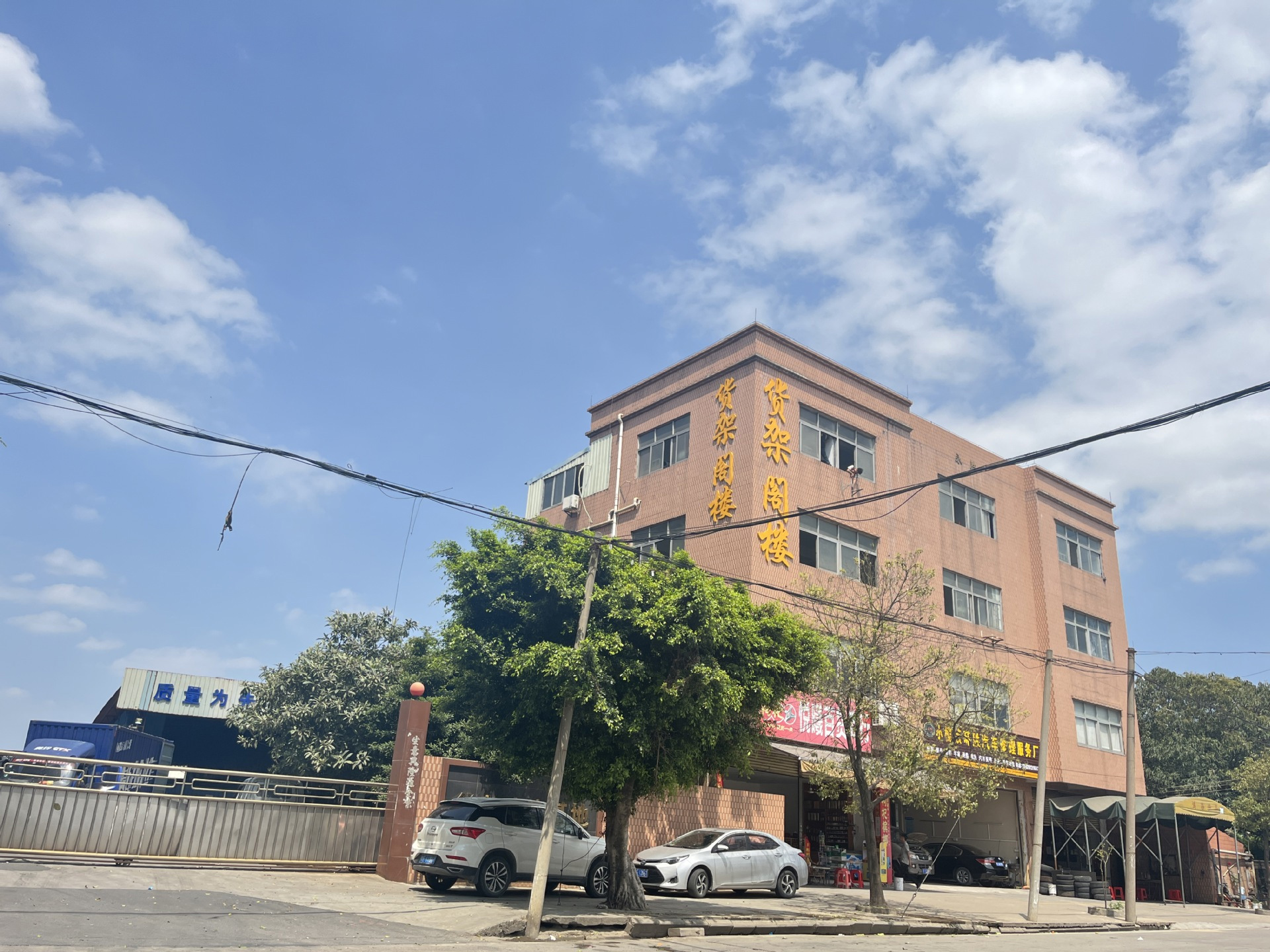
Foshan Dinghui Intelligent Warehousing Technology Co., Ltd., established in 2015, is a leading manufacturer specializing in heavy-duty industrial storage racks, pallet racking systems, and automated warehouse solutions. Spanning a modern manufacturing base of 38,000 square meters, we bring together 12 years of industry experience and 8 years of direct global export expertise, generating an annual export revenue of over $25 million USD.
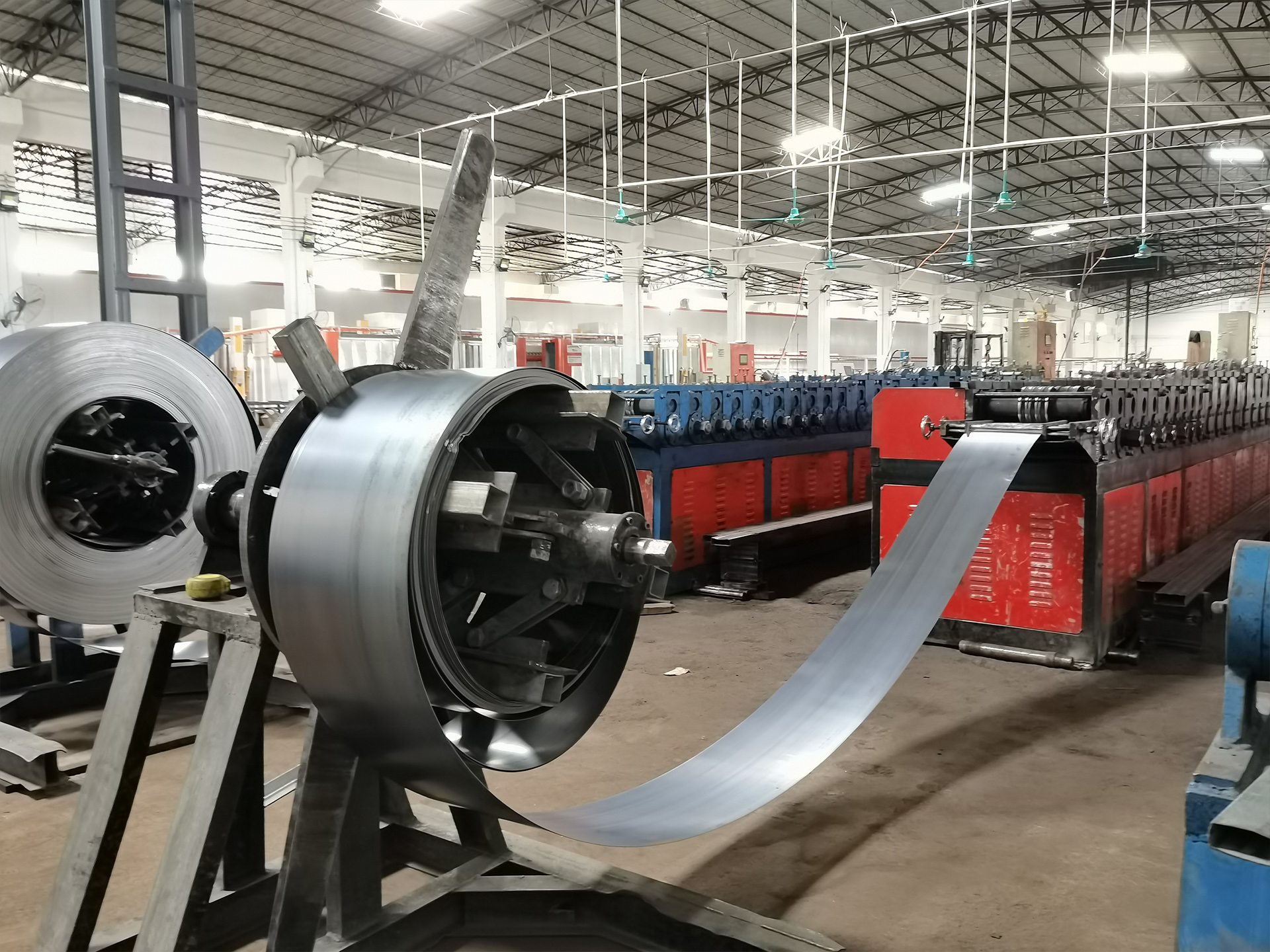
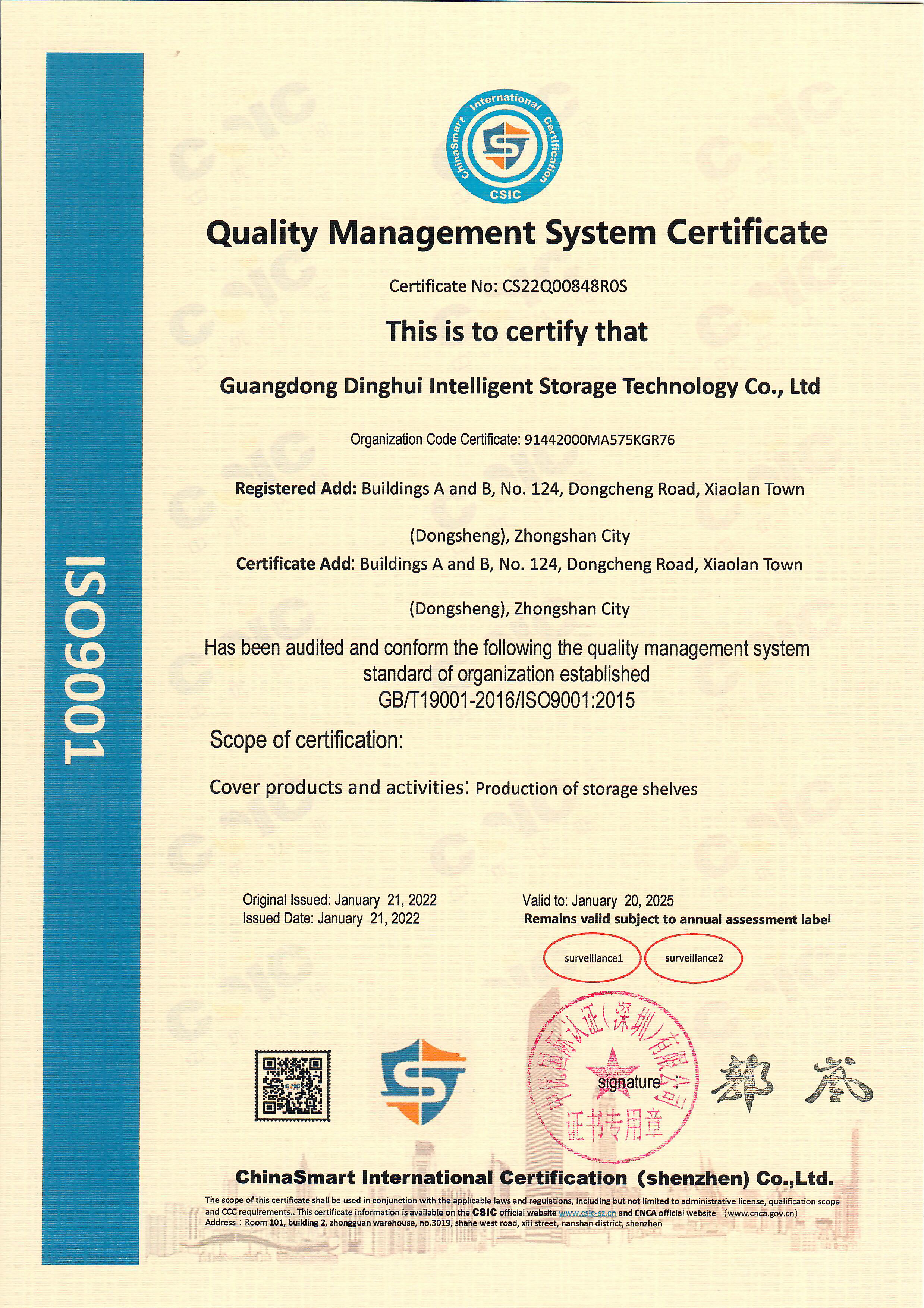
Equipped with advanced automated roll-forming and powder-coating production lines, our quality control procedures adhere to rigorous ISO 9001 and CE certification standards. We implement comprehensive product testing protocols, including raw material tensile testing, structural load-bearing simulation, powder coating adhesion tests, and weld non-destructive inspection (NDI). Supported by a dedicated 35-member QA/QC team, we ensure that every racking component strictly meets international safety and durability standards.
Operating with a strong international OEM/ODM trade background, our primary markets span North America, Europe, Southeast Asia, and the Middle East. Backed by a robust network of over 850 reliable supply chain partners, we serve a diverse global client base, including 3PL logistics providers, industrial warehouse operators, e-commerce fulfillment centers, and regional distributors.
Innovation and custom engineering drive our success. Supported by 18 experienced senior R&D engineers, we offer extensive OEM/ODM customization options, including tailored load capacities, custom dimensions, seismic-resistant structural design, special powder-coating finishes, and automated system integration. Driven by continuous technical improvement, we successfully launched 45 new product designs and structural upgrades last year, empowering our global partners to optimize their warehouse efficiency.
For Novosibirsk buyers, the practical advantage of a Factory 4.0 approach appears in the details: repeatable roll-formed profiles, controlled powder coating, documented material tests, consistent export packing, and engineering communication before production. These factors reduce the risk of site-fit problems, coating damage, missing components, and unpredictable installation delays. They also make it easier for distributors, OEM buyers, and industrial project teams to compare quotations on a like-for-like basis.
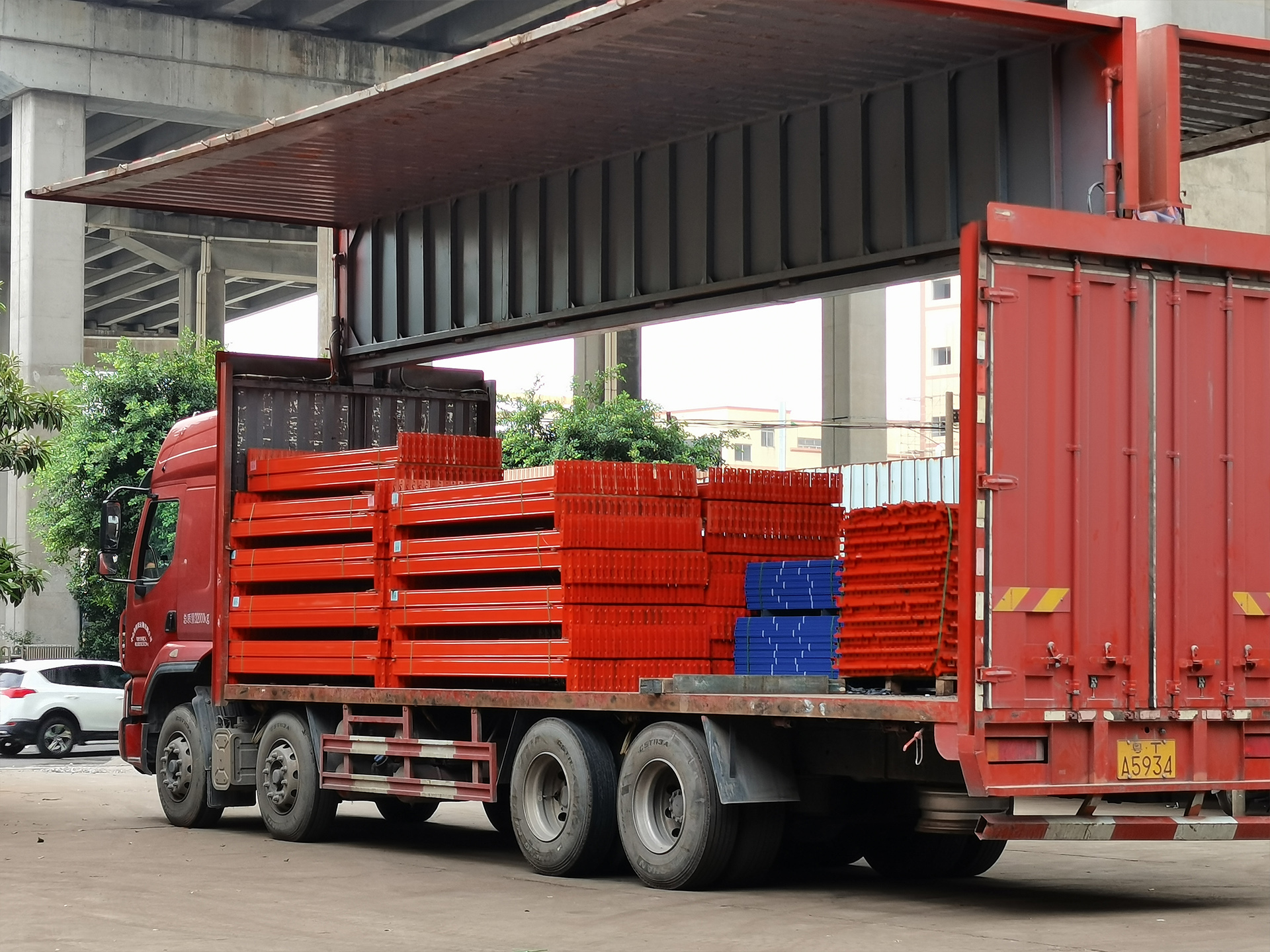
Supply-chain resilience is not only about production capacity. It is also about redundancy in fasteners, steel profiles, coating materials, packaging, and logistics coordination. A manufacturer that serves North America, Europe, Southeast Asia, the Middle East, and regional Siberian projects must be able to schedule production across different specifications and shipping deadlines. That export discipline is especially valuable for a factory serving Novosibirsk, where documentation, packing quality, and route planning affect the total project timeline.
A successful mold rack project starts with accurate tooling data and realistic operating assumptions. The following engineering checklist helps Novosibirsk buyers compare factories and avoid costly site-fit surprises.
Confirm mold weight, handling equipment, drawer extension length, and load distribution. Do not evaluate static capacity alone; account for repeated retrieval, impact, and floor conditions.
Full extraction may improve crane access and inspection, while semi-extraction can save aisle space. Choose based on crane location, bay width, and the size of the heaviest mold.
For Novosibirsk’s cold and fluctuating climate, specify epoxy electrostatic powder coating and a maintenance protocol. Protect machined surfaces and waterways separately.
Heavy tooling creates concentrated point loads. Review slab strength, flatness, anchor design, and installation tolerances with the building owner or structural engineer.
Check hook height, sling space, drawer opening, and operator access. A rack that is structurally strong but impossible to load safely is not an efficient design.
Request packing drawings, component labels, fasteners lists, and installation guidance. Long-distance projects benefit from clear documentation and spare-part planning.
Start with a complete mold list: footprint, height, weight, crane requirement, retrieval frequency, and special handling notes. Group molds by weight and frequency, then test layouts against bay width, aisle clearance, and vertical clearance. A useful planning ratio is to reserve capacity for future molds rather than filling every drawer on day one.
Information-gain tip: ask the factory for a drawing with drawer load zones, extraction direction, anchor points, and crane-served loading positions before approving the quotation.
These answers address common commercial, technical, and logistics questions from Novosibirsk buyers comparing heavy-duty mold storage rack solutions.
A mold storage rack is an engineered shelving or drawer system for storing injection molds, dies, and tooling safely. It protects expensive molds from damage, improves retrieval speed, reduces floor clutter, and supports safer crane or hoist handling in Novosibirsk tool rooms and warehouses.
Yes. A suitable factory project should confirm mold dimensions, weight, drawer extraction, crane clearance, floor conditions, and aisle width before production. Custom dimensions, drawer load ratings, colors, coating specifications, and labeling options can be engineered for the project.
Sliding drawers bring the mold outward so the crane hook or hoist can access lifting points more safely. The rack design must account for drawer extension, hook height, sling clearance, and the operator’s working position, not only the static load rating.
Epoxy electrostatic powder coating is commonly specified for industrial storage racks. For Novosibirsk’s seasonal temperature swings, buyers should also plan temperature equalization, clean and dry molds before storage, air circulation, and periodic inspection of machined surfaces and coating integrity.
Configurations can be engineered for different drawer and rack loads based on application. Buyers should provide mold weight, handling method, extraction length, and usage frequency. A 1000 kg/drawer class product may be suitable for some tool rooms, while heavier tooling requires specific engineering review.
Lead time depends on customization, production scheduling, export packing, and the selected freight route. Buyers should request a written production plan and confirm current rail, road, or multimodal options with their freight forwarder before committing to installation dates.
Export packing typically includes component labeling, protective wrapping, bundled profiles, fastener packs, and loading plans. For long routes to Siberia, clear packing lists and installation documentation help reduce site delays and missing-part issues.
They are useful indicators of quality management and market compliance. Buyers should still request project-specific documents such as material specifications, coating details, load calculations where applicable, inspection records, and packing lists.
Start with a complete mold list and group by footprint, height, weight, and retrieval frequency. Calculate usable bays after allowing for crane access, aisles, future capacity, and safety clearances. A practical layout avoids filling every drawer on day one.
Yes. OEM/ODM support can include custom dimensions, load capacities, powder-coating finishes, structural design review, labeling, and export packaging. Distributors and regional project teams can request drawings, product data, and customization guidance through the inquiry channel.
Explore additional heavy-duty drawer racks, boltless sliding mold racks, anti-rust warehouse shelves, and customized mold storage systems for Novosibirsk factories and distributors.
Send Inquiry Now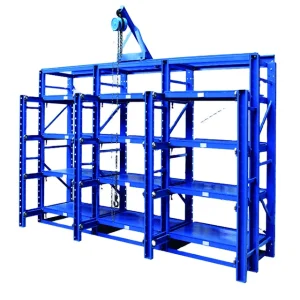
Industrial sliding shelf and mold rack with drawer access for steel mold storage.
Industrial Sliding Shelf / Mold Rack Sliding Drawer Steel Mold Rack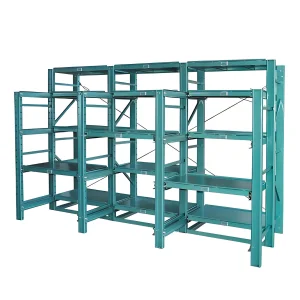
Metal storage shelves and heavy-duty mold storage racks for mixed tooling and warehouse use.
Multi Functional Mould Racking Systems Metal Storage Heaby Duty Shelves Mold Storage Racks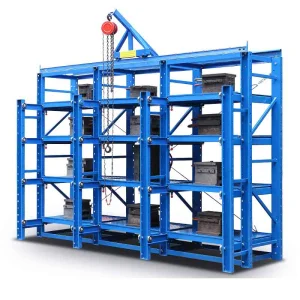
Cold rolled steel boltless sliding mold rack with removable drawer and anti-rust corrosion protection.
Industrial Heavy Duty 5-Layer Cold Rolled Steel Boltless Sliding Mold Rack Anti-Rust Corrosion Protection Removable Drawer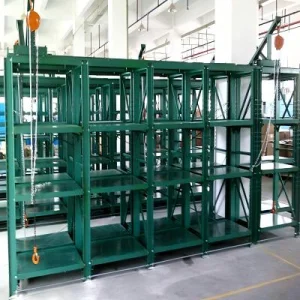
Multi-level anti-rust powder-coated drawer-type warehouse rack shelves for organized storage.
Cold Rolled Steel Multi-Level Anti-Rust Corrosion Protection Powder Coated Drawer-Type Warehouse Rack Shelves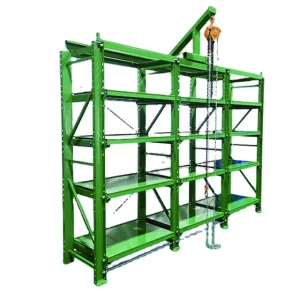
Warehouse storage drawer racking for all kinds of molds with customized garage shelving options.
Heavy Duty Warehouse Storage Drawer Racking Storage All Kinds of Moulds Customized garage shelving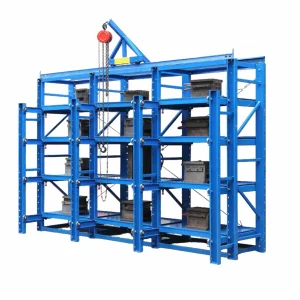
Multiple layers, corrosion protection, drawer design, and boltless installation for warehouse use.
Multi Layer Steel Mold Storage Rack with Corrosion Protection and Drawer Design for Warehouse Use Boltless InstallationMulti-layer steel mold storage rack with drawer design and corrosion protection for warehouse projects.
Multi Layer Steel Mold Storage Rack with Corrosion Protection and Drawer Design for Warehouse Use Boltless InstallationHeavy-duty warehouse drawer racking for mixed molds and customized storage requirements.
Heavy Duty Warehouse Storage Drawer Racking Storage All Kinds of Moulds Customized garage shelving Dinghui Racking