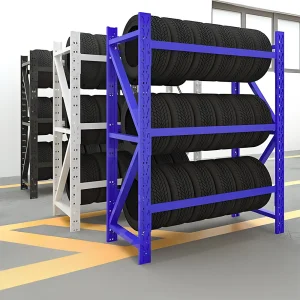
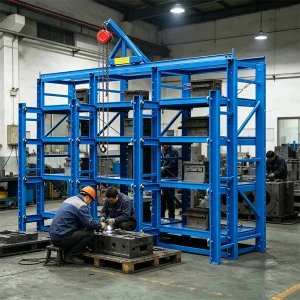
Our top heavy-duty racking configurations deployed across major South Korean logistics terminals, ports, and smart distribution hubs
Analyzing the demands of the Capital Metropolitan Area (Incheon, Gyeonggi, and Seoul Proper)
Seoul and its surrounding Gyeonggi province form one of the most densely populated economic zones globally. Land acquisition and warehouse construction costs in areas such as Incheon Port Logistics Zone and Yongin-Icheon logistics hubs are at an all-time high. For automotive manufacturers, tier-1 suppliers, and global tire distribution networks (including Hankook, Kumho, and Nexen operations), maximizing cubic warehouse space is not just an optimization goal—it is a critical financial imperative.
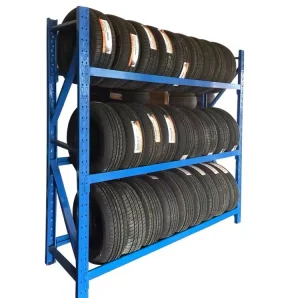
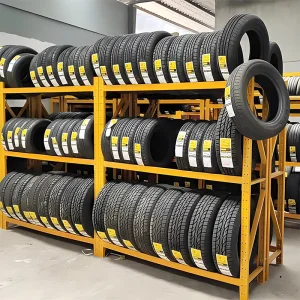
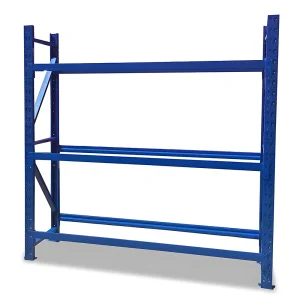
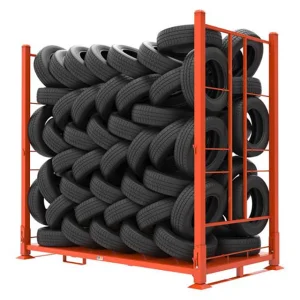
Standard floor storage or low-density shelf storage systems fail to leverage vertical space, resulting in elevated per-unit storage overheads. Our customized heavy-duty tire storage racks are engineered to scale vertically, allowing operators to build storage heights up to 12 meters with structural integrity. By transitioning to high-density modular stackable racks and drive-in pallet configurations, Seoul logistics facilities can double or triple their SKUs without expanding their physical footprint.
South Korea is at the vanguard of the electric vehicle (EV) revolution. EV tires, due to heavy battery packs, are wider, denser, and significantly heavier than standard internal combustion engine (ICE) tires. Consequently, traditional shelving systems are prone to structural deformation. Our engineering team designs rack structures using high-tensile Q235B and Q355B structural steel, specifically configured to bear heavy static loads associated with heavy-duty EV tire pallets.
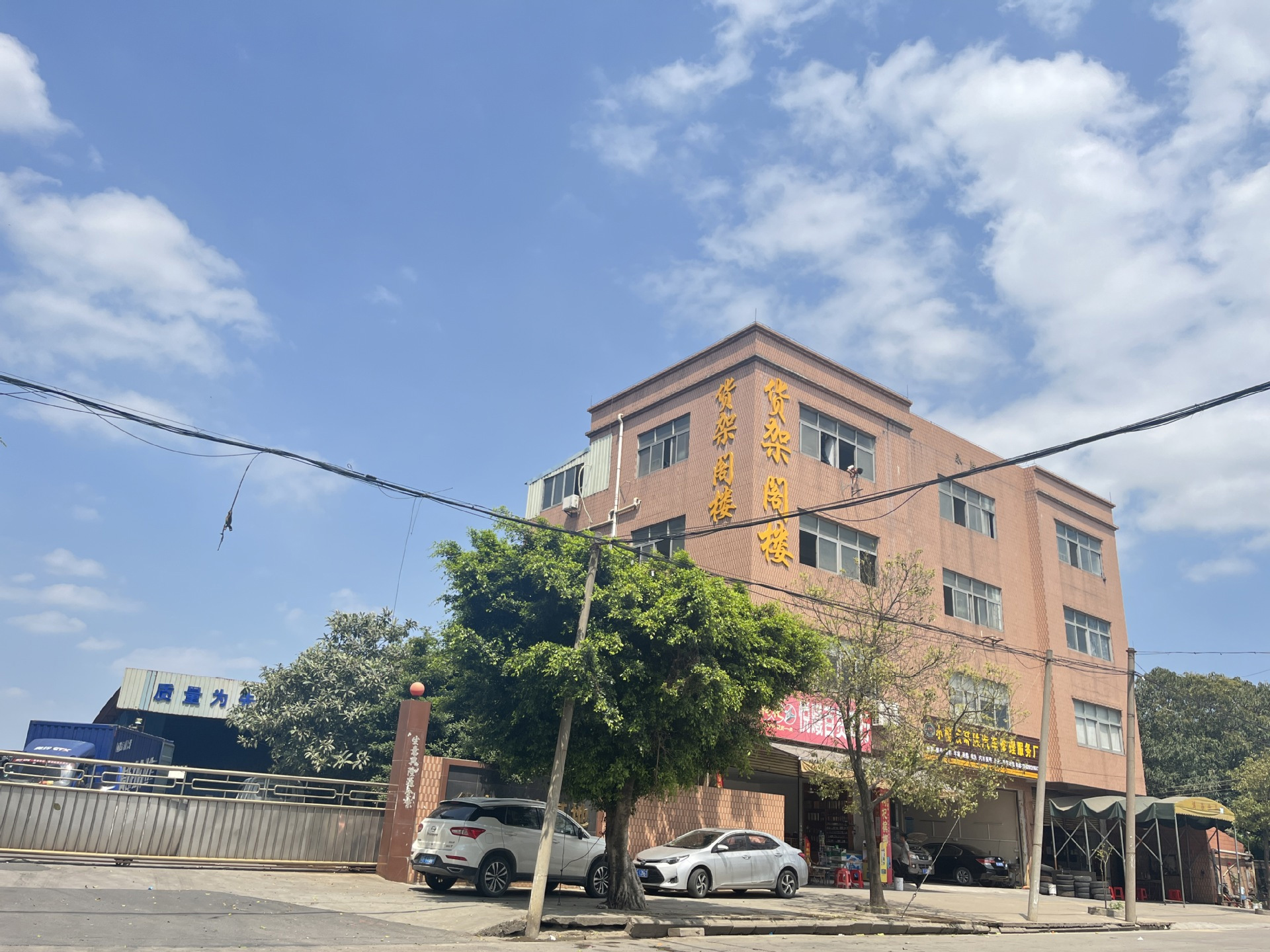
Modern Manufacturing Base
Annual Global Export Value
Heavy Industrial Racking Experience
Senior R&D Structuring Engineers
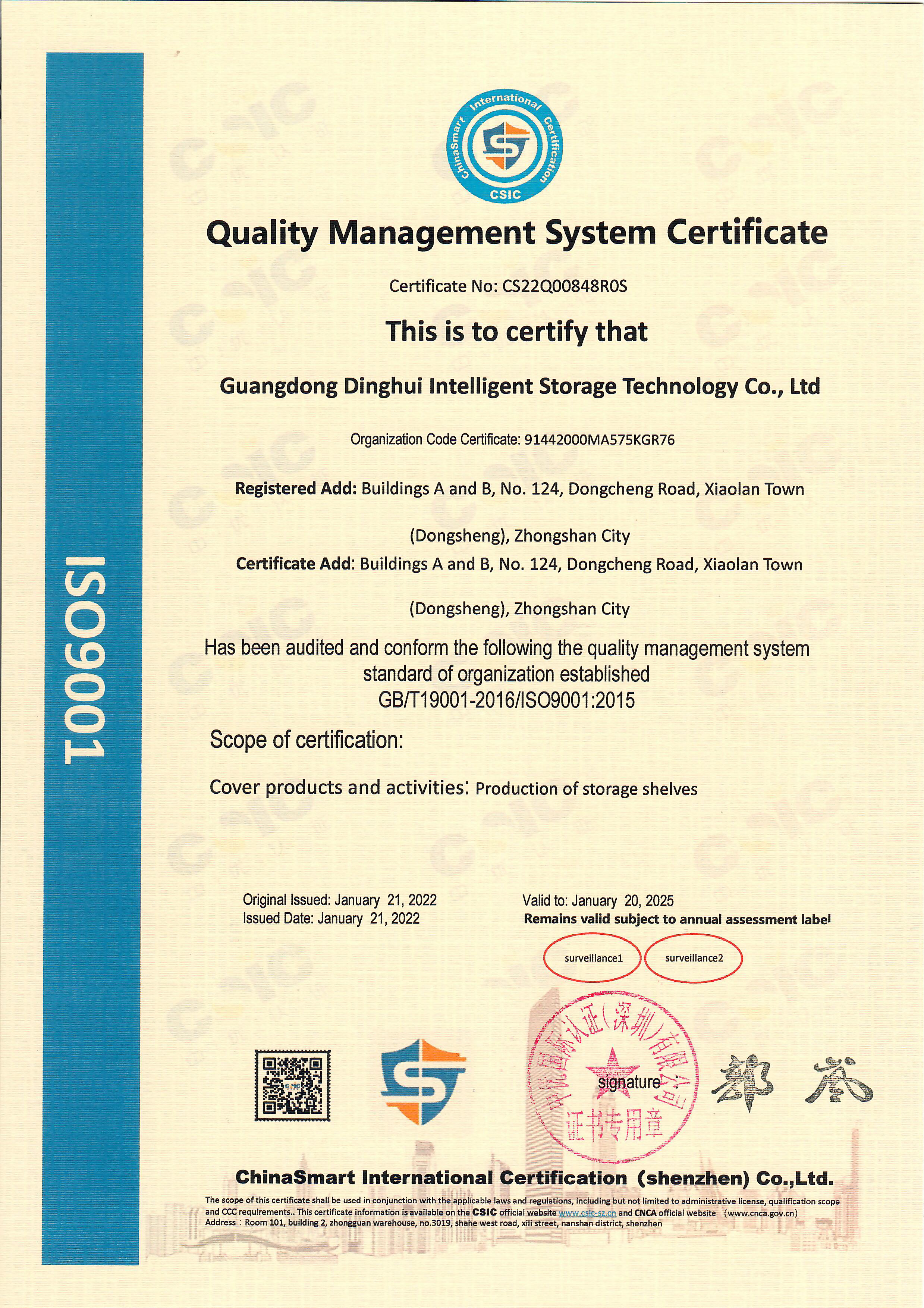
Meeting international standards for high-load warehouse racking configurations
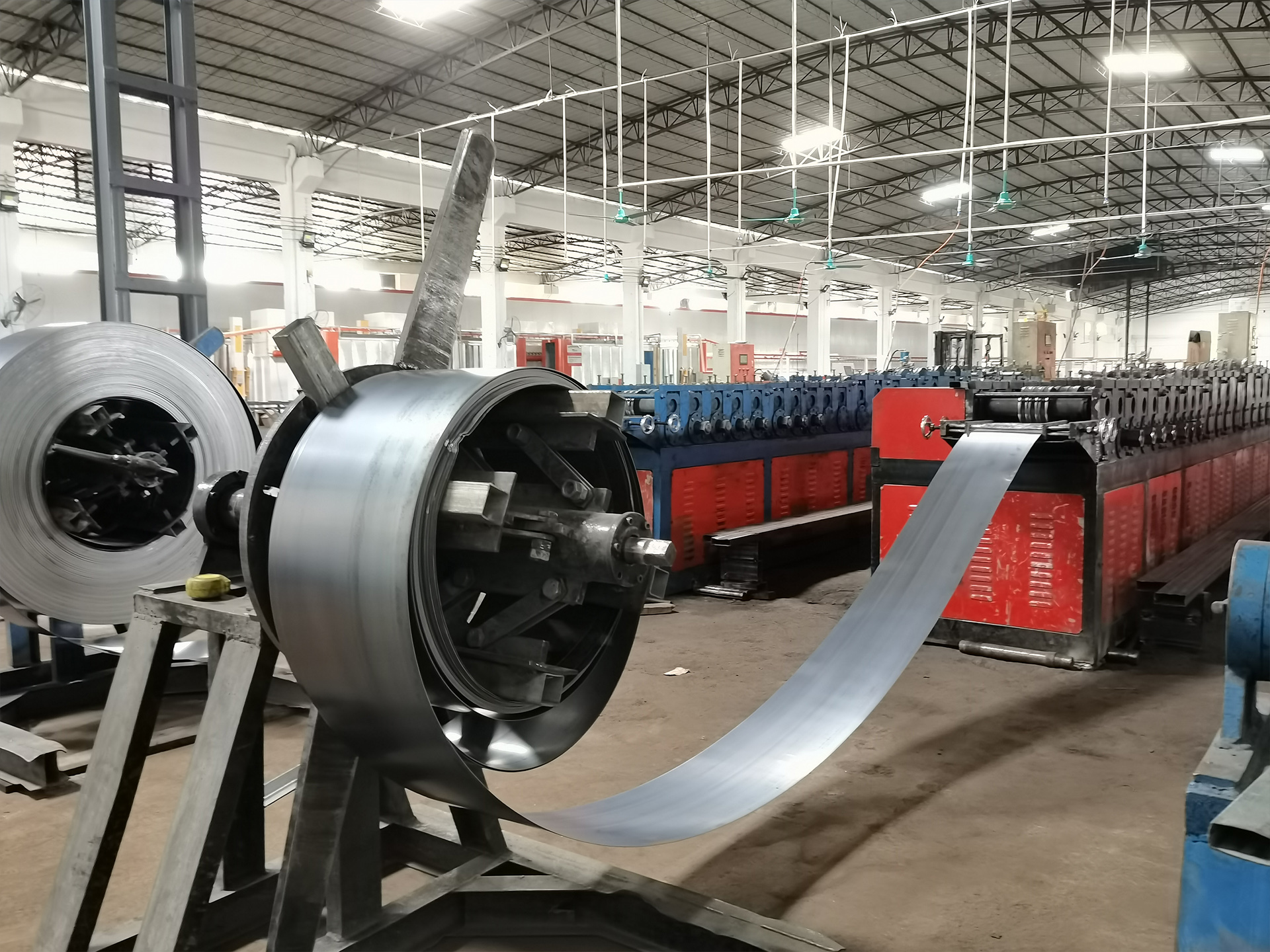
At Foshan Dinghui Intelligent Warehousing Technology Co., Ltd., we recognize that structural failures in high-bay tire storage facilities can lead to disastrous material loss and workplace safety hazards. Therefore, we source our hot-rolled and cold-rolled steel coils exclusively from tier-1 steel mills. Each batch of raw material undergoes mechanical and chemical properties analysis before entering our roll-forming lines.
Our quality control department consists of a 35-member QA/QC specialist team implementing key inspection steps:
"Quality compliance in South Korea is extremely strict. Our engineering department ensures all structural designs conform to both KBC (Korean Building Code) requirements and international standards like ISO 9001 and CE."
Successfully exporting to the South Korean industrial market requires more than just manufacturing capabilities. Racking projects in Seoul, Incheon, and Busan must align with local fire prevention protocols (including overhead sprinkler clearance and water flow obstruction rules) and labor safety guidelines established by the Korea Occupational Safety and Health Agency (KOSHA).
Foshan Dinghui provides comprehensive compliance support, supplying detailed CAD layouts, load-distribution blueprints, and documentation required for local engineering sign-offs. Our modular steel racking units feature fire-rated spacing configurations and automated sprinkler integration paths. Additionally, our corrosion-protected systems (featuring hot-dip galvanized finishes or thick powder coating) withstand the coastal salinity variations experienced at port terminals in Incheon.
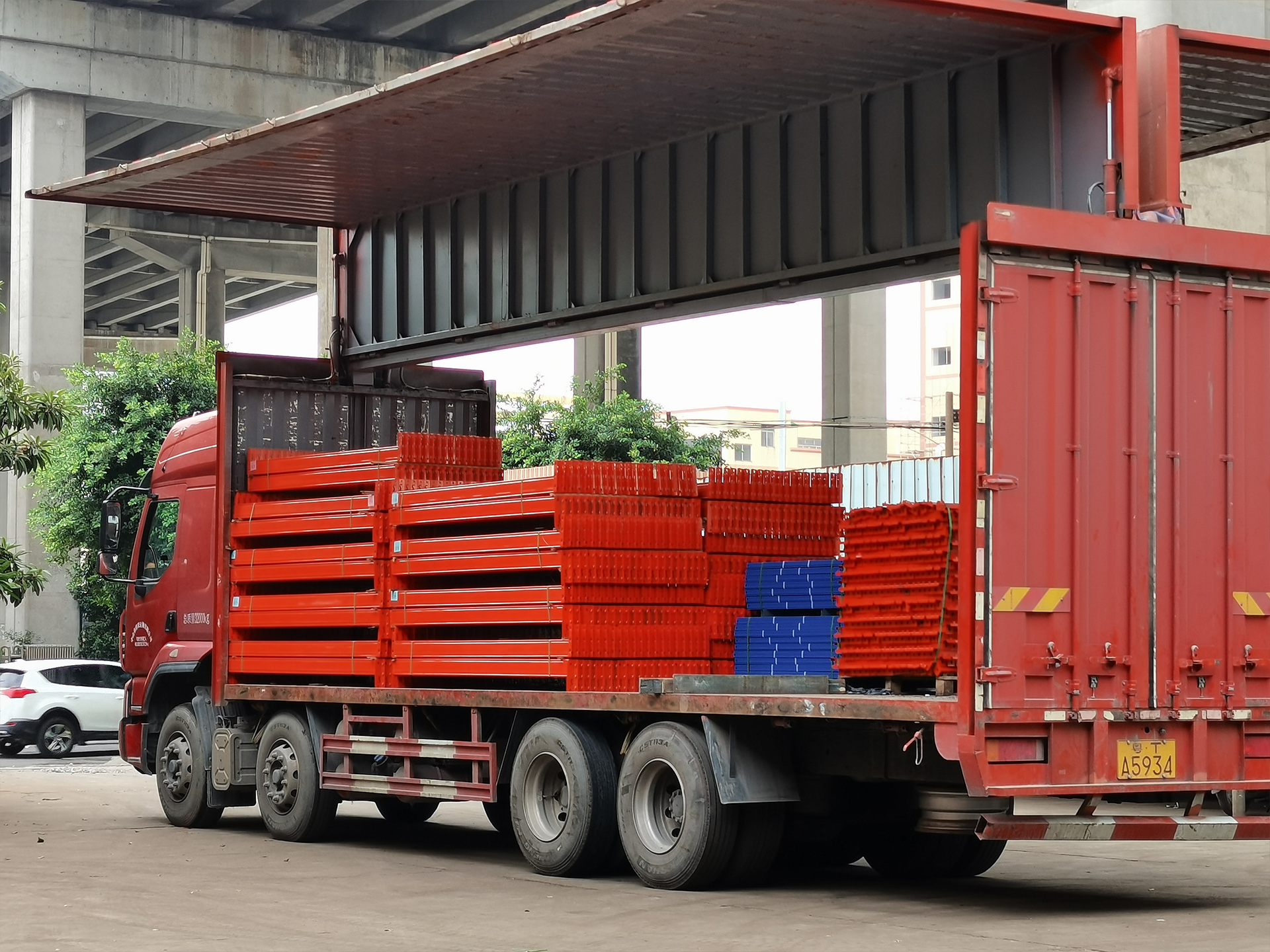
Foshan Dinghui’s strategically located production facility in Guangdong province enjoys direct access to global shipping corridors. By optimizing structural components for maritime freight packaging, we reduce container volume and lower total landed costs. Shipping from Qingdao, Shanghai, or Shenzhen ports to Incheon Port and Busan Port takes approximately 3 to 5 days, enabling rapid deployment timelines for expanding distribution facilities in Seoul.
Furthermore, our partnership network of over 850 raw material and tooling suppliers allows us to scale production rapidly. Whether your project requires standard stackable racks or fully automated AS/RS tire shelving modules, we maintain stable pricing structures, buffering clients against raw material volatility.
Industrial shelving options customized for mechanical parts, molds, pallets, and multi-tier mezzanine layouts in Seoul
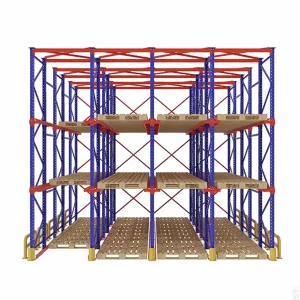
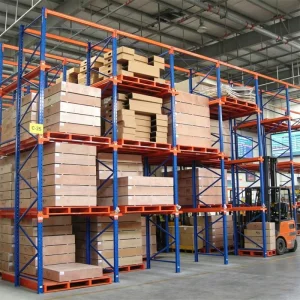
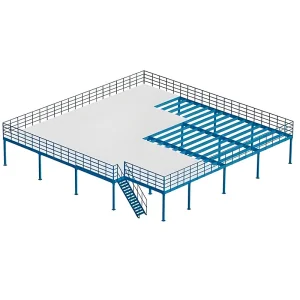
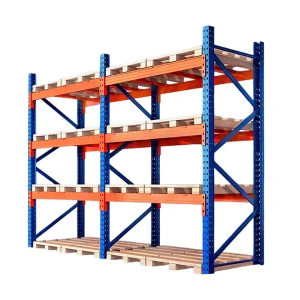
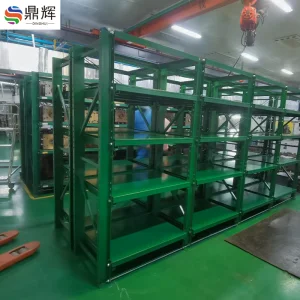
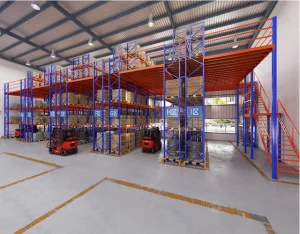
Our manufacturing facility processes and product lines are strictly verified by global standard authorities
 ISO 9001 System Certified
 CE Structural Compliance
Every warehousing space has unique characteristics. Depending on your logistics workflow, we deploy specialized systems designed to optimize operational efficiency:
Our 18 experienced R&D engineers develop bespoke layouts utilizing advanced computer modeling. We offer customized load capacities, seismic baseplates, and modular designs that allow racks to be folded or stacked when not in use, maximizing floor space. For businesses moving towards Smart Factory and Industry 4.0 standards in South Korea, we engineer racking bases designed for seamless integration with Warehouse Management Systems (WMS) and automated storage and retrieval systems (AS/RS).
Technical and regulatory insights for warehouse planners and procurement professionals in Seoul
Optimize your warehouse storage efficiency in Seoul with professional space planning and heavy-duty, compliant racking configurations. Contact our structural engineering division for direct factory pricing and custom CAD layout proposals.
Send Inquiry Now Dinghui Racking