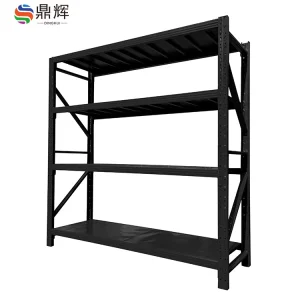
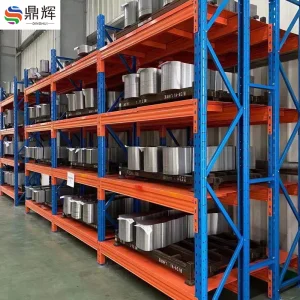
High-performance structural racking configurations, mezzanine systems, and gravity flow channels designed to integrate with modern automated warehouse networks.
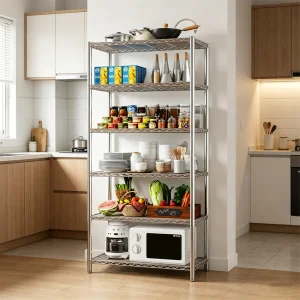
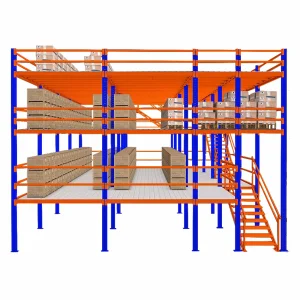
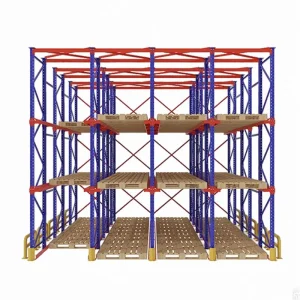
Global supply chain demands are moving away from linear bulk warehousing. Traditional stacker cranes and static storage footprints no longer meet the spatial density or structural agility requirements of modern industrial units. The integration of 4-Way Shuttle Storage Systems (four-way radio shuttle AS/RS) represents the next stage of warehousing evolution. Unlike standard storage configurations, a 4-way shuttle travels along both longitudinal and lateral rails, facilitating seamless SKU sorting, cross-lane transitions, and vertical level switching through intelligent vertical lift networks.
By decoupling the processing mechanism (shuttles) from the storage infrastructure (racking tracks), automated warehouses can scale throughput dynamically. To achieve this level of precision, the structural tolerances of the racking framework must match the software parameters of the mechanical shuttles. A deviation of just 2mm in track flatness can disrupt communication sensors, trigger automatic emergency halts, or damage the chassis wheels.
| Parameters | Traditional Stacker Cranes | 2-Way Shuttle Systems | 4-Way Shuttle Systems |
|---|---|---|---|
| Storage Density | Medium-High | High | Maximum (Up to 90% Utilization) |
| Energy Profile | High Draw (Heavy Cranes) | Low-Medium | Ultralow (Battery-Powered + Energy Recovery) |
| Throughput Scalability | Fixed (1 Crane per Aisle) | Limited by Lift Speed | Fully Dynamic (Add Shuttles as Needed) |
| System Redundancy | Single Point of Failure | Moderate | 100% Redundant (Other Shuttles Take Over) |
Procurement directors must look beyond price points. Mechanical precision, raw steel grade integrity, and localized software communication APIs dictate overall program ROI.
High-density shuttle systems bear immense dynamic loads. Leading factories process structural grade steel conforming to regional standards (e.g., European S355MC, Q355B, Q235B). Proper tensile strengths must be documented via mill test reports (MTR) to avoid deflection or bending over decades of heavy operations.
The manufacturing process must guarantee dimensional tolerances within ±0.5mm across vertical columns and horizontal run tracks. Precision tooling lines ensure the shuttle rails do not twist or warp during the installation phase, preventing wheel slippage or docking offset errors.
Environmental resistance is crucial, particularly in cold-storage environments (down to -25°C) or chemical processing plants. Multi-stage chemical pretreatment, followed by electrostatic thermosetting powder coatings or hot-dip galvanizing, safeguards the structural core against oxidation.
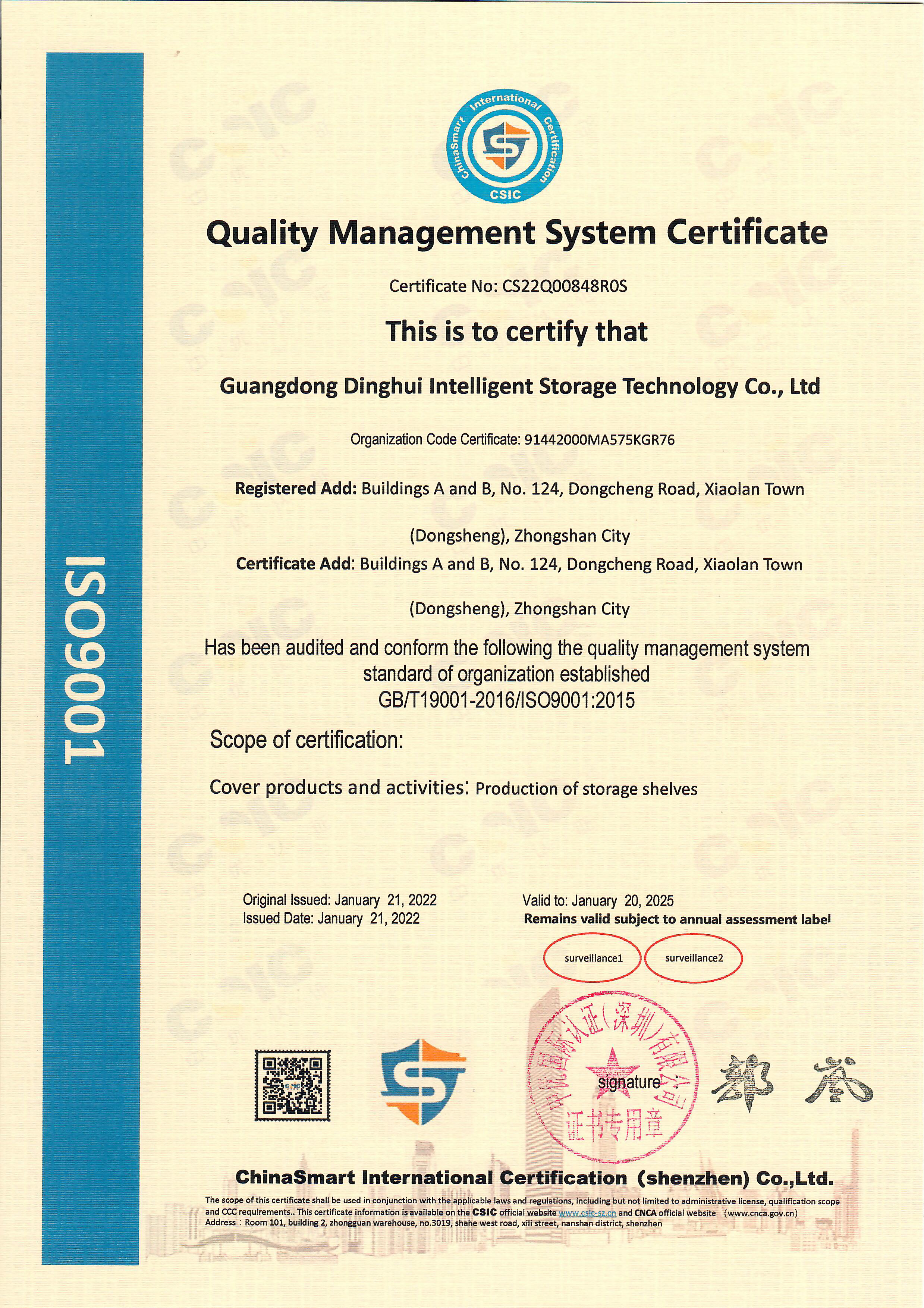
Fully certified under ISO 9001 and CE compliance protocols.
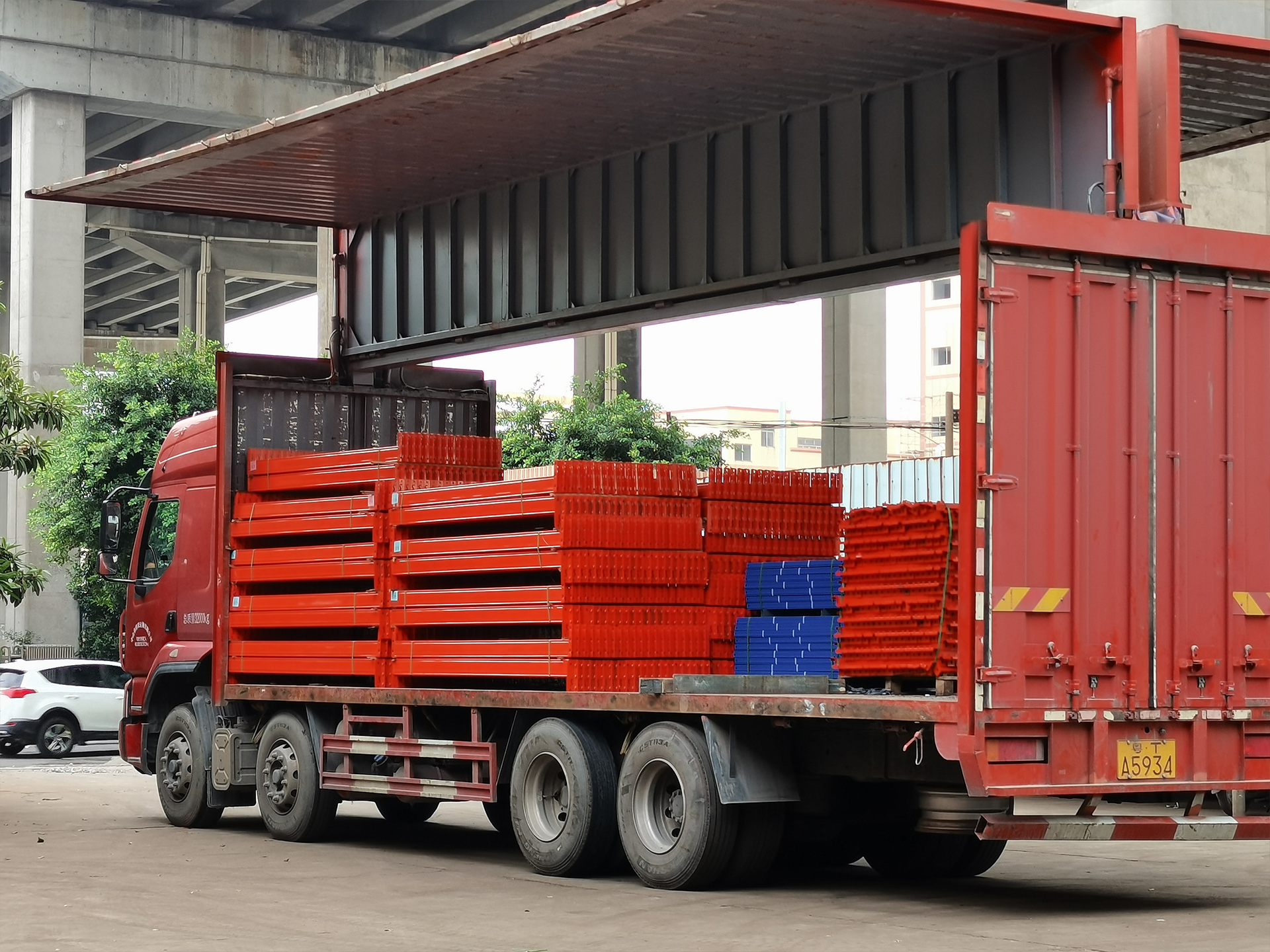
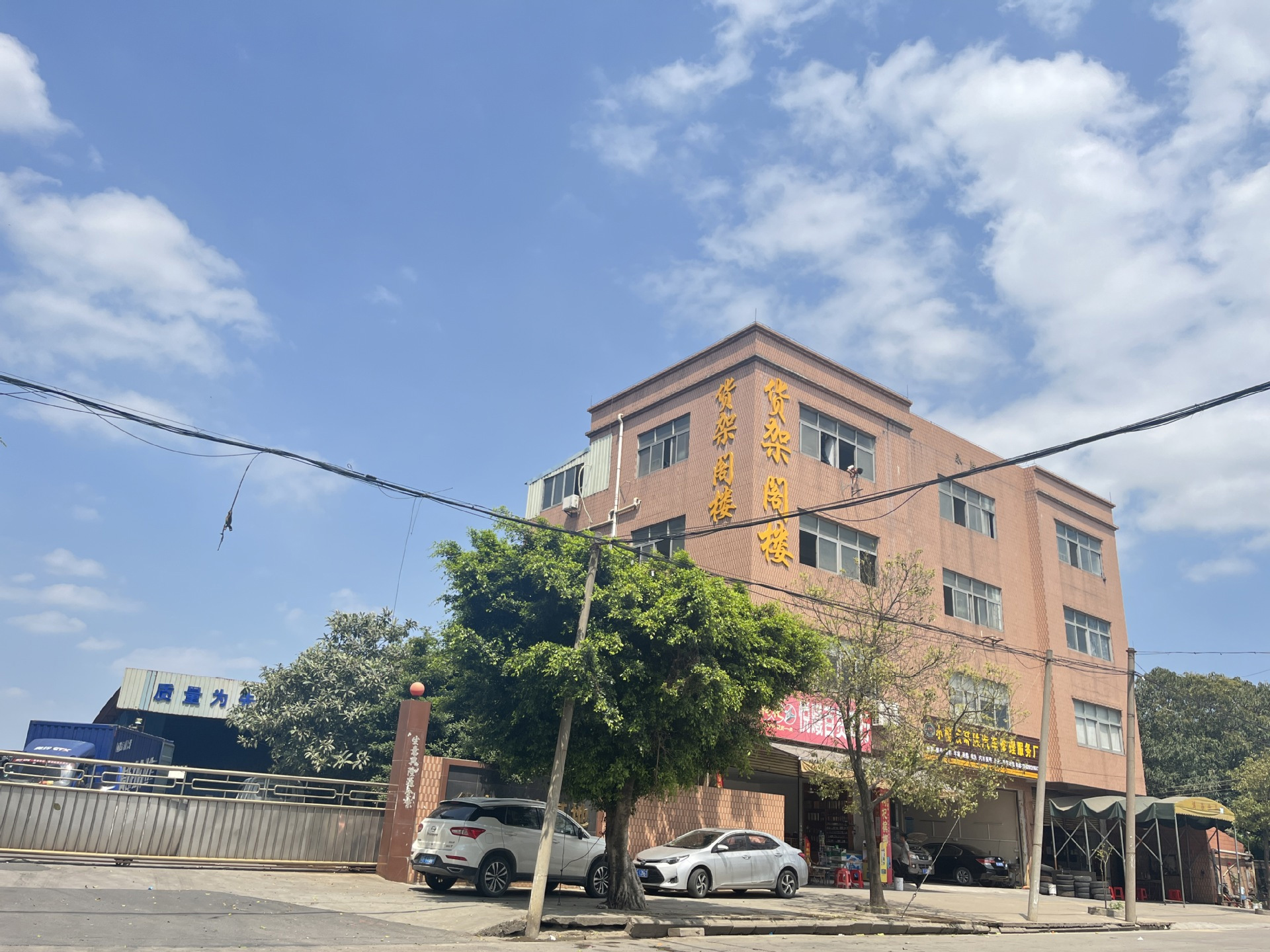
Established in 2015, Foshan Dinghui Intelligent Warehousing Technology Co., Ltd. has positioned itself at the forefront of heavy-duty industrial storage racks, pallet racking configurations, and automated warehouse solutions. Operating out of a state-of-the-art manufacturing plant covering 38,000 square meters, we integrate 12 years of industry experience and 8 years of direct global export expertise, generating an annual export revenue that exceeds $25 million USD.
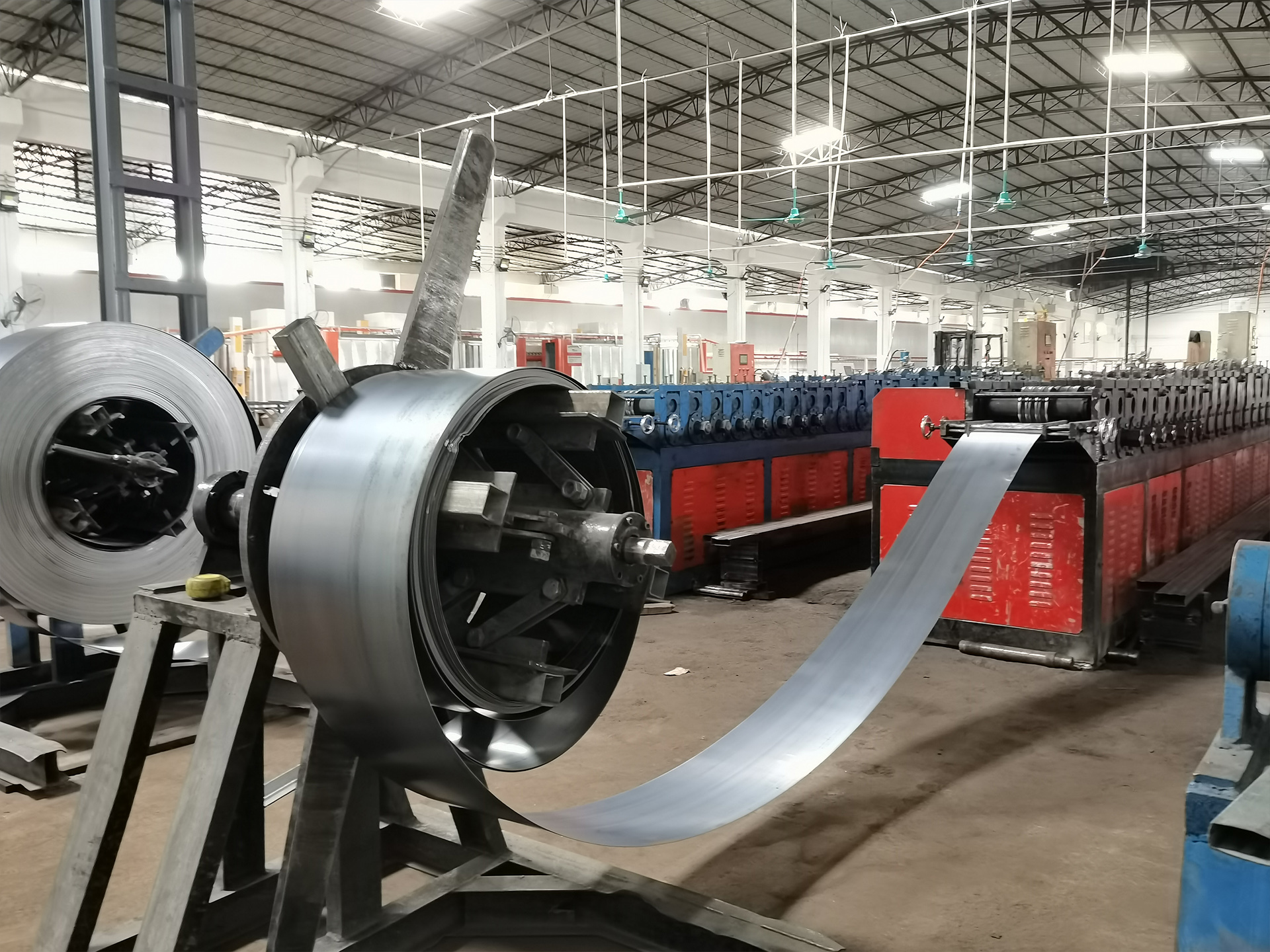
Equipped with advanced automated roll-forming and powder-coating production lines, our quality control procedures adhere to rigorous ISO 9001 and CE certification standards. We implement comprehensive product testing protocols, including raw material tensile testing, structural load-bearing simulation, powder coating adhesion tests, and weld non-destructive inspection (NDI). Supported by a dedicated 35-member QA/QC team, we ensure that every racking component strictly meets international safety and durability standards.
Driven by continuous technical improvement and supported by 18 experienced senior R&D engineers, we offer extensive OEM/ODM customization options. These include tailored load capacities, custom dimensions, seismic-resistant structural design, special powder-coating finishes, and automated system integration. We successfully launched 45 new product designs and structural upgrades last year, empowering our global partners to optimize their warehouse efficiency.
Integrating vertical capabilities within single economic zones provides key structural and financial advantages for global supply chains.
China's key manufacturing hubs (e.g., Foshan, Guangdong) benefit from complete downstream supply integration. From structural sheet steel rolling mills to CNC machining departments and automation chip programmers, local collaboration guarantees streamlined prototype testing and rapid bulk production runs.
Automated manufacturing infrastructure, high-efficiency robotic welding lines, and optimized chemical plating workflows reduce production costs. Sourcing managers can redeploy this capital savings toward larger fleets of shuttle shuttles or sophisticated software optimization platforms.
Proximity to deep-water ports (such as Shenzhen and Guangzhou) allows factories to manage complex flat-packed shipping methods. The rack assemblies are bundled, crated, and shipped directly to destination ports, mitigating damages and optimizing ocean container capacity.
Deploying automated machinery within warehouse footprints requires adherence to strict safety and building codes. Standard structural racks are subject to static loading equations, but 4-way shuttle racking must handle structural loads, horizontal acceleration, braking torque forces, and high-frequency vibrations.
Racking configurations must comply with local engineering requirements, including:
The automated shuttle vehicle must meet electrical and machinery safety standards, including CE Markings, UL 508A for industrial control panels, and functional safety standards such as ISO 13849-1. This ensures built-in obstacle laser scanners, thermal cutoff switches, and emergency-stop features operate correctly.
Automated shuttle racking systems must be engineered with heavy baseplates, specialized anchor bolts, and custom back bracing. In seismic zones, structures are reinforced to dissipate lateral kinetic energy, ensuring automated systems remain operational during seismic events.
"Foshan Dinghui's internal R&D department utilizes advanced Finite Element Analysis (FEA) software to model stress points, fatigue life, and dynamic frequencies. This ensures structural calculations meet or exceed structural guidelines in the target country."
One of the primary challenges for overseas buyers of automated systems is managing local installation, system startup, and ongoing maintenance. A high-density racking system requires close collaboration between the rack manufacturer, the shuttle software engineering team, and the local installation crew.
Leading Chinese manufacturing exporters address this challenge by partnering with regional systems integrators and engineering firms in the United States, Europe, Australia, and the Middle East. This localized approach provides buyers with:
Traditional warehouses can operate on standard industrial concrete floors. In contrast, 4-Way Shuttle operations require floors conforming to DIN 18202 (Class 4) or ACI F-Min specifications.
Uneven concrete slabs create structural lean. When static structures lean, automated shuttles experience higher wheel wear, sensor alignment faults, and variable braking distances. Experienced factories provide early consulting support, working directly with concrete contractors to ensure proper foundation quality.
Where does the deployment of a 4-Way Shuttle system deliver the highest return on investment?
Cold storage facilities incur high operating costs. Utilizing 4-way systems minimizes open air volume, allowing operators to maximize space utilization. All mechanical components, electrical lubricants, and sensor modules are rated for temperatures down to -25°C.
E-commerce operations process high volumes of mixed SKUs. Fast turnaround times require dynamic slotting. 4-way shuttles retrieve pallets from deep storage corridors and deliver them to sorting decks, supporting rapid fulfillment cycles.
Manufacturing assembly plants require structured buffer zones for raw materials and sub-assemblies. 4-way systems act as buffer storage, feeding parts directly to assembly lines via automated material handling networks.
Expert technical answers addressing engineering, software, and mechanical integration queries.
A 2-way shuttle moves back and forth within a single lane, relying on forklifts to change aisles. A 4-way shuttle can travel in all directions, using lateral rails to change lanes and lift systems to change levels without forklift intervention, enabling fully automated, high-density storage.
We use CNC roll-forming lines to manufacture rails with tolerances within ±0.5mm. Specialized connection hardware and adjustable bases ensure the rails remain flat, preventing shuttle travel faults.
Generally, no. Standard racking cannot support the weight, dynamic braking forces, or alignment tolerances required by 4-way systems. However, existing warehouse footprints can be replaced with a purpose-built automated system.
The system requires a Warehouse Control System (WCS) to coordinate shuttle traffic, integrated with a Warehouse Management System (WMS) via APIs to manage inventory levels, order routing, and SKU positions.
Most shuttles use lithium iron phosphate (LiFePO4) batteries or supercapacitors. Shuttles automatically return to dedicated charging stations in the racking system during low-demand periods, supporting continuous operation.
Shuttles are equipped with obstacle-detection lidar sensors, contact bumpers, emergency stop triggers, and wheel-slip monitors. These features protect warehouse personnel and avoid collisions with other equipment.
Systems can be deployed in facilities with heights starting around 6 meters. However, return on investment is maximized in high-bay structures from 12 to 24 meters, where vertical storage space can be fully utilized.
We build safety walkways, maintenance platforms, and remote recovery vehicles into the racking design. These allow technicians to access and recover stranded shuttles safely.
For sub-zero environments, we use hot-dip galvanized steel or specialized low-temperature powder coatings. These finishes resist condensation and corrosion in cycling temperatures.
Depending on land costs, labor rates, and throughput requirements, most operators see a full return on investment within 2 to 4 years. This is driven by space savings, lower labor costs, and reduced product damage.
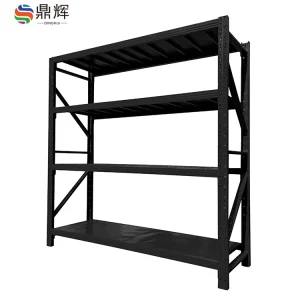
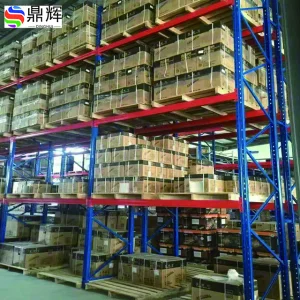
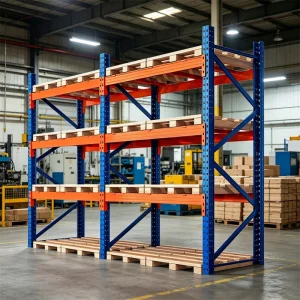
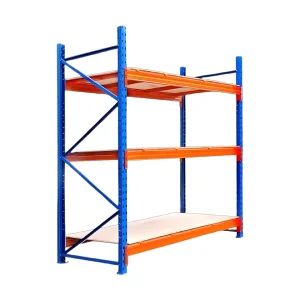
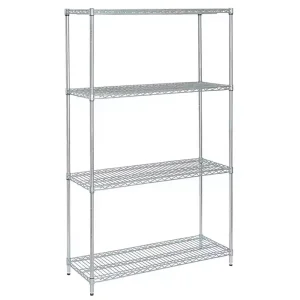
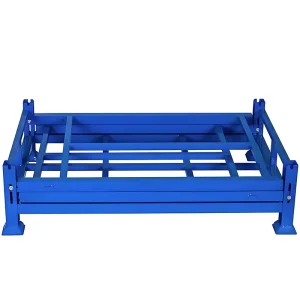
Our complete line of industrial racks, adjustable shelving, and heavy-duty structural components supports diverse warehousing needs.
 Dinghui Racking