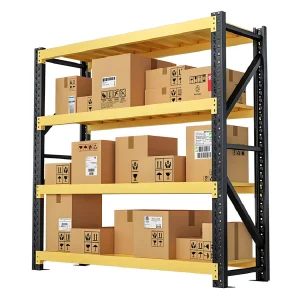
Engineered for maximum payload density, structural longevity, and compliance with dynamic loading safety protocols.
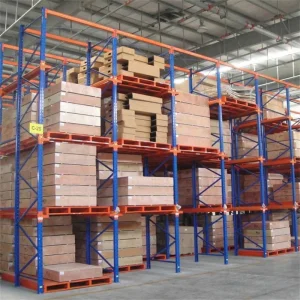
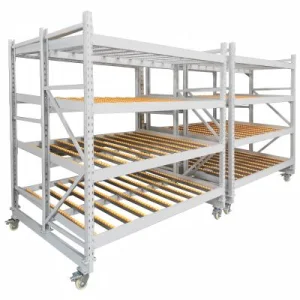
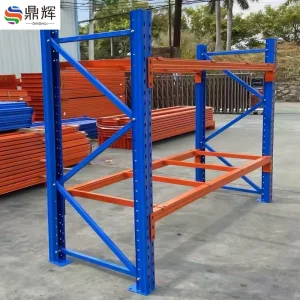
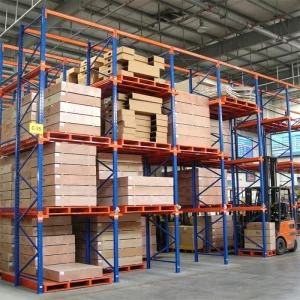
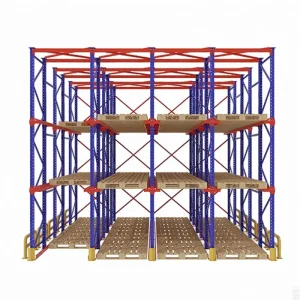
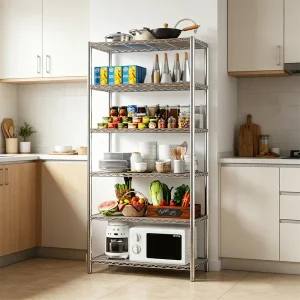
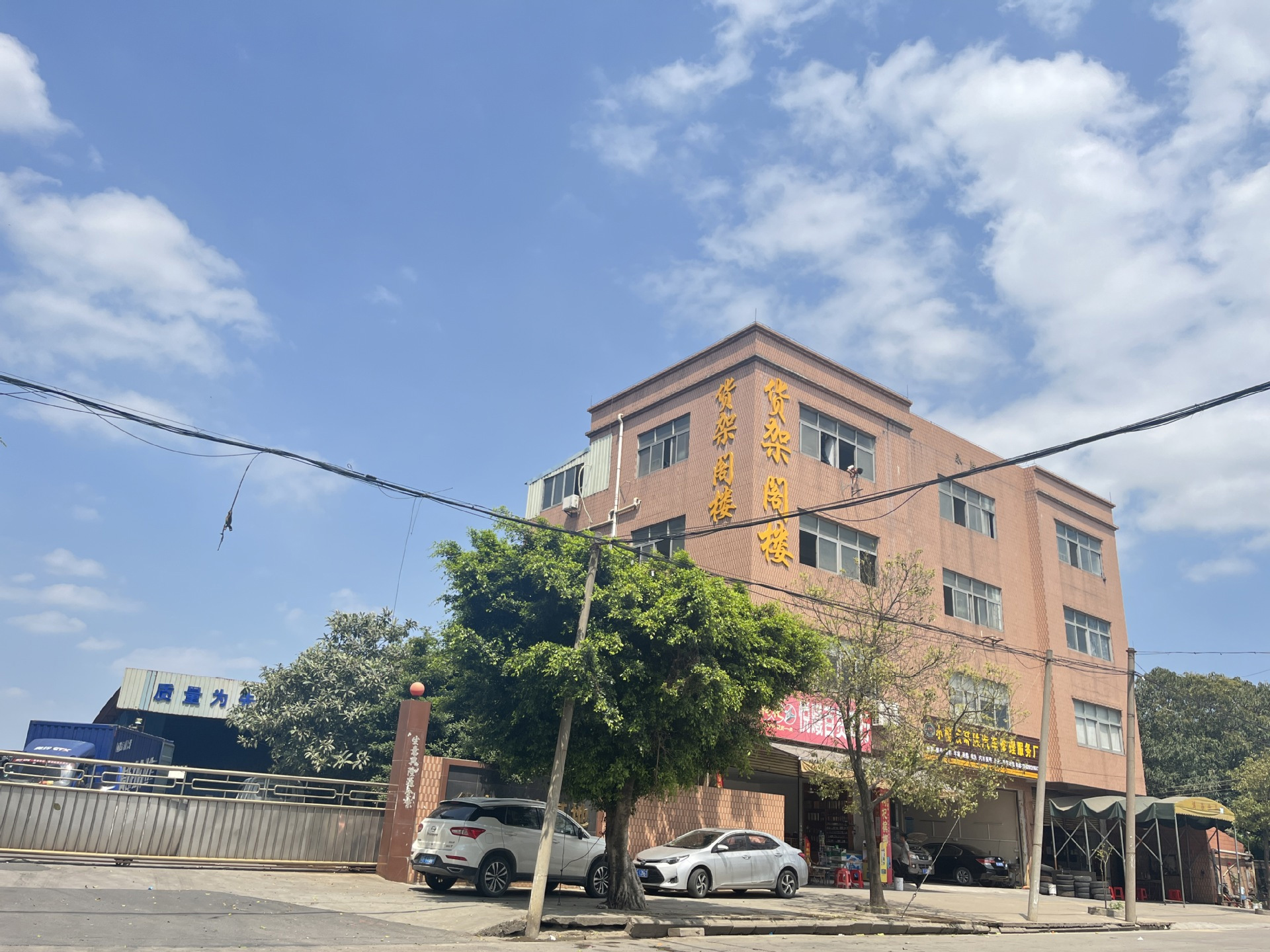
Established in 2015, Foshan Dinghui Intelligent Warehousing Technology Co., Ltd. is a leading manufacturer specializing in heavy-duty industrial storage racks, pallet racking systems, and automated warehouse solutions. Spanning a modern manufacturing base of 38,000 square meters, we bring together 12 years of industry experience and 8 years of direct global export expertise, generating an annual export revenue of over $25 million USD.
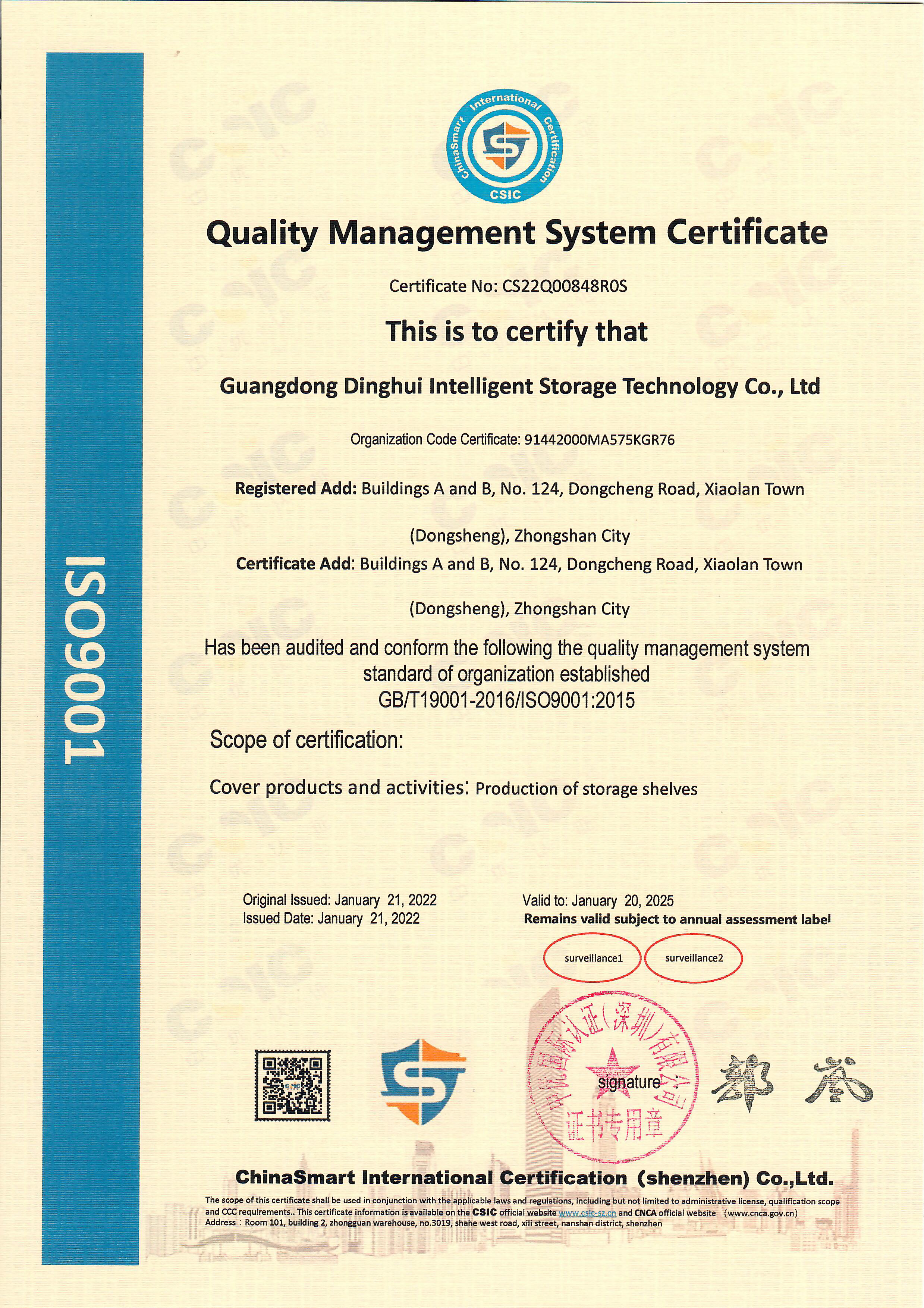
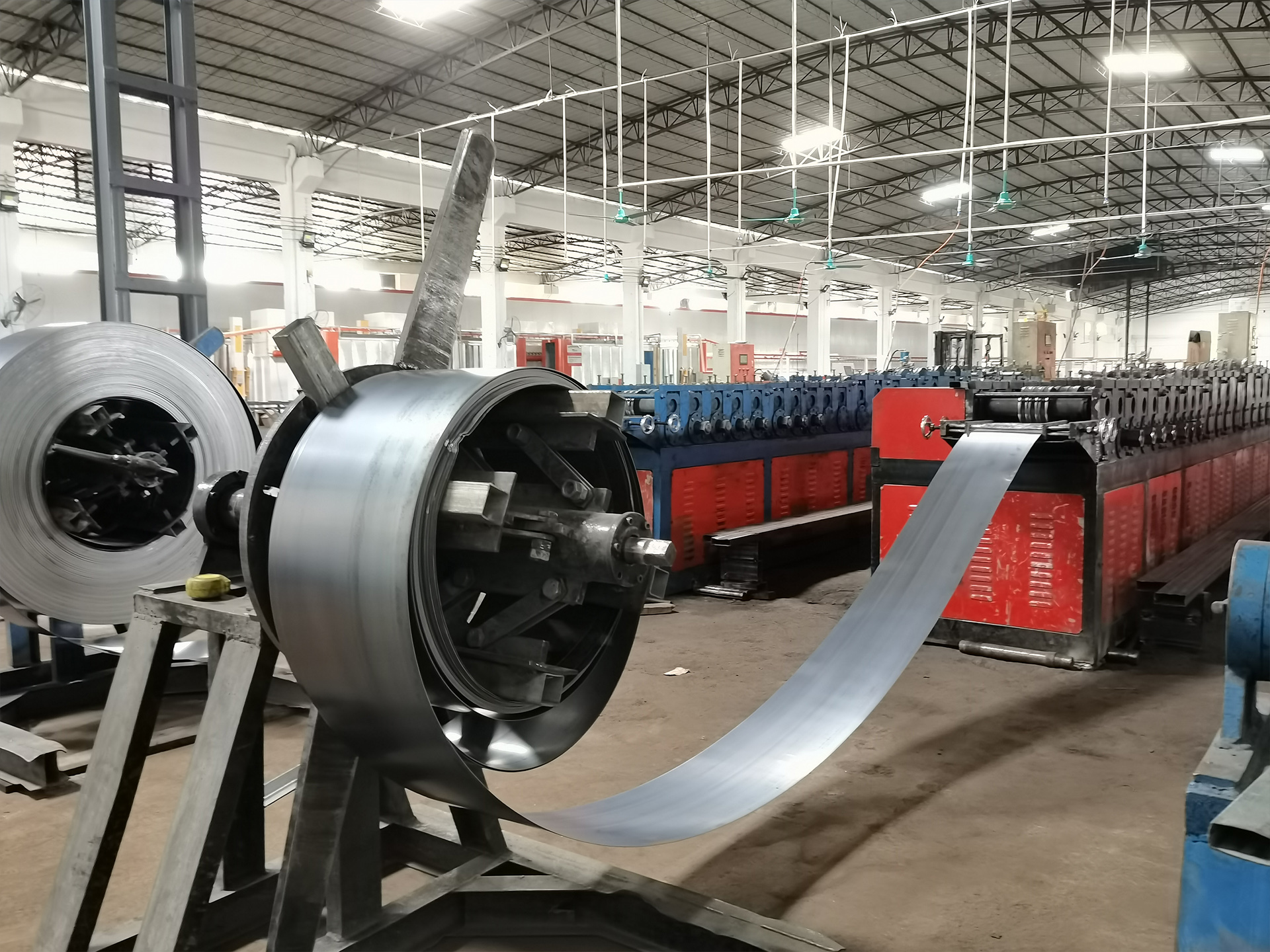
Equipped with advanced automated roll-forming and powder-coating production lines, our quality control procedures adhere to rigorous ISO 9001 and CE certification standards. We implement comprehensive product testing protocols, including raw material tensile testing, structural load-bearing simulation, powder coating adhesion tests, and weld non-destructive inspection (NDI). Supported by a dedicated 35-member QA/QC team, we ensure that every racking component strictly meets international safety and durability standards.
Operating with a strong international OEM/ODM trade background, our primary markets span North America, Europe, Southeast Asia, and the Middle East. Backed by a robust network of over 850 reliable supply chain partners, we serve a diverse global client base, including 3PL logistics providers, industrial warehouse operators, e-commerce fulfillment centers, and regional distributors.
How structural steel fabrication, IoT connectivity, and green metallurgy are changing industrial spatial architecture.
The logistics, fulfillment, and heavy manufacturing sectors are undergoing rapid digital transformation. Industrial storage configurations are transitioning from static, passive storage units into dynamic nodes of the warehouse automation matrix. The next five years will represent a paradigm shift in steel design, metallurgy, and material tracing.
By leveraging advanced cold-rolling processes, manufacturers can reduce dead-weight without compromising vertical load capacities. Integrating structural steel grades such as Q355B and Q420 enables slimmer profiles that maximize volumetric efficiency while satisfying the strict bending stress allowances of structural calculations.
Modern distribution hubs demand structural integrity data in real-time. Smart platform racks incorporate strain-gauge sensors and fiber-optic Bragg gratings (FBG) into uprights and beams. This allows warehouse managers to monitor local deflection, dynamic loading stress, and detect seismic anomalies before structural failure occurs.
Standard pallet racking systems must interface with Automated Guided Vehicles (AGVs) and Autonomous Mobile Robots (AMRs). Deflection limits are decreasing from traditional L/240 values down to L/400 or L/600 to satisfy the millimeter-level tolerances of robotic retrieval systems.
As pharmaceutical and frozen food e-commerce expands, racking must perform at sub-zero temperatures (-30°C). Deep-galvanized structures (HDG) and advanced thermosetting polyester-epoxy hybrid powder coatings provide critical protection against cold-condensation-induced rust.
Tailoring spatial architectures to specific supply chain demands, compliance landscapes, and operational profiles.
| Industrial Sector | Predominant Racking Architecture | Critical Engineering Challenge | Solution Metric & ROI |
|---|---|---|---|
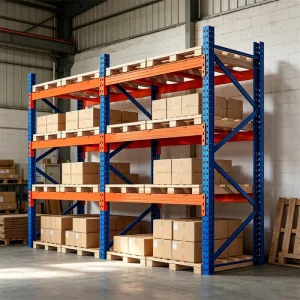
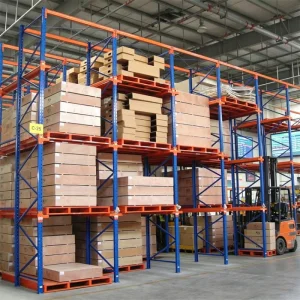
| Third-Party Logistics (3PL) | Adjustable Selective Pallet Racking / Double-Deep Systems | High SKU variety requiring rapid beam reconfiguration | Boltless beam connectors with safety pins; increases storage density by 40% |
| Cold-Chain Storage | Drive-In / Mobile Shuttle Systems | Sub-zero temperature embrittlement and high energy footprint | Special low-temperature carbon steel (e.g., Q345E) with certified Charpy impact values |
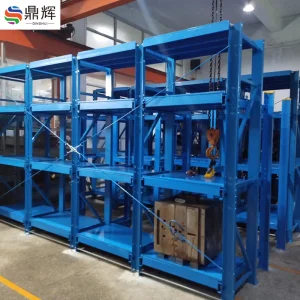
| Automotive Parts & Heavy Die | Mold Storage Drawers / Heavy-Duty Cantilever Racks | Ultra-heavy concentrated point loading; crane operations | Non-destructive weld testing (NDI) and automated safety mechanical locks |
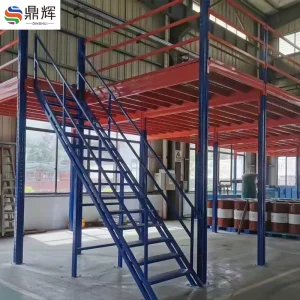
| E-Commerce Fulfillment | Multi-Tier Steel Mezzanines / Selective Multi-Level Platforms | High-velocity foot traffic, compliance with fire-suppression codes | Perforated steel decking for sprinkler penetration; high structural stability |
To achieve maximum operational efficiency, a warehouse must deploy the correct racking geometry. For instance, in heavy-die storage, using conventional pallet racks for 3-ton dies represents a major safety hazard. Deploying Foshan Dinghui's Mold Storage Rack Hoist Crane Shelves mitigates risk by utilizing a roll-out drawer design and integrated hoist support systems, reducing mold change times and protecting personnel.
Industrial efficiency is dictated by the velocity and transparency of the supply chain. Foshan Dinghui's 38,000-square-meter facility utilizes Industry 4.0 production principles. Advanced automated roll-forming equipment forms structural profiles directly from high-grade steel coils with sub-millimeter tolerances.
Quality control at Foshan Dinghui is built on rigorous verification stages:
Navigating complex international regulations to guarantee safe installations and permit approvals.
Racking structures represent structural steel assemblies and are subject to building codes, occupational safety regulations, and seismic guidelines. An exporter must deliver compliant documentation to facilitate local engineering review and permit approvals.
Foshan Dinghui guarantees compliance across several regulatory regions:
Uncertified racking systems can invalidate facility insurance policies. Underwriters require documented verification of load-bearing calculations, seismic approvals, and mill test certificates (MTC). Foshan Dinghui provides comprehensive documentation packages, enabling engineering sign-off and reducing regulatory hurdles for developers.
Essential factors for procurement directors and supply chain managers when sourcing industrial platform racks.
Ensure the manufacturer provides Mill Test Certificates (MTC) trace-linked to structural steel coils, confirming exact mechanical and chemical compositions.
Verify both static load capacity and dynamic load capacity, accounting for pallet impacts, forklift acceleration forces, and seismic drift coefficients.
Confirm coating thickness (measured in microns) and salt spray resistance testing to prevent degradation in high-humidity or cold storage environments.
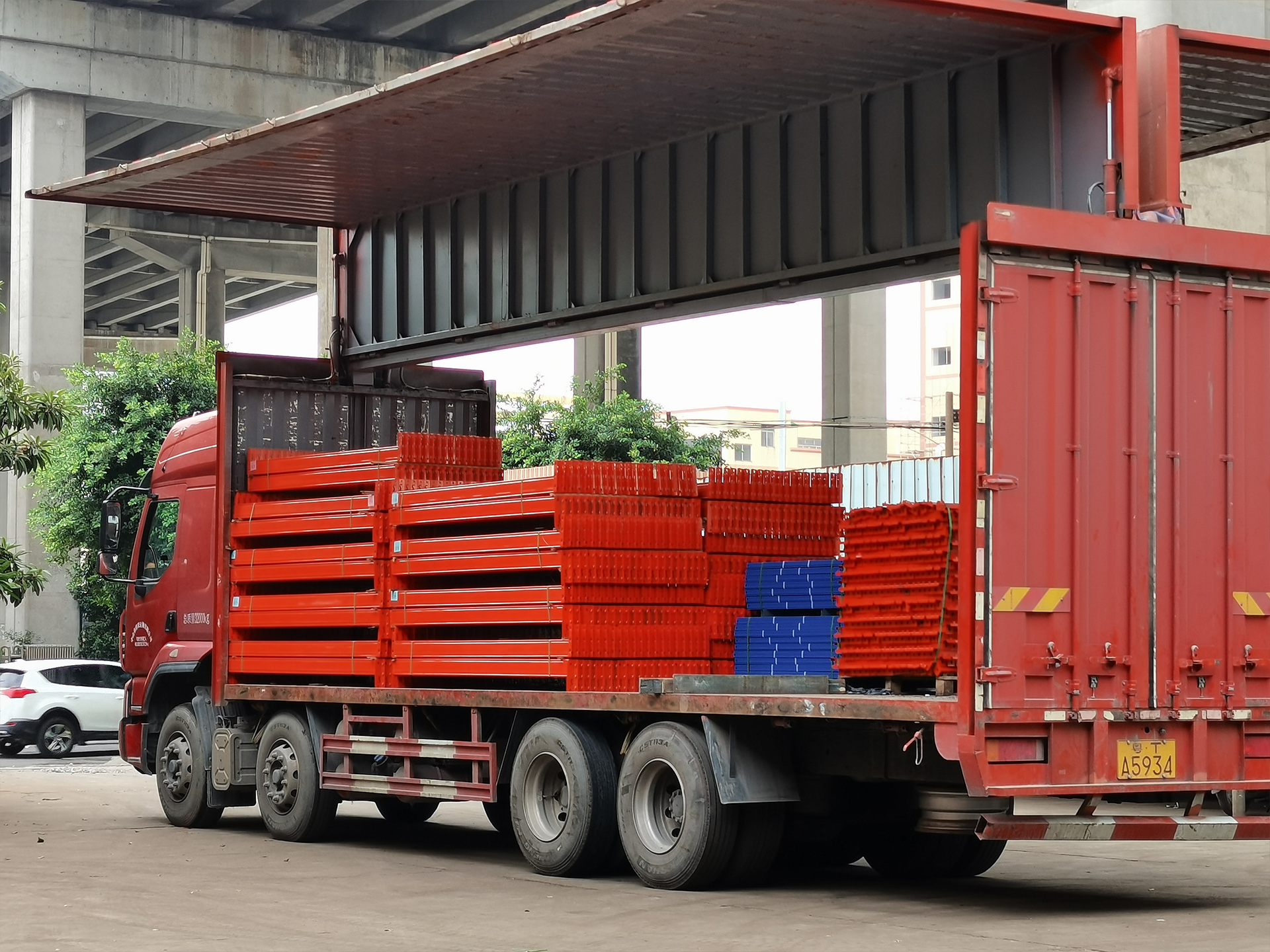
Damage to upright columns during shipping compromises structural capacity. Settle on robust packaging protocols using heavy-duty steel bands and wooden framing.
Technical clarifications from our Senior R&D Engineering and QC Departments.
Engineered for specialized distribution operations, heavy-gauge cantilever operations, and multi-tier platforms.
 Dinghui Racking