Heavy-duty structural storage configurations designed for Norway's logistics terminals, processing plants, and cold warehouses.
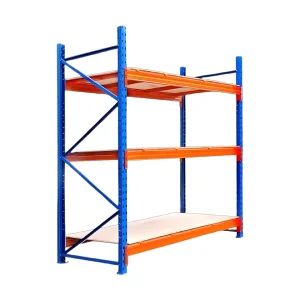
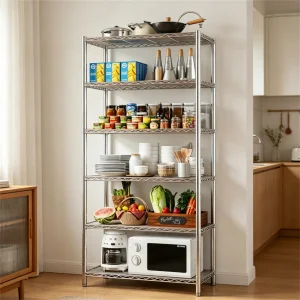
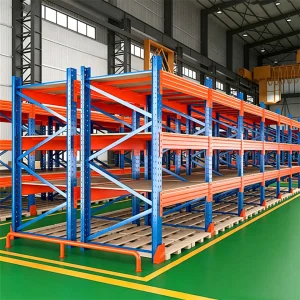
Norway's unique geography and core sectors—primarily the blue economy (aquaculture and maritime fisheries), offshore oil & gas, and sub-zero temperature logistics—dictate strict requirements for industrial and commercial storage solutions.
With massive seafood processing facilities stretching from Bergen to Tromsø, facilities are constantly subjected to high-salinity atmospheres, constant moisture, and daily sanitation protocols using acidic or alkaline chemical washdowns (Clean-in-Place systems). Standard structural steel or carbon steel storage units rapidly corrode under these conditions, causing structural failures and sanitary violations.
Furthermore, Norway's commitment to climate targets and the expansion of modern, high-density logistics hubs around Oslo and Drammen demand space-saving, high-durability racking configurations. Storage systems must not only support high load limits but also remain stable in coastal air and low-temperature settings without suffering low-temperature steel embrittlement.
Understanding the chemical mechanics, corrosion resistance, and operational parameters of stainless steel grades under Norwegian conditions.
| Performance Metric | AISI 304 Stainless Steel | AISI 201 Stainless Steel | Nordic Environmental Suitability |
|---|---|---|---|
| Chemical Composition | ~18% Chromium, 8-10.5% Nickel. Low Carbon. | ~16-18% Chromium, 3.5-5.5% Nickel, 5.5-7.5% Manganese. | High Nickel content in 304 stabilizes the austenitic structure under sub-zero temperatures. |
| Corrosion Resistance (PREN) | PREN value: ~18-20 (Highly resistant to pitting). | PREN value: ~12-14 (Susceptible to chloride pitting). | 304 is required for marine and fish processing applications. 201 is suited for dry, indoor municipal archives. |
| Low-Temperature Ductility | Remains ductile and tough at temperatures down to -196°C. No risk of brittle fracture. | Becomes brittle at lower temperatures (around -10°C) due to high manganese substitution. | Use AISI 304 for deep-freeze storage (-30°C) in logistics hubs like Tromsø. |
| Sanitation & Cleanability | Excellent resistance to nitric acid, organic cleaning compounds, and steam washdowns. | Moderate resistance. Prone to surface staining with aggressive chlorinated cleaning agents. | 304 meets all Mattilsynet food hygiene regulations for direct food contact. |
| B2B Cost-Efficiency Ratio | Higher initial investment, but near-zero maintenance and lifetimes exceeding 15+ years. | Lower initial cost. High yield strength, but shorter lifetime if exposed to humidity. | Choose 201 for dry retail store shelves in Oslo; 304 for industrial plants in Western Norway. |
A Note on Pitting Resistance Equivalent Number (PREN): The formula $PREN = \%Cr + 3.3\%Mo + 16\%N$ explains why AISI 304 performs exceptionally better in coastal environments. The higher chromium and nickel content forms a self-healing passive chromium oxide ($Cr_2O_3$) layer that blocks salt-spray chloride ions from initiating pitting corrosion.
Corrosion-resistant flow-through and heavy mezzanine systems optimized for logistics dynamic supply lines.
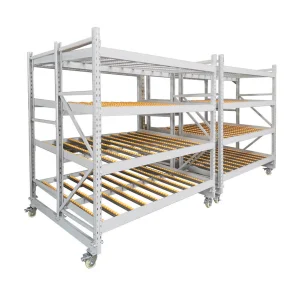
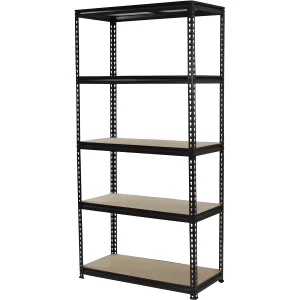
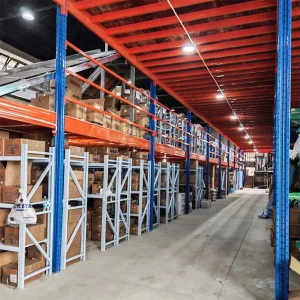
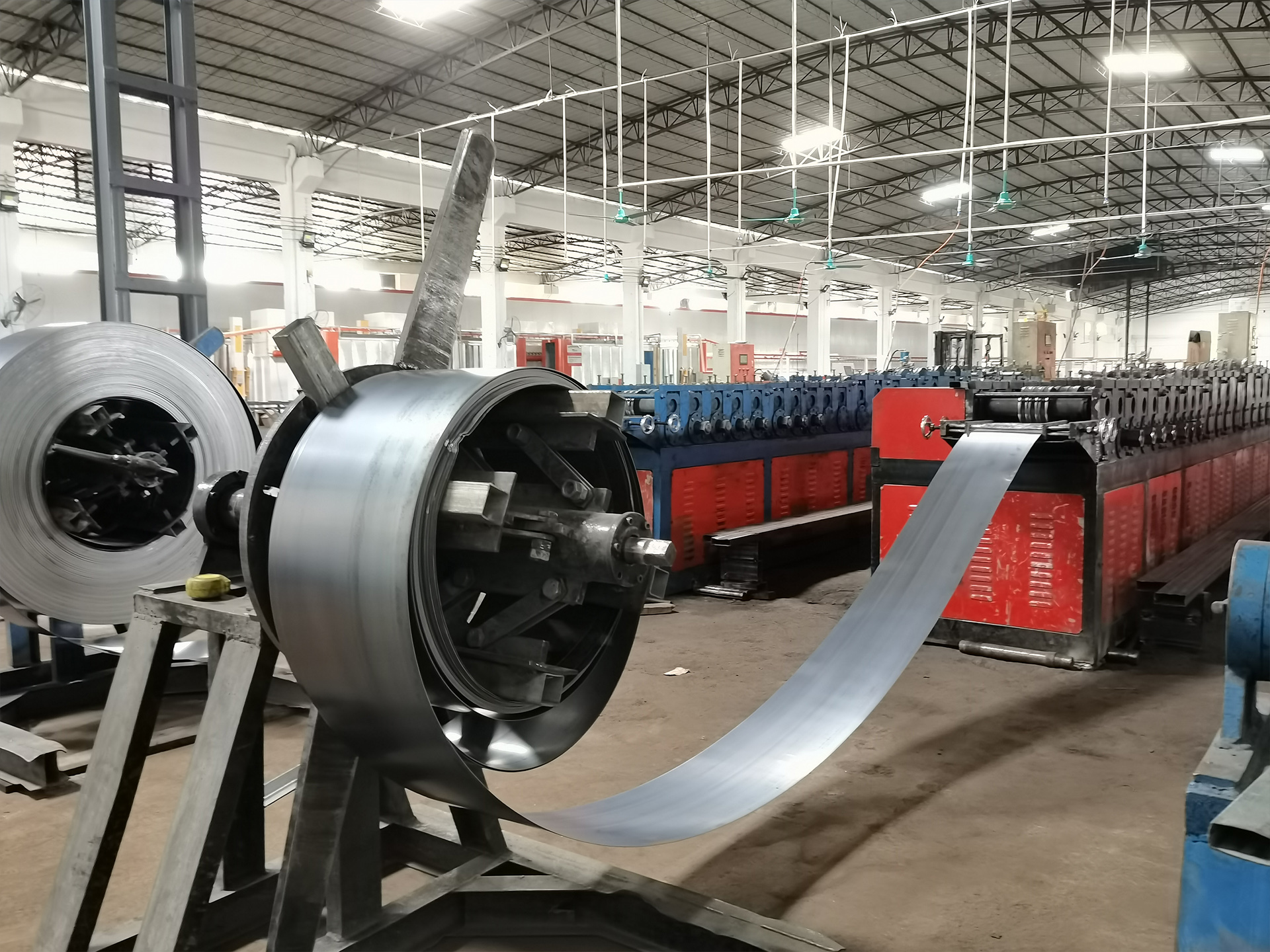
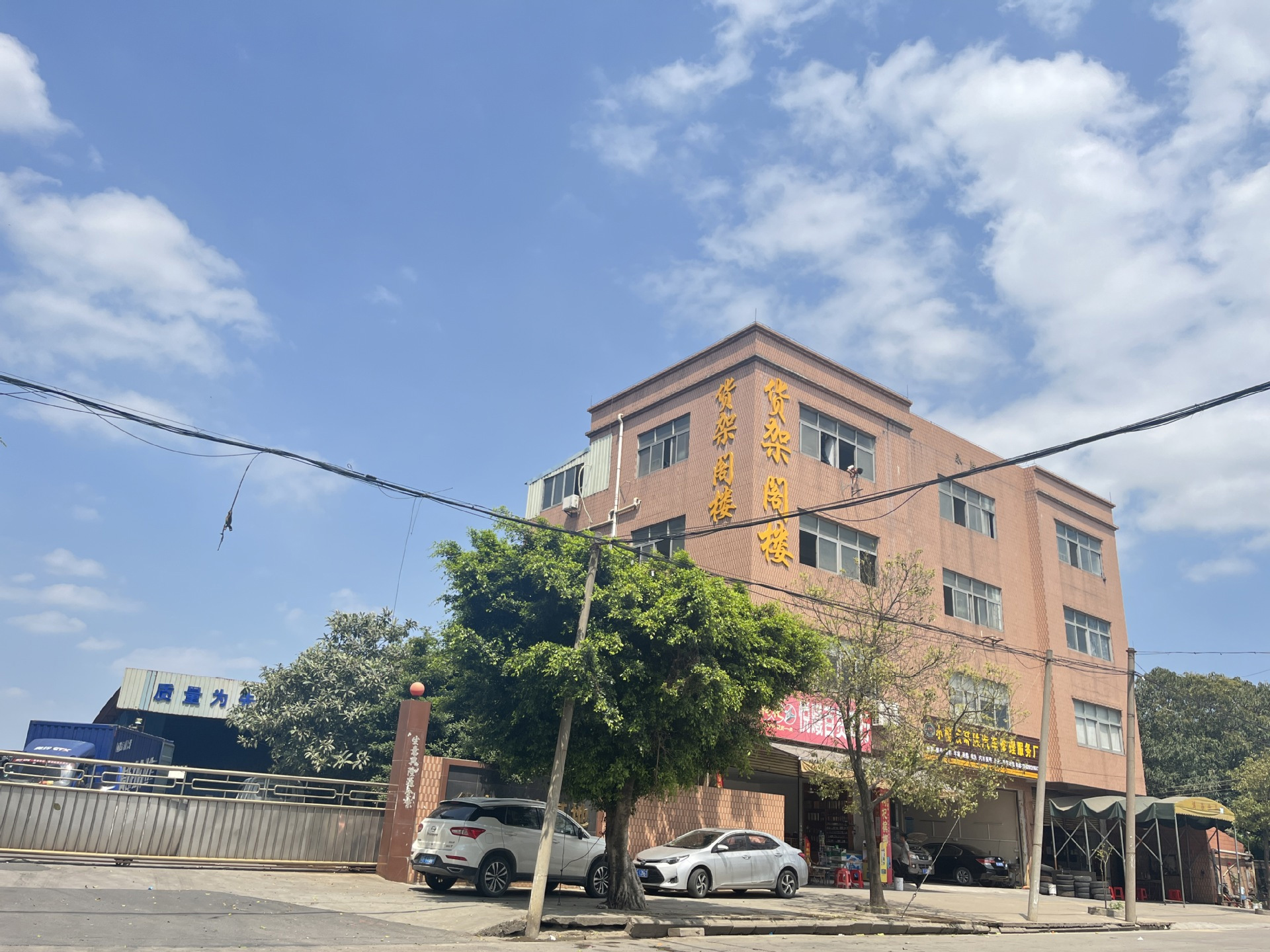
For B2B procurement officers in Oslo, Bergen, and Stavanger, balancing delivery times and engineering certifications is crucial. Foshan Dinghui Intelligent Warehousing Technology Co., Ltd. (established in 2015) offers structural design and automated manufacturing processes directly to the Norwegian market.
With an expansive B2B production capacity built upon a modern 38,000 square meter manufacturing base, we bring 12 years of industry experience and 8 years of global export history. We generate over $25 million USD in annual exports, demonstrating our ability to manage large B2B orders and logistics to Western Europe.
By using automated steel roll-forming and advanced robotic welding setups, we achieve structural precision that reduces product defects to less than 0.05%. Our factory's raw material sourcing of high-grade steel guarantees consistent quality, shielding our Norwegian partners from material-shortage risks.
Every racking component undergoes comprehensive testing to verify mechanical safety under load.
Every batch of incoming structural steel is subjected to tensile testing to verify yield strength ($R_e$) and ultimate tensile strength ($R_m$), ensuring it matches EN 10088 structural parameters.
Our engineering team uses computer-aided simulation models to evaluate safety factors, load deflection ($L/200$), and dynamic rack behavior under simulated wind, vibration, or seismic activities.
Powder-coat finishes undergo cross-hatch adhesion tests and ASTM B117 salt-spray chamber testing to verify long-term resistance to coastal environments.
Foshan Dinghui operates strictly in compliance with ISO 9001 and European CE standardizations.
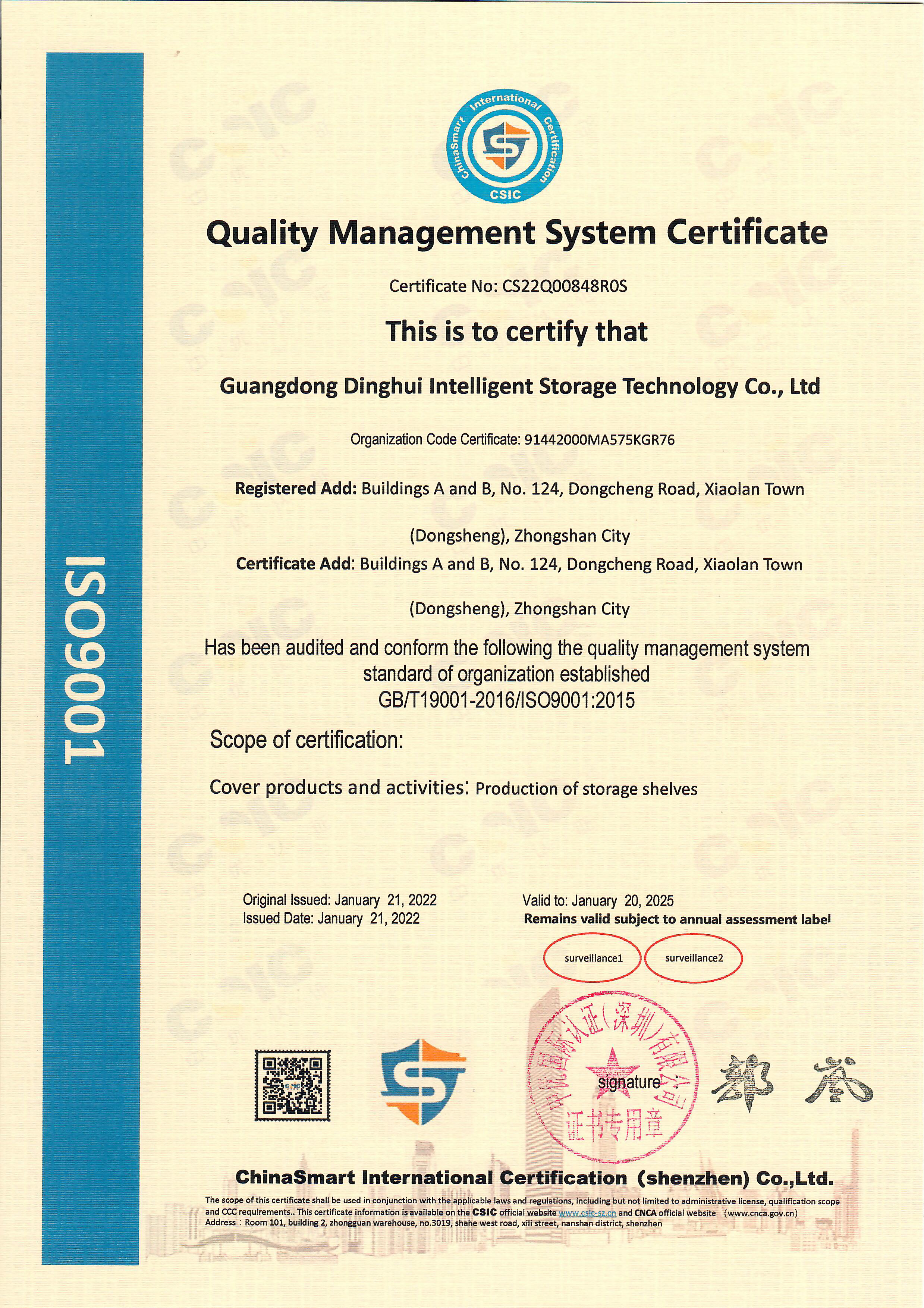
Our manufacturing lines, raw material sourcing, and finished products undergo regular third-party audits to guarantee conformance with global safety norms.
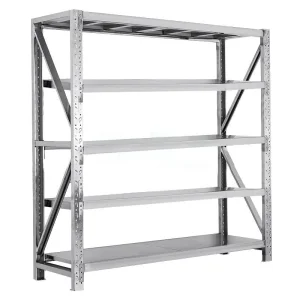
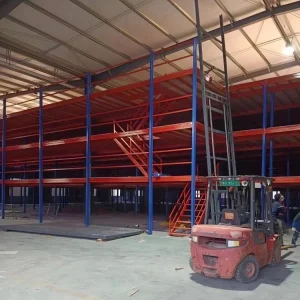
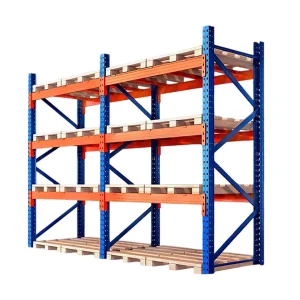
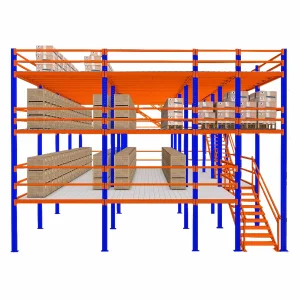
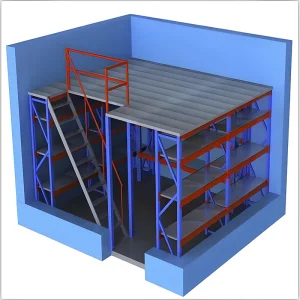
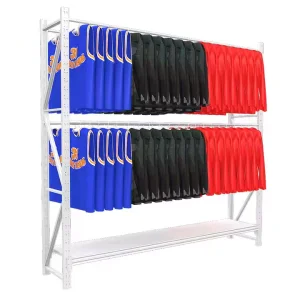
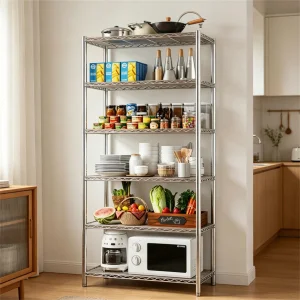
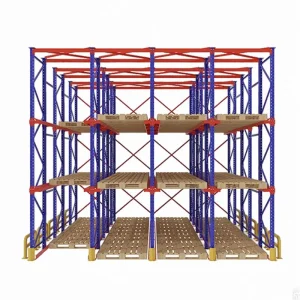
Engineered options spanning powder-coated warehouse storage, modular shelving, drive-in systems, and customized multi-tier floor racking.
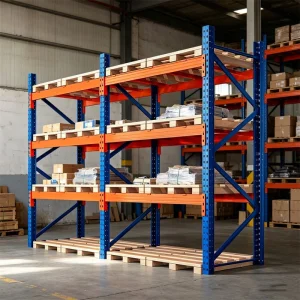
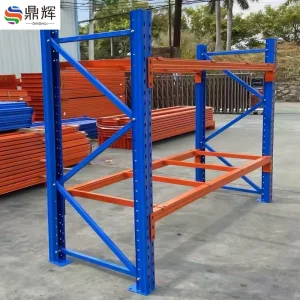
Aligning our design and manufacturing pipelines with the evolving technical demands of modern B2B warehousing.
Modern Norwegian logistics are moving toward automation to offset high operating labor costs. Foshan Dinghui structural profiles are designed to integrate with automated storage and retrieval systems (ASRS), shuttle systems, and AGV guidance tracking, ensuring straight alignment and precise tolerances under heavy cyclic loads.
To support high hygiene protocols in aquaculture and seafood packing plants, we are refining the design of our wire mesh shelves and support components. By minimizing sharp internal corners and welds where microbes can collect, our racking profiles allow for faster, more effective sanitation washdowns.
Although mainland Norway is seismically stable, coastal installations, crane operations, and marine vessel motion require heavy structural stability. We are updating our baseplate load distribution profiles and connection configurations to exceed EN 15512:2020 safety standards, ensuring load paths remain stable under variable lateral forces.
Answers to common structural, regulatory, and logistics questions from Norwegian engineers and warehouse managers.
We advise against using AISI 201 in food processing environments. Because of its lower nickel content and higher manganese, 201 is susceptible to pitting corrosion when exposed to salt water and chemical sanitizers. For wet processing facilities, AISI 304 or 316 stainless steel is recommended to satisfy local hygiene requirements and ensure structural safety.
We perform mechanical stress testing and Finite Element Analysis (FEA) to verify material performance at low temperatures. Our cold-rolled steel and AISI 304 stainless steel retain their impact toughness and ductility down to -30°C, preventing the brittle failure risks that standard structural steels face in cold storage.
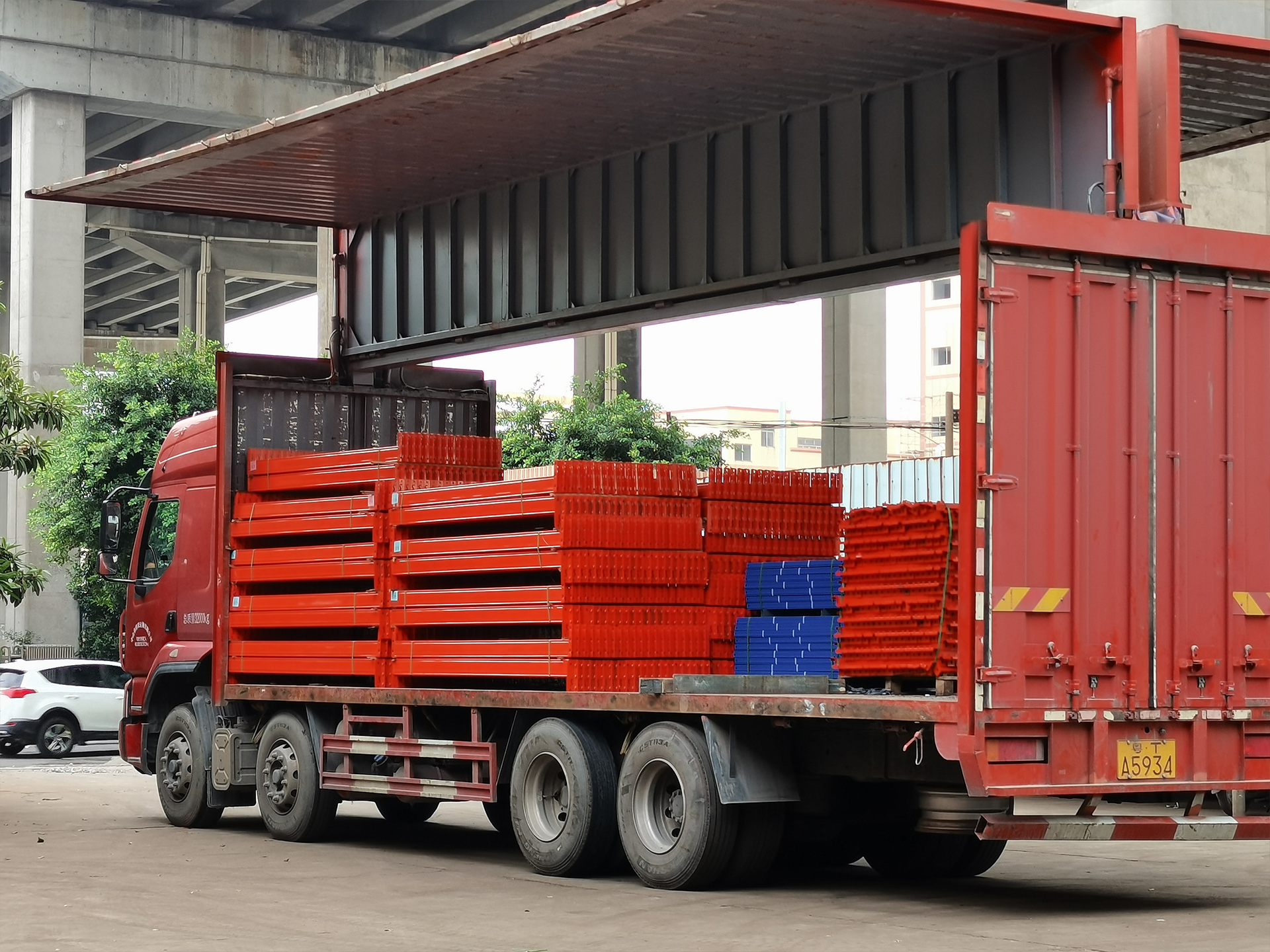
Racking uprights and beams are bundled with protective structural wrapping, and smaller components are crated in export-grade wooden cases to prevent shifting during transit. We ship in standard 20GP or 40HQ ocean containers directly to Norwegian ports including Oslo, Kristiansand, Bergen, and Trondheim.
Yes, our design, engineering, and load testing processes follow European structural standards, including EN 15512 (Steel Static Storage Systems) and CE mark directives. We provide detailed load-capacity charts and compliance documentation for all custom projects.
Yes. Supported by our 18 B2B R&D engineers, we provide OEM/ODM customization for specific load capacities, heights, widths, and paint finishes. We can match RAL colors to align with your existing facilities or corporate branding.
Manufacturing standard orders typically takes 20 to 30 days depending on volume. Ocean transit from China to main Norwegian ports takes approximately 35 to 45 days. We coordinate closely with freight forwarders to ensure customs documents and clearances are handled efficiently.
Consult with our engineering team to design custom, compliant, and durable stainless steel or structural steel racking systems tailored for your operational environment.
 Dinghui Racking