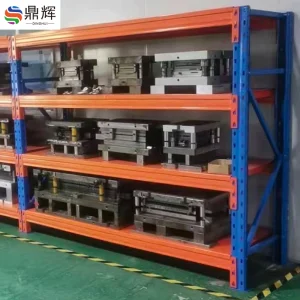
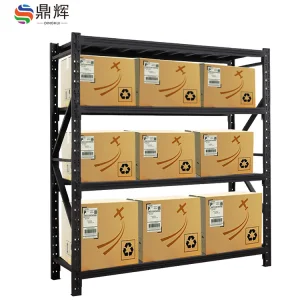
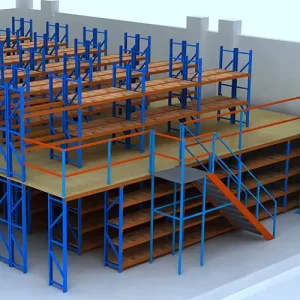
Engineered for durability, modular optimization, and seismic stability, serving Aichi’s manufacturing depots.
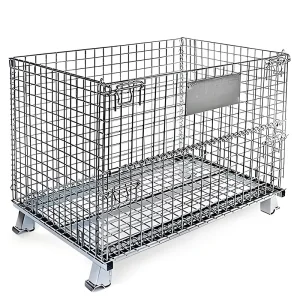
How material handling efficiency drives the primary economic engine of central Japan.
Nagoya, the capital of Aichi Prefecture, acts as the center of Japan’s automotive, aerospace, and heavy machinery industries. Known globally as the cradle of the Toyota Production System (TPS) and Just-in-Time (JIT) shipping, the region relies on incredibly synchronized material movements. Every minute of downtime in a Tier-1 automotive staging warehouse in Toyota City or Tokoname can trigger millions of yen in downstream losses.
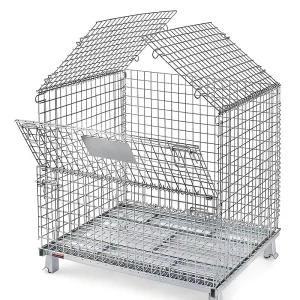
In this ecosystem, metal storage cages (known locally as Metsubako or wire mesh containers) are not simple storage accessories; they are critical parts of the automated loop. These cages must support intense stacking, offer immediate content visibility to forklift operators, and collapse when empty to save space on return transport. Standard wooden pallets or low-grade plastic crates fail to meet the rigorous safety and durability requirements demanded by Aichi’s industrial plants.
On a global scale, the logistics industry is shifting away from single-use packaging. ESG (Environmental, Social, and Governance) targets are pushing multinational corporations (MNCs) to replace wooden pallets and single-use boxes with highly durable, reusable, and recyclable steel wire mesh storage cages. Steel wire cages offer a clean, robust, and pest-free solution ideal for pharmaceutical, electronic, and high-value industrial goods.
Furthermore, international safety bodies, including OSHA in the United States and EU warehouse safety associations, are enforcing stricter limits on stack deformation. In Nagoya and wider Japan, compliance with JIS (Japanese Industrial Standards) regarding structural integrity and drop-gate locks is essential. Standard industrial containers must undergo finite element analysis (FEA) to confirm they can withstand triple-stack loads under vertical and lateral stress.
Environmental humidity and chemical exposure vary between global logistics ports and manufacturing hubs. Nagoya’s port facilities face high salinity and humidity. To prevent rust, high-quality steel storage cages utilize either advanced zinc electroplating with a clear trivalent chrome passivation or hot-dip galvanization (HDG). For internal environments, thermosetting epoxy powder coatings provide a durable barrier against scratches, chemical spills, and minor impacts.
| Specification Parameter | Standard Requirement | Dinghui Standard |
|---|---|---|
| Tensile Yield Strength | ≥ 235 MPa | ≥ 345 MPa (Q345B Steel) |
| Stacking Safety Factor | 1.5 : 1 | 2.0 : 1 (Double Safety Rating) |
| Salt Spray Test (ASTM B117) | ≥ 48 Hours | > 96 Hours (Electro-zinc + Topcoat) |
| Welding Penetration Rate | Min 75% | 100% via Automatic Welder |
Note: All structural calculations are verified through Finite Element Method (FEM) computer simulation before production.
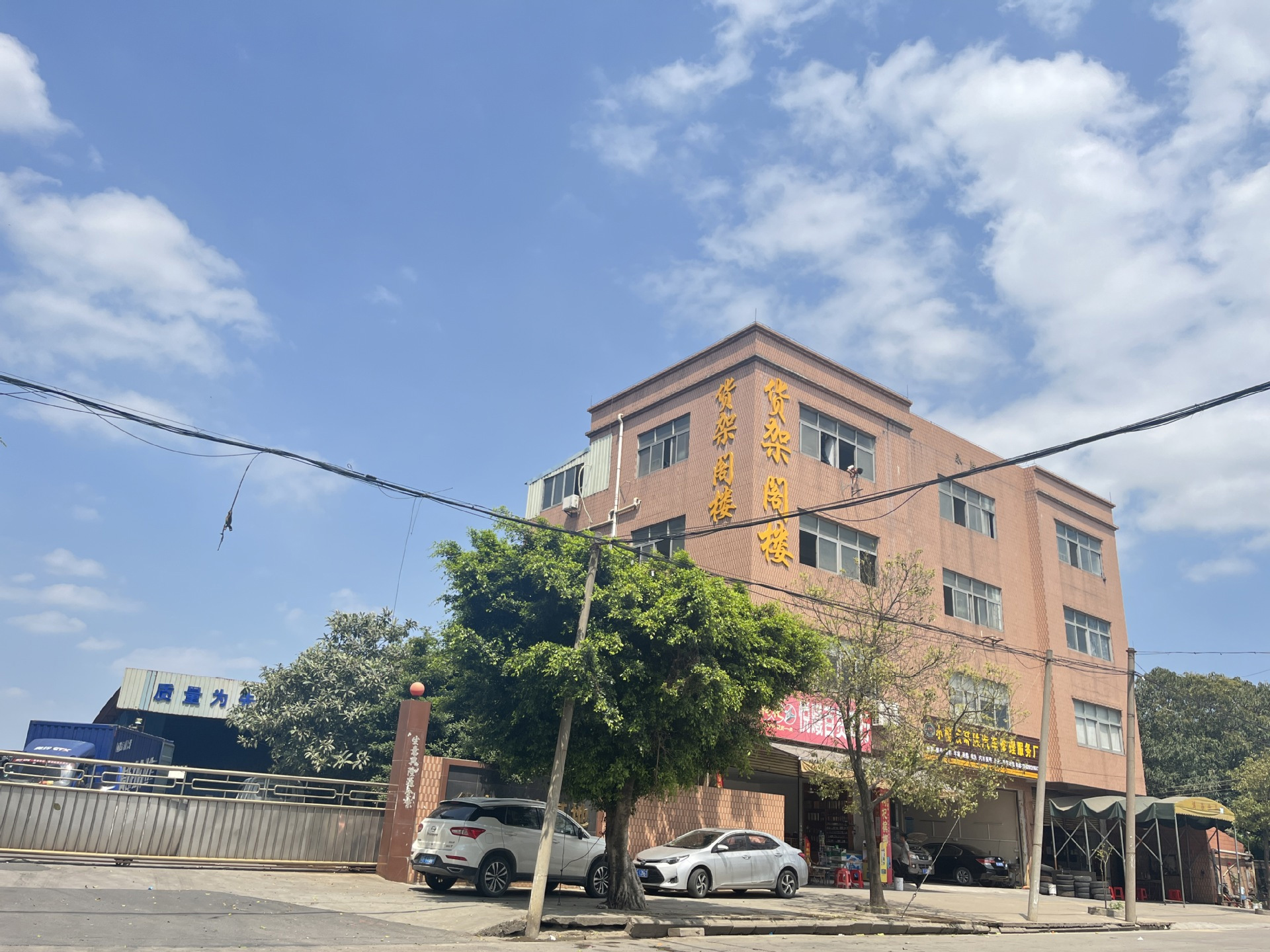
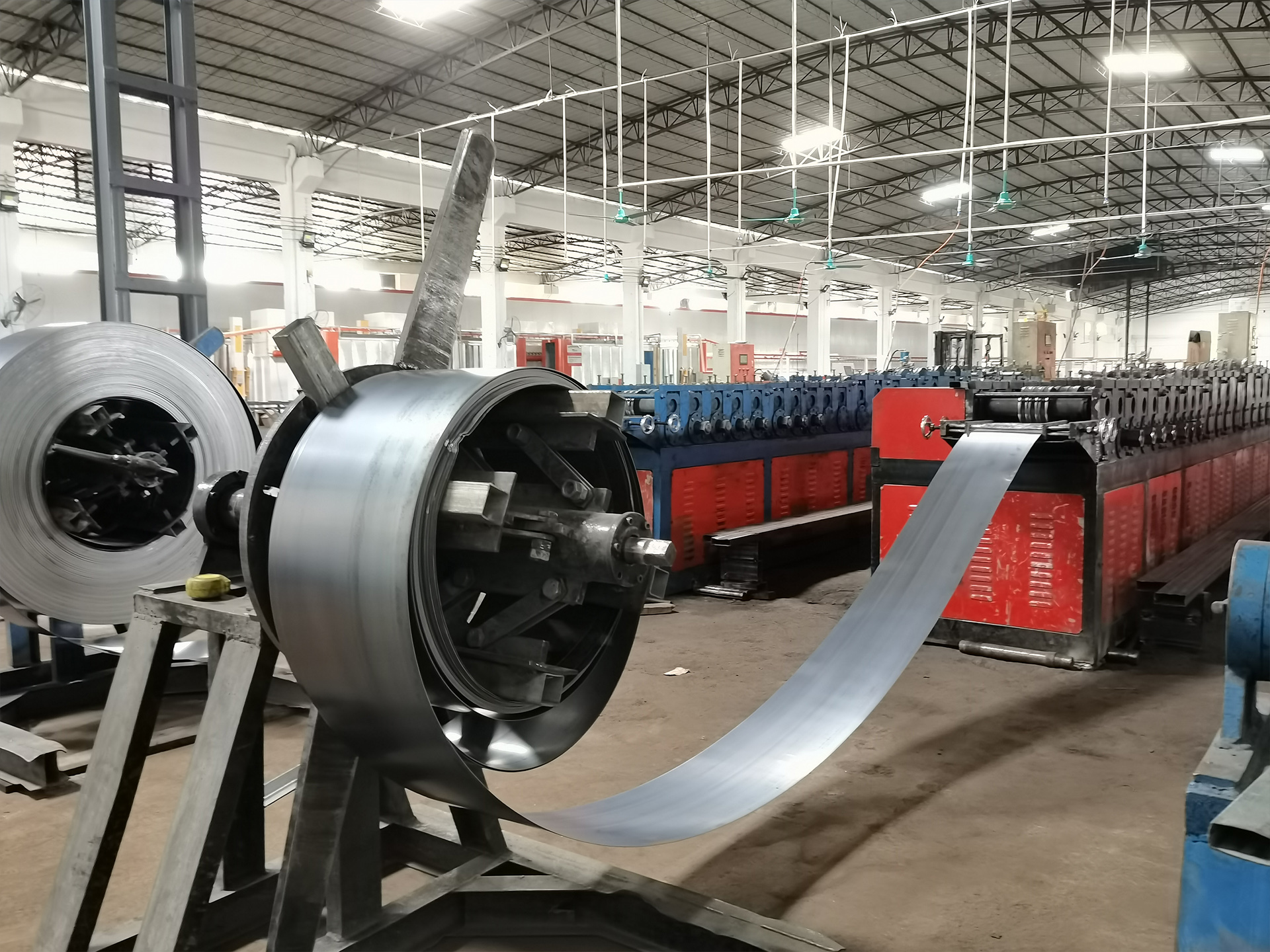
An inside look at our 38,000-square-meter state-of-the-art intelligent manufacturing facility.
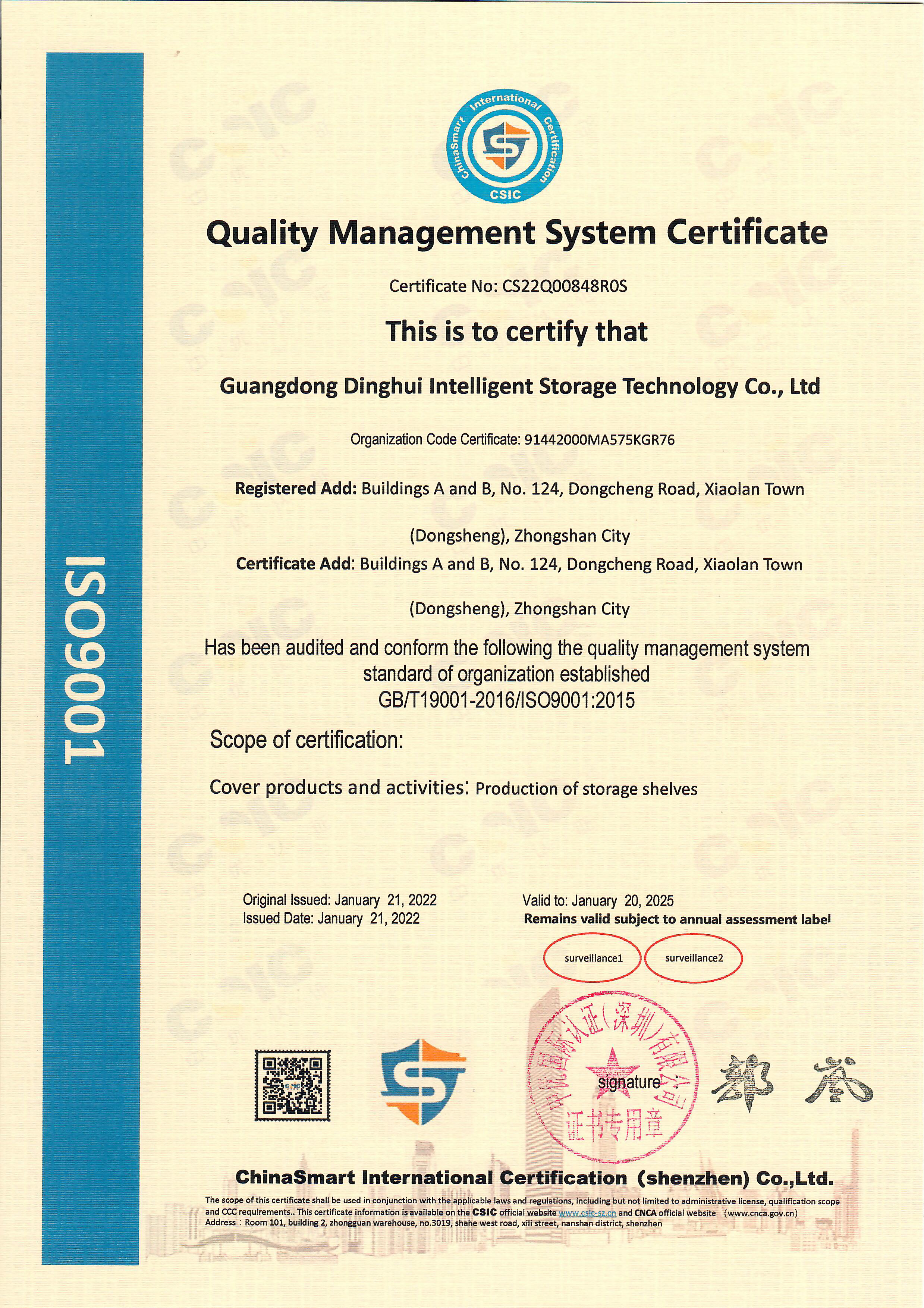
Established in 2015, Foshan Dinghui Intelligent Warehousing Technology Co., Ltd. is a leading manufacturer specializing in heavy-duty industrial storage racks, pallet racking systems, and automated warehouse solutions. Spanning a modern manufacturing base of 38,000 square meters, we bring together 12 years of industry experience and 8 years of direct global export expertise, generating an annual export revenue of over $25 million USD.
Equipped with advanced automated roll-forming and powder-coating production lines, our quality control procedures adhere to rigorous ISO 9001 and CE certification standards. We implement comprehensive product testing protocols, including raw material tensile testing, structural load-bearing simulation, powder coating adhesion tests, and weld non-destructive inspection (NDI). Supported by a dedicated 35-member QA/QC team, we ensure that every racking component strictly meets international safety and durability standards.
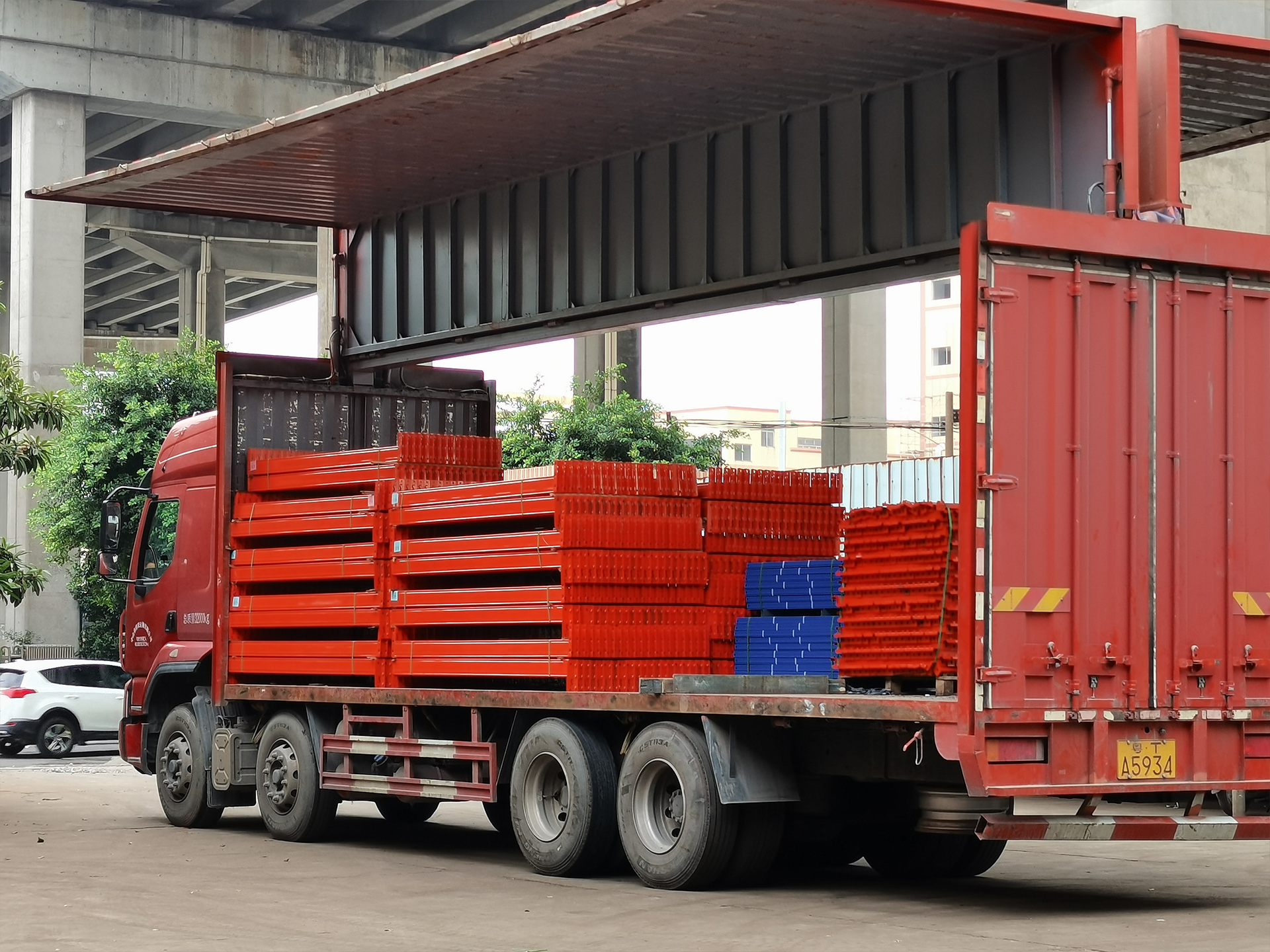
Operating with a strong international OEM/ODM trade background, our primary markets span North America, Europe, Southeast Asia, and the Middle East. Backed by a robust network of over 850 reliable supply chain partners, we serve a diverse global client base, including 3PL logistics providers, industrial warehouse operators, e-commerce fulfillment centers, and regional distributors.
Innovation and custom engineering drive our success. Supported by 18 experienced senior R&D engineers, we offer extensive OEM/ODM customization options, including tailored load capacities, custom dimensions, seismic-resistant structural design, special powder-coating finishes, and automated system integration. Driven by continuous technical improvement, we successfully launched 45 new product designs and structural upgrades last year, empowering our global partners to optimize their warehouse efficiency.
Matching specific metal storage cage designs with local industry workflows.
In Toyota City and Minato Ward, parts must move from stamping plants to final assembly lines. Our lockable folding storage cages offer structured dividers to organize catalytic converters, gearboxes, and electrical wiring looms. This layout prevents surface scratches and ensures compatibility with automatic guided vehicles (AGVs).
Firms operating near Nagoya Port require cold-storage-compatible containers. Dinghui's anti-corrosion galvanized cages withstand extreme temperature swings down to -40°C. This treatment prevents paint peeling, structural embrittlement, and dynamic load failures typical of standard steel racks in sub-zero environments.
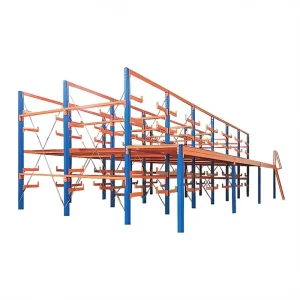
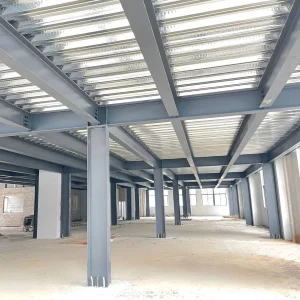
To maximize vertical space in regional distribution warehouses near Komaki and Ichinomiya, our customizable mezzanine platforms work seamlessly with multi-level stackable cages. This integration allows companies to triple their active storage footprint without expanding their warehouse footprint.
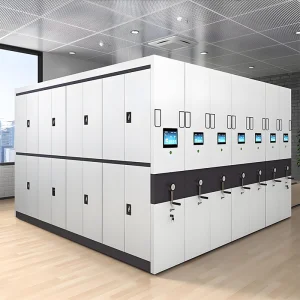
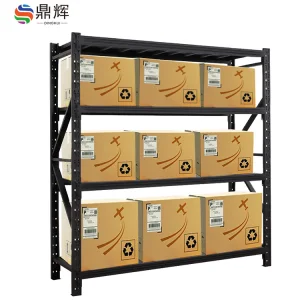
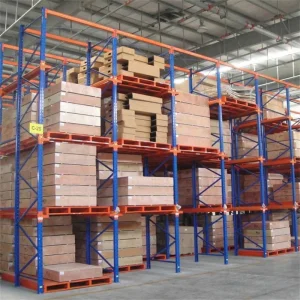
Explore our complete collection of material handling solutions, certified for international logistics and industrial networks.
Exploring IoT tracking, automated system integration, and carbon reductions in modern supply chains.
Modern warehouses are rapidly integrating real-time tracking systems directly into storage units. By embedding active RFID tags or Bluetooth Low Energy (BLE) beacons into metal wire cages, logistics managers can track the movement of sensitive parts through the supply chain. This configuration prevents inventory shrinkage and automates replenish-reorders inside Nagoya distribution depots.
Human-operated forklifts are increasingly working alongside Autonomous Mobile Robots (AMRs). To ensure safety and efficiency, modern metal cages require tight manufacturing tolerances. Variations of even 5mm can cause alignment issues during automatic loading. Foshan Dinghui addresses this by using automated robotic welding to maintain consistent sizing across every production run.
Japan’s net-zero 2050 pledge requires logistics providers to reduce operational emissions. Heavy-duty folding metal cages are highly sustainable alternatives to single-use packaging. Once empty, our folding storage cages collapse down to 25% of their open volume, allowing 4x more empty cages to be returned per truckload. This design helps regional operators reduce their scope-3 transportation emissions.
Technical guidance on sourcing, structural engineering, and customs logistics for Nagoya imports.
Get in touch with our engineering team for custom drawings, static load calculations, and competitive pricing for volume industrial orders.
Send Inquiry Now Dinghui Racking