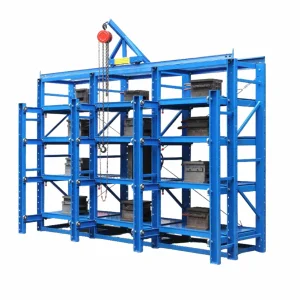
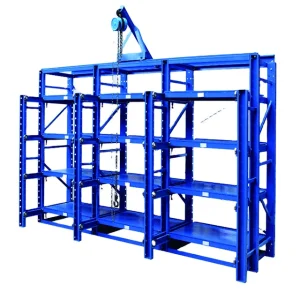
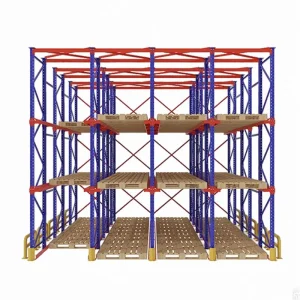
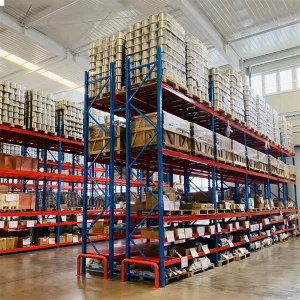
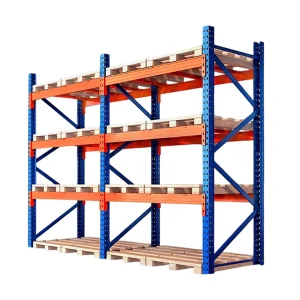
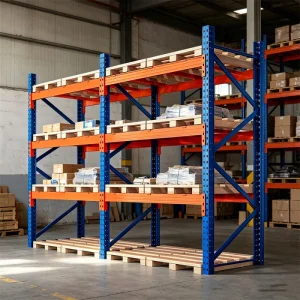
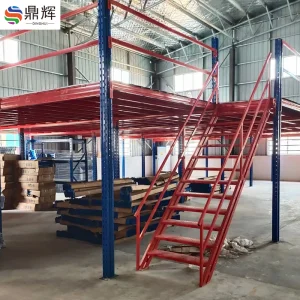
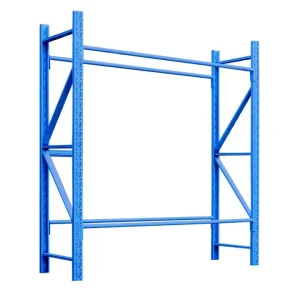
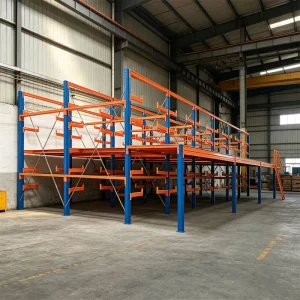
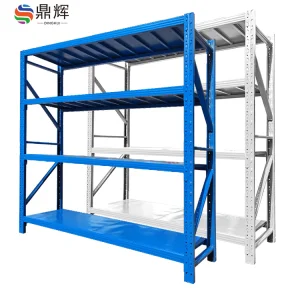
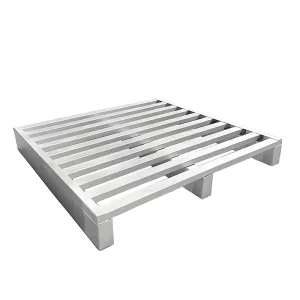
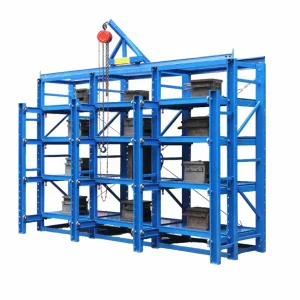
Explore our premium product portfolio designed for high capacity, maximum warehouse utilization, and exceptional structural durability.
In modern industrial logistics, warehouse space utilization and throughput efficiency are critical parameters. The global rise in real estate costs has prompted businesses to pivot from traditional storage methods to high-density solutions. Among these, Gravity Flow Racking Systems stand out as a premier technology for optimizing warehouse footprint and material flow.
Operated using natural gravity, these systems feature inclined roller lanes that allow palletized loads or carton packages to glide smoothly from the loading (replenishment) side to the retrieval (picking) face. This design creates a strict FIFO (First-In, First-Out) inventory cycle, which is essential for industries managing batch-controlled, perishable, or high-turnover goods.
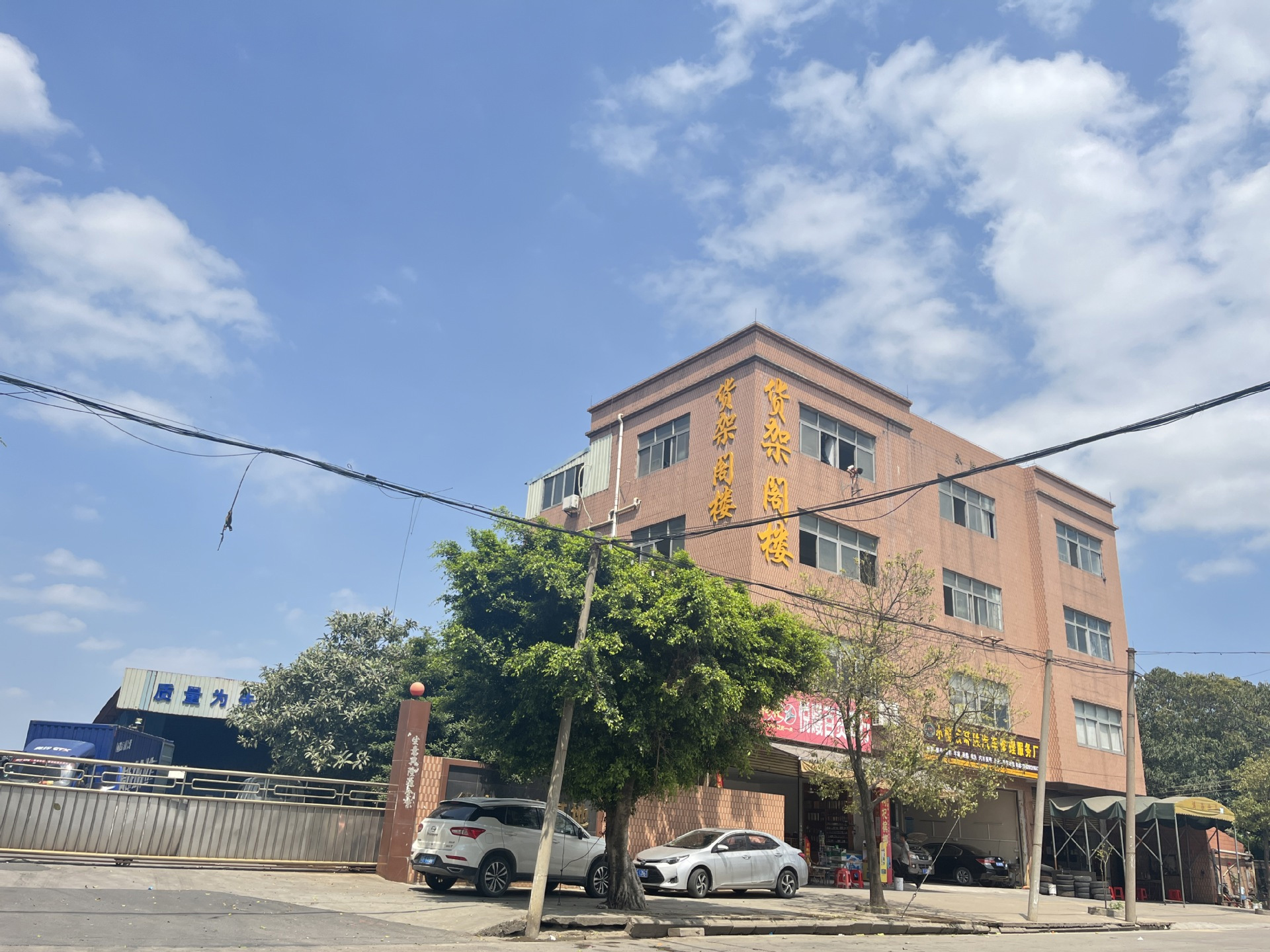
China's steel manufacturing and structural engineering sectors provide a unique combination of scale, supply chain integration, and cost efficiency. However, top-tier manufacturers like Foshan Dinghui raise these advantages to a higher standard of reliability.
Our gravity racks are made from premium high-strength cold-rolled carbon steel, such as Q235B and Q345B grade steel. This ensures excellent tensile strength, minimal structural deflection under load, and long-term stability in high-throughput applications.
Our manufacturing processes adhere to strict ISO 9001 and CE standards. We conduct material tensile testing, structural load-bearing simulation, powder coating adhesion tests, and weld non-destructive inspection (NDI) to guarantee that every system meets safety regulations.
Supported by 18 senior R&D engineers, we offer full design capabilities to modify load capacities, height profiles, roller pitch, brake configurations, and surface finishes to suit your operational environment and pallet specifications.
Established in 2015, Foshan Dinghui is a leading manufacturer specializing in heavy-duty industrial storage racks, pallet racking systems, and automated warehouse solutions.
Spanning a modern manufacturing base of 38,000 square meters, we bring together 12 years of industry experience and 8 years of direct global export expertise, generating an annual export revenue of over $25 million USD. Our primary markets span North America, Europe, Southeast Asia, and the Middle East, serving 3PL logistics providers, industrial warehouse operators, e-commerce fulfillment centers, and regional distributors.
Equipped with advanced automated roll-forming and powder-coating production lines, our quality control procedures are managed by a dedicated 35-member QA/QC team to ensure that every racking component strictly meets international safety and durability standards.
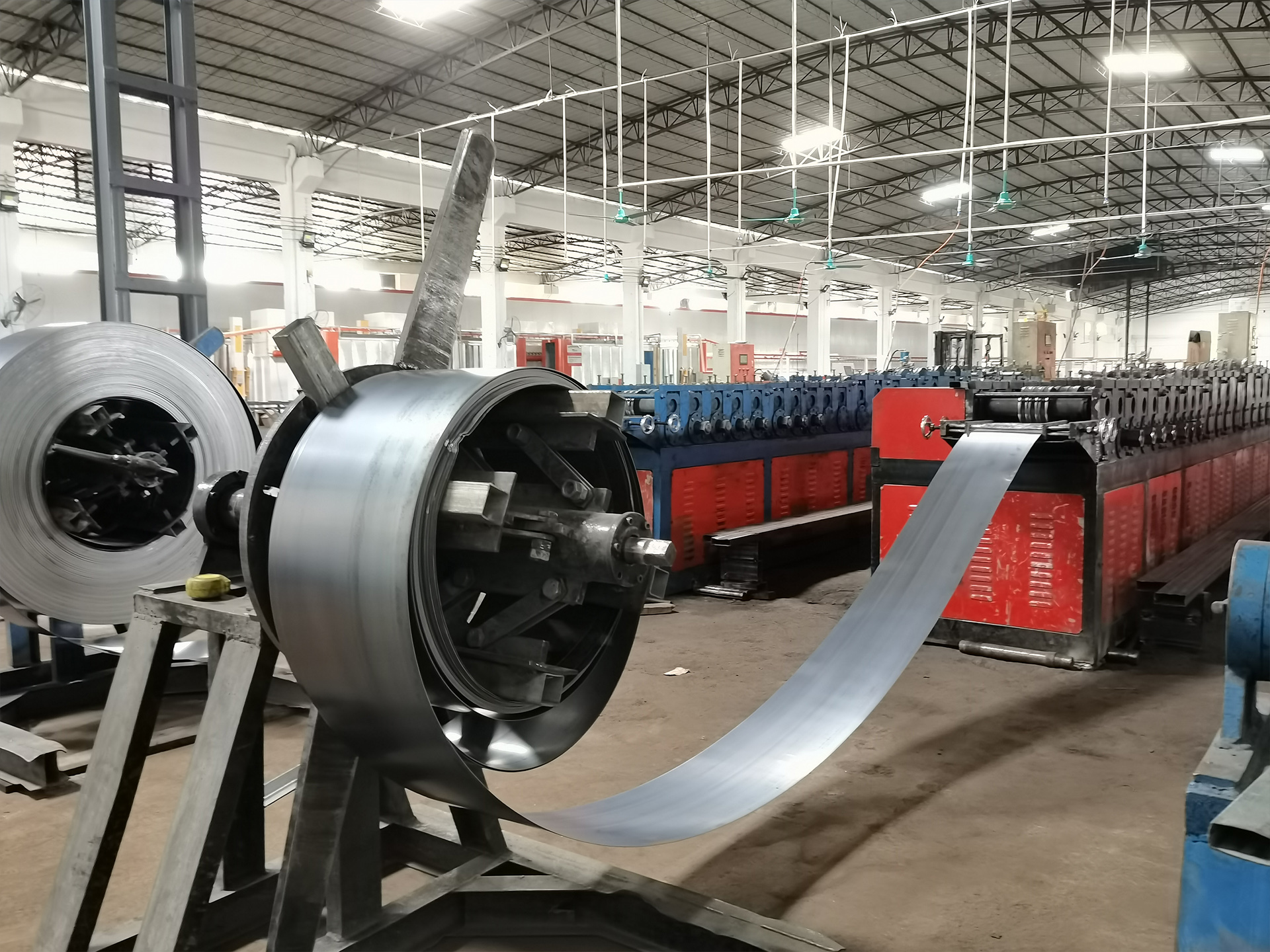
A successful gravity racking installation relies on precise mechanical engineering. The system must maintain consistent speed, prevent pallet damage, and avoid structural jams.
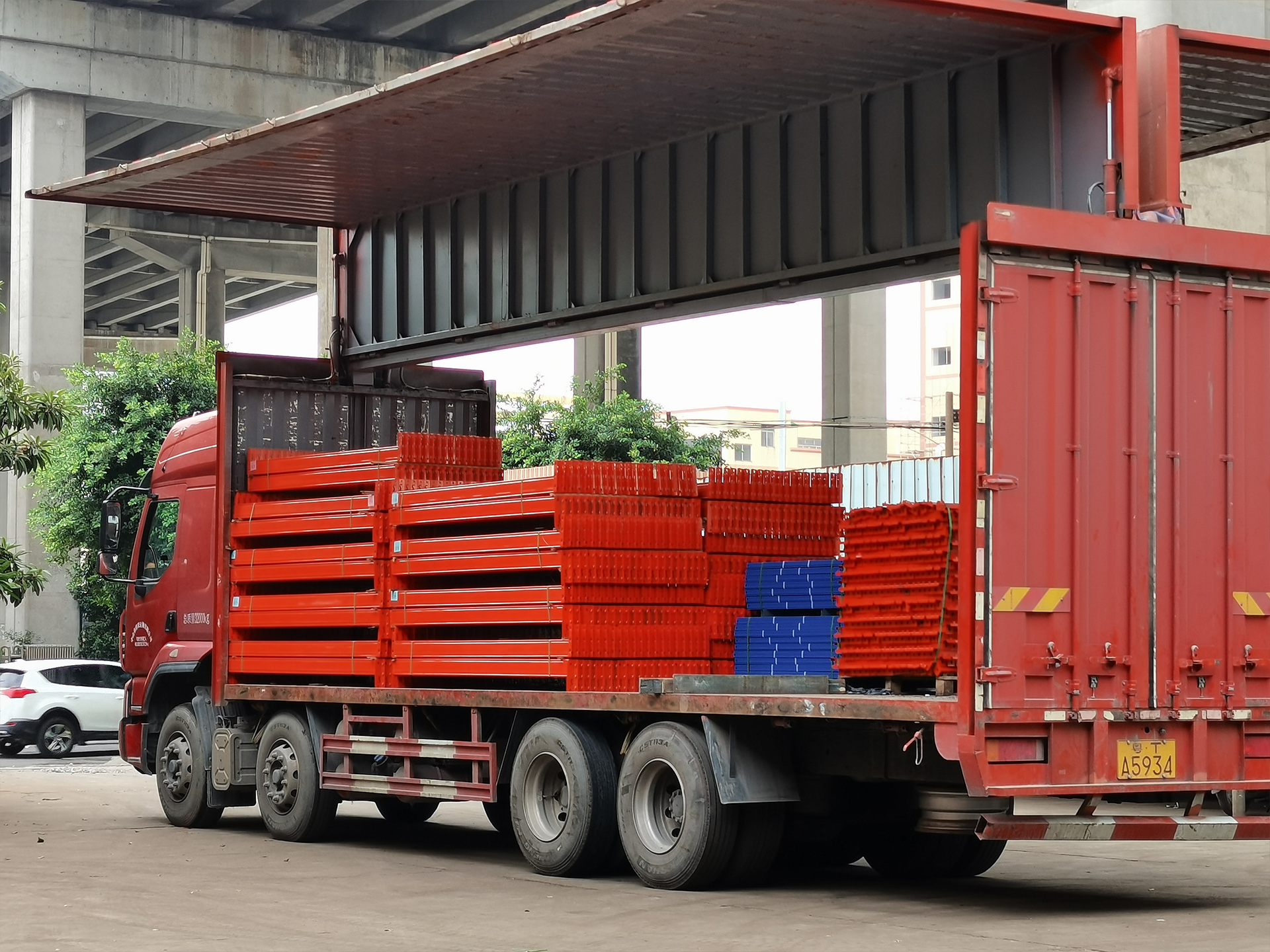
To ensure safe and reliable pallet flow down the lane, our engineers focus on several critical components:
Different industries require unique configurations. We customize our systems to perform in various demanding storage environments.
Our structures are finished with galvanized coatings or low-temperature resistant powder formulations. This prevents metal embrittlement and surface oxidation in environments down to -30°C.
Designed for expiration-sensitive goods. The FIFO design guarantees that inventory rotates automatically, reducing spoilage and simplifying compliance audits.
Designed for fast-paced assembly lines. Incorporates heavy-duty rollers and separator locks to withstand continuous loading cycles and high vibration.
The transition toward smart warehousing is driving new innovations in traditional static and semi-dynamic racking configurations.
Modern warehouses increasingly combine gravity flow systems with automated crane systems or shuttle systems. Gravity tracks act as buffering lanes at the inbound or outbound stages of an Automated Storage and Retrieval System (AS/RS), smoothing out throughput peaks without additional power requirements.
As global safety codes tighten, structural engineering must account for seismic activity. Our engineering team utilizes advanced finite element analysis (FEA) software to design racking frames and connection plates that comply with regional seismic requirements, including RMI and FEM specifications.
Continuous engineering refinement is a key driver of our growth. Last year, our engineering team introduced:
Explore the second half of our range, built for heavy industry, high-load capacities, and demanding operating environments.
We believe that structural integrity is vital to safety. Our manufacturing processes include checks at every step, starting from the inspection of raw materials to the final loading audits.
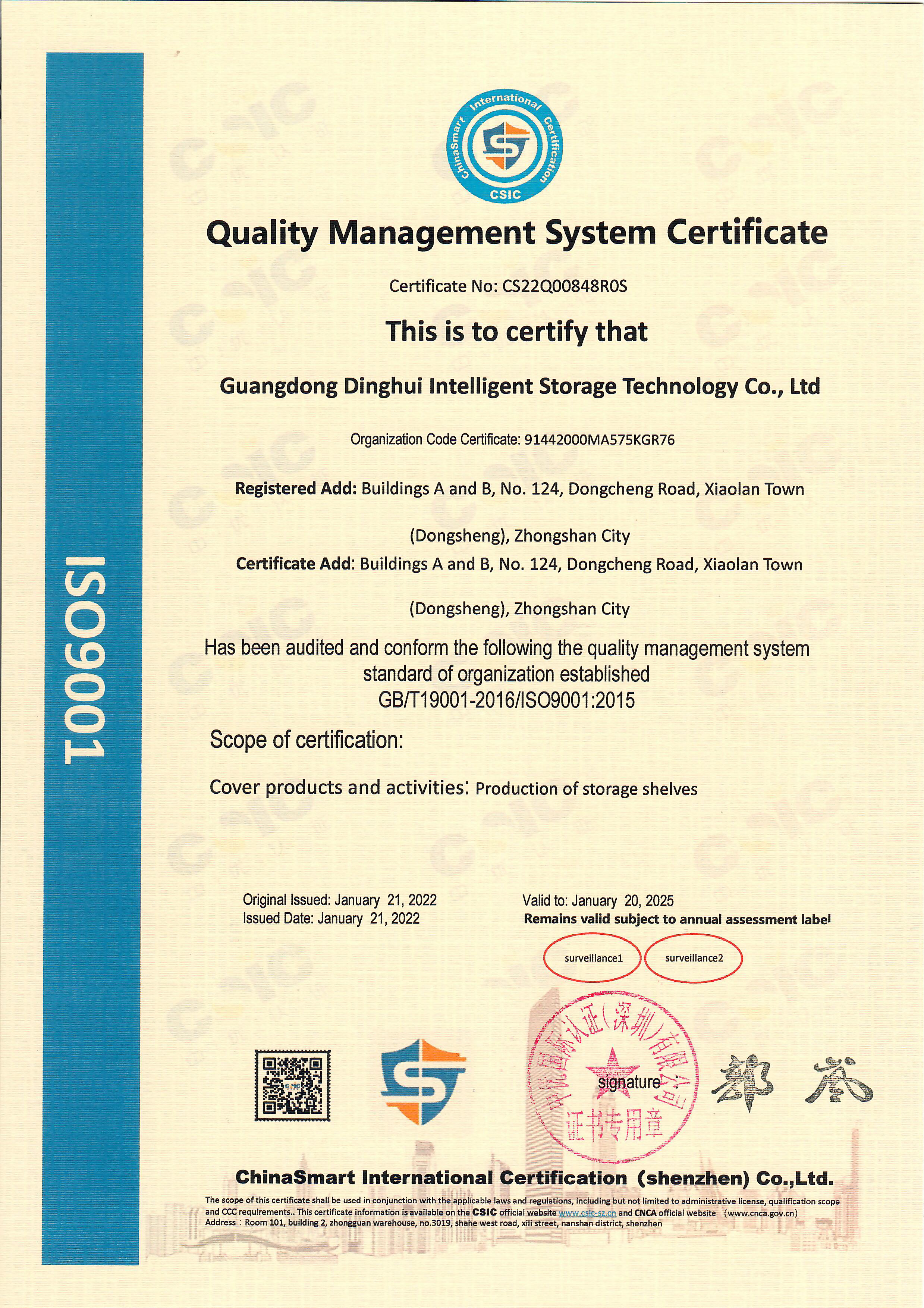
ISO 9001 & CE Certified Production Facility
Use this technical framework to evaluate project specifications before placing an order with a manufacturer.
Determine overall pallet weight, dimensions, and construction material. Standard wooden, plastic, or metal pallets interact differently with rollers, requiring adjusted pitch and roll patterns.
Calculate the ideal lane length based on stock levels. While longer lanes maximize space, lanes exceeding 10 pallets usually require specialized dynamic brakes to control pressure at the discharge face.
Identify variations in temperature, humidity, or exposure to corrosive elements. These factors dictate the correct selection of galvanized steel, custom powder coatings, and bearing lubricants.
Get answers to common technical, design, and purchasing questions regarding gravity flow racking systems.
 Dinghui Racking