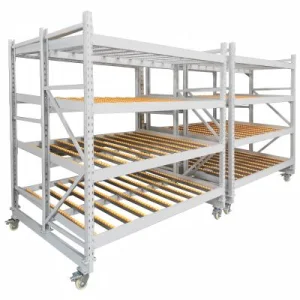
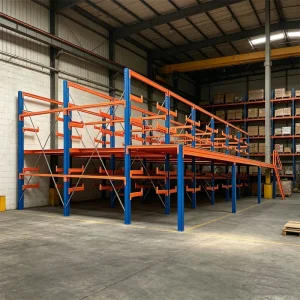
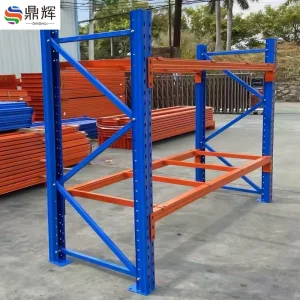
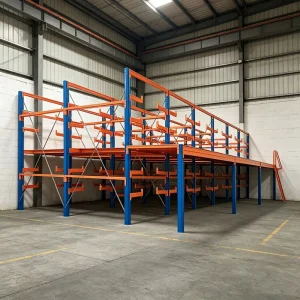
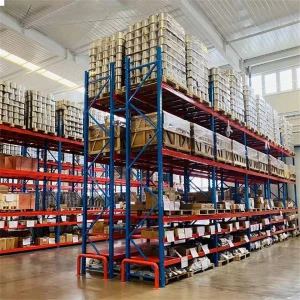
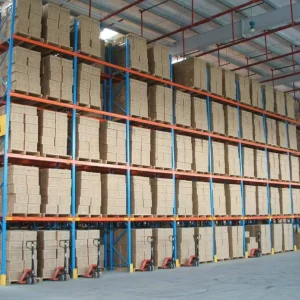
Engineered to maximize warehouse storage capacity by up to 75% compared to selective rack systems.
Authoritative insights into modern warehousing physics, engineering specs, and industrial ROI drivers.
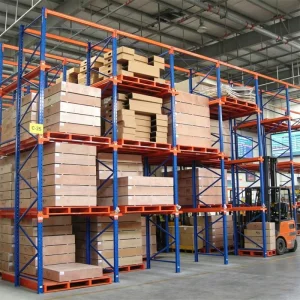
As global distribution operations scale, spatial limitations and skyrocketing real estate values require physical facility planning to evolve from traditional horizontal layouts to dense, vertical, and automated configurations. Drive-In Storage systems are the industry standard for high-density warehousing, designed to eliminate standard forklift access aisles in favor of continuous bay layouts. This configuration reduces footprint requirements by up to 45% compared to selective pallet configurations, driving down land lease costs and operational expenses.
By implementing a Last-In, First-Out (LIFO) or First-In, First-Out (FIFO) retrieval dynamic, drive-in systems are built for SKU concentration operations. Whether supporting bulk storage of uniform products, high-velocity food logistics, cold storage infrastructure, or raw industrial materials, the structural integrity of the racking system directly affects both personnel safety and operational consistency.
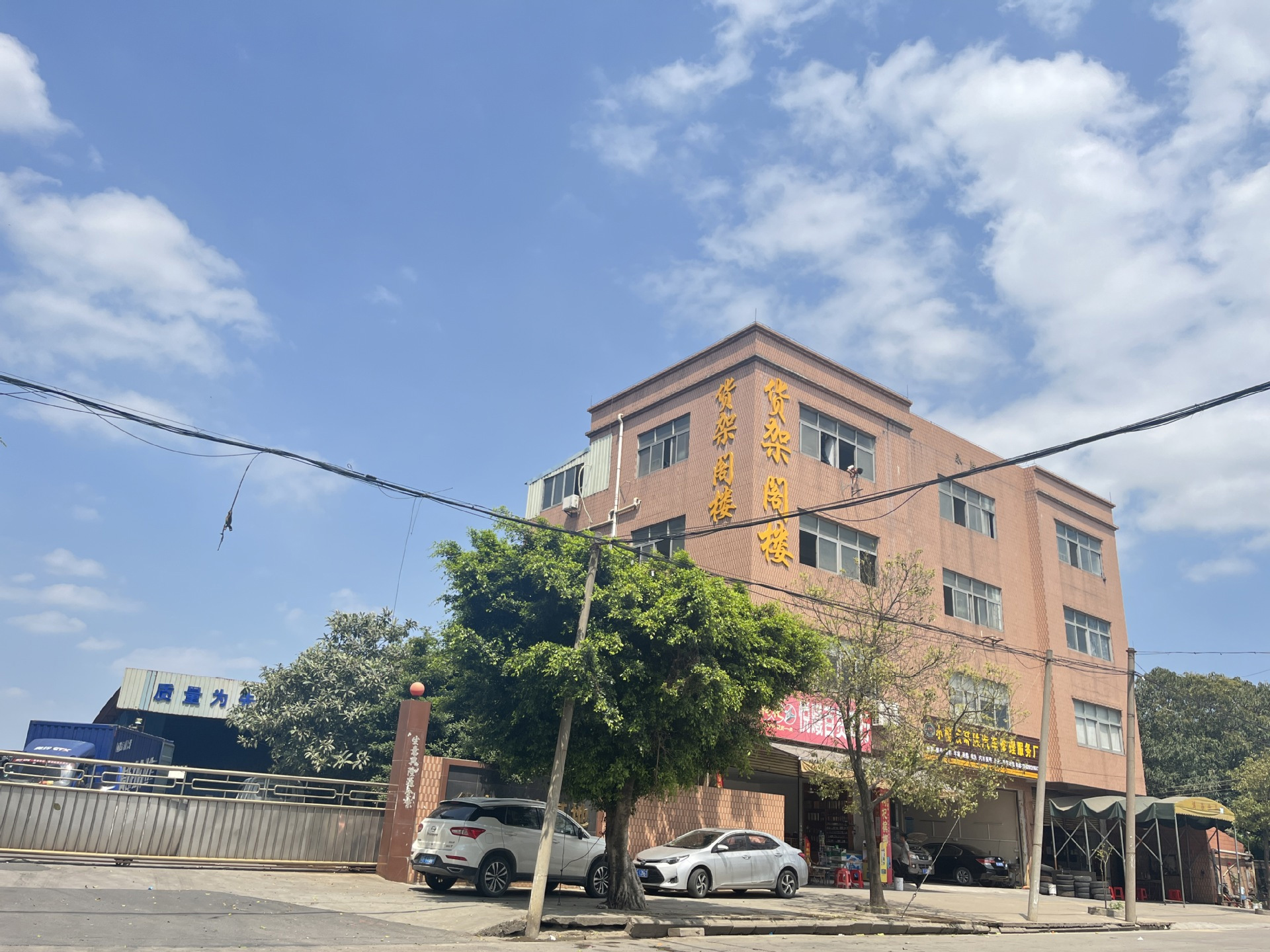
Pioneering innovations in metallurgy, automation integration, and energy-conserving thermal storage architectures.
Modern logistics operations increasingly combine traditional drive-in static steel racks with Semi-Automated Radio Shuttle systems. This allows standard drive-in lanes to handle automated pallet shuttles, shifting storage from LIFO to FIFO patterns and lowering collision risks from forklift operations.
With global cold chain real estate costs rising, drive-in racking has become critical for sub-zero storage rooms. Because cooling energy consumption correlates directly with cubic space, using compact storage racks reduces air volume requirements, lowering electricity costs for refrigeration systems.
Modern steel production uses thinner, high-strength micro-alloyed steel (e.g., Q355B grades) instead of heavy mild steels. This reduces structural weight load while increasing dynamic payload ratings and resistance to seismic shear forces.
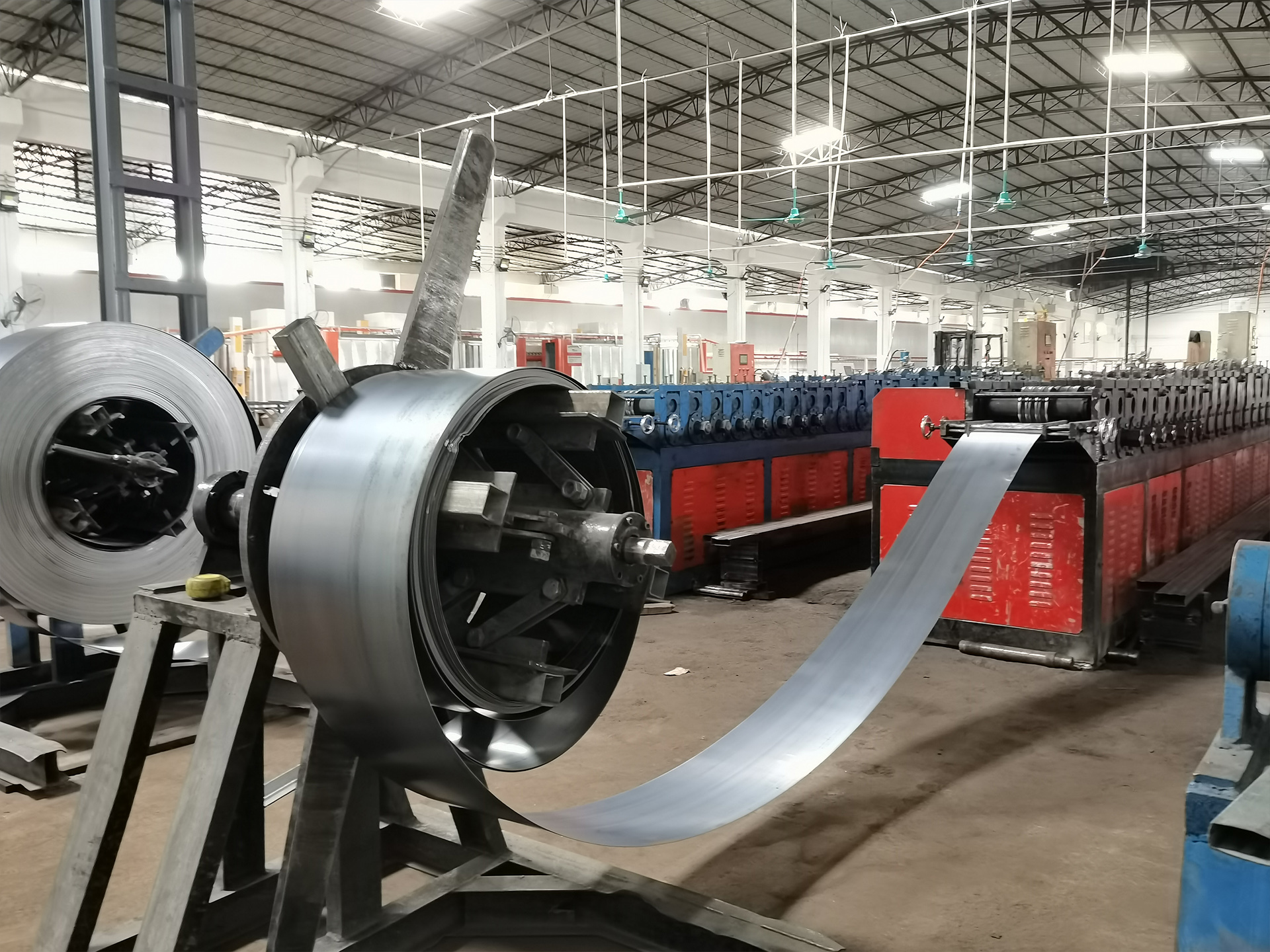
Foshan Dinghui Intelligent Warehousing Technology Co., Ltd. operates a 38,000-square-meter modern manufacturing base that implements Industry 4.0 automation. Our facilities feature CNC-controlled automated roll-forming lines, automated continuous punching machines, and double-cyclone powder-coating bays. This technological approach ensures structural consistency across all load-bearing upright frames, support rails, and locking assemblies.
For international supply chain managers, sourcing from a vertically integrated facility ensures lead time predictability. Our raw materials are sourced directly from domestic Tier-1 state-owned steel mills, shielding production schedules from market fluctuations. Our structural configurations undergo raw material tensile testing, structural load-bearing simulation, powder coating adhesion tests, and weld non-destructive inspection (NDI) to deliver reliable engineering quality.
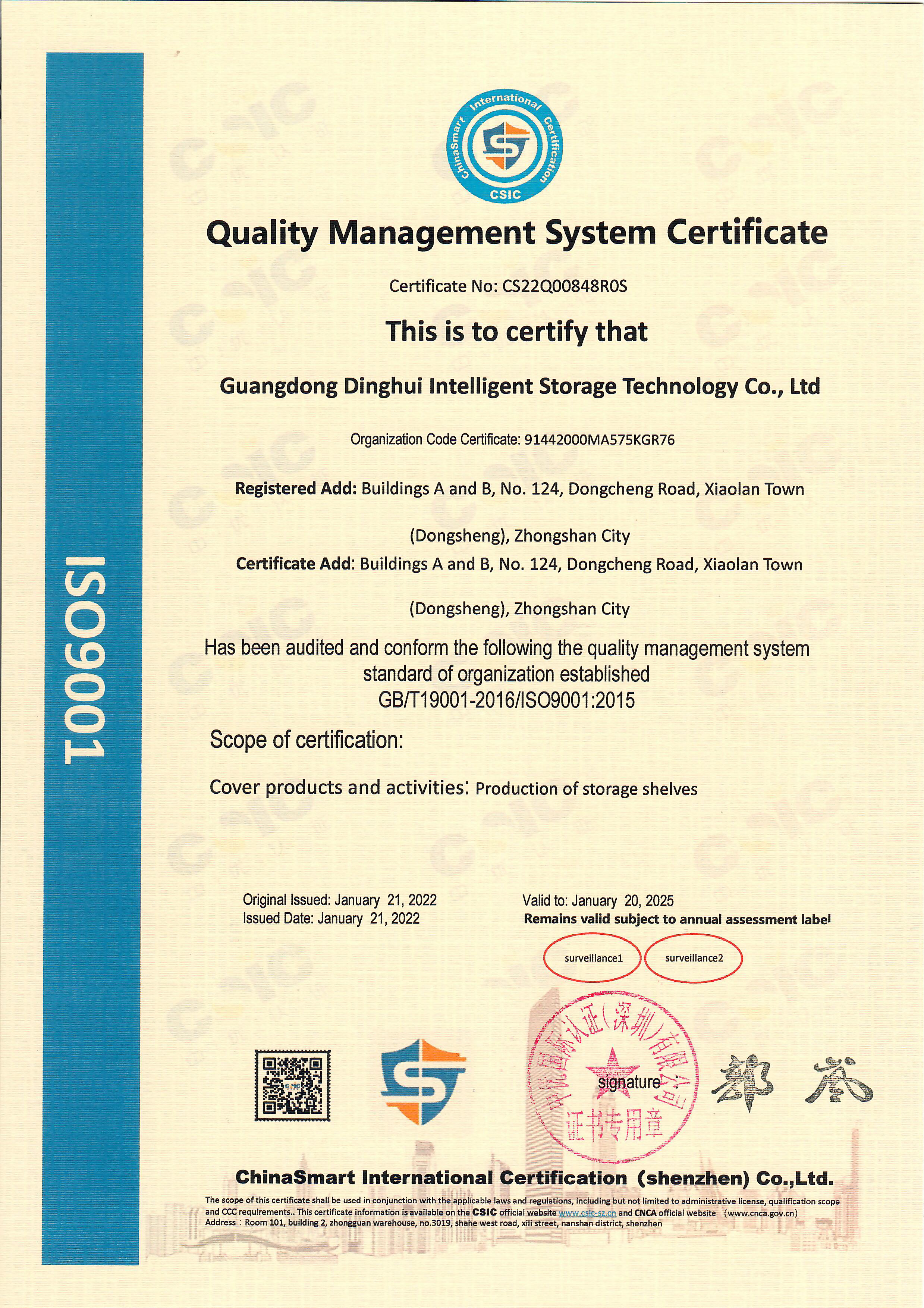
Certified Engineering Standards
All materials and structural engineering conform strictly to ISO 9001 and CE standards, verified by SGS and certified structural engineers.
How our 18-member R&D team and 35 QA/QC specialists design structural safety and durability into every project.
We use premium cold-rolled steel coils with certified material test reports (MTR). This guarantees the structural integrity required to support heavy loads in industrial racking applications.
Racking components undergo multi-stage chemical pretreatment, iron-phosphate washing, and electrostatic powder coating. This results in an impact-resistant, high-durability finish that protects against rust and corrosion.
Our engineering team performs finite element analysis (FEA) to simulate wind, soil, and seismic forces, ensuring structures meet local building codes, including FEMA and EN standards.
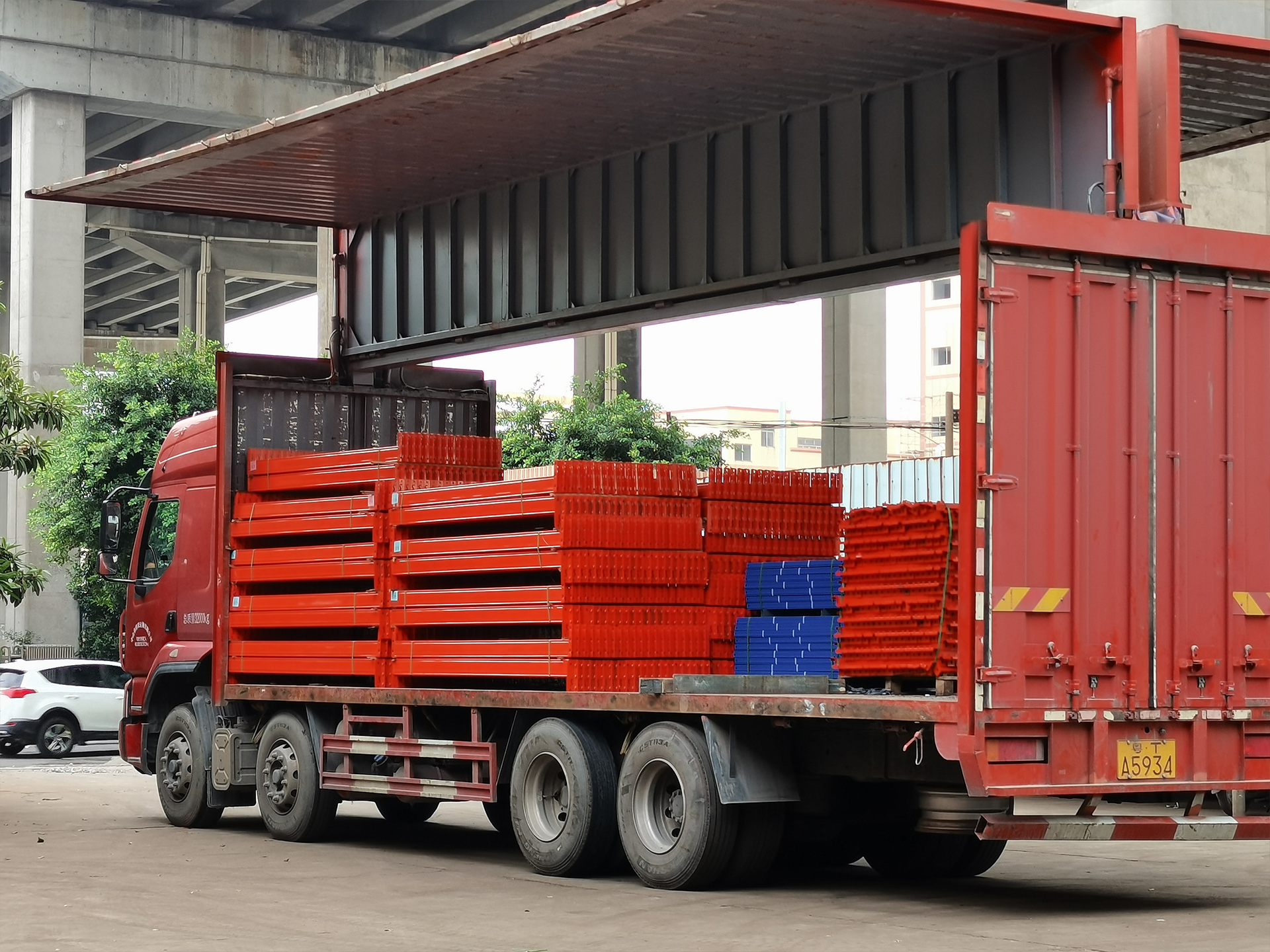
Customizing structural engineering profiles to fit regional commercial logistics and storage needs.
Configured for logistics networks handling high-density SKU collections. These custom drive-in systems support rapid LIFO batch loading, optimizing storage density and minimizing vehicle travel distances within the warehouse.
Heavy industrial operations use drive-in racking to store heavy metal stampings and raw materials. Heavy-duty support rails and double-downright columns protect against structural distortion under heavy loads.
For cleanrooms and temperature-controlled storage, we supply stainless steel and hot-dip galvanized finishes. These configurations withstand aggressive sanitization and prevent chemical corrosion.
Answering structural engineering, capacity design, and logistics planning questions for procurement specialists.
Explore our complete manufacturing portfolio for specialized warehouse storage layouts.
 Dinghui Racking